Attractions and Places To See around Nossa Senhora Da Graça De Póvoa E Meadas - Top 20
Best attractions and places to see around Nossa Senhora Da Graça De Póvoa E Meadas include a blend of historical, cultural, and natural sites within the serene Alentejo landscape. This Portuguese civil parish offers ancient monuments, religious sites, and tranquil natural features like the Barragem de Póvoa e Meadas. The area is characterized by granite and oak forests, providing a peaceful setting for exploration. It is located approximately 12 kilometers north of Castelo de Vide.
Best attractions and places to…
Last updated: July 2, 2026
Castelo de Vide
Highlight • Settlement
Translated by Google •
Tip by

Dom Pedro V Square (Castelo de Vide)
Highlight • Settlement
"Urban centre and municipal headquarters. Town situated on a hill on the border of Alentejo. Medieval town under the jurisdiction of a religious-military order …
Translated by Google •
Tip by

Sign up now to discover places like this
Get recommendations on the best single tracks, peaks, & plenty of other exciting outdoor places.
Sign up for free
Marvão-Beirã Railway Station
Highlight • Monument
Translated by Google •
Tip by

View of Castelo de Vide from Senhora da Penha
Highlight • Viewpoint
Translated by Google •
Tip by

Church of Saint John
Highlight • Religious Site
Translated by Google •
Tip by

Sign up for free to discover even more attractions around Nossa Senhora Da Graça De Póvoa E Meadas.
Sign up for free
Already have an account?
Start today with a free account
Your next adventure awaits.
Login or Signup
Popular around Nossa Senhora Da Graça De Póvoa E Meadas
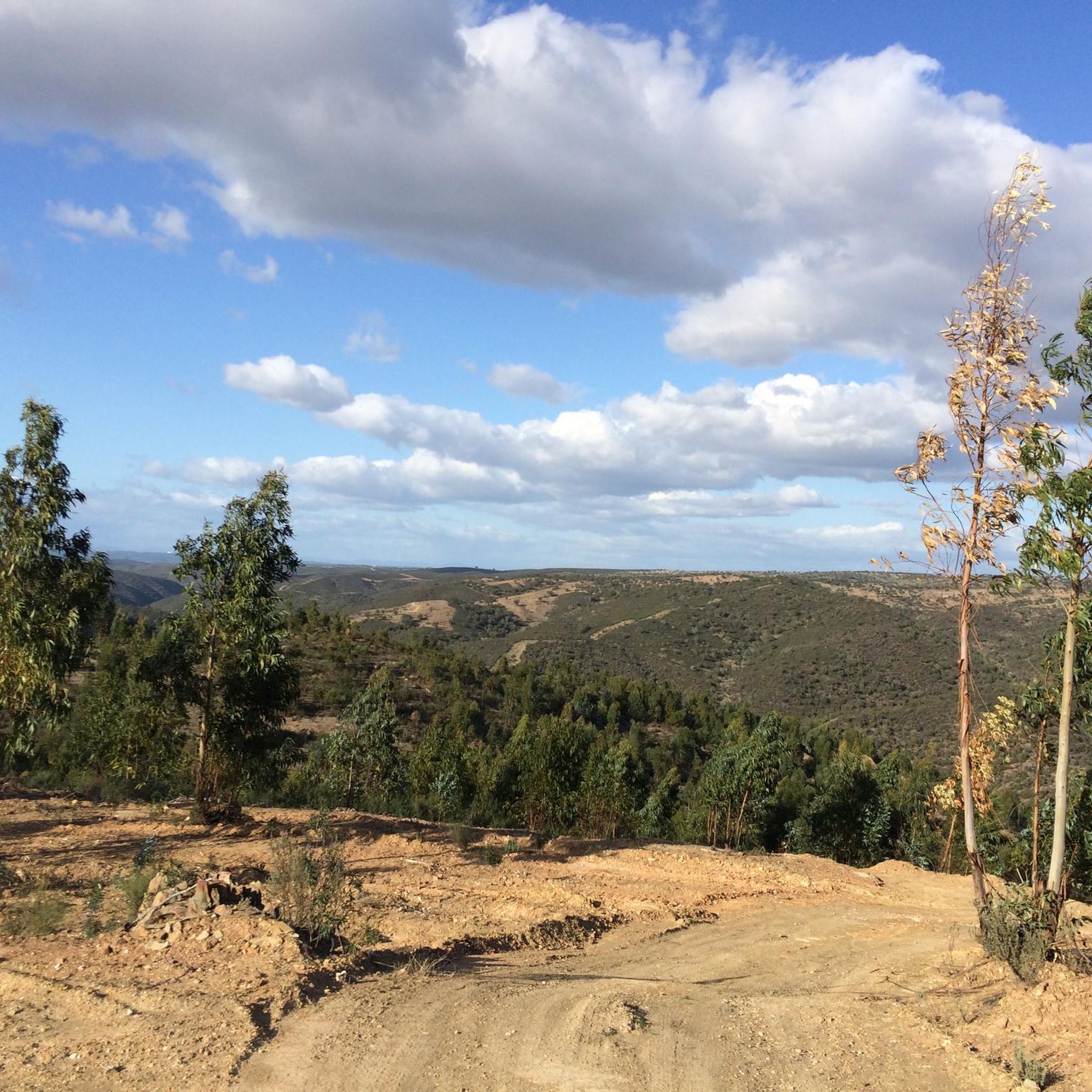
Hiking around Nossa Senhora Da Graça De Póvoa E Meadas
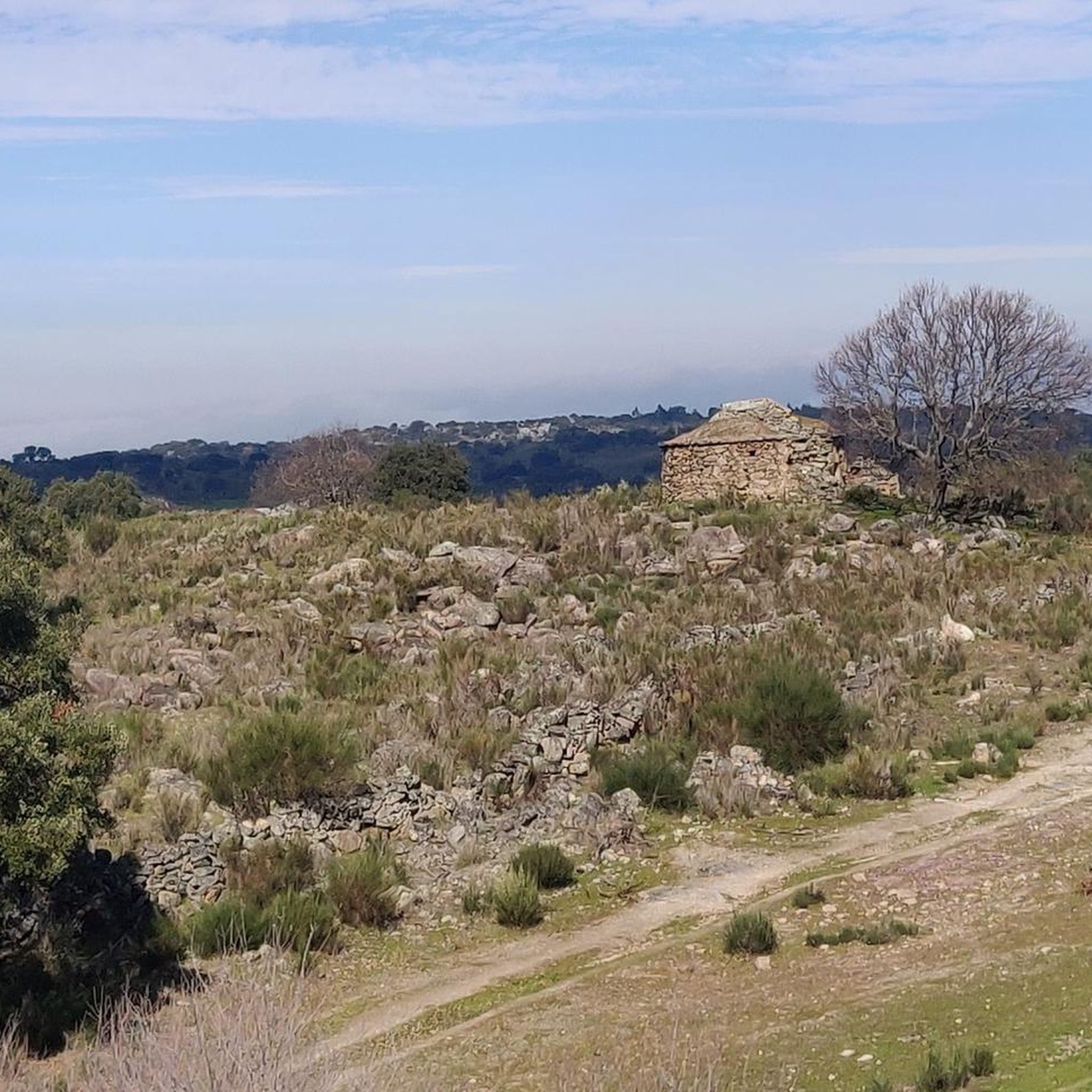
MTB Trails around Nossa Senhora Da Graça De Póvoa E Meadas

Gravel biking around Nossa Senhora Da Graça De Póvoa E Meadas
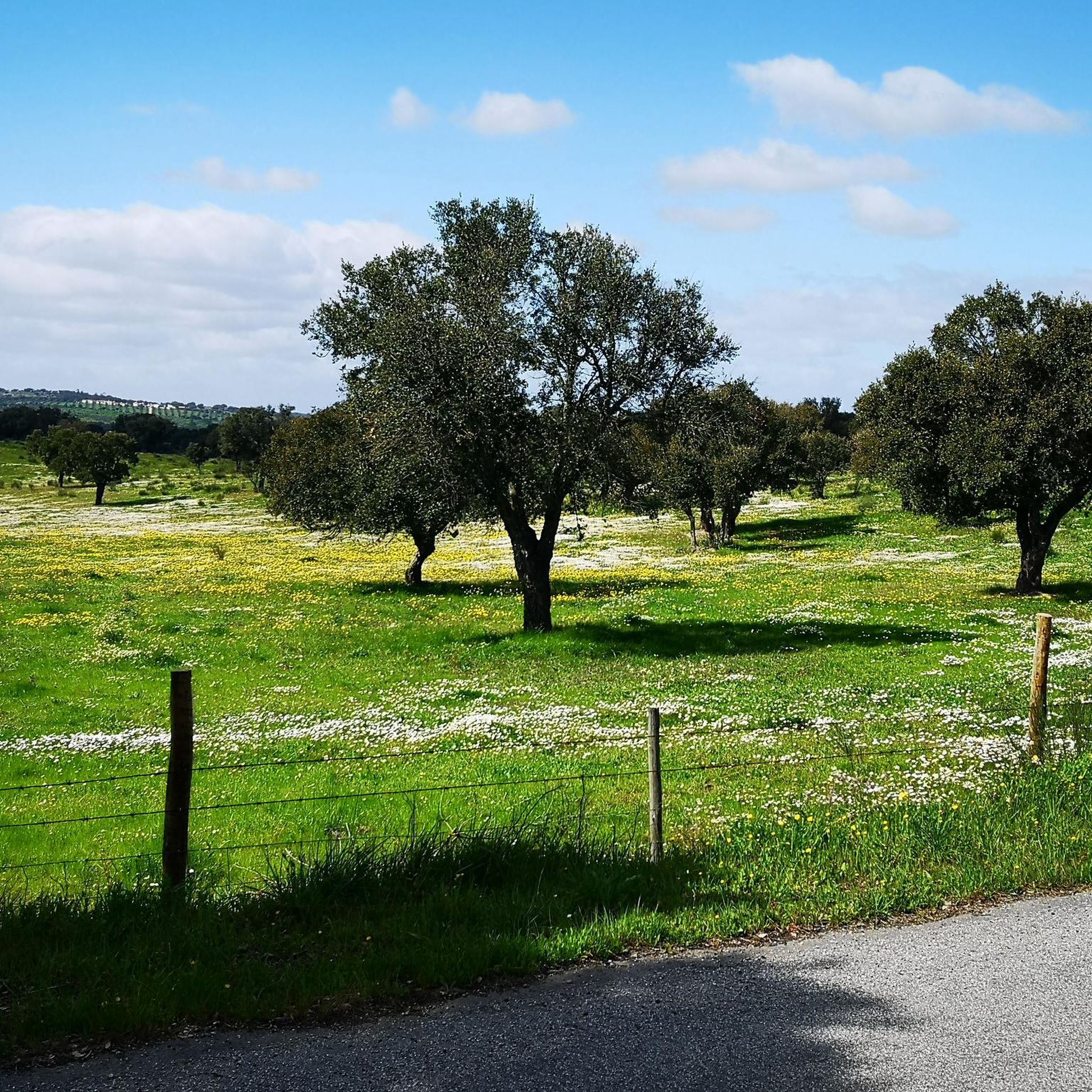
Road Cycling Routes around Nossa Senhora Da Graça De Póvoa E Meadas
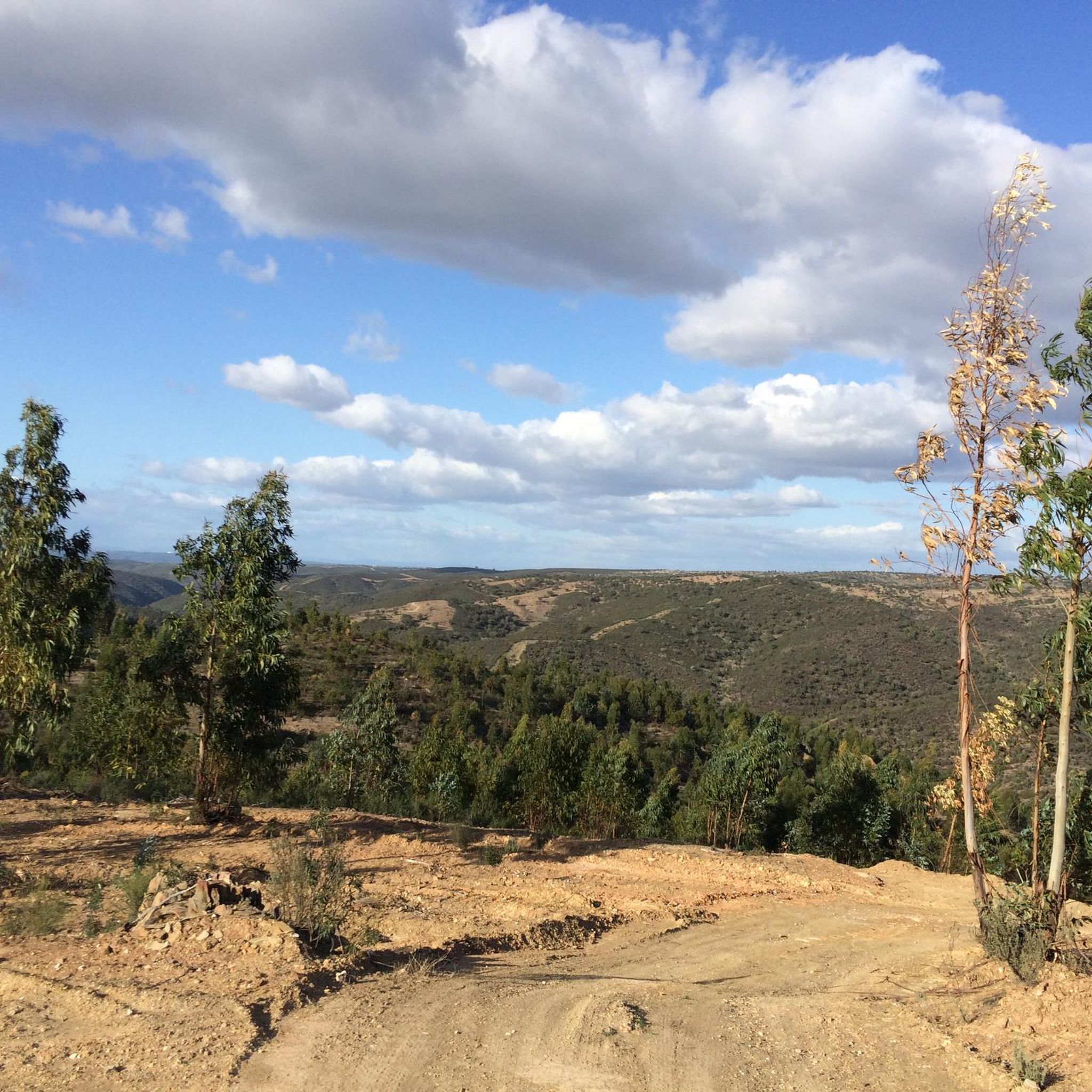
Cycling around Nossa Senhora Da Graça De Póvoa E Meadas

Running Trails around Nossa Senhora Da Graça De Póvoa E Meadas
Tips from the Community

Far in the northeast of Alentejo lies Castelo de Vide, just a few kilometers from the border with Spain. The town is often called Cidade branca (white city), which is primarily due to the pretty whitewashed houses of the town. The highlight of the town (besides its great location in the Parque Natural da Serra de São Mamede) is the 14th-century Castelo de São Roque. From the castle, you have a fantastic view of the old town. Other sights in Castelo de Vide include the old Jewish quarter with the oldest synagogue in Portugal and the numerous churches and chapels of the town.
1
0
Built in the 14th century, it is one of the oldest churches in Castelo de Vide. It belonged to the Order of Malta and was a commandery of nuns from Estremoz, who presumably founded the church. After several renovations over the centuries, it features Gothic and Baroque architecture. It consists of a single nave and a rectangular choir with a bell tower and sacristy. The main altarpiece is Baroque.
2
0
Imposing building in which the Centro de Dia senior center is located
2
0

Beirã is a small, quiet town surrounded by rolling countryside, with cork oak forests, olive groves and a rural, peaceful atmosphere typical of the Alto Alentejo. This village is often associated with its historic train station, once an important hub on the line between Lisbon and Madrid, which still retains some of its old-world charm. Beirã is an ideal base for exploring the surrounding nature and the area's rich historical sites, such as the nearby, well-preserved medieval village of Marvão, perched on a hill, or the Roman city of Ammaia.
1
0

Fabulous view over the village of Castelo de Vide. Several trails, paths and roads for access.
1
0

Built before 1570, at the height of the Portuguese Renaissance, the chapel of Nossa Senhora da Penha stands tall at the top of the Serra de São Paulo, at an altitude of 710 metres. To get there, you have to climb a steep staircase, an effort rewarded by the serenity of the place and the breathtaking views. Although the original image of Senhora da Penha was stolen, a replica now occupies its place on the altar. From the top, the view is breathtaking: the town stretches out below, with its watchful castle, white houses and rolling fields; to the east, the imposing quartzite ridge of Marvão stands out; in the background, the River Sever marks the border, and to the north the horizon is bordered by the Açor, Gardunha and Estrela mountains.
2
0
Main square of Castelo de Vide. http://www.monumentos.gov.pt/Site/APP_PagesUser/SIPA.aspx?id=10463
2
2
Main square of Castelo de Vide. "Urban centre and municipal headquarters. Town situated on a hill on the border of Alentejo. Medieval town under the jurisdiction of a religious-military order (Order of Christ) with castle and urban enclosure. 17th-century war square integrated into the defence line of the Alentejo border." in http://www.monumentos.gov.pt/Site/APP_PagesUser/SIPA.aspx?id=10463
2
0
Frequently Asked Questions
What historical sites can I explore in Nossa Senhora Da Graça De Póvoa E Meadas?
The region is rich in history. You can visit ancient megalithic monuments like the impressive Menir da Meada, one of the largest in the Iberian Peninsula, and the unusually large Anta da Tapada de Matos / Anta dos Mosteiros. Other historical points include the Roman dam, Barragem Romana da Tapada Grande, and the historic settlement of Castelo de Vide with its medieval town and 18th-century pillory.
Are there any natural attractions or places to enjoy the landscape?
Yes, the area offers serene natural beauty. The Barragem de Póvoa e Meadas (Póvoa e Meadas Dam) is an artificial lake set within a landscape of granite and oak forests, ideal for birdwatching. The surrounding fields are known for their peacefulness, with paths winding through oak and holm oak forests, perfect for walks and appreciating nature.
What cultural points of interest are there in the parish?
You can explore several religious sites, including the contemporary Igreja Matriz, Igreja da Misericórdia, and Igreja de Santa Margarida. The local Museu de Póvoa e Meadas offers insights into the community's history and culture. The village's center, Rossio, features a small garden with a bandstand and serves as a central gathering point.
What outdoor activities can I do near these attractions?
The region is excellent for outdoor enthusiasts. You can find various routes for road cycling, hiking, and general cycling. For detailed routes and guides, explore the Road Cycling Routes, Hiking, and Cycling Guides around Nossa Senhora Da Graça De Póvoa E Meadas.
Are there hiking trails for different skill levels?
Yes, there are hiking trails suitable for various abilities. For example, the 'Beirã – Gravel road loop' and 'Gravel road – Beirã loop' are rated as easy. More moderate options include the 'Serra de São Paulo Trail (PR1)' and 'Historic Village of Marvão – Marvão Castle loop'. You can find more details and routes in the Hiking Guide.
What do visitors enjoy most about the area?
Visitors particularly appreciate the historical depth and natural tranquility. The Menir da Meada is noted for its silent power and connection to ancient history, while the View of Castelo de Vide from Senhora da Penha offers breathtaking panoramic vistas over the village and surrounding fields. The peaceful, rural atmosphere and well-preserved historical sites are frequently highlighted.
Are there any family-friendly attractions?
Yes, several attractions are suitable for families. The megalithic monument Menir da Meada is a fascinating historical site for all ages. The historic settlement of Castelo de Vide and the Marvão-Beirã Railway Station, with its old-world charm, are also considered family-friendly.
When is the best time to visit Nossa Senhora Da Graça De Póvoa E Meadas?
The parish celebrates religious festivals on August 15th and secular festivities typically in the third week of August, offering a vibrant cultural experience. The feast of Santa Margarida is observed in September. For enjoying the natural landscapes and outdoor activities, spring and autumn generally offer pleasant weather.
Can I find good viewpoints in the region?
Absolutely. The View of Castelo de Vide from Senhora da Penha is a highly recommended viewpoint, offering panoramic vistas over the village of Castelo de Vide, its castle, and the surrounding fields, with the Marvão ridge visible to the east. The climb to the chapel of Nossa Senhora da Penha is rewarded with serenity and breathtaking views.
Are there any unique or lesser-known attractions?
Beyond the well-known sites, the region offers tranquil spots like the Barragem de Póvoa e Meadas, which is a pioneering hydroelectric project in Portugal and a haven for birdwatching. The serene fields and paths winding through ancient walls also provide a unique sense of connection to the land and history, away from typical tourist crowds.
What is the main square of Castelo de Vide?
The main square of Castelo de Vide is Dom Pedro V Square. It serves as an urban center and municipal headquarters, surrounded by historical buildings and offering a glimpse into the town's heritage.
Most popular routes around Nossa Senhora Da Graça De Póvoa E Meadas
Most popular attractions around Nossa Senhora Da Graça De Póvoa E Meadas

Get inspired with the komoot mobile app


Explore more
Still not found the Highlight you’re looking for? See guides of the top attractions in other regions:
