The best road cycling routes around Monte Da Pedra
35
riders
5
rides
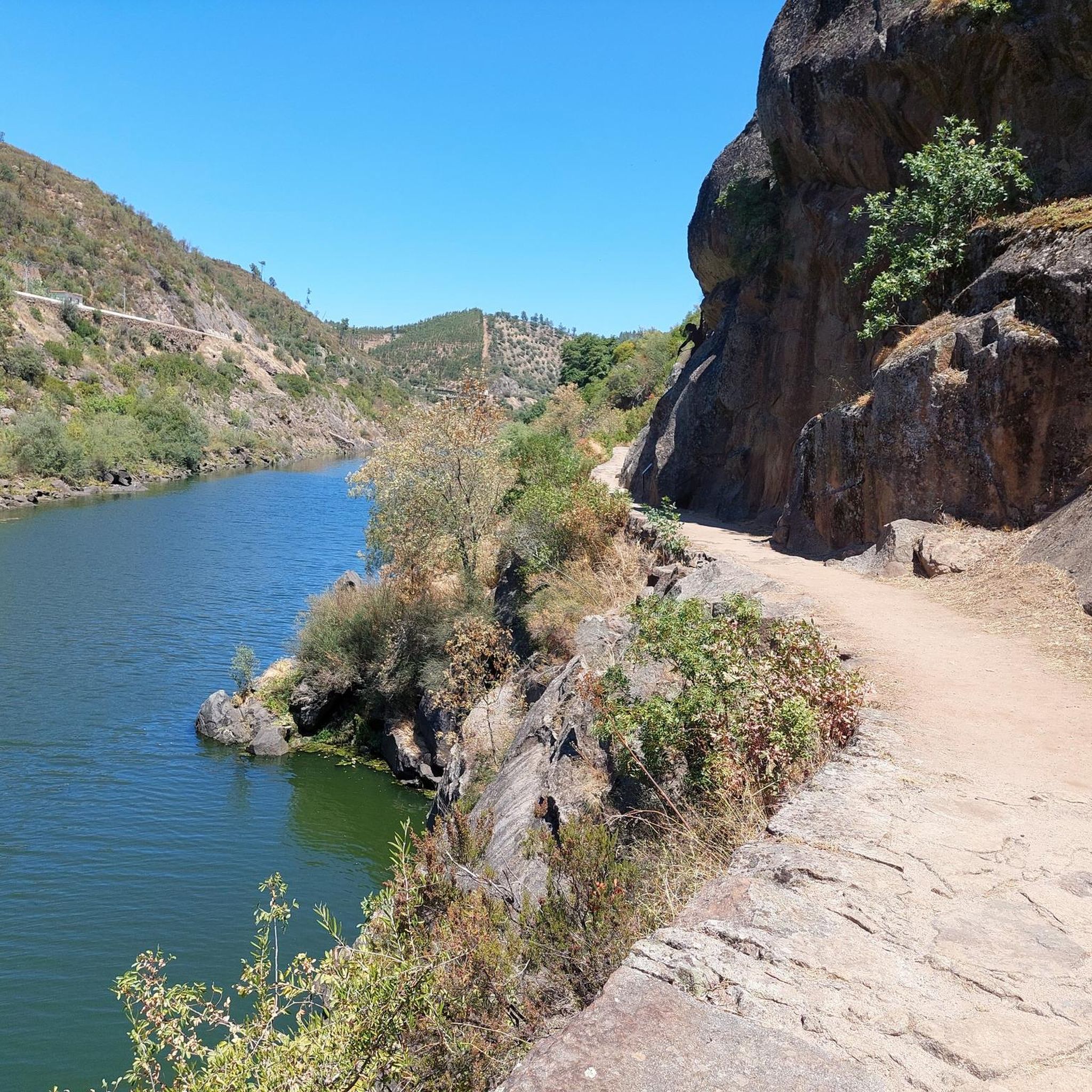
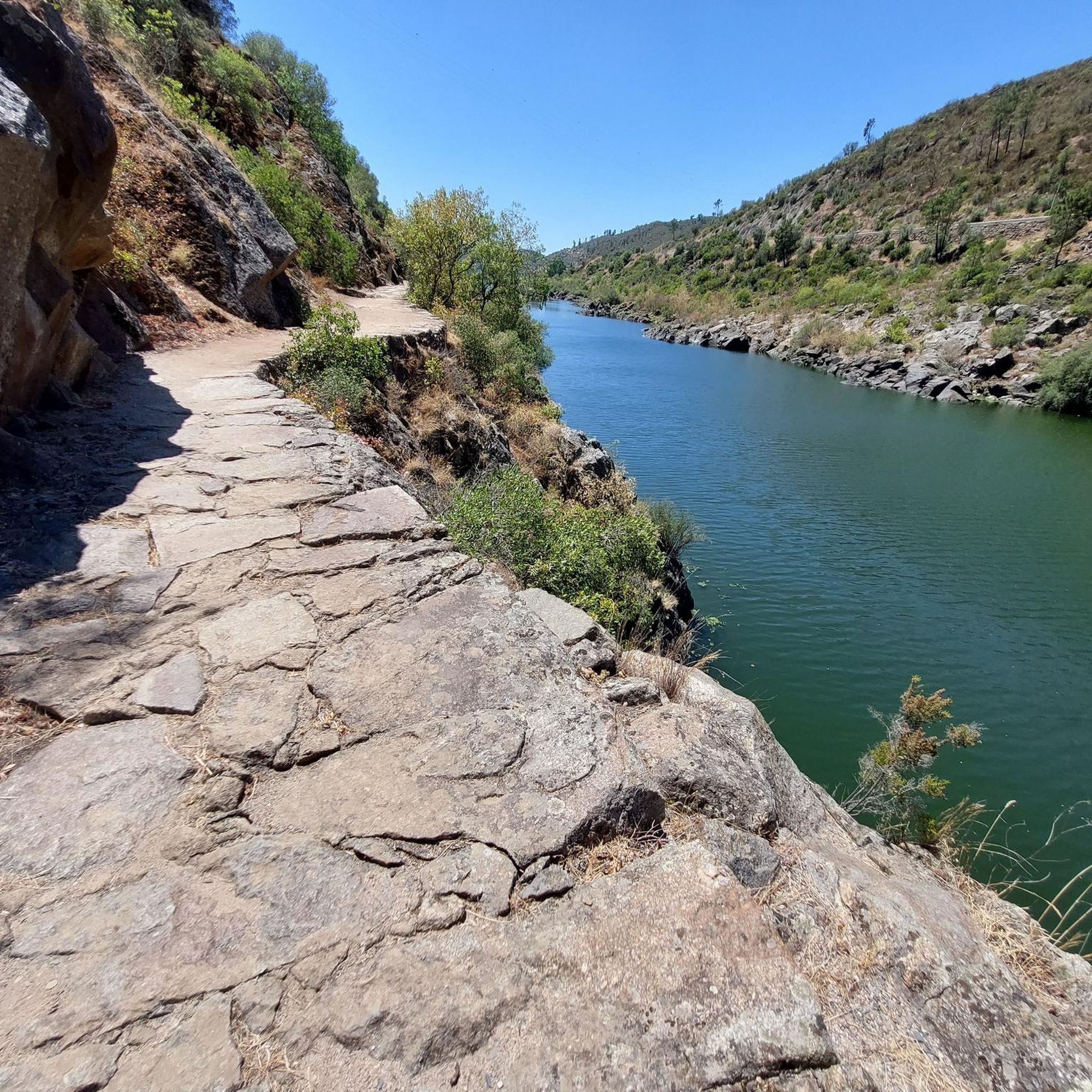
Road cycling routes around Monte Da Pedra are set within the tranquil, rural landscape of the Alentejo region in Portugal. The area features quiet roads with low traffic and rolling terrain, offering varied routes that combine gentle stretches with undulating sections. Cyclists can expect diverse scenery, including expansive pastures, olive groves, vineyards, and *montado* oak woodlands, with imposing rock formations also present. This topography provides interesting climbs and descents suitable for road cycling.
Best road cycling routes around Monte Da…
Last updated: July 11, 2026
11
riders
83.9km
03:45
770m
770m
Moderate road ride. Good fitness required. Mostly well-paved surfaces and easy to ride.
4
riders
68.6km
03:11
780m
780m
Moderate road ride. Good fitness required. Mostly well-paved surfaces and easy to ride.

Sign up for free
4
riders
38.5km
01:47
400m
400m
Moderate road ride. Good fitness required. Some segments of this route may be unpaved and difficult to ride.
5
riders
36.3km
01:32
240m
240m
Moderate road ride. Great for any fitness level. Some segments of this route may be unpaved and difficult to ride.
2
riders
72.0km
03:03
530m
530m
Moderate road ride. Good fitness required. Mostly well-paved surfaces and easy to ride.
Our route recommendations are based on thousands of hikes, rides, and runs completed by other people on komoot.
Start today with a free account
Your next adventure awaits.
Login or Signup
Popular around Monte Da Pedra
Tips from the Community

Castelo de Vide is a charming Portuguese medieval village located in the district of Portalegre, in the Alentejo region, perched on the hills of the Serra de São Mamede Natural Park. Nicknamed the "Sintra of Alentejo" for its flowery alleys and lush landscapes, this town is famous for its healing thermal waters, its intact Gothic architecture, and one of the most important historical Jewish communities in the country.
0
0

Far in the northeast of Alentejo lies Castelo de Vide, just a few kilometers from the border with Spain. The town is often called Cidade branca (white city), which is primarily due to the pretty whitewashed houses of the town. The highlight of the town (besides its great location in the Parque Natural da Serra de São Mamede) is the 14th-century Castelo de São Roque. From the castle, you have a fantastic view of the old town. Other sights in Castelo de Vide include the old Jewish quarter with the oldest synagogue in Portugal and the numerous churches and chapels of the town.
1
0


Located in the parish of Seda, in the heart of the Alentejo, the ruins of the walls that surrounded the ancient castle of Seda remain determined to preserve their ancient history. Without official evidence, some studies point to the existence of a castro of the Lusitanian tribe, occupied by Roman troops who would have erected a fortification there. The Roman presence in the region is well-known, and easily attested to by the Vila Formosa Bridge (1st and 2nd centuries), milestones, and the military road that would have connected Lisbon to Mérida. In 1160, King Afonso Henriques conquered the village, which at the time was called Arminho, from the Moors and donated the fortification to the Templars. This is the date that marked the beginning of the village's original enclosure. During the reign of King Afonso III, the village was handed over to the Order of Aviz and was later elevated to the status of a town, even serving as the municipal seat until 1836. The castle, however, gradually lost importance, and only a section of medieval wall, reinforced with turrets, has survived to this day. It has been classified as a Property of Public Interest since 1982.
1
0
Imposing building in which the Centro de Dia senior center is located
2
0

Located in the Cadeia Nova building, next to the Porta de Montalvão, this museum showcases the typical embroidery and candelabras of Nisa, as well as other objects from the region. The central core consists of a space for long-term exhibitions and an area dedicated to temporary exhibitions. Closing day(s): Mondays Visiting hours: Summer: from 10:00 to 12:30 and from 14:00 to 18:00Winter: from 10:00 to 12:30 and from 14:00 to 17:30 (Source: www.lifecooler.com)
15
0

The chafurdão is a traditional dry-stone shelter with a false dome, typical of the region’s vernacular heritage. Though most surviving examples are recent (the oldest dated to 1733), they follow ancient construction techniques. Oriented toward sunrise, these structures include ventilation and lighting through wall openings. Built for temporary use by farmers and shepherds, they often have walled pens and a compact earth-covered roof stabilized by stone capping.
0
0
The chafurdão is a traditional dry-stone shelter with a false dome, typical of the region’s vernacular heritage. Though most surviving examples are recent (the oldest dated to 1733), they follow ancient construction techniques. Oriented toward sunrise, these structures include ventilation and lighting through wall openings. Built for temporary use by farmers and shepherds, they often have walled pens and a compact earth-covered roof stabilized by stone capping.
0
0
Frequently Asked Questions
What kind of terrain can I expect when road cycling in Monte Da Pedra?
Monte Da Pedra, situated in the Alentejo region, offers a tranquil, rural landscape characterized by quiet roads with low traffic and rolling terrain. You'll find varied routes that combine gentle stretches with more undulating sections, providing interesting climbs and descents. The scenery includes expansive pastures, olive groves, vineyards, and *montado* oak woodlands, often with imposing rock formations.
How many road cycling routes are available around Monte Da Pedra?
There are several road cycling routes around Monte Da Pedra, with komoot featuring 5 highly-rated options. All routes are currently rated as moderate, offering a good balance for various fitness levels.
What natural features or landmarks can I see while cycling in Monte Da Pedra?
While cycling, you can enjoy the characteristic Alentejo scenery, including the *montado* landscape and impressive rock formations. The region is also known for its scenic landscapes of olive groves and vineyards. The name 'Monte da Pedra' itself, meaning 'stone hill,' hints at the area's varied topography.
Are there any historical sites or cultural attractions along the routes?
Yes, several routes pass by historical points and cultural attractions. For instance, the Stork Nest – Seda Castle loop from Chança offers views of historical castles. Another route, Old Crato station – Alter do Chão Castle loop from Crato, leads towards Alter do Chão Castle. You might also encounter the Flor da Rosa Monastery, which is near the Flor da Rosa Monastery – Taberna do Claro loop from Monte da Pedra route.
What is the best time of year for road cycling in Monte Da Pedra?
The Alentejo region generally offers good cycling conditions for much of the year. Spring and autumn are often ideal, with pleasant temperatures. During warmer months, the presence of plane trees along some roads can provide welcome shade, and the local river beach (Praia fluvial no Monte da Pedra) offers a spot for relaxation.
Are there any challenging road cycling routes in Monte Da Pedra?
The road cycling routes around Monte Da Pedra are generally described as having rolling terrain, offering enough hills to make rides interesting without being overly challenging. All routes currently listed are rated as moderate, suitable for various fitness levels looking for engaging rides with climbs and descents.
Are there any loop routes for road cycling in Monte Da Pedra?
Yes, many of the routes in the area are designed as loops, allowing you to start and end in the same location. Examples include the Stork Nest – Seda Castle loop from Chança and the View of Castelo de Vide – Castelo de Vide loop from Gáfete.
Is there parking available for road cyclists in Monte Da Pedra?
While specific parking areas for cyclists are not detailed, the rural nature of Monte Da Pedra and the surrounding towns like Crato and Gáfete typically offer accessible parking options in village centers or near starting points of routes. It's advisable to check local signage upon arrival.
Are the road cycling routes in Monte Da Pedra suitable for families?
The routes around Monte Da Pedra are rated as moderate, featuring rolling terrain and distances ranging from approximately 24 to 52 miles (38 to 84 km). While the roads are quiet with low traffic, the distances and elevation might be more suitable for families with older, more experienced cycling members rather than very young children.
What do other road cyclists say about the routes in Monte Da Pedra?
Over 30 road cyclists have used komoot to explore Monte Da Pedra's varied terrain. Users often praise the quiet roads, scenic landscapes, and the authentic rural Portuguese experience offered by the Alentejo region. The routes are appreciated for their rolling terrain, which provides an engaging ride without being excessively difficult.
Can I reach the cycling routes by public transport?
Monte Da Pedra is a rural parish, and while the broader Alentejo region has some public transport options, direct access to specific cycling route starting points by public transport might be limited. It's generally more convenient to arrive by car, especially with a bike, to access the various routes around Monte Da Pedra and nearby towns like Crato or Gáfete.
Most popular routes around Monte Da Pedra
Most popular attractions around Monte Da Pedra

Get inspired with the komoot mobile app


Explore more
Browse the best Road cycling routes in other regions.
