The best walks and hikes around Vale Do Peso
4.7
(12)
47
hikers
6
hikes
Hiking around Vale Do Peso offers a variety of routes through rural landscapes and historical areas. The region features gentle rolling terrain, often encompassing historical sites and local villages. Paths typically traverse open countryside and connect points of interest like monasteries and ancient settlements. The elevation changes are generally moderate, making the area accessible for various hiking abilities.
Best hiking trails around Vale Do Peso
- The most popular hiking route is Historical Route of Flor da Rosa, a 13.2…
Last updated: June 24, 2026
21.3km
05:42
230m
270m
Hard hike. Very good fitness required. Easily-accessible paths. Suitable for all skill levels.
4.5
(2)
10
hikers
Moderate hike. Good fitness required. Easily-accessible paths. Suitable for all skill levels.

Sign up for free
5.0
(3)
15
hikers
10.5km
03:03
280m
280m
Moderate hike. Good fitness required. Easily-accessible paths. Suitable for all skill levels.
5.0
(3)
9
hikers
5.51km
01:27
40m
40m
Easy hike. Great for any fitness level. Easily-accessible paths. Suitable for all skill levels.
5.0
(3)
8
hikers
5.03km
01:19
40m
40m
Easy hike. Great for any fitness level. Easily-accessible paths. Suitable for all skill levels.
Our route recommendations are based on thousands of hikes, rides, and runs completed by other people on komoot.
Start today with a free account
Your next adventure awaits.
Login or Signup
Popular around Vale Do Peso
Tips from the Community

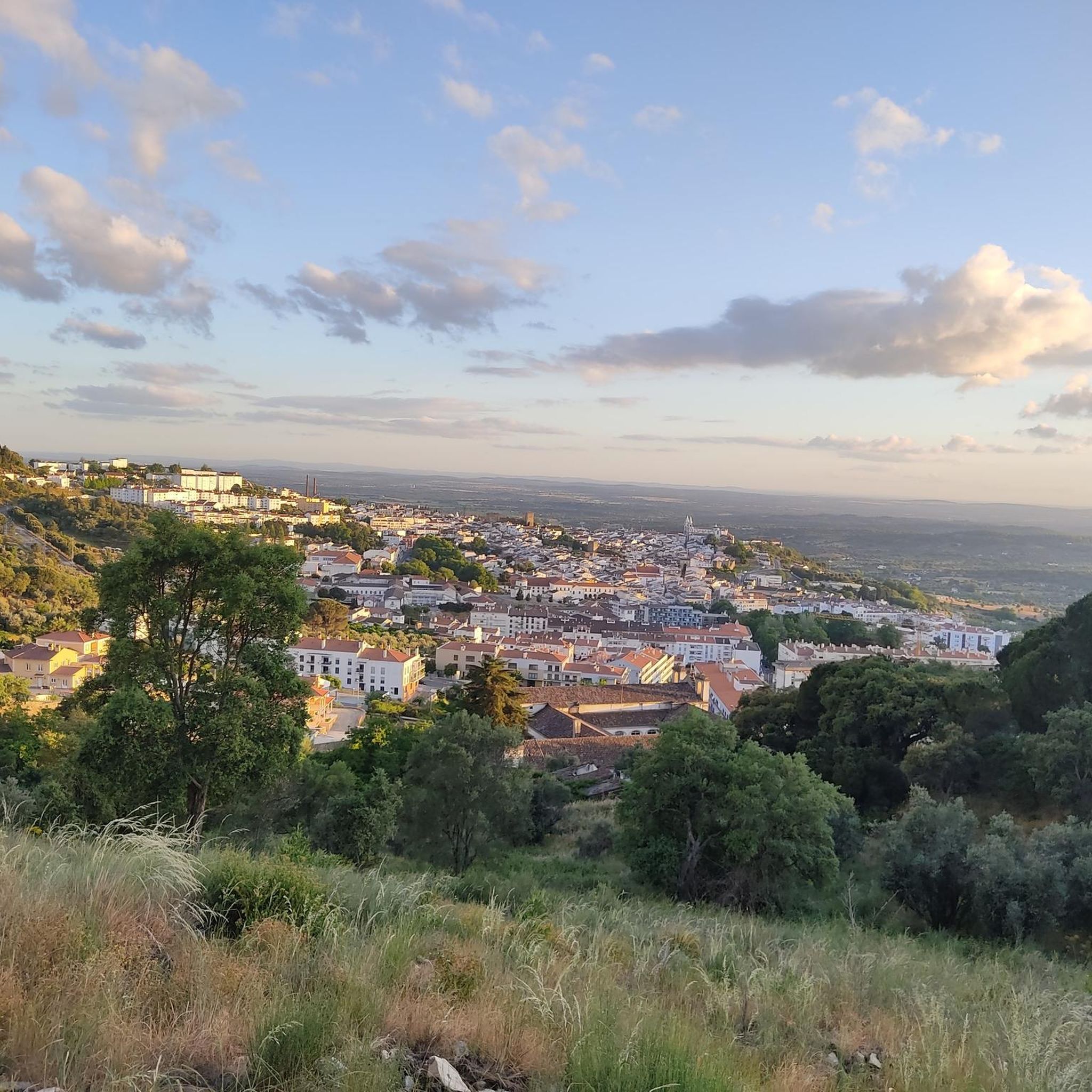
Far in the northeast of Alentejo lies Castelo de Vide, just a few kilometers from the border with Spain. The town is often called Cidade branca (white city), which is primarily due to the pretty whitewashed houses of the town. The highlight of the town (besides its great location in the Parque Natural da Serra de São Mamede) is the 14th-century Castelo de São Roque. From the castle, you have a fantastic view of the old town. Other sights in Castelo de Vide include the old Jewish quarter with the oldest synagogue in Portugal and the numerous churches and chapels of the town.
1
0
Construction of the Church of Santa Maria da Devesa began in 1789 on the site of a small chapel of the same name, founded in 1311 by Loureno Pires and his wife. It was completed around 1873. It is a large temple, perhaps the largest in the Alto Alentejo. The invocation to Santa Maria da Devesa is unique in our country, and it may be related not only to its location, which... https://castelodevide.pt/2000/igreja-de-santa-maria-da-devesa
2
0
On October 7, 1861, King Pedro V visited Castelo de Vide and called the town the "Sintra of the Alentejo." It was the monarch's last visit, as he died a month later. In honor of this visit, the residents erected a statue of the king, which was placed in the center of the square. He was the last king to visit Castelo de Vide.
1
0
A fountain dating from 1889, according to the inscription on the marble. It takes its name from the former residence of a goldsmith. It consists of four semicircular basins supported by a central column with four sides. In the center of each basin is a gargoyle with a copper spout.
1
0
Built in the 14th century, it is one of the oldest churches in Castelo de Vide. It belonged to the Order of Malta and was a commandery of nuns from Estremoz, who presumably founded the church. After several renovations over the centuries, it features Gothic and Baroque architecture. It consists of a single nave and a rectangular choir with a bell tower and sacristy. The main altarpiece is Baroque.
2
0
Imposing building in which the Centro de Dia senior center is located
2
0
It is the seat of the city administration of Castelo de Vide in the Alto Alentejo region.
1
0

Between walls and legends of tragic love, the fields around Flor da Rosa hold memories that can be felt at every step. The Monastery, founded in 1356 by D. Álvaro Pereira, stands out as one of the most unique examples of Portuguese Gothic: a fusion of fortress and temple, a living legacy of the Order of the Hospital.
2
0
Frequently Asked Questions
Are there easy hiking trails in Vale Do Peso?
Yes, Vale Do Peso offers several easy hiking options. For example, the Flor da Rosa Monastery loop from Flor da Rosa is an easy 3.4 miles (5.5 km) trail, perfect for a relaxed walk. Another accessible option is the Flor da Rosa Monastery loop from Crato, which is 3.1 miles (5.0 km) long.
Are there any challenging hikes in Vale Do Peso?
For those seeking a more demanding experience, the Historical Route of Flor da Rosa is classified as difficult. This trail spans 13.2 miles (21.3 km) and takes approximately 5 hours 41 minutes to complete, offering a significant challenge through historical areas.
Can I find circular hiking routes in Vale Do Peso?
Yes, many of the trails in Vale Do Peso are circular, allowing you to start and end at the same point. Examples include the Castelo de Vide – Church of Saint John loop from Quinta do Pomarinho and the Flor da Rosa Monastery loop from Flor da Rosa.
What is the best time of year to go hiking in Vale Do Peso?
The best time to hike in Vale Do Peso is typically during spring (March to May) and autumn (September to November). During these seasons, the weather is mild and pleasant, making for comfortable hiking conditions. Summers can be very hot, and winters, while generally mild, can bring more rain.
What interesting sights or landmarks can I see while hiking in Vale Do Peso?
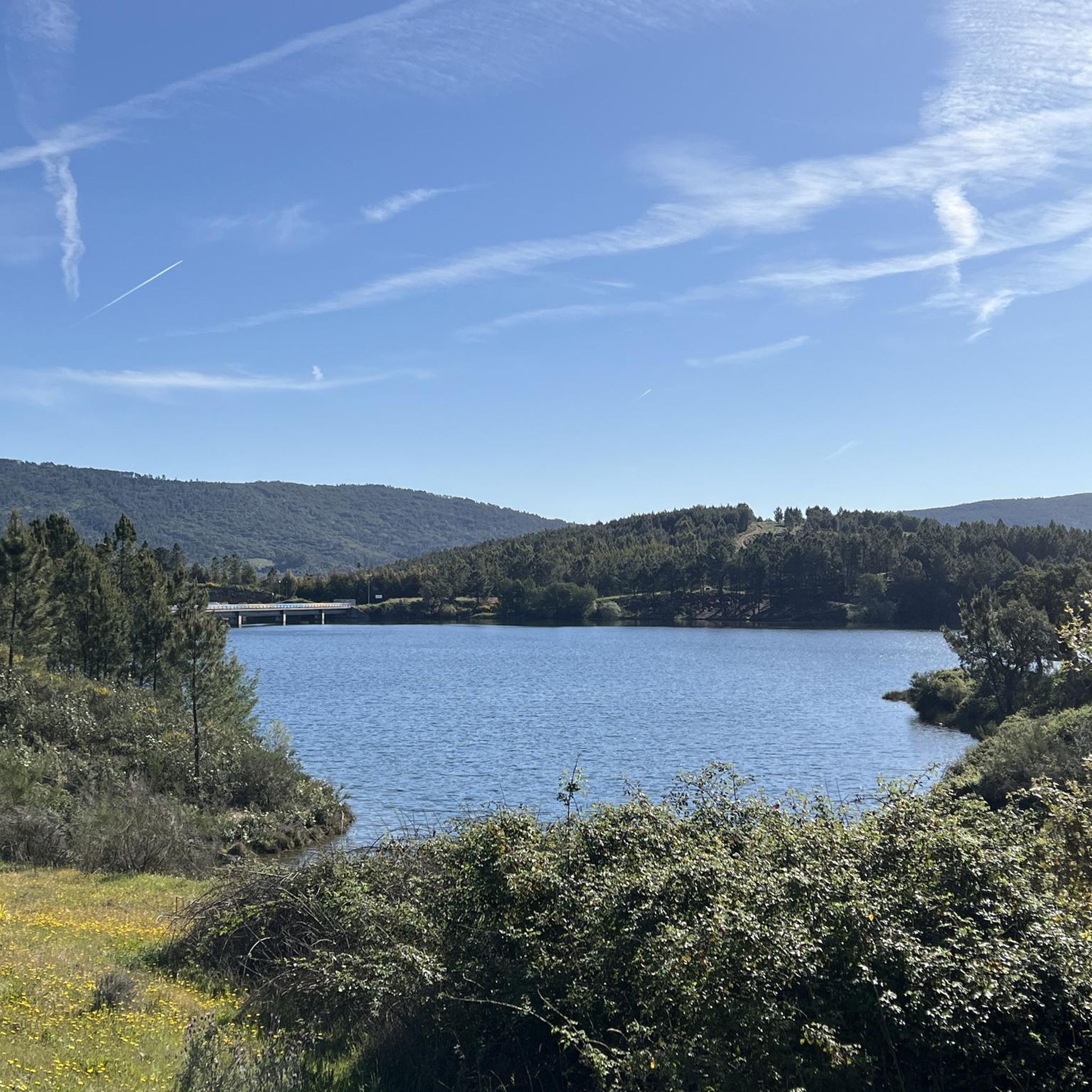
The region is rich in historical and natural points of interest. You can explore sites like the Nisa/Lage da Prata Plateau and Ancient Stone Structures, or visit the Church of Our Lady of the Martyrs of Pisão. There are also scenic spots such as the View of Castelo de Vide from Senhora da Penha.
Are the hiking trails in Vale Do Peso suitable for families?
Many trails in Vale Do Peso are suitable for families, especially those classified as easy or moderate. The gentle rolling terrain and moderate elevation changes make them accessible. Shorter loop trails like the Flor da Rosa Monastery loop from Flor da Rosa are good options for families with children.
What do other hikers say about the trails in Vale Do Peso?
The trails in Vale Do Peso are highly regarded by the komoot community, with an average rating of 4.7 stars from over 10 reviews. Hikers often praise the rural paths, historical sites, and the variety of options available for different ability levels.
How long do hikes in Vale Do Peso typically take?
Hikes in Vale Do Peso vary in length and duration. Shorter, easy loops like the Flor da Rosa Monastery trails can take around 1.5 hours. Moderate routes, such as the Castelo de Vide – Church of Saint John loop, typically take about 3 hours. Longer, more challenging routes can extend to over 5 hours.
Is parking available at the trailheads in Vale Do Peso?
While specific parking information for every trailhead isn't always available, routes often start from villages or points like Quinta do Pomarinho, where roadside parking or designated areas are generally accessible. It's advisable to check local signage upon arrival.
Are dogs allowed on the trails in Vale Do Peso?
Generally, dogs are welcome on many rural trails in Portugal, including those in Vale Do Peso. However, it's always best to keep them on a leash, especially near livestock or in protected natural areas, and to carry waste bags to clean up after them.
Can I hike in Vale Do Peso during winter?
Winter hiking in Vale Do Peso is generally possible as the climate is mild. While there might be more rainfall, heavy snow is rare. Trails remain accessible, but it's recommended to wear appropriate waterproof gear and check local weather forecasts before heading out.
Are there any less-known or 'hidden gem' trails in Vale Do Peso?
Beyond the most popular routes, Vale Do Peso's network of rural paths offers many opportunities to discover quieter, less-trafficked trails. Exploring the full range of routes in the guide can lead you to charming, secluded sections of the countryside and historical sites that are off the main tourist path.
Most popular routes around Vale Do Peso
Most popular attractions around Vale Do Peso

Get inspired with the komoot mobile app


Explore more
Browse the best Hikes in other regions.
