Attractions and Places To See around Sé - Top 20
Best attractions and places to see around Sé include a variety of historical sites and natural landscapes in the Alentejo region of Portugal, near Marvão and Portalegre. This area is characterized by ancient Roman and medieval structures, set within the Parque Natural da Serra de São Mamede. Visitors can explore remnants of past civilizations and enjoy routes through cork oak forests. The region offers a blend of cultural heritage and outdoor exploration opportunities.
Best attractions and places to see around…
Last updated: June 18, 2026
16th century bridge of Portagem
Highlight • Bridge
Translated by Google •
Tip by

Roman City of Ammaia
Highlight • Historical Site
Translated by Google •
Tip by

Sign up now to discover places like this
Get recommendations on the best single tracks, peaks, & plenty of other exciting outdoor places.
Sign up for free
Medieval Road in Parque Natural da Serra de São Mamede
Highlight (Segment) • Trail
Translated by Google •
Tip by

Chapel of Saint Anne
Highlight • Religious Site
Translated by Google •
Tip by
Olive Oil Mill Museum
Highlight • Historical Site
Translated by Google •
Tip by
Sign up for free to discover even more attractions around Sé.
Sign up for free
Already have an account?
Start today with a free account
Your next adventure awaits.
Login or Signup

Tips from the Community

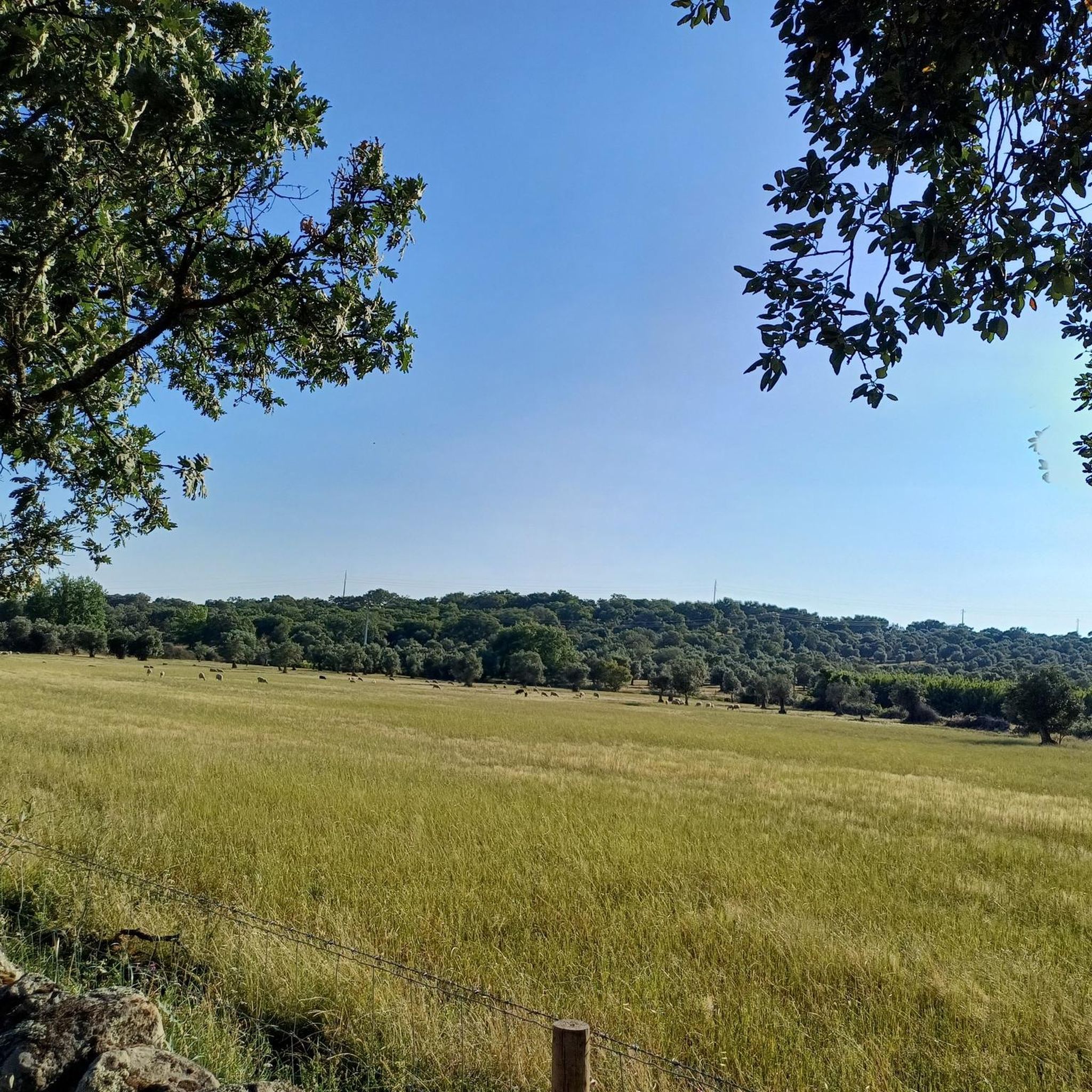
An old stone-paved road leads from Portagem through cork oak forests up to Marvão. A strenuous journey in summer.
3
0

The City of Ammaia is the most important Roman ruin in the Northern Alentejo region. Set in the Natural Park of Serra de São Mamede, in São Salvador de Aramenha, near the town of Marvão, the ruins cover almost 25 metric acres. The Roman City of Ammaia was only rediscovered in the last century. It has since been excavated and investigated by scientists from around the world. It is now a museum site. For years the Roman remains were thought to be a villa, but only at the beginning of the last century did one begin to realize that what was buried in the Valley of Aramanha was an actual lost Roman city. Built from scratch in the first century AD, it was a city with a forum, baths and temples over the next three hundred years. The city suffered after the collapse of Rome on the Peninsula in the 3rd century. By the time of the Moorish invasion the 9th century, the remaining residents fled to high hills of Marvão - easy to defend in a time of chaos. Ammaia's stones served to build other places, walls and monuments. The bridge would stand until the 1980s. Pillaged, looted for stone, and buried until at the beginning of the twentieth century the existence of a large city in that area was forgotten. In the 1950s the first excavations were carried out and in recent decades the scope was also intensified, which also was helped by new technologies.
2
0
Located very close to the pretty town of Marvão, in the heart of the Alentejo, in the heart of the Serra de S. Mamede Natural Park, the ruins of the Roman city of Ammaia are located in an area of great beauty, attesting to its great heritage. In 1995, archaeological excavations began on the site, uncovering around 3,000 m2, although it is believed that the original area of the city was around twenty hectares. The curious thing about these ruins is that in the 5th and 9th centuries they suffered the effects of a cataclysm that buried the lower part of the urban area, thus belonging to one of the few cities of the empire that, probably due to natural effects, remained preserved and on which no other urban developments were developed throughout history. It is thus possible to study the entire urban fabric of a Roman city, highlighting important structures such as the “podium” of a temple probably from the 1st century, and the existence of public baths, as well as other domestic structures. There is a “site museum” on site, the Ammaia City Monographic Museum, which shows the daily life of the population that lived here, as well as the various objects found and inventoried here, including one of the most important collections of Roman glass in the Iberian Peninsula. A large part of the area occupied by the ruins is located on land owned by the Ammaia City Foundation, whose primary objective is to study, restore and preserve this important National Monument.
3
0

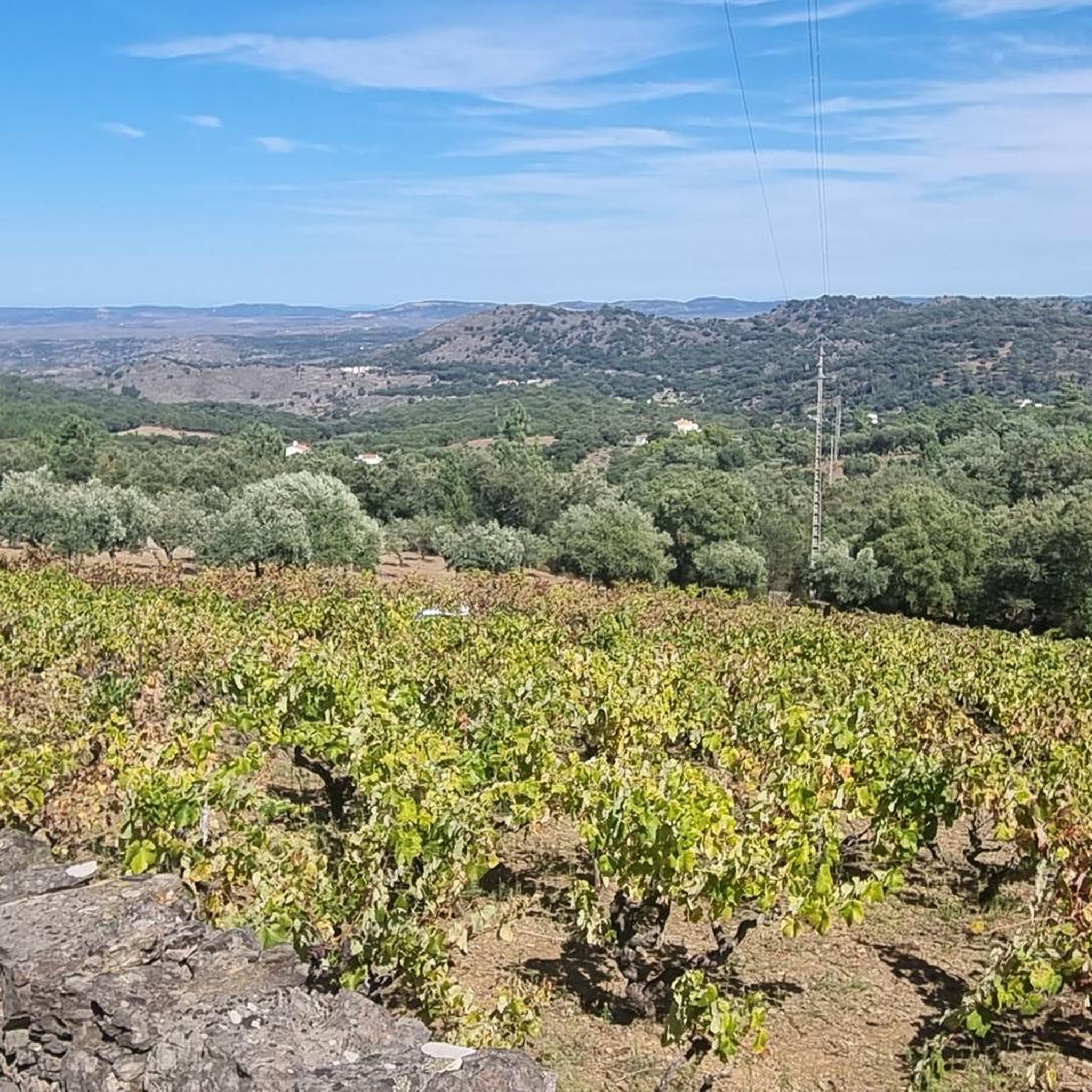
Locality in Raia, with a small museum in an old olive oil mill that recreates a "shop" or "sale" from the last century.
3
0
Fantastic view over the towering Marvão castle. River pool, outdoor pool, magnificent leisure area and excellent restaurants in the area. A privileged starting point for walks, runs and bike rides. "A 16th century bridge reusing materials from a primitive Roman bridge, with a ramped deck, resting on round arches, covered by a medium to large facing and with well-squared stones in the voussoirs. It stands out for its excellent state of conservation, having not undergone any notable alterations in at least the last three centuries. The issue of the bridge's dating is controversial; certain authors such as Keil, Laranjo Coelho, Alarcão, Jorge de Almeida, Josefa Neves and Afonso do Paço consider it to be from the period of Roman occupation, from the early years of the Christian era, forming part of the Roman road that linked Lisbon to Mérida; other authors such as Jorge de Oliveira, based on information from the Treaty of the city of Portalegre de Sotto Maior, a priest in the municipality of Marvão and born in the parish of Alegrete in the mid-16th century, place its construction in the 16th or 17th century, assuming that stonework from the old Roman bridge was reused. which, together with the bridges of Madalena (see IPA.00020704) and Ribeira das Trutas (see IPA.00020703) served the inhabitants of the Roman city of Ammaia (see IPA.00001844) and travelers traveling to Mérida, thus having a prominent importance from a geopolitical point of view at the time." in http://www.monumentos.gov.pt/Site/APP_PagesUser/SIPA.aspx?id=20702
4
0
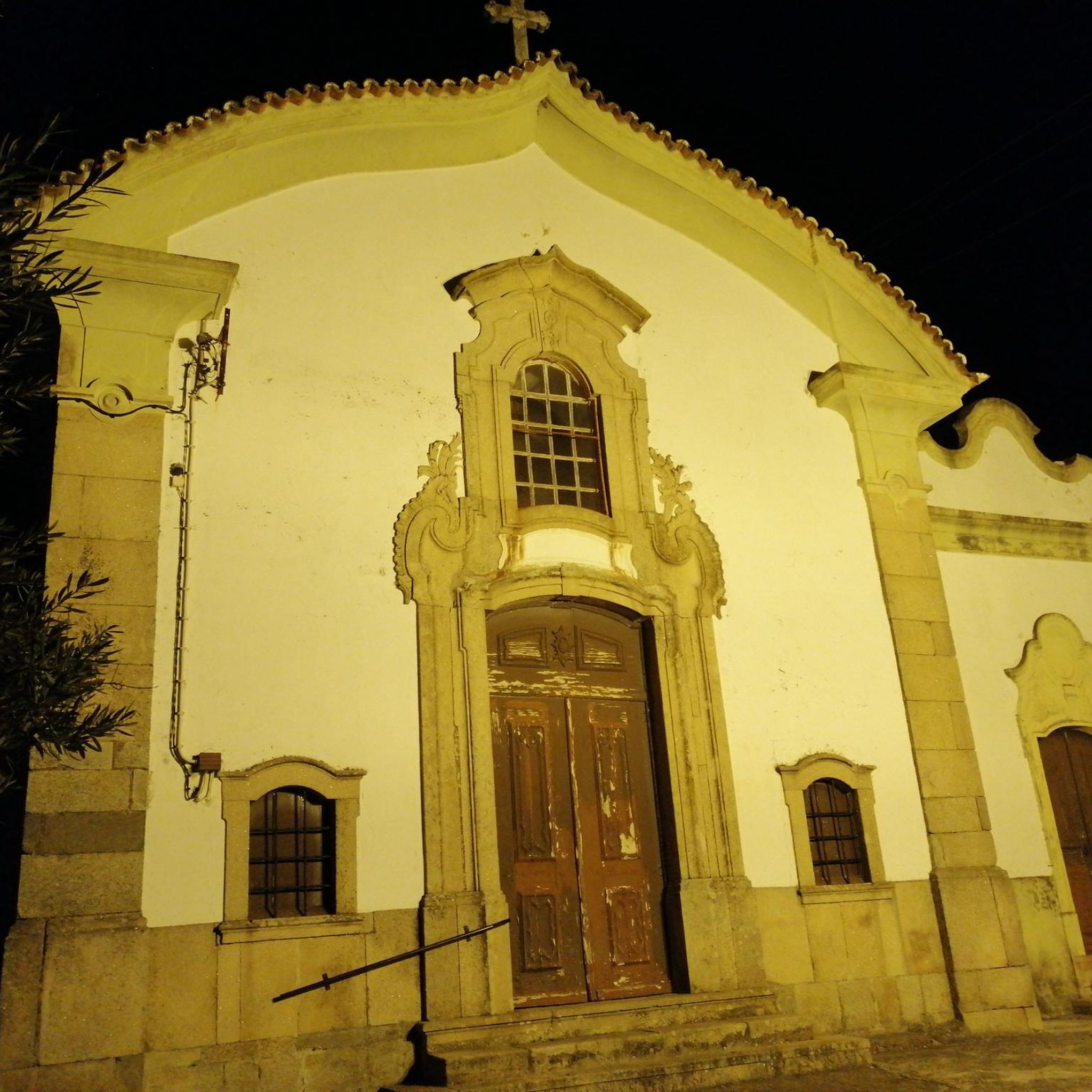
Capela de Sant'Ana is located in the city and municipality of Portalegre, in the district of the same name, in Portugal. At the entrance to the city on the south side, it is about 400 meters from the ancient walls of the Castle of Portalegre. History This temple dates back to the 18th century, according to local tradition, in the place where, in the 16th century, there was a primitive hermitage under the same name. Characteristics The interior has a single nave with the main chapel, to which four steps go up. The floor is tiled, and it has two canopies and red curtains. It has a painted ashlar from the late 18th century. On the walls there are panels on canvas framed in gilded woodwork representing: Presentation of Our Lady in the Temple Adoration of the Shepherds birth of the virgin Death of Santa Ana Virgin learning to read Holy Family Of the two existing chandeliers, only one remains. The tower rises over three round arches, and is topped by a conical dome between four pinnacles and two stonework eyelets. Source: Wikipedia consulted on 3/1/2023.
2
0

Frequently Asked Questions
What historical sites can I explore around Sé?
The region around Sé is rich in history. You can visit the Roman City of Ammaia, an ancient Roman city with ruins including a temple podium and public baths, and a site museum. Another significant historical landmark is the 16th century bridge of Portagem, which reuses materials from a primitive Roman bridge and offers views of Marvão castle. Don't miss the Medieval Road in Parque Natural da Serra de São Mamede, an old stone-paved trail leading through cork oak forests.
Are there any natural landmarks or viewpoints to discover near Sé?
Yes, the area is part of the Parque Natural da Serra de São Mamede, offering beautiful natural scenery. The 16th century bridge of Portagem provides fantastic views over the towering Marvão castle and the surrounding natural landscape. The Medieval Road also offers a historical route through natural scenery, including cork oak forests.
What outdoor activities can I do around Sé?
The region is excellent for outdoor activities. The 16th century bridge of Portagem is a privileged starting point for walks, runs, and bike rides. You can find numerous hiking trails, such as the moderate 'Reguengo Trail (PR2)' or the 'Chapel of Saint Anne – Portalegre Cathedral loop'. For cycling enthusiasts, there are routes like the 'Portagem Roman Bridge – Portalegre Castle loop'. Explore more options on the dedicated guides for Hiking around Sé, MTB Trails around Sé, and Cycling around Sé.
Are there family-friendly attractions or activities in the Sé area?
The 16th century bridge of Portagem is considered family-friendly, offering a river pool and a magnificent leisure area. Exploring the ruins of the Roman City of Ammaia can also be an educational and engaging experience for families, with a site museum showcasing artifacts.
What is the best time of year to visit the attractions around Sé?
The region offers attractions year-round. However, the Medieval Road can be a strenuous journey in summer due to heat. Spring and autumn generally offer milder temperatures, ideal for exploring historical sites and engaging in outdoor activities like hiking and cycling through the cork oak forests.
Are there any dog-friendly areas or trails near Sé?
While specific dog-friendly parks are not detailed, many outdoor trails within the Parque Natural da Serra de São Mamede, such as the Medieval Road and other hiking routes, are generally suitable for dogs on a leash. Always check local regulations and ensure your dog is well-behaved and doesn't disturb wildlife.
What are some lesser-known or unique places to visit around Sé?
Beyond the main highlights, consider visiting the Chapel of Saint Anne in Portalegre, an 18th-century temple with historical significance and unique interior paintings. Another unique spot is the Robinson Factory in Portalegre, a significant symbol of the cork industry, which now features a museum center in its restored part, showcasing industrial heritage.
What do visitors enjoy most about the attractions around Sé?
Visitors particularly appreciate the blend of historical depth and natural beauty. The fantastic views over Marvão castle from the 16th century bridge of Portagem are highly praised, as is the excellent state of preservation of the bridge. The opportunity to explore ancient Roman ruins at Ammaia and walk historical trails like the Medieval Road through cork oak forests are also frequently highlighted.
Are there options for public transport to reach attractions around Sé?
While specific public transport routes to every highlight are not detailed, the region around Sé, being near towns like Marvão and Portalegre, generally has local bus services connecting to main points. For detailed routes and schedules, it's advisable to check local transport providers in Portalegre or Marvão.
Is there parking available at the main attractions around Sé?
Parking availability varies by attraction. For the 16th century bridge of Portagem, there is a leisure area nearby which likely includes parking. For the Roman City of Ammaia, a site museum is present, suggesting visitor facilities including parking. In towns like Portalegre, parking is generally available near attractions like the Chapel of Saint Anne or the Robinson Factory.
Are there any wheelchair accessible attractions in the Sé area?
Information on specific wheelchair accessibility for all attractions is limited. Historical sites like the Roman City of Ammaia, being ancient ruins, may have uneven terrain. It is recommended to contact individual sites directly for detailed accessibility information before your visit.
What kind of historical architecture can I expect to see?
The region showcases a range of historical architecture. You'll find remnants of Roman engineering at the Roman City of Ammaia, medieval infrastructure like the Medieval Road, and the 16th-century design of the bridge of Portagem. In Portalegre, the Chapel of Saint Anne represents 18th-century religious architecture, while the Robinson Factory is a magnificent example of 19th-century industrial architecture.

Get inspired with the komoot mobile app


Explore more
Still not found the Highlight you’re looking for? See guides of the top attractions in other regions:
