Top 17 Castles around Wickede (Ruhr)
Castles around Wickede (Ruhr) offer a glimpse into the region's historical landscape. Situated in the Ruhr valley, the area features historical estates and former fortified sites. Many of these sites, while historically significant, are now private properties. The region showcases architectural evolution and local heritage.
Best castles around Wickede (Ruhr)
- The most popular castles is Herdringen Castle, a castle first documented in 1376. The current castle was built between 1844 and 1853 and now serves as an event venue. …
Last updated: June 22, 2026
Lohe Manor
Highlight • Historical Site
Translated by Google •
Tip by

Haus Füchten
Highlight • Historical Site
Translated by Google •
Tip by

Sign up now to discover places like this
Get recommendations on the best single tracks, peaks, & plenty of other exciting outdoor places.
Sign up for free
Herdringen Castle
Highlight • Castle
Translated by Google •
Tip by

Holzwallburg Ruins in NSG Ostholzbachtal
Highlight • Historical Site
Translated by Google •
Tip by

Rodenberg Castle Ruins
Highlight • Castle
Translated by Google •
Tip by

Sign up for free to discover even more castles around Wickede (Ruhr).
Sign up for free
Already have an account?
Start today with a free account
Your next adventure awaits.
Login or Signup
Popular around Wickede (Ruhr)
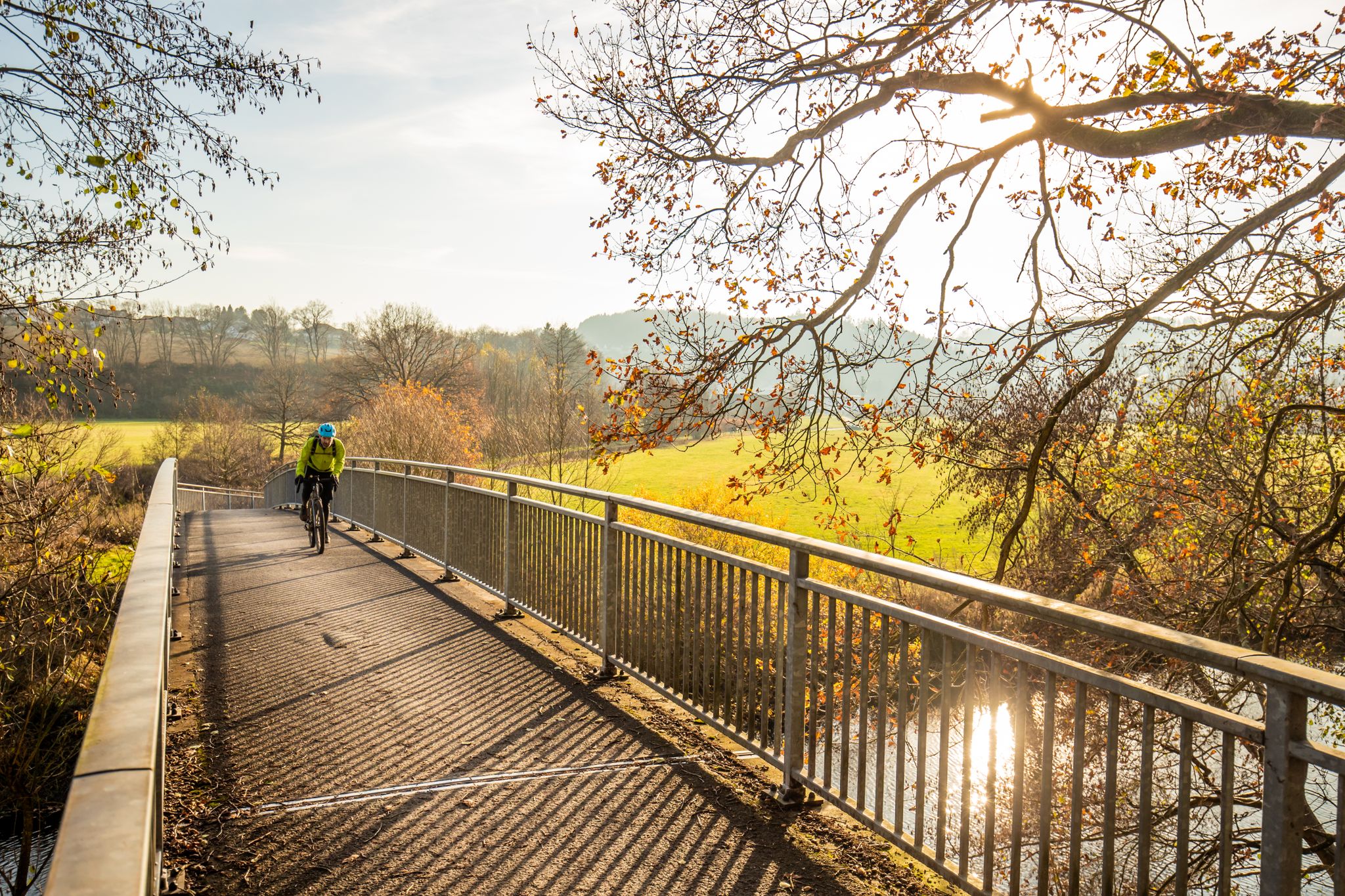
Ruhr Valley Gravel – rediscover the Ruhr Area in Germany
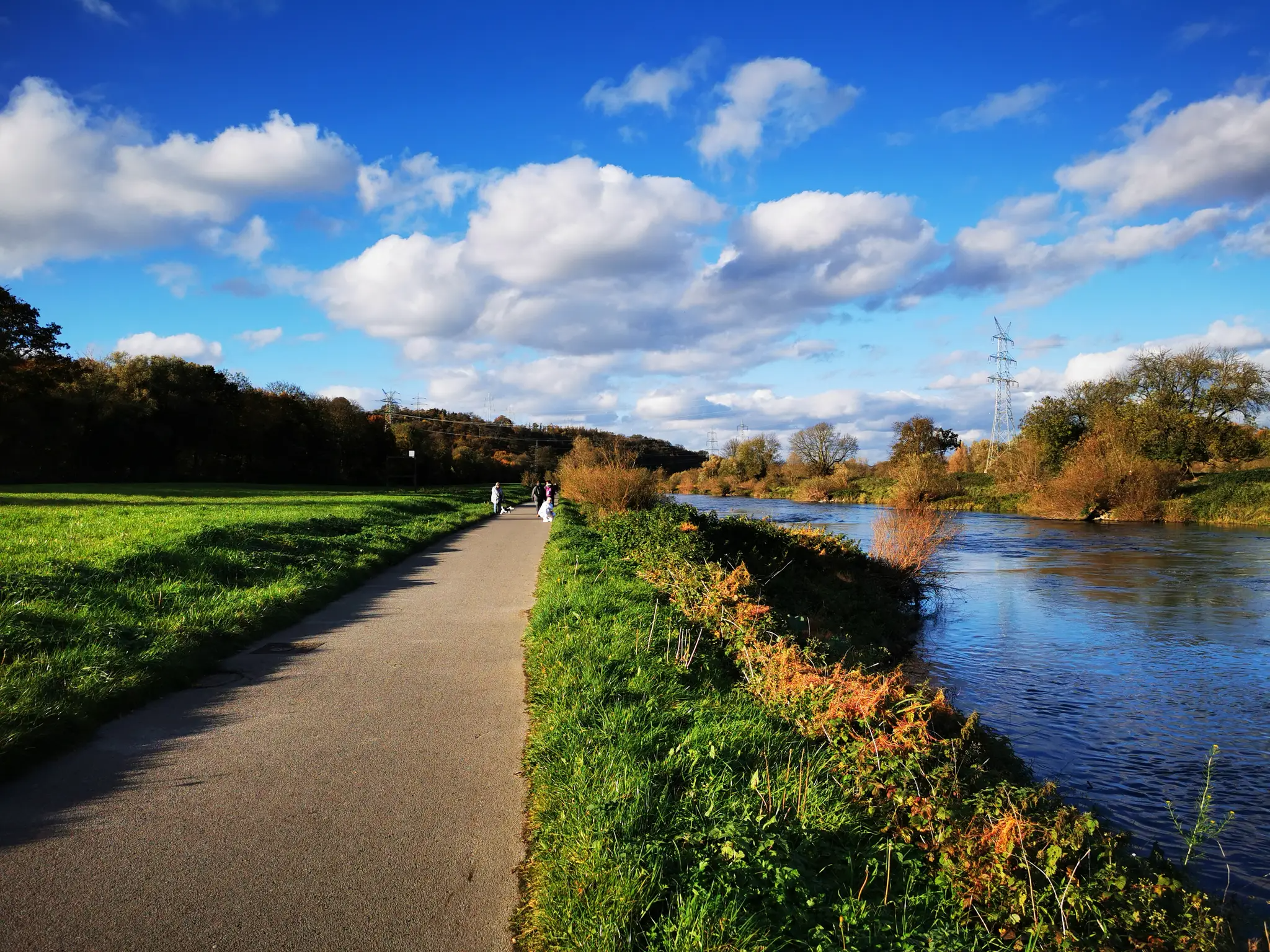
Ruhr Valley cycle path — 6 stages from Winterberg to the Rhine
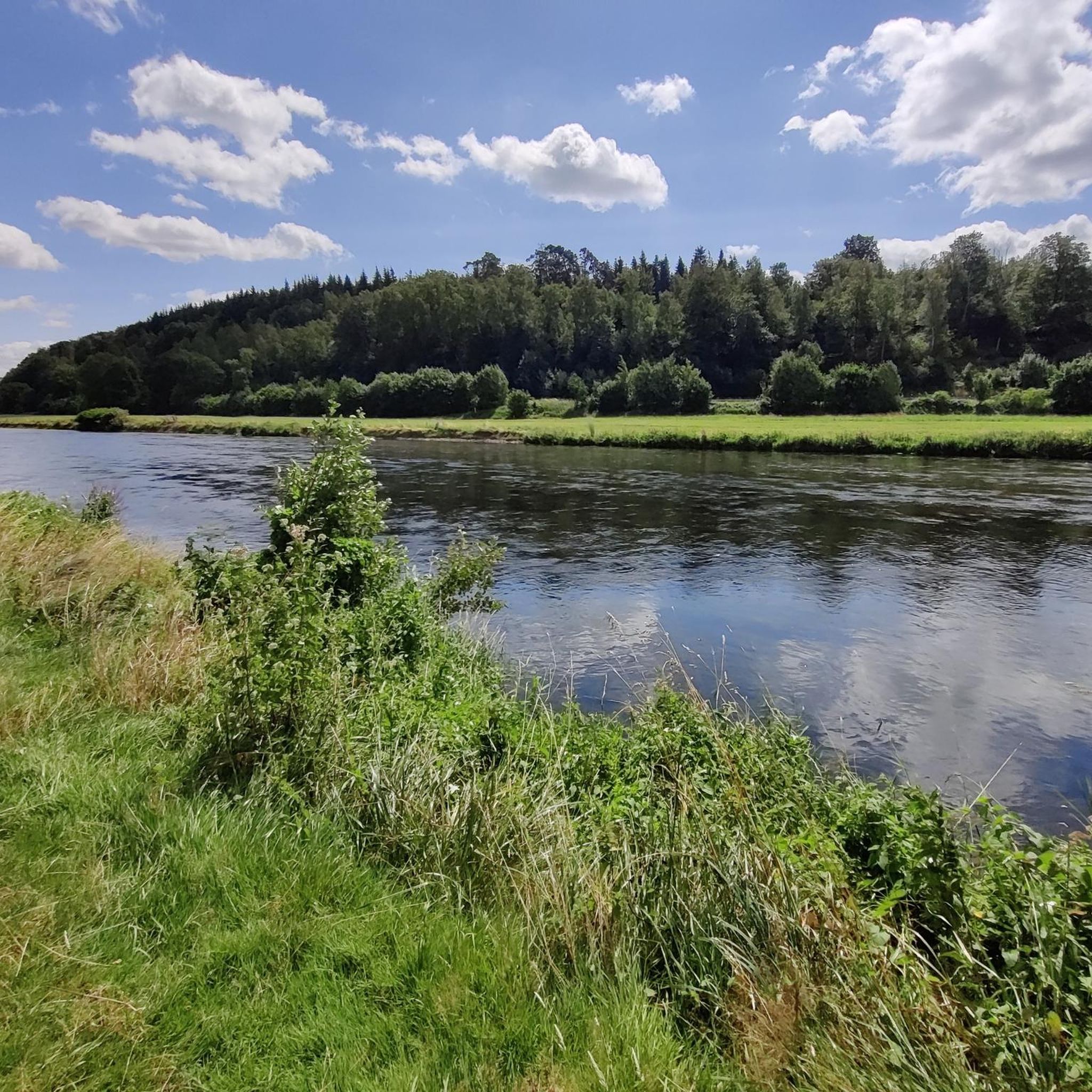
Cycling around Wickede (Ruhr)
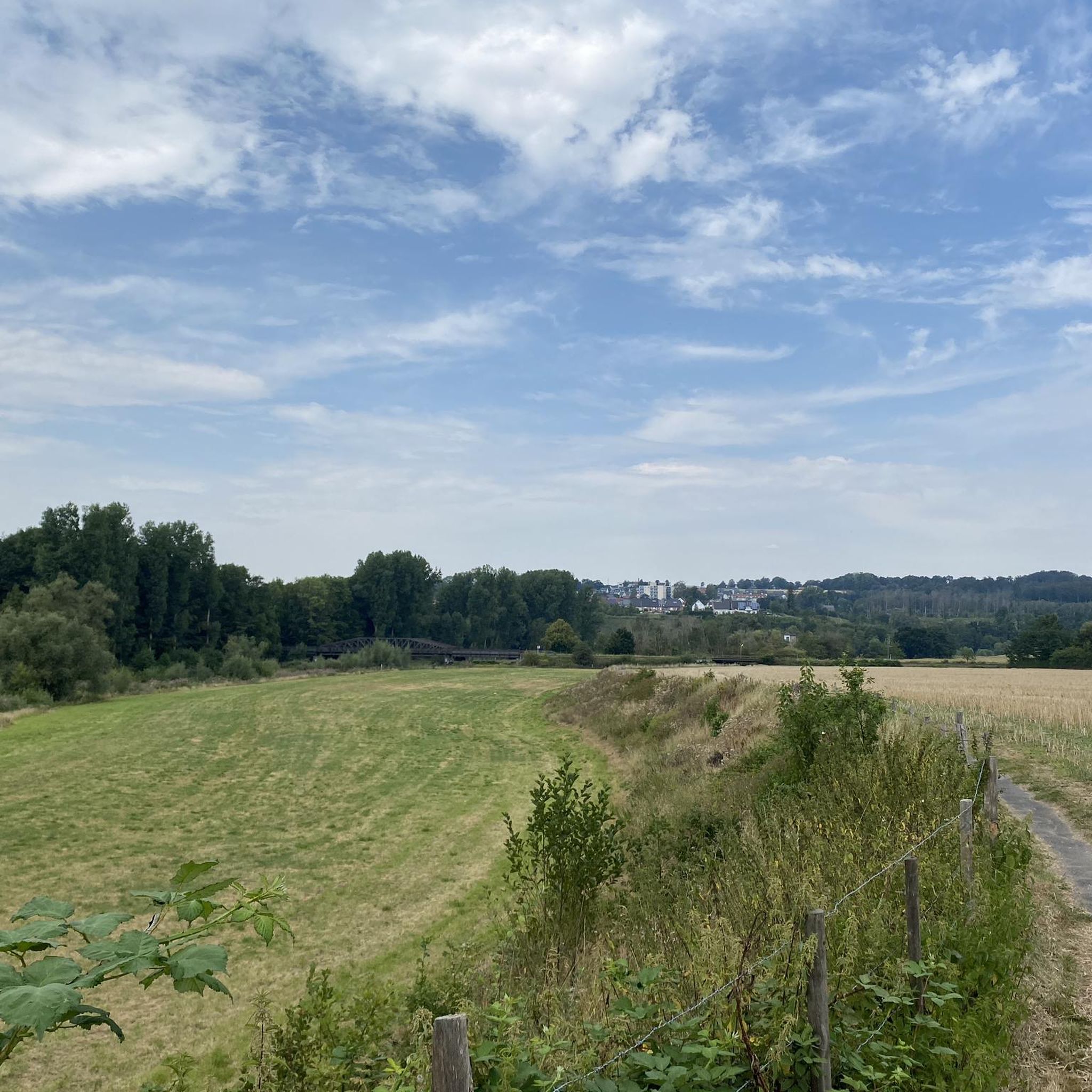
Hiking around Wickede (Ruhr)
Road Cycling Routes around Wickede (Ruhr)
MTB Trails around Wickede (Ruhr)
Running Trails around Wickede (Ruhr)

Gravel biking around Wickede (Ruhr)


Tips from the Community

Herdringen Castle The Herdringen manor was first documented in 1376. Until 1543, it belonged to the von Ketteler family, and thereafter to the von Westrem family. In 1618, the Prince-Bishop of Paderborn, Dietrich von Fürstenberg, purchased it and bequeathed it to his nephew. Since then, the estate has belonged to the Barons von Fürstenberg. The three-winged outer bailey was built between 1683 and 1723. The actual castle was built between 1844 and 1853 according to plans by Ernst Friedrich Zwirner. Zwirner, as an architect, also completed Cologne Cathedral. The castle chapel is therefore a reminder of this important building. One of the highlights of its almost 700-year history was the visit of the Prussian King Frederick William IV, who stayed at the castle in 1853. Even today, one of the halls bears the name "King's Hall." ...* * * * * * * * * * * * * * * * * * * * * * * * * * * * * * * ** ** ** ** ** ** ** ** ** ** *** *** *** *** After the occupation, the castle was leased to the Paderborn Diocesan Caritas Association from 1947 to 1968, and then to a private school operator until 1998. Since the turn of the millennium, the current owner, Baron Wennemar von Fürstenberg, has dedicated himself to the restoration of the property. For the past 20 years, the castle has served as an upscale event venue, hosting numerous weddings, concerts, conferences, and other events, all enjoying the exceptional ambiance of its beautiful historic rooms. Currently, the castle is only open by appointment. https://www.schloss-herdringen.de/
2
0

Haus Lohe, or Lohe Castle (Loe or Loh means "woodland," "small forest"), documented since 1281, originally belonged to the Cecilia Monastery in Cologne, which sold it to the knight Heinrich Wulf von Lüdinghausen in 1350. It remained in their possession until around 1700, then passed through marriage to the noble von Wrede family, and finally, in 1738, to the hereditary salt-making family von Papen. In two stages (1855 and 1885), they had the cathedral master builder of the Cologne Cathedral Workshop, Vincenz Statz, add a chapel and tower to a Baroque section and, by remodeling the entire complex, created a three-winged building in the Neo-Gothic style on an area of almost 700 square meters. Haus Lohe, with its ornamental former administrator's house and outbuildings, is located in the middle of a charming park-like area with ponds, moats, and lush trees. Today, it is owned by a private individual who had numerous apartments built in the castle. Several businesses and artists have set up shop in the outbuildings. https://www.westoennen.de/geschichte/rittergueter/
4
0

The ruins of Rodenburg Castle in Menden (Sauerland) were built in the middle of the 13th century by the knight Goswin von Menden, a vassal of the Archbishop of Cologne. Built between 1246 and 1248, the castle served at a strategically important point. As early as 1276, Goswin had to cede the castle and the bailiwick of Menden to the Archbishop. After a brief change of control to the Margraviate of Brandenburg, the complex was destroyed in 1301 by the troops of the Count of Mark and not rebuilt. Over the centuries, the ruins were forgotten and overgrown by the forest. Only during test excavations in 1939 and later excavations in the 1950s under the direction of Robert Frese, a school principal from Menden, were parts of the remains rediscovered and uncovered. Today, the ruins, which are an important testimony to this short period of rule, can be reached via a 20-minute walk from the city center (Rodenberg/Kapellenberg). The visit is free of charge.
0
0

I don't understand why this should be a road bike highlight 🤔 The path by the game reserve is a bumpy path, more for hikers or MTB/Gravel.
0
0

An hereditary salt-making farm in excellent condition. I liked the half-timbered house of the former estate administration the most. It is privately owned, and small information boards in front of the buildings shed light on its history.
4
0

The English landscape park around the castle is beautiful to look at from the outside. With a bit of luck, you can also see the wildlife that lives there. You can only enter the park and the castle by appointment or during events. You can find more information at https://www.schloss-herdringen.de/.
0
0

Due to the limited space, the manor house was rebuilt in the English Tudor style in the 1840s. The plans for the new building came from cathedral master builder Ernst Friedrich Zwirner. The blue-reddish stone blocks come from the nearby Effenberg quarry. Stone from Menden and Herdecke was used for the cornices and windows. The stones for the foundation and interior walls came from the Sternhelle quarry. The new building is built as an elongated square with an open courtyard. At the beginning of the 20th century, the Berlin architect Ernst von Ihne carried out extensive interior renovations and redesign. In 1853, the then Prussian King Friedrich Wilhelm IV visited the castle. In the 1960s, Herdringen Castle was the filming location and backdrop for the two Edgar Wallace films "The Black Abbot" and "The Forger of London". In 2008, the castle was used for filming the ZDF series "Krupp - A German Family". Today it is available as a venue for celebrations and company events. In addition, concerts are also held on the grounds. Fettes Brot, BAP, Roger Cicero, Die Fantastischen Vier and Atze Schröder have performed here, among others. The castle can only be visited by groups after prior registration. In 2022, the castle, together with its associated properties, was transferred to a cultural foundation. The castle is to be converted into a museum
0
0

The plane wreckage has now been cleared away. Measures are currently underway to make the castle and the art collection it houses accessible to the public.
0
0
Frequently Asked Questions
Can I visit all the castles and manor houses around Wickede (Ruhr)?
Many of the historical estates and manor houses in the Wickede (Ruhr) area, such as Haus Füchten and Gut Scheda, are privately owned. Public access is generally not possible or requires prior permission. However, you can often view them from the outside or from public paths.
Are there any castles or historical sites with public access or events?
While many sites are private, Herdringen Castle serves as an upscale event venue, hosting weddings, concerts, and conferences. Access is typically by appointment or during scheduled events. It's advisable to check their official website for current event schedules and visiting information.
What kind of historical sites can I expect to find in the Wickede (Ruhr) area?
The region features a variety of historical structures, including well-preserved manor houses like Lohe Manor, former fortified sites, and even the remains of ancient structures. These sites offer a glimpse into the architectural evolution and local heritage of the Ruhr valley.
Are there any ancient ruins or fortifications to explore?
Yes, you can find the remains of Holzwallburg Ruins in NSG Ostholzbachtal, which was a former hillfort. Today, only stone remains and a mound are visible, but it represents an important historical site. Another example is Burg Hünenknüfer, where only stone remains and a mound are visible, offering a look into the region's ancient past.
What outdoor activities can I combine with a visit to these historical sites?
The area around Wickede (Ruhr) is excellent for outdoor activities. You can find numerous routes for hiking, mountain biking, and road cycling. For example, there are many hiking trails, MTB trails, and road cycling routes that pass by or near these historical locations, allowing you to enjoy both nature and history.
Are there hiking trails near these historical sites?
Absolutely. Many historical sites are integrated into the local trail network. For instance, Haus Füchten is located directly on the Ruhr Valley cycle path, and the area around Holzwallburg Ruins offers fine trails. You can find various hiking routes in the region, ranging from easy to difficult.
Can I cycle to these castles or manor houses?
Yes, several historical sites are accessible by bike. Haus Füchten Manor is conveniently located directly on the Ruhr Valley cycle path. The region offers many road cycling and MTB routes that allow you to explore the area's history on two wheels.
What is special about Haus Füchten Manor?
Haus Füchten Manor is a historical site with a rich past, replacing an earlier castle from 1298. It has served various purposes, including an agricultural school and a rehabilitation center. Today, after extensive renovation, it hosts concerts and cultural events in its richly decorated hall, and its chapel is used for services and weddings. It's also known for the annual Füchten procession.
When is the best time of year to visit the historical sites around Wickede (Ruhr)?
The historical sites and surrounding natural areas are enjoyable throughout the year. Spring and autumn offer pleasant temperatures for outdoor activities like hiking and cycling. Summer allows for longer days and warmer weather, while winter can provide a unique, tranquil atmosphere, though access to some private properties remains limited regardless of the season.
Is parking available at these historical sites?
Parking availability varies by site. For privately owned estates like Haus Füchten or Gut Scheda, designated public parking might not be directly available on the premises. However, you can often find public parking in nearby towns or trailheads that provide access to paths leading past these sites.
Are there places to eat or stay near the castles?
While the historical sites themselves may not offer direct accommodation or dining, the town of Wickede (Ruhr) and surrounding communities provide various cafes, pubs, and accommodation options. You can find places to refresh and stay within a short distance, especially along popular routes like the Ruhr Valley cycle path.
Are there any lesser-known historical sites worth exploring?
Beyond the more prominent manors, the region holds sites like Gut Scheda, a former Premonstratensian monastery, now a private estate. While not publicly accessible, its historical significance and transformation into a manor house offer a fascinating glimpse into local heritage. The remains of Burg Hünenknüfer also provide a unique, less-visited historical perspective.
What do visitors enjoy most about the historical sites around Wickede (Ruhr)?
Visitors appreciate the blend of history and nature. Many enjoy the beautiful views of the Ruhr meadows from places like Haus Füchten and the opportunity to explore the architectural styles of the manor houses. The integration of these sites with hiking and cycling trails also makes them popular for active exploration.
Most popular routes around Wickede (Ruhr)
Most popular attractions around Wickede (Ruhr)

Get inspired with the komoot mobile app


Explore more
Looking for the best castles somewhere else? Discover other guides around Wickede (Ruhr):
