The best cycling routes around Fânzeres
4.4
(340)
3,505
riders
136
rides
Touring cycling around Fânzeres features a diverse landscape, characterized by river valleys such as the Couce and Ferreira, alongside elevated areas like Monte de Santa Justa. The region includes routes that traverse both natural settings and urban riverfronts, offering varied terrain for cyclists. Hilly terrain is common, with some routes featuring significant climbs and panoramic views.
Best touring cycling routes around Fânzeres
- The most popular touring cycling route is View of the Couce Valley – Ferreira River in the Couce…
Last updated: October 8, 2026
1
riders
Hard bike ride. Very good fitness required. Mostly paved surfaces. Suitable for all skill levels.
4.4
(5)
66
riders
30.0km
01:56
300m
300m
Moderate bike ride. Good fitness required. Mostly paved surfaces. Suitable for all skill levels.

4.5
(4)
53
riders
22.9km
01:29
180m
180m
Moderate bike ride. Good fitness required. Mostly paved surfaces. Suitable for all skill levels.
42
riders
46.8km
04:23
1,000m
1,000m
Hard bike ride. Very good fitness required. Mostly paved surfaces. Suitable for all skill levels.
5.0
(2)
27
riders
17.4km
01:05
100m
100m
Easy bike ride. Great for any fitness level. Mostly paved surfaces. Suitable for all skill levels.
Get access to more routes and recommendations from other explorers.
Already have an account?
Our route recommendations are based on thousands of hikes, rides, and runs completed by other people on komoot.
Start today with a free account
Your next adventure awaits.

Tips from the Community

The Douro River Ferry is a fast, scenic, and comfortable way to cross the Douro River between Porto and Vila Nova de Gaia, ideal for those who want to avoid the Dom Luís I Bridge or simply enjoy a river crossing with spectacular views.
14
1

The National Press, Newspaper and Printing Museum, inaugurated in 1997, is the only one of its kind on the entire Iberian Peninsula.
1
0

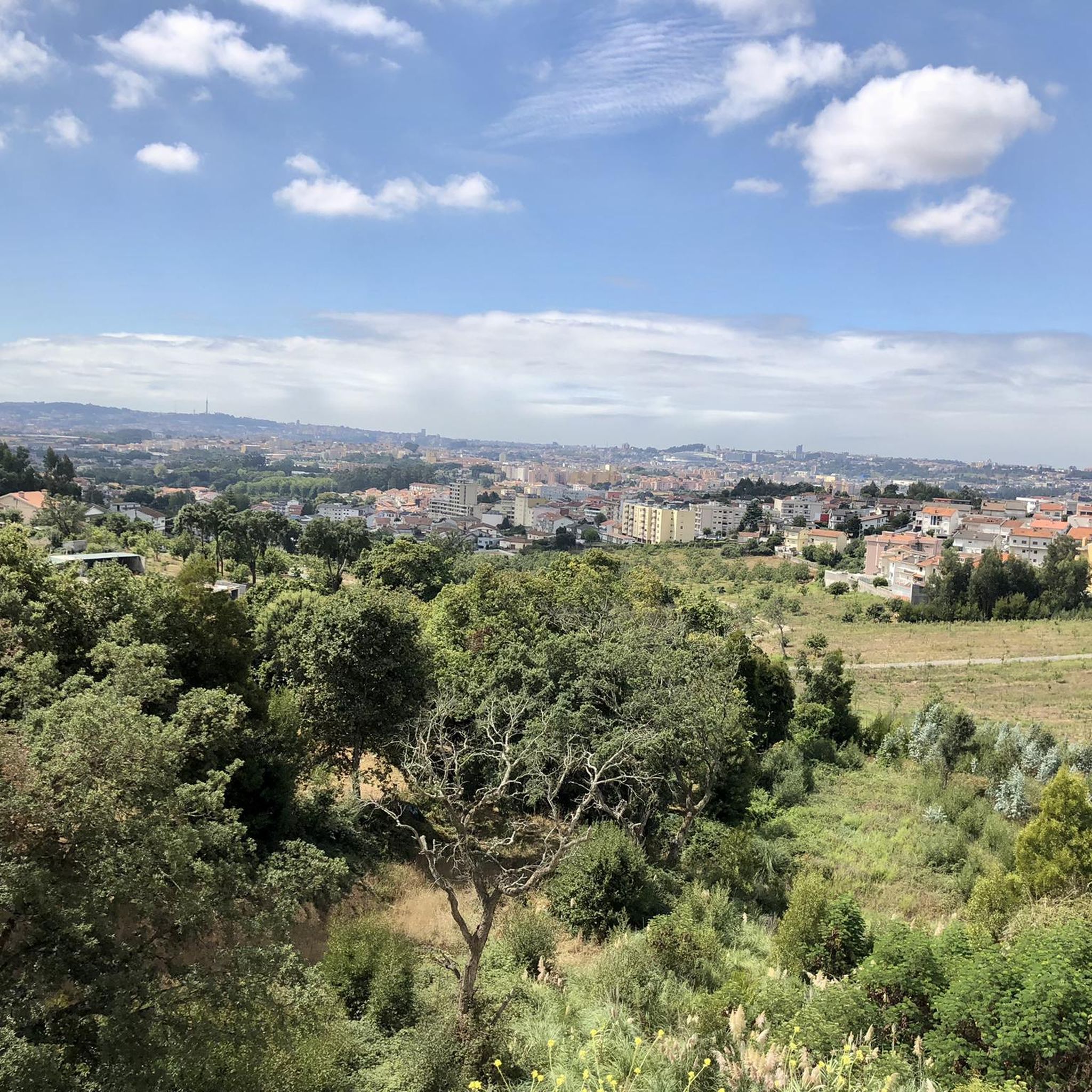
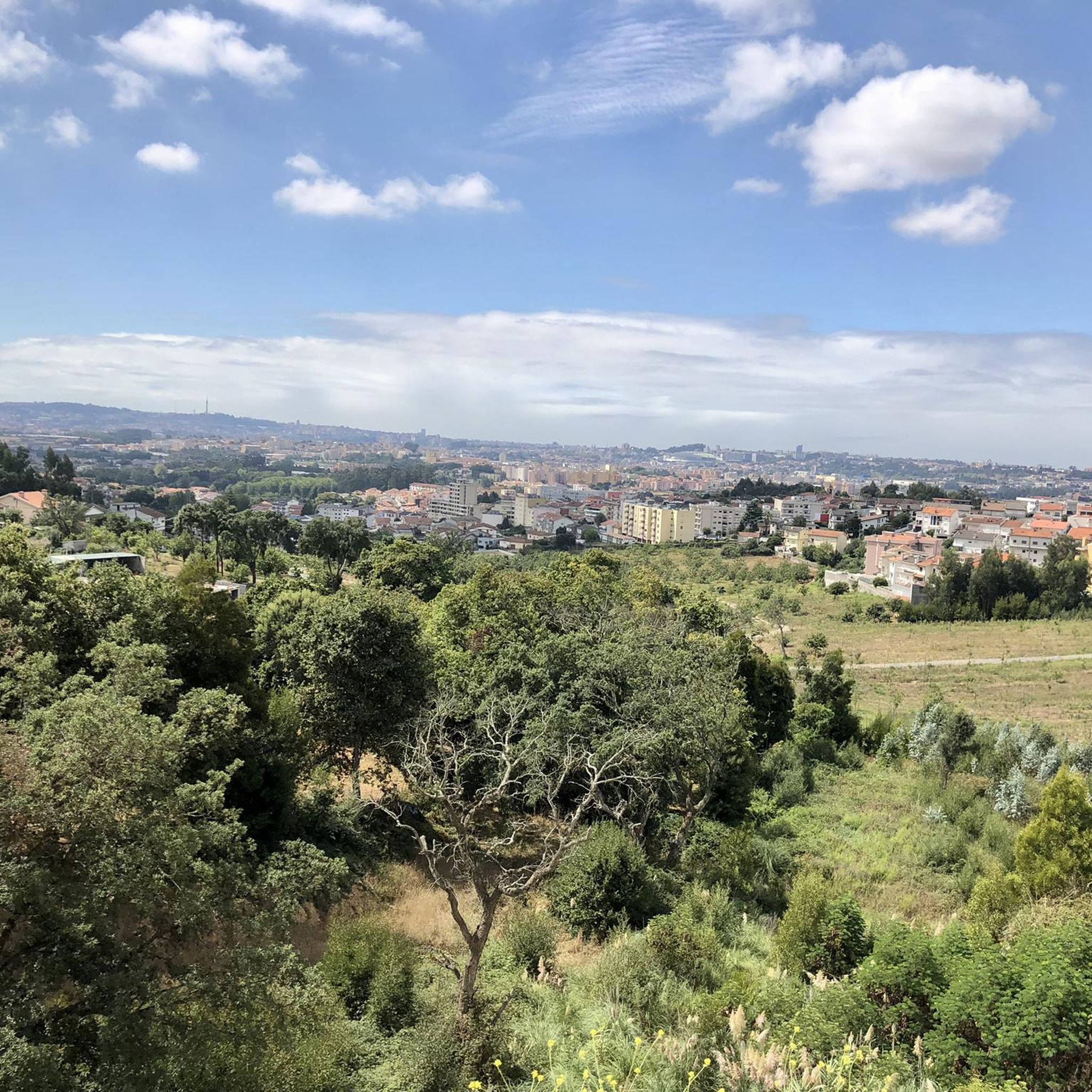
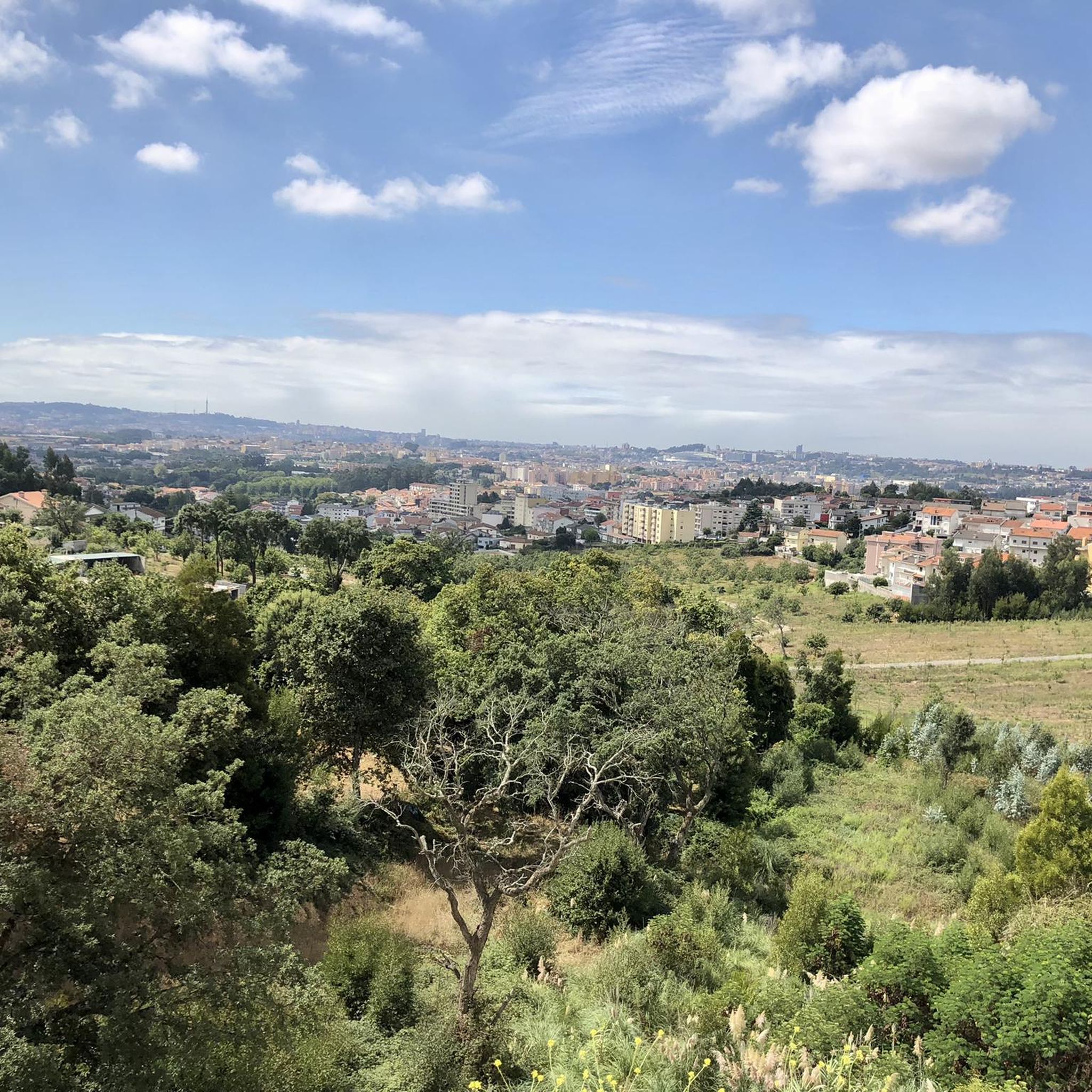
At the top of Mount Santa Justa, the highest point of the Serra de Santa Justa and the Valongo Massif, there is a beautiful view.
0
0

The Ferreira River is a tributary of the Tâmega River in northern Portugal. Its course runs through valleys and rural landscapes, also powering some small hydroelectric power plants. Here you can cycle in complete tranquility immersed in nature.
0
0


The short crossing costs 3.50 € per person 04.2025
3
1

At this point, the landscape reveals two distinct worlds: on one side, the view extends over the Greater Porto and the coastline that stretches out on the horizon; on the other, the peaceful valley of the River Ferreira, where the village of Couce preserves its rural charm. A fascinating contrast that accompanies the trail.
2
0
Frequently Asked Questions
What kind of terrain can I expect when touring cycling around Fânzeres?
Touring cycling around Fânzeres offers a diverse landscape. You'll encounter river valleys, such as the Couce and Ferreira, alongside elevated areas like Monte de Santa Justa. Routes often traverse both natural settings and urban riverfronts, with elevation changes being common, including some significant climbs.
Are there touring cycling routes suitable for beginners in Fânzeres?
Yes, Fânzeres offers a variety of routes, including over 20 easy touring cycling options. These routes are generally less demanding in terms of elevation and distance, making them suitable for those new to touring cycling or looking for a more relaxed ride.
Are there challenging touring cycling routes for experienced cyclists in Fânzeres?
Absolutely. For experienced touring cyclists seeking a challenge, Fânzeres has over 70 difficult routes. These often feature significant elevation gains and longer distances, such as the Sanatorium Chapel – Ferreira River in the Couce Valley loop from Fânzeres, which covers 43.5 km with over 850 meters of ascent.
Are there any circular touring cycling routes in Fânzeres?
Many of the touring cycling routes in Fânzeres are designed as loops, allowing you to start and end at the same point. An example is the moderate View of the Bridges of Porto – Dom Luís I Bridge loop from Fânzeres, which offers scenic views of Porto's iconic bridges.
What natural sights can I explore along touring cycling routes in Fânzeres?
While cycling in Fânzeres, you can discover several natural monuments and green spaces. Consider visiting the Infante Dom Henrique Garden or the beautiful Gardens of the Crystal Palace. Some routes also pass by the Bird Observatory, offering opportunities for nature observation.
What cultural landmarks or attractions can I visit while cycling in Fânzeres?
Fânzeres' proximity to Porto means you can incorporate cultural landmarks into your rides. You might cycle past the iconic Dom Luís I Bridge, the historic Praça da Sé ⛪ Porto Cathedral, or the picturesque Ribeira Promenade along the Douro River. The São Bento Station, known for its azulejo tiles, is also a notable sight.
When is the best time of year for touring cycling in Fânzeres?
The best time for touring cycling in Fânzeres is generally during the spring (April to June) and autumn (September to October). During these months, the weather is typically mild and pleasant, with less rain and comfortable temperatures, making for ideal cycling conditions. Summers can be hot, and winters can be wet.
What do other cyclists say about touring cycling in Fânzeres?
The touring cycling routes around Fânzeres are highly regarded by the komoot community, with an average rating of 4.5 stars from over 350 reviews. Cyclists often praise the varied terrain, the scenic river valleys, and the opportunities to combine natural beauty with urban exploration.
Are there places to stop for refreshments or food along the touring cycling routes?
Yes, many routes in and around Fânzeres pass through or near towns and villages where you can find cafes, restaurants, and local shops to refuel. Especially on routes that venture towards Porto's urban areas, there are ample opportunities for refreshments.
Is parking available near the touring cycling routes in Fânzeres?
Parking availability varies depending on your starting point. In Fânzeres itself, you can often find street parking or designated parking areas. For routes starting closer to Porto, public parking garages are available, though they may incur a fee. It's advisable to check specific starting points for the best parking options.
Can I reach the touring cycling routes in Fânzeres by public transport?
Fânzeres is well-connected by public transport, particularly with Porto. The Porto Metro's Line F (Orange Line) serves Fânzeres, making it accessible for cyclists who wish to start their routes from the area without driving. Check the local transport provider's rules regarding bicycles on trains or buses.
Most popular routes around Fânzeres
Most popular attractions around Fânzeres

Get inspired with the komoot mobile app


Explore more
Browse the best Cycling routes in other regions.
