Attractions and Places To See around Folgosa - Top 20
Best attractions and places to see around Folgosa, a village in northern Portugal, include a blend of historical sites and natural landscapes. The area is characterized by rolling hills and dense forests, offering a picturesque setting. Its location in the Douro Valley provides access to a range of cultural and historical experiences. Folgosa is a destination for those interested in history, nature, and outdoor activities.
Best attractions and places to see around Folgosa
- The most popular attractions is Suspended Bridge at Parque das Serras do Porto, a bridge that emerges from the forest, offering views of the small valley. It provides views over the Ferreira River.
- Another must-see spot is Mosteiro de Leça do Balio, a religious building and fortified structure built on the site of a Roman temple. It is classified as a national monument and has undergone expansions and renovations.
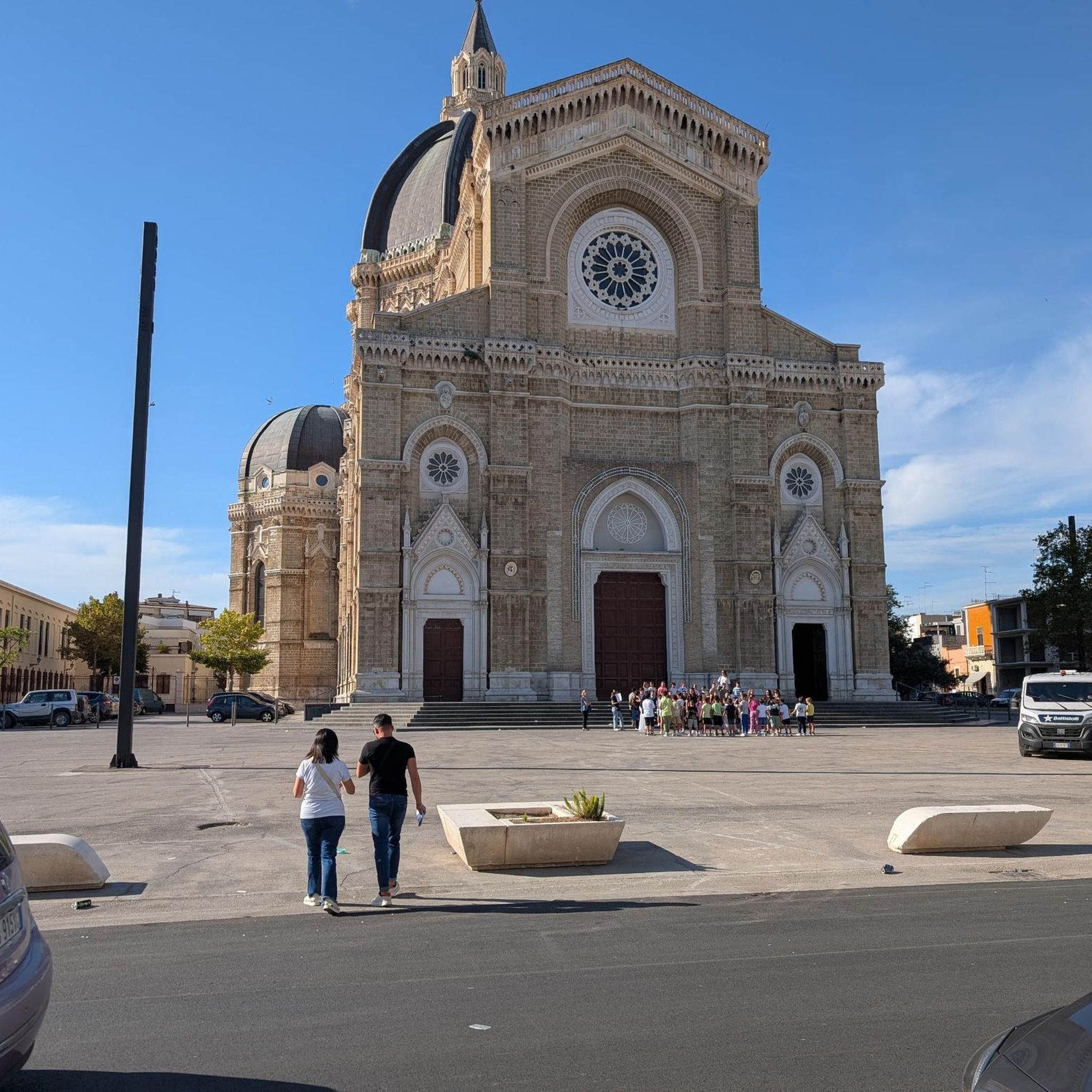
- Visitors also love Monastery of Saint Benedict, Santo Tirso, a religious building founded in 978 and classified as a National Monument. This monastery was one of the most powerful in Portugal.
- Folgosa is known for religious buildings, historical sites, and natural features like rivers. There is a variety of attractions to see and explore, including man-made monuments and trails.
- The attractions around Folgosa are appreciated by the komoot community, with 18 upvotes and 7 photos shared by visitors.
Last updated: October 18, 2026
Monastery of Saint Benedict, Santo Tirso
Highlight • Religious Site
Translated by Google •
Tip by

ProjetoPEDAL Short Track Circuit
Highlight • MTB Park
The route is the usual place for classes/training at Projetopedal academy.
It is precisely Academia do Projetopedal that designed, built and maintains this small circuit, implemented in municipal and private land, between the soccer field of Desportivo do Leça do Balio and the corridor of Rio Leça.
The route is mostly signposted with small signs indicating orientation and changes in direction.
If you liked the trail and would like to help maintain it, please get in touch with Projetopedal.com.
Translated by Google •
Tip by

Sign up now to discover places like this
Get recommendations on the best single tracks, peaks, & plenty of other exciting outdoor places.
Sacred Heart of Jesus Church
Highlight • Religious Site
Translated by Google •
Tip by

Suspended Bridge at Parque das Serras do Porto
Highlight • Bridge
Translated by Google •
Tip by

Mosteiro de Leça do Balio
Highlight • Religious Site
Translated by Google •
Tip by
Sign up for free to discover even more attractions around Folgosa.
Already have an account?
Start today with a free account
Your next adventure awaits.


Tips from the Community

Is there an entrance fee for the park?
0
0

Nearby Tourist Attractions Ave Riverbank Promenade: A riverside walkway, ideal for relaxing strolls. Monte Padrão Hillfort: Ancient ruins for those interested in history and archaeology.
1
0
Highlights and Architecture Main Church: Built between 1659 and 1679, the monastery church is an imposing example of local religious architecture. Cloisters: The monastery has serene cloisters, one of which still displays a Gothic sculpture of the Virgin and Child in one of the corners. Cloister Fountain: In the center of the cloister stands a slender granite fountain with a polylobed basin, dating from 1649. Style: Over the centuries, the monastery has been rebuilt, combining Baroque and Neoclassical elements.
1
0
Opening Hours and Visits The monastery is open for visits, but guided tours of the cloisters and other areas (besides the church) generally require prior booking by telephone with the Santo Tirso City Hall office. General Hours (Church): Daily (Monday to Sunday): 08:00–12:00 and 15:00–19:00. Accessibility: The entrance and parking are wheelchair accessible.
1
0
The Monastery of São Bento, also known as the Monastery of Santo Tirso, is located on the left bank of the Ave River, in the city of Santo Tirso, Portugal. Founded in 978, it belonged to the Benedictine Order and was one of the most powerful monasteries in Portugal. Currently, it is classified as a National Monument.
1
0

Carvalhido Church is a historical and cultural treasure of Porto, keeping the spirit of the 19th century alive. Its exterior, lined with the typical blue tiles that characterize the city's landscape, invites you to immerse yourself in the past. Inside, elegant arches, imposing vaults, and delicate decoration devoutly reflect the religious traditions of bygone times.
3
1

A very beautiful and simple church. Take your time and look inside.
1
1

Beautiful suspension bridge over mountain river
0
1
Frequently Asked Questions
What historical and cultural sites can I explore near Folgosa?
Folgosa and its surroundings are rich in history. You can visit the Monastery of Saint Benedict, Santo Tirso, a powerful Benedictine monastery founded in 978 and classified as a National Monument. Another significant site is the Mosteiro de Leça do Balio, a fortified religious building on the site of a Roman temple, also a national monument. Additionally, the region boasts an ancient castle overlooking the village, 16th-century Church of St. Mary, and 18th-century Convent of Our Lady of Conception.
Are there any family-friendly attractions around Folgosa?
Yes, there are several family-friendly options. The ProjetoPEDAL Short Track Circuit is designed for mountain biking initiation and development, suitable for families. The Cruzeiro do Padrão da Légua, an ancient 17th-century sculpture of Christ on the cross, is also considered family-friendly and offers a glimpse into local religious heritage.
Where can I find scenic viewpoints or natural features near Folgosa?
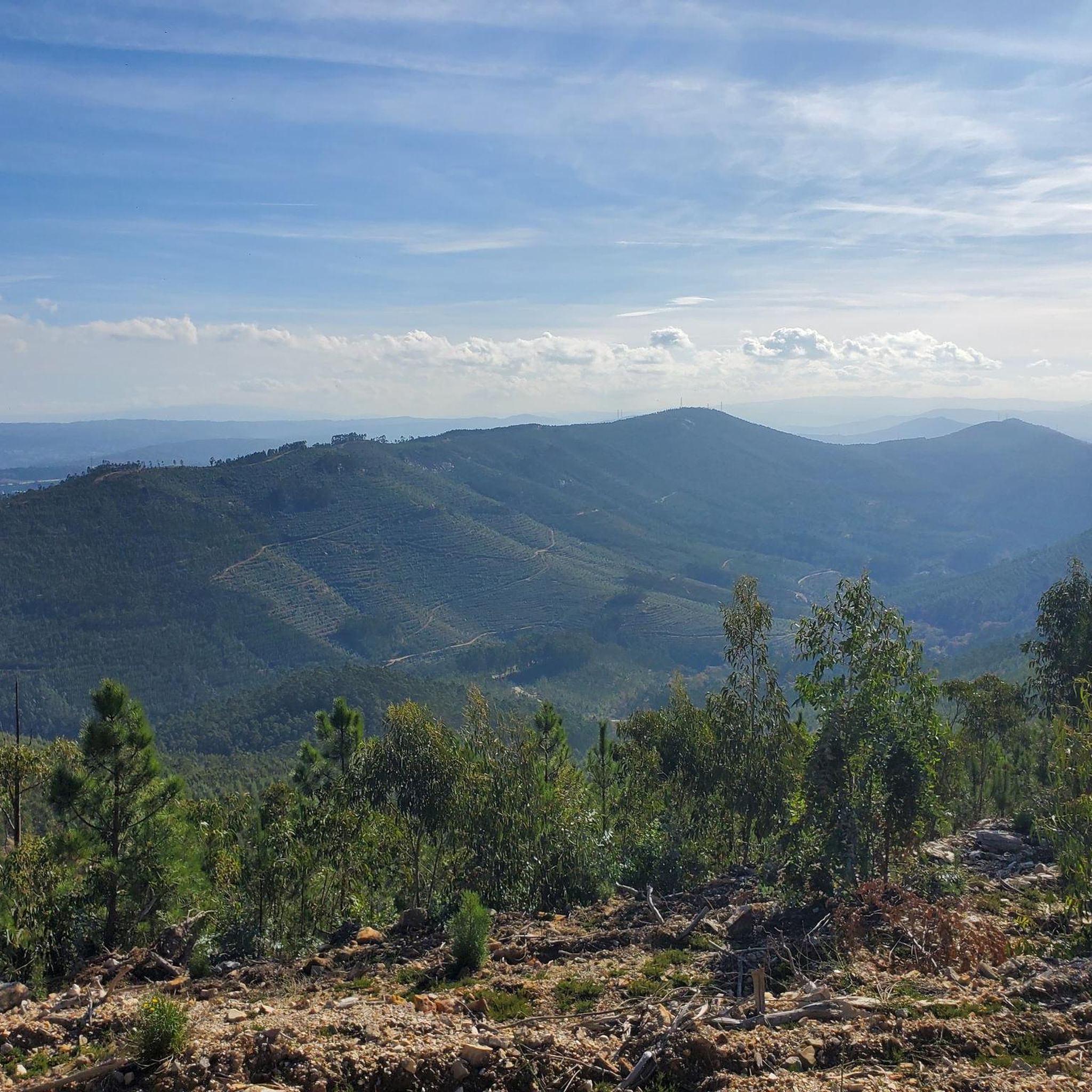
The area around Folgosa is known for its natural beauty. The Suspended Bridge at Parque das Serras do Porto offers stunning views of a small valley over the Ferreira River. The village itself is surrounded by rolling hills and dense forests, providing picturesque settings for nature appreciation and bird watching.
What kind of hiking opportunities are available near Folgosa?
Folgosa is an excellent base for hiking. The surrounding rolling hills and forests offer numerous trails and paths. For easy walks, you can explore routes like the 'Poço Azul loop from Valongo' or the 'Parque da Cidade de Famalicão loop from Santo Tirso'. You can find more easy hiking options in the Easy hikes around Folgosa guide.
Are there mountain biking trails in the Folgosa area?
Yes, mountain biking enthusiasts will find options near Folgosa. The ProjetoPEDAL Short Track Circuit is a dedicated route for mountain biking. For more extensive trails, you can check out the MTB Trails around Folgosa guide, which includes routes like the 'Downhill Trail With Jumps – Alvarelhos Hillfort loop from Ermesinde'.
What are the options for road cycling near Folgosa?
Road cyclists can enjoy the scenic routes around Folgosa. There are various options, including longer rides like 'Along the Leça River – Vizela Castle loop from Ermesinde' or 'Chapel of São Brás – Pedestrian Bridge over the Ave River loop from São Romão'. Discover more routes in the Road Cycling Routes around Folgosa guide.
What do visitors particularly enjoy about the attractions around Folgosa?
Visitors appreciate the blend of historical depth and natural beauty. The Suspended Bridge at Parque das Serras do Porto is noted for its 'stunning view of the small valley'. Historical sites like the Monastery of Saint Benedict are valued for their architectural significance and rich past. The community has shared 7 photos and given 18 upvotes, highlighting the visual appeal and engaging experiences.
What is the best time of year to visit Folgosa for outdoor activities?
The region's climate is generally mild, making it suitable for outdoor activities for much of the year. Spring and autumn typically offer pleasant temperatures for hiking, cycling, and exploring historical sites without the intense heat of summer or the chill of winter. These seasons also showcase the lush landscapes at their best.
Are there any water-related attractions or activities near Folgosa?
Yes, the area around Folgosa features rivers and lakes that cater to water-based activities. The Suspended Bridge at Parque das Serras do Porto crosses the Ferreira River, offering views of the waterway. Nearby rivers and lakes are suitable for fishing and various water sports, providing a refreshing option for visitors.
Can I find ancient monuments or religious structures in the area?
Absolutely. Folgosa is home to several significant ancient and religious structures. Besides the prominent Monastery of Saint Benedict, Santo Tirso and Mosteiro de Leça do Balio, you can also visit the Cruzeiro do Padrão da Légua, a 17th-century stone cross. The region also features an ancient castle, the 16th-century Church of St. Mary, and the 18th-century Convent of Our Lady of Conception, all showcasing the area's deep historical and religious roots.
Is Folgosa a good base for exploring the wider Douro Valley region?
Yes, Folgosa's location in the northern region of Portugal provides easy access to the wider Douro Valley. While enjoying Folgosa's local charm, you can also plan excursions to the famous vineyards of the Douro Valley or visit historic cities like Porto, Aveiro, Guimarães, and Braga, which are all within reach and offer distinct cultural and historical experiences.
Most popular attractions around Folgosa

Get inspired with the komoot mobile app


Explore more
Still not found the Highlight you’re looking for? See guides of the top attractions in other regions:
