Attractions and Places To See around Leça Do Balio - Top 20
Best attractions and places to see around Leça Do Balio include a blend of historical landmarks, cultural sites, and natural features. Located in the municipality of Matosinhos, this area offers diverse opportunities for exploration. Visitors can discover ancient monasteries, medieval bridges, and serene river paths. The region provides a setting to engage with history and enjoy outdoor activities.
Best attractions and places to see around Leça Do Balio
- The most popular attractions is Ribeira Promenade along the Douro River,…
Last updated: July 1, 2026
Dom Luís I Bridge
Highlight • Bridge
Translated by Google •
Tip by

Praça da Sé ⛪ Porto Cathedral
Highlight • Religious Site
Translated by Google •
Tip by

Sign up now to discover places like this
Get recommendations on the best single tracks, peaks, & plenty of other exciting outdoor places.
Sign up for free
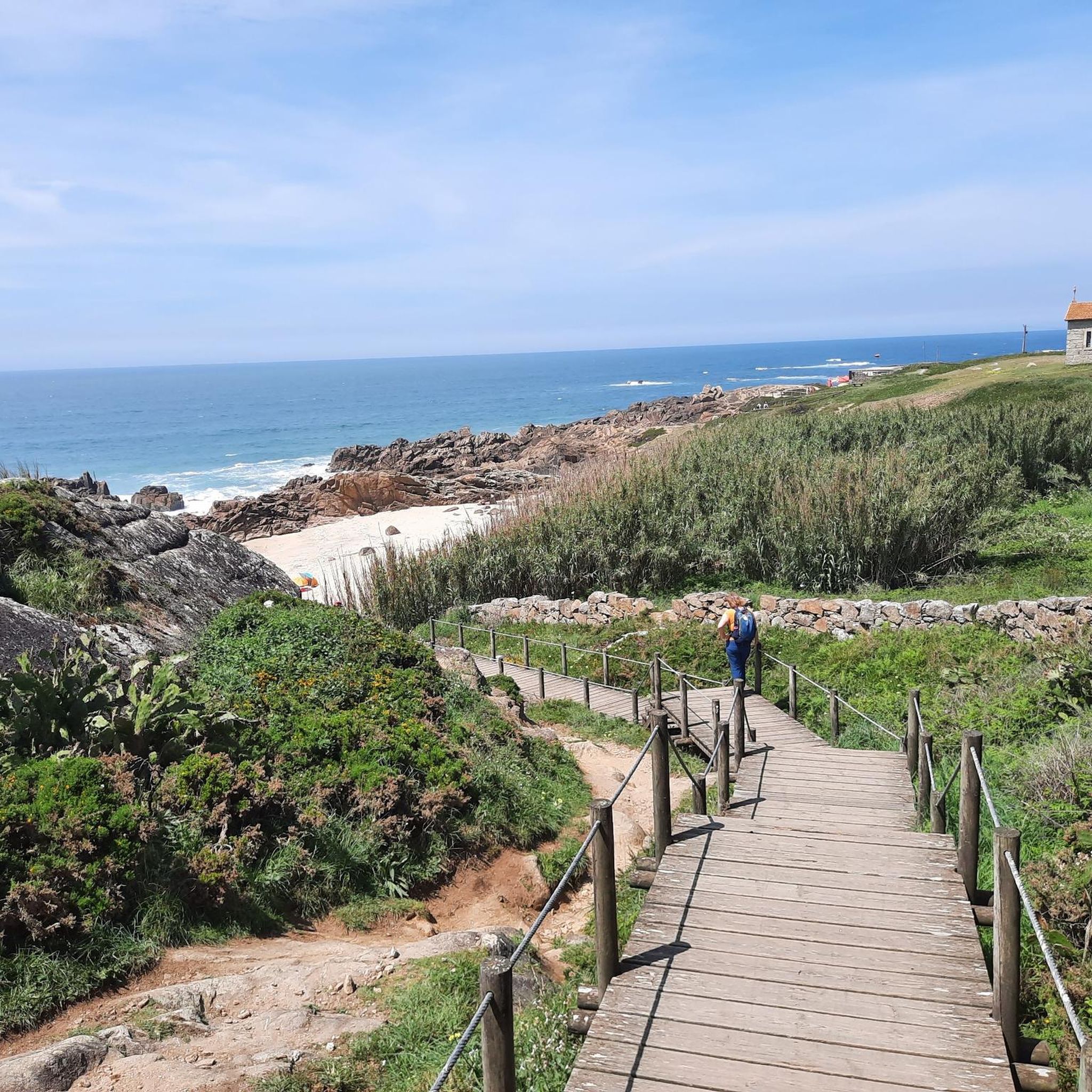
Wooden Walkway Along the Portuguese Coastal Way
Highlight • Trail
Tip by

Ribeira Promenade along the Douro River
Highlight • Trail
Translated by Google •
Tip by
São Bento Station
Highlight • Historical Site
Translated by Google •
Tip by
Sign up for free to discover even more attractions around Leça Do Balio.
Sign up for free
Already have an account?
Start today with a free account
Your next adventure awaits.
Login or Signup
Tips from the Community

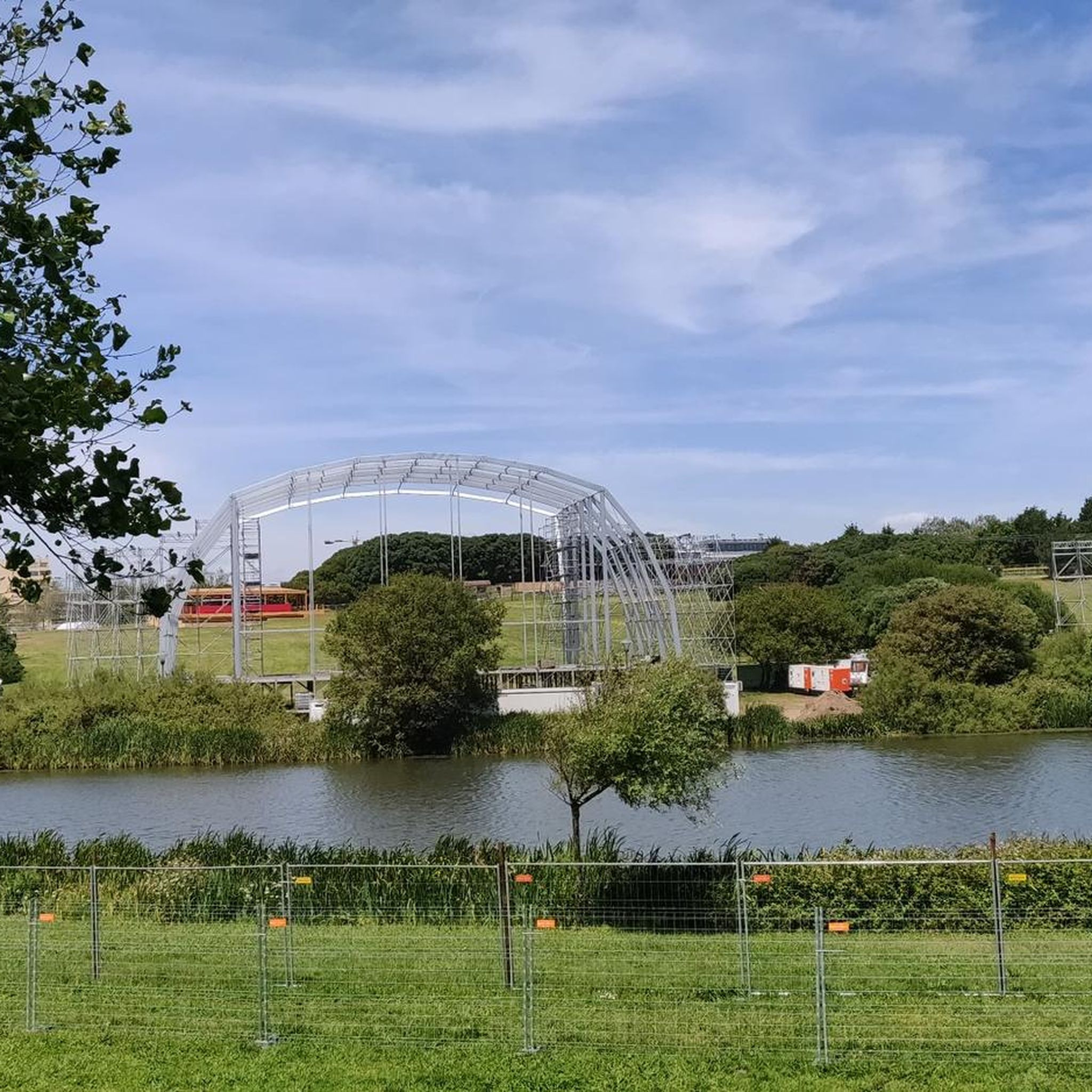
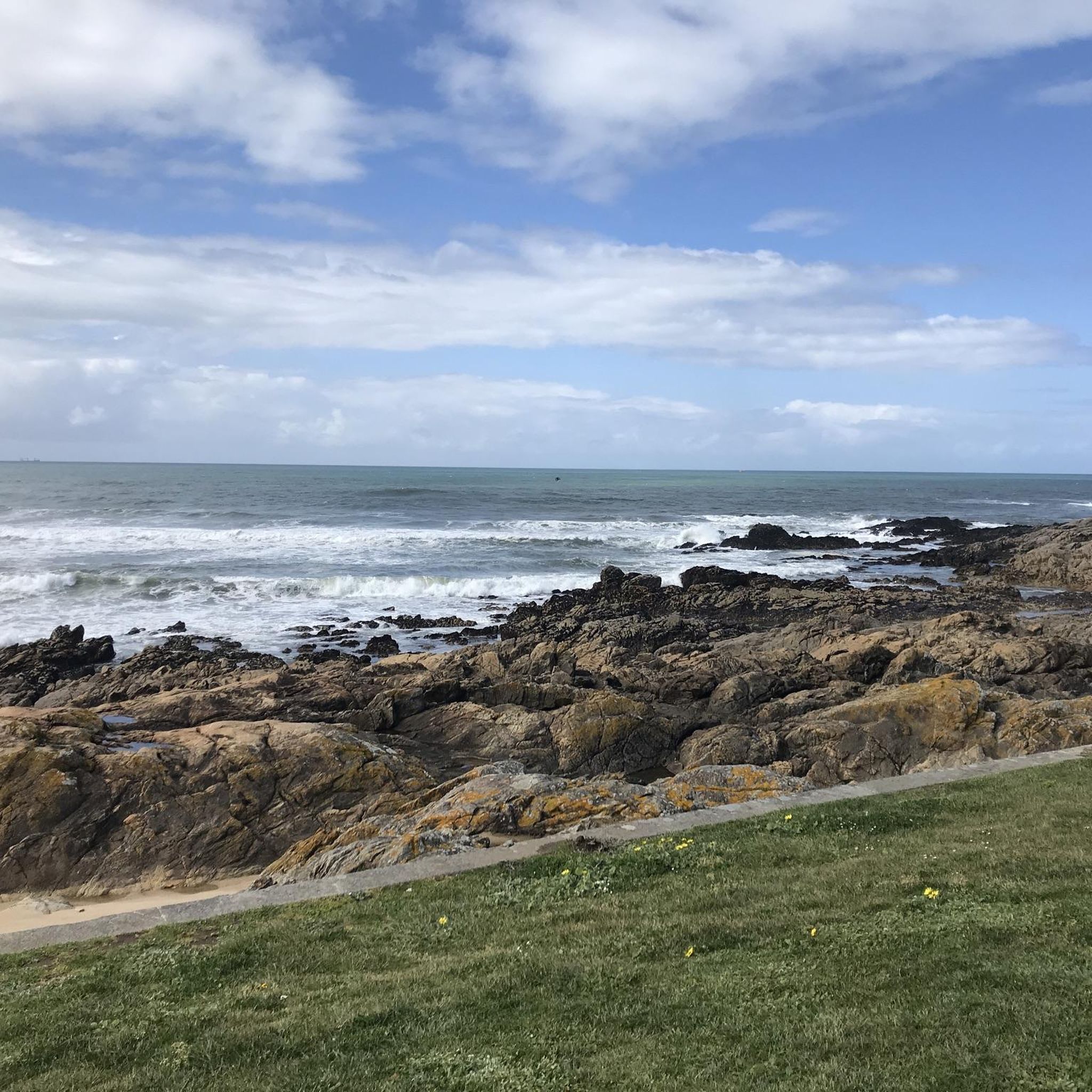
The walkways through the dunes between Agudela and Lavra, also known as the Passadiço das Dunas de Lavra, are part of a network of coastal trails in northern Portugal that allow visitors to explore the coastline in a comfortable and environmentally friendly way.
1
0

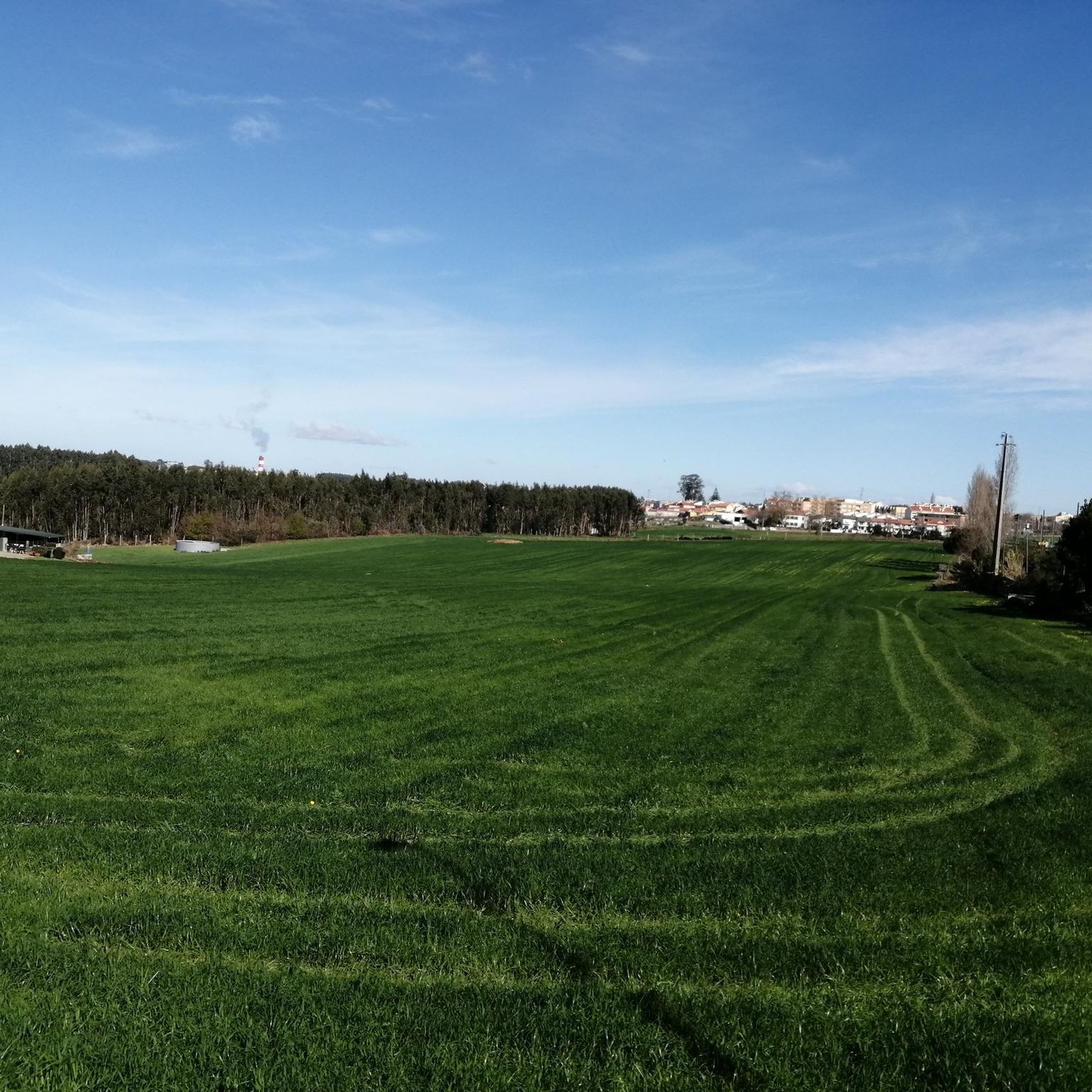
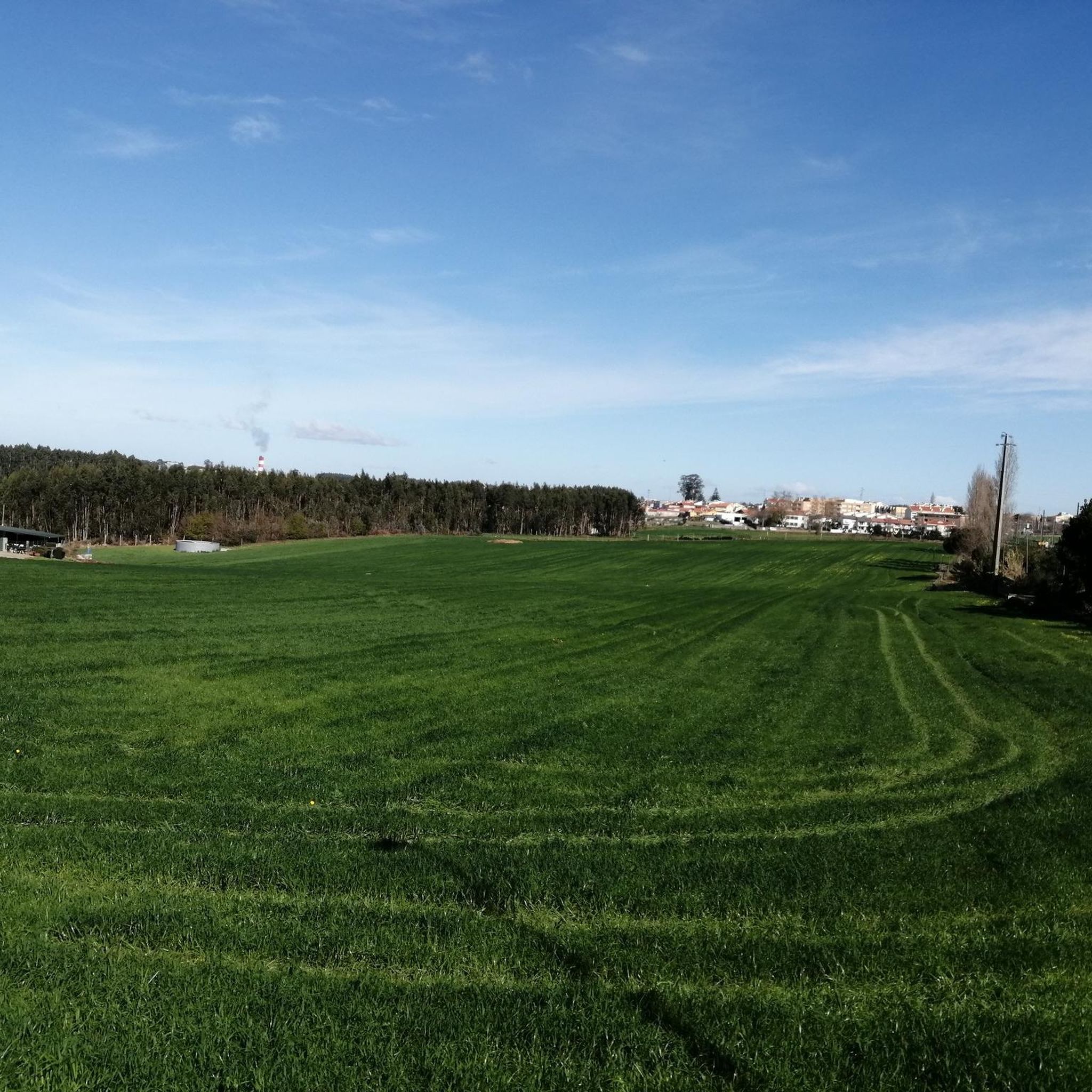
The Camino de Santiago is a spectacular walk with incredible landscapes both in winter and summer.
1
0

The sky and people are practically always on the move here. However, the view of the unique steel bridge from here is also incredible. And this is also where most of the ships depart, for example, those on the 6 Bridges Tour.
5
0

Full of restaurants and street entertainment.
3
0

Standing imposingly atop a hill, Porto Cathedral rises amidst narrow streets, guarding the old city. It is the oldest church in Porto and one of its most iconic monuments. Construction began in the 12th century and carries nearly a thousand years of history within its stonework. From here, the view is breathtaking: red-tiled roofs, towers punctuating the sky, and the Douro River shaping the horizon. In front of the cathedral, an old pillory recalls dark times. During the dictatorship, it served as a symbol of intimidation.
4
4

A wide stretch of beach is closed as a protection zone and therefore elaborate wooden walkways have been installed.
1
1

That bridge is a real eye-catcher
19
0

Ribeira is one of the most historic and picturesque neighborhoods in Porto, Portugal. Located on the banks of the Douro River, it is a must-see for anyone visiting the city. Ribeira is known for its narrow, winding streets, colorful houses, and medieval architecture. The neighborhood is also famous for its nightlife, with many bars, restaurants, and fado houses. One of Ribeira's main points of interest is Ribeira Square, a historic square offering stunning views of the Douro River. Other points of interest include the Church of São Francisco, the Port Wine Museum, and the Luís I Bridge. Ribeira is also a popular spot for tasting the famous Port wine, which is produced in the region.
5
1
Frequently Asked Questions
What historical and cultural sites can I explore in Leça do Balio?
Leça do Balio is rich in history. The most significant site is the Monastery of Leça do Balio, a National Monument with origins tracing back to the 10th century, known for its Gothic architecture and role on the Camino de Santiago. Nearby, you can also see the 16th-century Cruzeiro de Leça do Balio and the 18th-century Capela de São Félix. For a glimpse into local industry, consider a tour at the Super Bock Casa da Cerveja.
Are there any natural attractions or green spaces in Leça do Balio?
Yes, the Leça River flows through the area, offering natural beauty along its banks. The "Green Corridor of the Leça" provides pedestrian and cycling paths for outdoor activities. Additionally, Parque das Varas, located behind the Monastery, is a large green space with diverse tree species, a recovered water mirror, and a mini-golf field.
What are some family-friendly activities available in Leça do Balio?
Families can enjoy the open spaces and mini-golf at Parque das Varas. The "Green Corridor of the Leça" offers pleasant paths for walking or cycling with children. For a cultural experience, the Monastery of Leça do Balio often hosts events, including an annual Medieval Fair in early September, which can be very engaging for all ages.
Where can I find walking or hiking trails near Leça do Balio?
The "Green Corridor of the Leça" offers developed paths along the Leça River for walking and cycling. For more structured outdoor activities, you can explore various running trails, such as the "Lidador Statue – Ecocaminho Brandinhães–Souto loop from Fórum Maia" or the "Ponte da Pedra loop from Maia." You can find more details and routes on the Running Trails around Leça Do Balio guide.
Are there any cycling routes in the Leça do Balio area?
Yes, the region offers several cycling opportunities. The "Green Corridor of the Leça" is suitable for leisurely rides. For more dedicated cyclists, there are road cycling routes like the "Fão Bridge – Ponte da Pedra loop from Arroteia" or mountain biking trails such as the "Ponte do Carro – Corredor Verde do Leça loop from São Mamede de Infesta." Discover more options on the Road Cycling Routes around Leça Do Balio guide and the MTB Trails around Leça Do Balio guide.
What is the best time of year to visit Leça do Balio?
Leça do Balio can be enjoyed year-round. The annual Medieval Fair at the Monastery of Leça do Balio typically takes place in early September, offering a vibrant cultural experience. Spring and autumn generally provide pleasant weather for exploring historical sites and enjoying outdoor activities along the Leça River.
What are some notable architectural sites or estates in the area?
Beyond the Monastery, you can visit Quinta do Chantre, an 18th-century estate designed by Nicolau Nasoni, known for its Baroque gardens. Another significant property is Casa de Recarei (Quinta do Alão), also an 18th-century estate with well-preserved gardens and sculptural elements, once a favored retreat for writer Camilo Castelo Branco.
Is there a local market in Leça do Balio?
Yes, the Feira da Senhora da Hora is a vibrant local market, typically held on Saturdays. It offers an authentic experience where visitors can find fresh produce, artisanal cheeses, homemade breads, crafts, and clothing.
What is the significance of the Ponte da Pedra?
The Ponte da Pedra is a medieval bridge with Roman foundations crossing the Leça River. It stands as a testament to the area's ancient Roman road network and historical importance.
What do visitors particularly enjoy about the attractions around Leça do Balio?
Visitors appreciate the blend of historical depth and natural beauty. The Monastery of Leça do Balio is often highlighted for its rich history and architectural significance. The serene paths along the Leça River and the green spaces like Parque das Varas are enjoyed for relaxation and outdoor activities. The area's charm lies in its ability to connect visitors with both ancient heritage and tranquil landscapes.
Are there any attractions that are wheelchair accessible?
While many historical sites in the region may have limited accessibility due to their age, modern developments like the "Green Corridor of the Leça" along the Leça River are generally more accessible for wheelchairs. For specific accessibility information regarding the Monastery of Leça do Balio or other sites, it is advisable to check directly with the venues.
Most popular routes around Leça Do Balio
Most popular attractions around Leça Do Balio

Get inspired with the komoot mobile app


Explore more
Still not found the Highlight you’re looking for? See guides of the top attractions in other regions:
