Attractions and Places To See around Amorim - Top 20
Best attractions and places to see around Amorim, a suburban area within Póvoa de Varzim, Portugal, offer insights into its rich history and local culture. The region, with roots dating back to the 11th century, features notable landmarks and cultural points of interest. Visitors can explore historical sites and enjoy coastal features, providing a blend of cultural and natural experiences.
Best attractions and places to see around Amorim
- The most popular attractions is Wooden Boardwalk Along the Atlantic Coast,…
Last updated: August 25, 2026
Wooden Boardwalk Along the Atlantic Coast
Highlight • Trail
Translated by Google •
Tip by

Aguçadoura Beach Mill
Highlight • Monument
Translated by Google •
Tip by
Sign up now to discover places like this
Get recommendations on the best single tracks, peaks, & plenty of other exciting outdoor places.
Sign up for free
Apúlia Church
Highlight • Religious Site
Translated by Google •
Tip by

Beach 🏖️ Vila do Conde
Highlight • Beach
Translated by Google •
Tip by

Quincentennial Carrack
Highlight • Monument
Translated by Google •
Tip by
Sign up for free to discover even more attractions around Amorim.
Sign up for free
Already have an account?
Start today with a free account
Your next adventure awaits.
Login or Signup
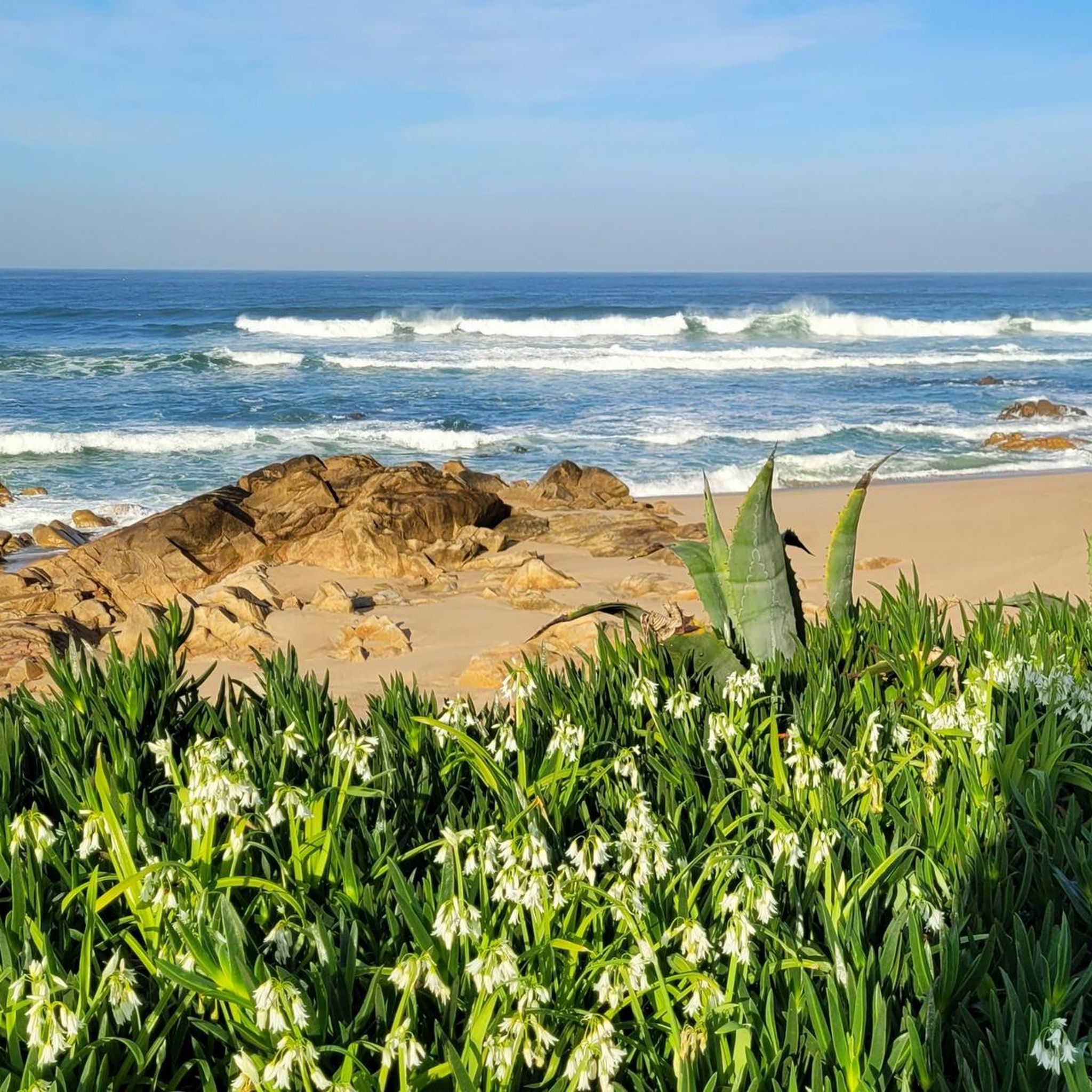
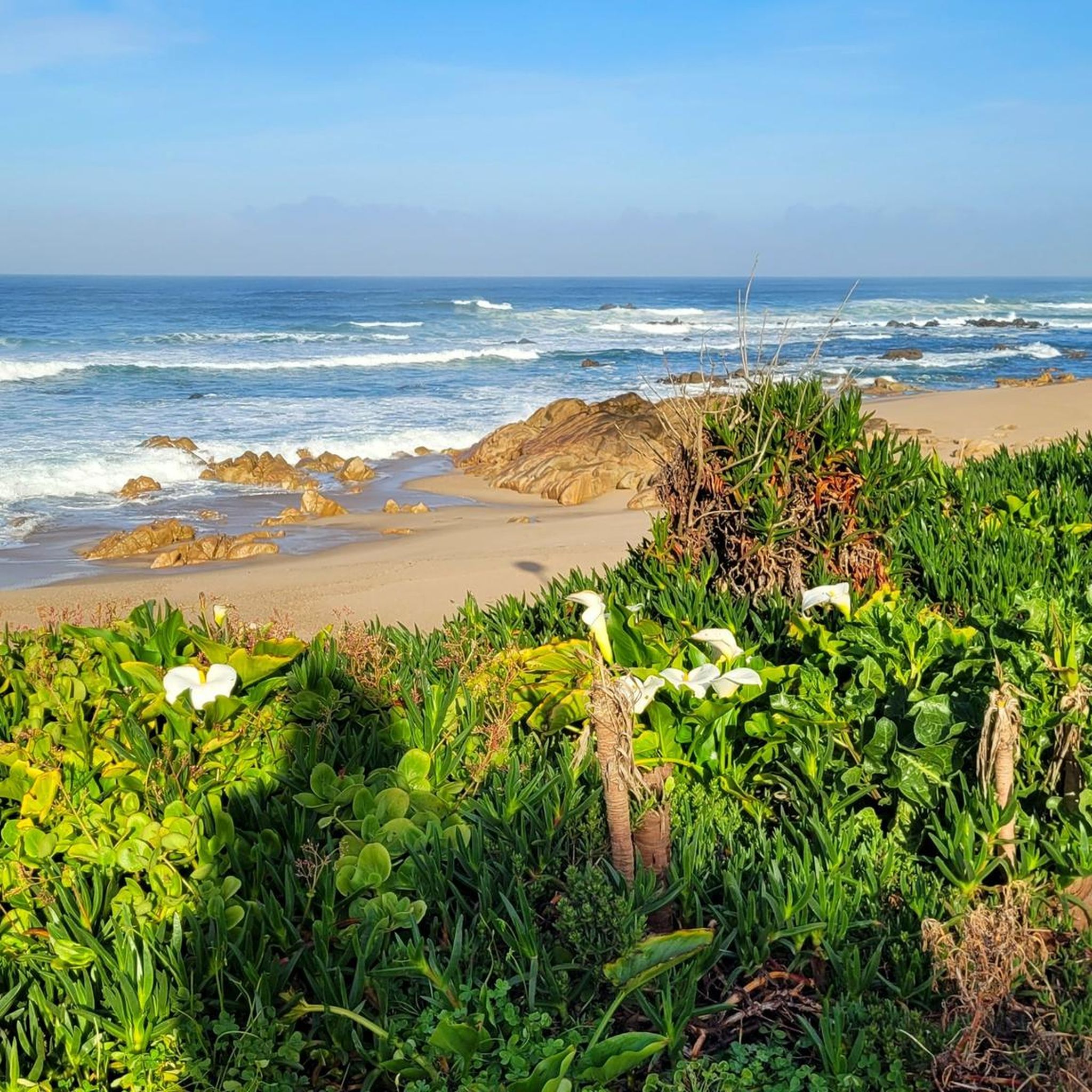
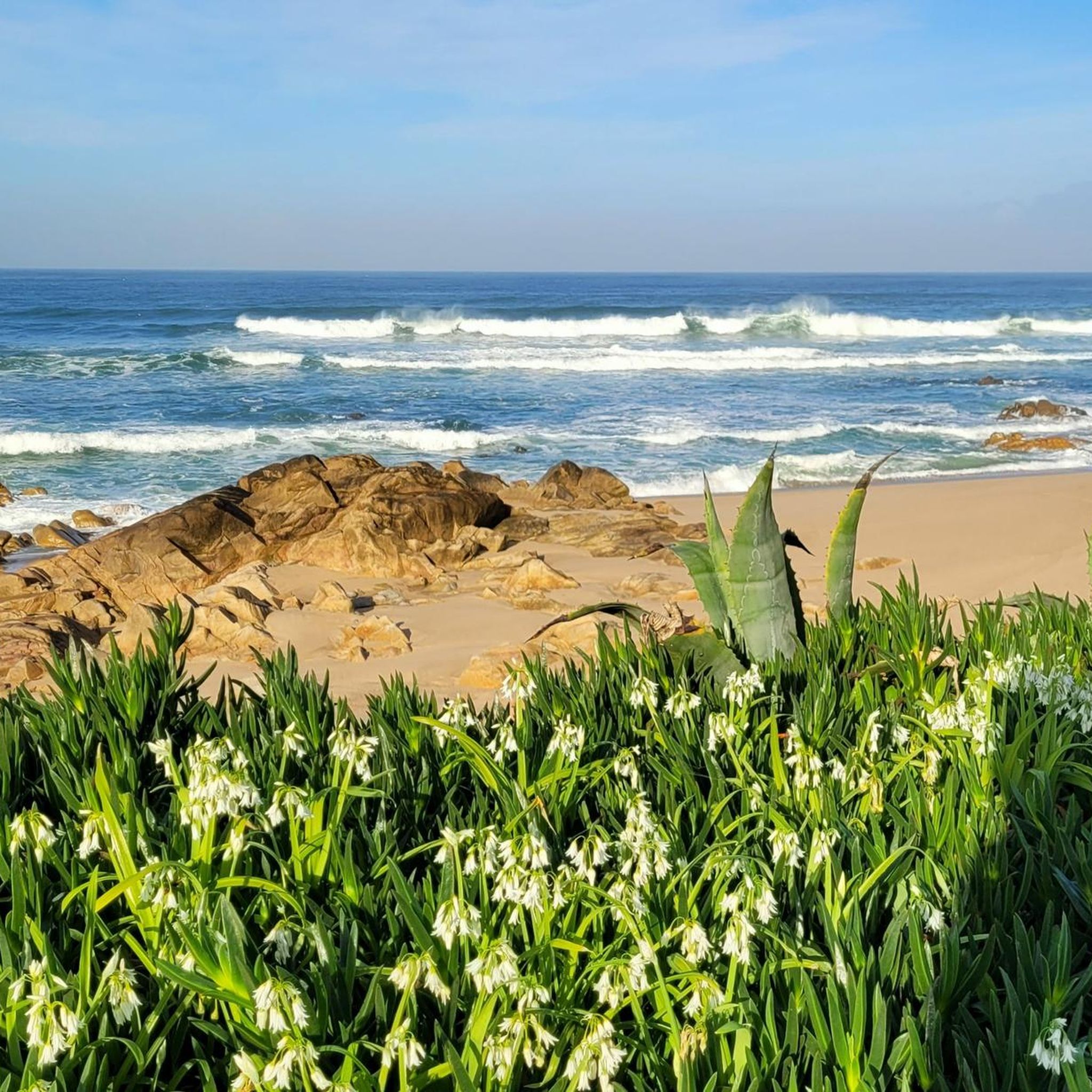
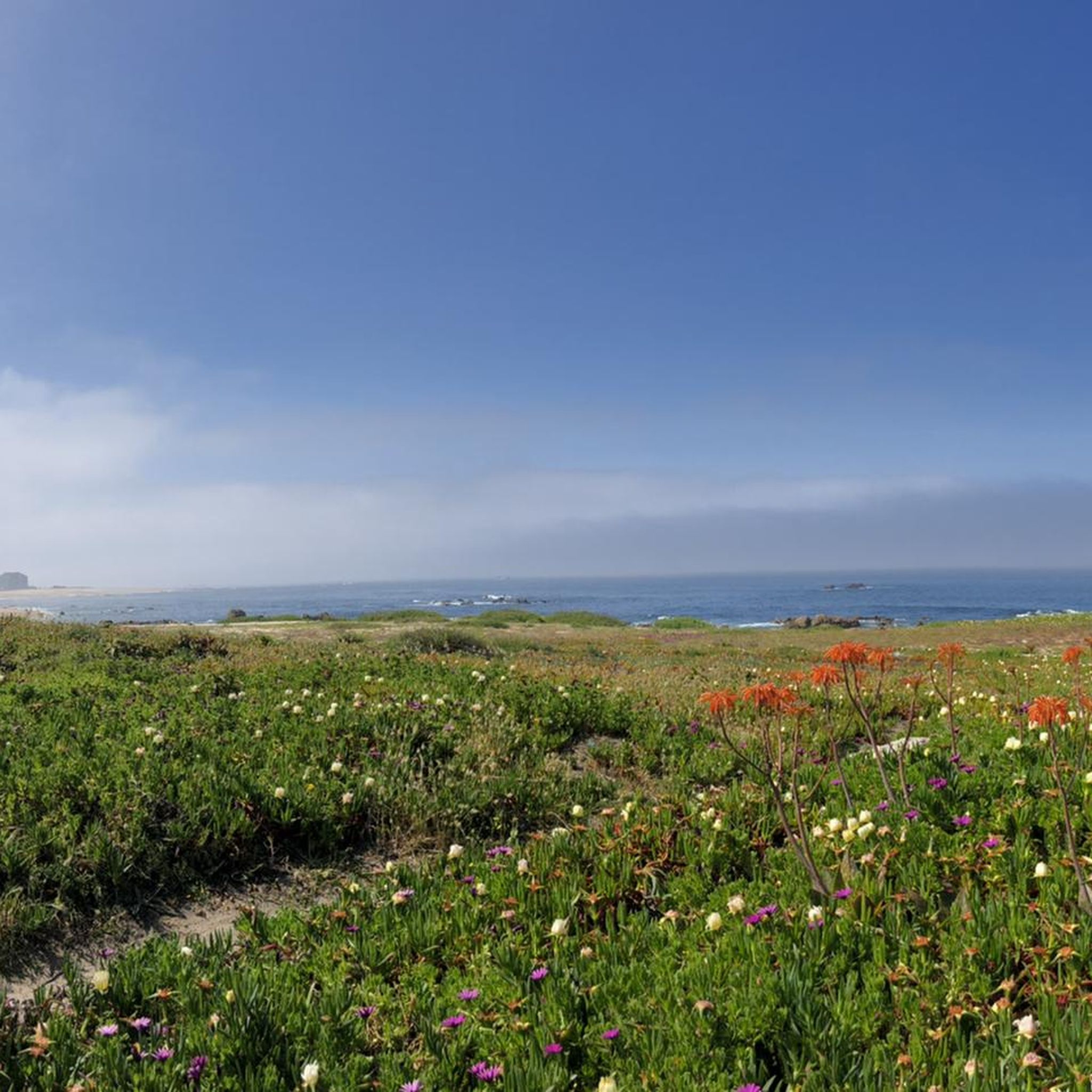
Tips from the Community

Attention: You need to concentrate while walking here, as some planks are loose and can move upwards.
0
0

Visiting: The site has free entry and is accessible at any time, being a frequent landmark on cycling and hiking routes that connect Vila do Conde to Aguçadoura.
1
0
Status: The mill was recently recovered and restored, maintaining its traditional appearance. However, visitors note that the structure is currently surrounded by modern residential buildings.
1
0
The Aguçadoura Beach Windmill is a traditional windmill located in the parish of Aguçadoura, municipality of Póvoa de Varzim. It is considered a symbol of local history and identity, situated near the dune area and the beach boardwalks.
1
0
Azurara Beach: Located further south, near the mouth of the Ave River, this beach is part of a coastal stretch that extends for several kilometers.
1
0
Vila Chã Beach: A remarkable beach with stunning views, located in a charming fishing community.
1
0
Olinda Beach: Characterized by its enchanting views, Olinda Beach is clean and well-preserved, with viewpoints that can be explored at low tide. Free parking is also available here.
1
0
Senhora da Guia Beach: A pleasant beach with the necessary amenities for spending the day. It offers free entry and is generally quiet during the week.
1
0
Frequently Asked Questions
What historical and cultural sites can I explore in and around Amorim?
Amorim has a rich history dating back to the 11th century. You can visit the Saint James Parish Church, which, despite its current Mannerist style, has medieval Romanesque origins. Other notable sites include Apúlia Church, a religious building with a history of rebuilds since the Middle Ages, and the Quincentennial Carrack, a replica of a 16th-century Portuguese ship, offering a glimpse into maritime history.
Are there any natural features or beaches to visit near Amorim?
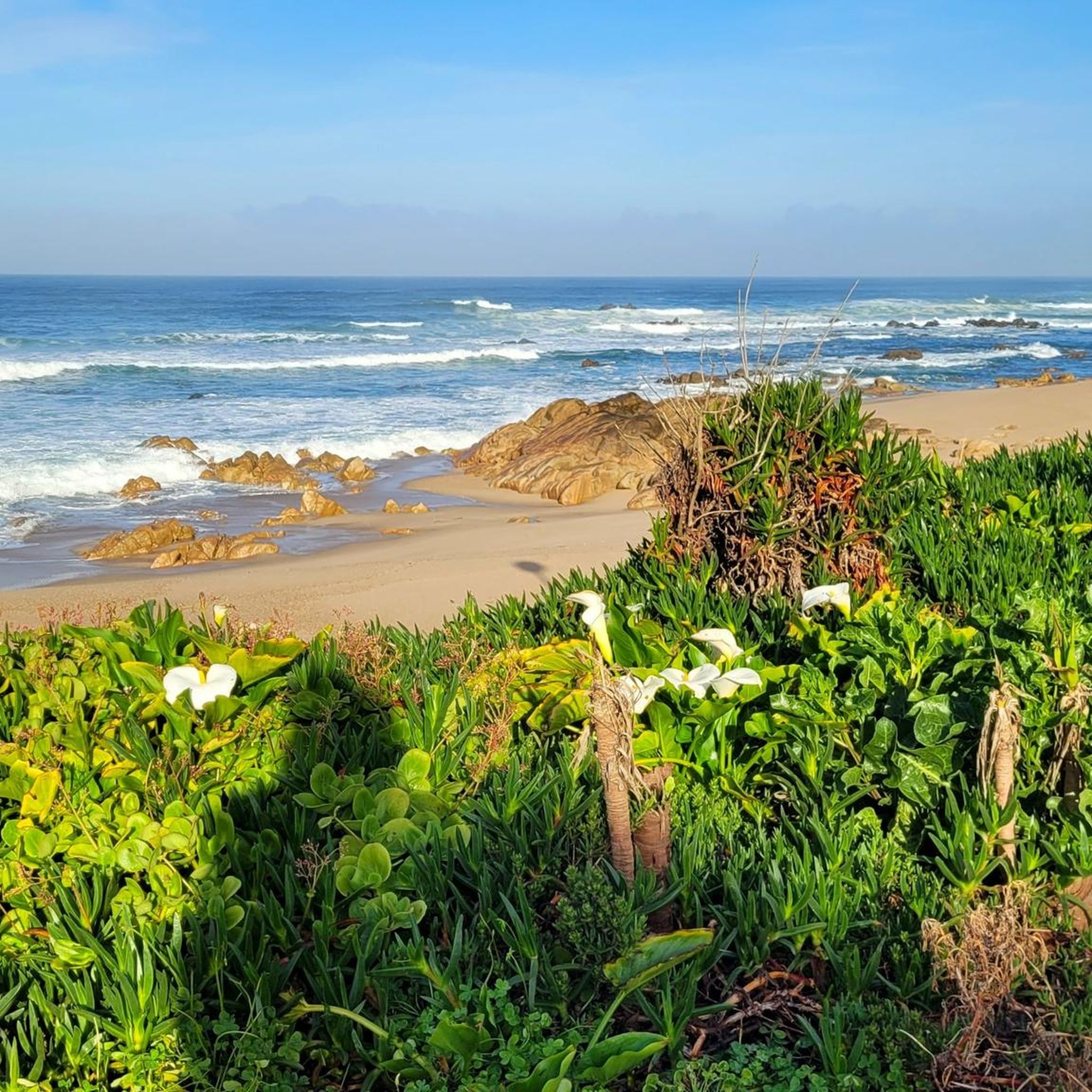
Yes, the region offers beautiful coastal experiences. You can enjoy the Wooden Boardwalk Along the Atlantic Coast, which provides extensive coastal protection and endless boardwalks. Additionally, Beach 🏖️ Vila do Conde offers an extensive beach with a wide promenade, ideal for strolling and observing the Atlantic.
What kind of outdoor activities can I do near Amorim?
The area around Amorim is great for various outdoor activities. You can find numerous routes for hiking, road cycling, and running. For instance, there are hiking trails like the 'Old Windmill by the Atlantic – Wooden boardwalk loop' and road cycling routes such as the 'Famalicão Cycle Path loop'. You can explore more options on the Hiking around Amorim, Road Cycling Routes around Amorim, and Running Trails around Amorim guide pages.
Are there family-friendly attractions around Amorim?
Absolutely. Several attractions are suitable for families. The Aguçadoura Beach Mill is a structurally intact windmill that offers a unique photo opportunity. The Apúlia Church and the Quincentennial Carrack are also considered family-friendly historical sites. Additionally, Beach 🏖️ Vila do Conde provides a great space for families to relax by the sea.
What is the local culinary specialty in Amorim?
Amorim is locally renowned for its traditional bread, known as "Broa de Amorim." This characteristic bread is often enjoyed warm, straight from the oven, offering a unique culinary experience that reflects the local traditions of the area.
Can I find viewpoints or scenic spots in the area?
Yes, there are several scenic spots. The Wooden Boardwalk Along the Atlantic Coast offers continuous views of the ocean. The Aguçadoura Beach Mill is also a popular viewpoint, especially for pilgrims on the Way of St. James, providing a picturesque setting. The extensive promenade at Beach 🏖️ Vila do Conde is another great place to observe the beach and sea.
Are there any attractions related to the Way of St. James (Camino de Santiago) near Amorim?
Yes, the region is part of the Way of St. James. The Wooden Boardwalk Along the Atlantic Coast is appreciated by pilgrims, featuring signposts with yellow arrows. The Aguçadoura Beach Mill also greets pilgrims and offers a photo opportunity on the Camino. Furthermore, the Apúlia Church is a place where pilgrims can get their credentials stamped.
What do visitors enjoy most about the attractions around Amorim?
Visitors particularly enjoy the extensive boardwalks along the Atlantic coast, which are great for walking and offer beautiful views. The historical significance of sites like the Apúlia Church and the unique sight of the Aguçadoura Beach Mill are also highly appreciated. Many find the blend of cultural heritage and natural coastal beauty appealing.
Are there any accessible attractions for visitors with mobility needs?
Yes, Beach 🏖️ Vila do Conde is noted for being wheelchair accessible, offering an extensive beach with a wide promenade that can be enjoyed by all visitors.
What is the best time of year to visit Amorim for outdoor activities?
While specific weather data isn't provided, coastal areas like Amorim generally offer pleasant conditions for outdoor activities during spring and early autumn. These seasons typically provide milder temperatures and less rainfall, making them ideal for exploring boardwalks, beaches, and historical sites.
Are there any specific hiking trails I should consider near Amorim?
For hiking enthusiasts, popular routes include the 'Old Windmill by the Atlantic – Wooden boardwalk loop from Póvoa de Varzim' and the 'Praia de Vila do Conde – Turtle Rock loop from Póvoa de Varzim'. These trails offer a mix of coastal scenery and local points of interest. You can find more details and other options on the Hiking around Amorim guide page.
What is the historical origin of the name 'Amorim'?
The name "Amorim" itself is derived from Latin, meaning "dating/love or couples place." The parish has existed since at least the 11th century, with the name "Santiago de Amorim" appearing as early as 1033, indicating its long-standing historical roots in the region.

Get inspired with the komoot mobile app


Explore more
Still not found the Highlight you’re looking for? See guides of the top attractions in other regions:
