The best cycling routes around Raposa
5.0
(2)
39
riders
9
rides
Touring cycling around Raposa features routes that navigate the flat to gently rolling terrain of the region, characterized by river plains, irrigation canals, and agricultural landscapes. The area offers a network of paths, including gravel sections and riverside trails, suitable for various cycling preferences. Elevation gains are generally modest, making many routes accessible for a relaxed cycling experience.
Best touring cycling routes around Raposa
- The most popular touring cycling route is Vale do Sorraia Gravel Route loop from Foros do…
Last updated: June 24, 2026
5.0
(2)
6
riders
30.5km
02:24
270m
280m
Moderate bike ride. Good fitness required. Mostly paved surfaces. Suitable for all skill levels.
6
riders
Moderate bike ride. Good fitness required. Mostly paved surfaces. Suitable for all skill levels.

Sign up for free
8
riders
75.6km
05:30
930m
930m
Hard bike ride. Very good fitness required. Mostly paved surfaces. Suitable for all skill levels.
5
riders
Hard bike ride. Good fitness required. You may need to push your bike for some segments of this route.
4
riders
72.0km
05:47
250m
250m
Hard bike ride. Very good fitness required. Mostly paved surfaces. Suitable for all skill levels.
Get access to more routes and recommendations from other explorers.
Sign up for free
Already have an account?
Our route recommendations are based on thousands of hikes, rides, and runs completed by other people on komoot.
Start today with a free account
Your next adventure awaits.
Login or Signup
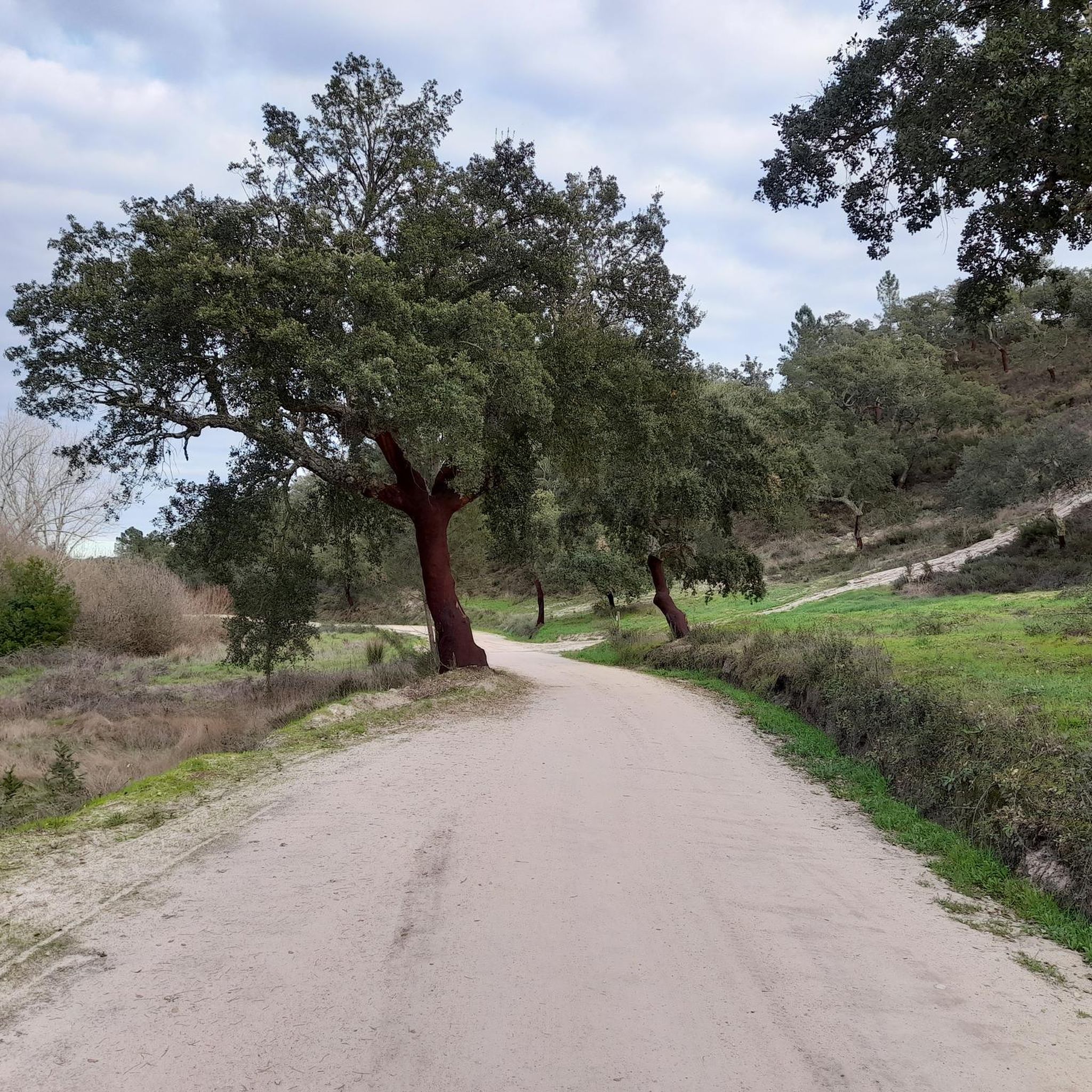

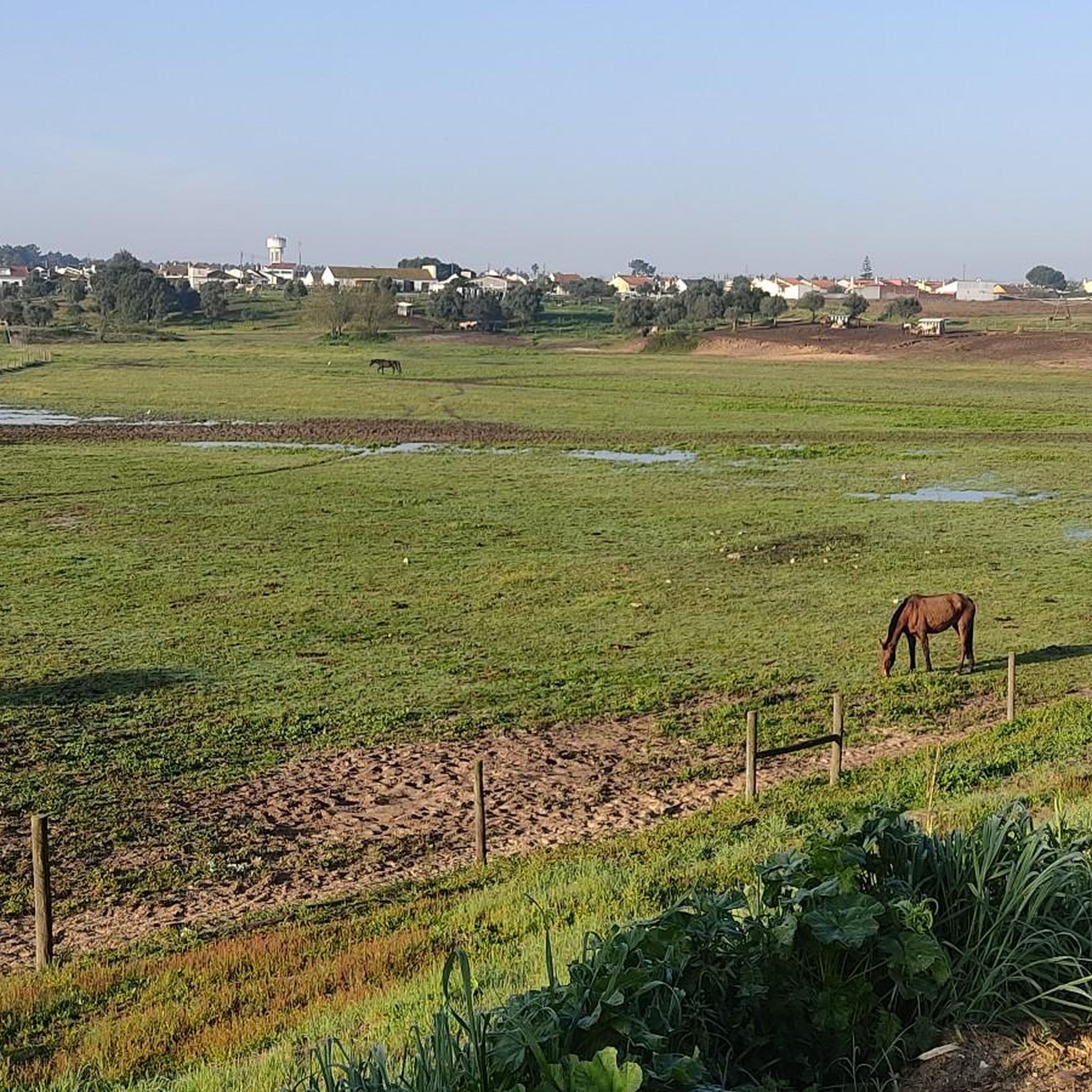
Tips from the Community

The Silvas Mill is one of many that dot these fields, recalling times when the wind moved everyday life. The view is stunning, even more so on sunny days, when the landscape lights up.
2
0
The Silvas Mill is one of many that dot these fields, recalling times when the wind moved everyday life. The view is stunning, even more so on sunny days, when the landscape lights up. The dirt road invites you to run without rushing or worrying, just look up and enjoy the scenery.
2
0


Escaroupim is a typical fishing village, formed in the mid-1930s by fishermen from Praia da Vieira (Marinha Grande), who came to the Tagus every season to fish in the winter, especially for shad, seeking sustenance for their large families in the Tagus, a Tagus rich in fish, returning to Praia da Vieira in the summer. Many of these fishermen stayed on the banks of the river, no longer going to Praia da Vieira, and thus formed small fishing villages. In these villages, the houses are made of wood, painted in bright colours and supported by stilts, so as to be protected from frequent floods. Source: Municipality of Salvaterra de Magos
1
0

Not recommended at the moment. The wet, sandy ground is often completely under water. A parallel, higher route is already partially under construction.
4
0

The most impressive building in the city and also the backdrop to the city's central square. This is where the community meets and there are cafes and a tavern.
25
2
The D. Luís I Bridge, also called Ponte de Santarém, was inaugurated on September 17, 1881 and was considered at the time the largest in the Iberian Peninsula, the third in Europe and the sixth in the world, remaining one of the examples of architecture in the iron. It had a total length of 1,213 meters, a width of 6 meters, and a height of 22 meters. The bridge was widened in 1956 following an innovative project by Edgar Cardoso.
1
0

The sandy path is difficult to ride with a fully loaded touring bike.
1
0
Frequently Asked Questions
How many touring cycling routes are available in Raposa?
Raposa offers a selection of over 10 touring cycling routes, catering to various preferences and skill levels. These routes navigate the region's flat to gently rolling terrain, river plains, and agricultural landscapes.
Are there easy touring bike routes suitable for beginners in Raposa?
Yes, Raposa has routes suitable for beginners. The region's generally modest elevation gains make many routes accessible for a relaxed cycling experience. You'll find paths that are mostly flat, ideal for those new to touring cycling.
What is the typical length and duration of touring bike routes in Raposa?
Route lengths vary, but many touring bike routes in Raposa range from moderate distances of around 30 km to longer, more challenging rides exceeding 70 km. For example, the Vale do Sorraia Gravel Route loop from Foros do Ameixial is about 30.5 km and takes around 2 hours 24 minutes, while the Lezíria Irrigation Canal loop from Glória do Ribatejo is over 72 km.
Are there family-friendly touring bike routes in Raposa?
Given the region's flat to gently rolling terrain and modest elevation gains, many routes are suitable for families. Look for routes that follow river paths or irrigation canals, which often provide smoother, more predictable surfaces away from heavy traffic.
When is the best time of year for touring cycling in Raposa?
The best time for touring cycling in Raposa is typically during spring (March to May) and autumn (September to November). During these seasons, the weather is generally mild and pleasant, making for comfortable rides through the agricultural landscapes and along river plains. Summers can be hot, and winters might bring cooler, wetter conditions.
Are there challenging or multi-day touring bike options in Raposa?
While many routes are accessible, Raposa also offers more challenging options, particularly those with longer distances and varied terrain. For instance, the Moinho dos Silvas – Sá da Bandeira Square loop from Almeirim is a difficult 76.1 km route. For multi-day tours, you can link several routes together to create a longer adventure, exploring different towns and landscapes.
Are there circular touring bike routes available in Raposa?
Yes, many of the touring bike routes in Raposa are designed as loops, allowing you to start and end at the same point. Examples include the popular "Estou no trabalho" cafe ("I'm at work" cafe!) – Gravosfera loop from Almeirim and the Riverside Park on the Tejo – Sandy Forest Road loop from Glória do Ribatejo.
What can I see along the touring cycling routes in Raposa?
The routes in Raposa offer glimpses of the region's rich history and natural beauty. You might encounter landmarks such as the Roman Bridge of Muge, the unique Caneiras - Avieira Village, or the historic Quinta da Alorna. The routes often pass through agricultural plains, along riverbanks, and past charming local settlements like São José de Lamarosa.
Are there cafes or places to stop for refreshments along the touring bike routes?
Yes, many routes pass through or near local towns and villages where you can find cafes and restaurants. The region's agricultural nature means you'll often find opportunities to experience local cuisine and hospitality. Some routes, like the "Estou no trabalho" cafe loop, even highlight specific refreshment stops.
What do other touring cyclists enjoy the most about touring cycling in Raposa?
The area is highly rated by the komoot community, with an average score of 5.0 stars. Reviewers often praise the quiet gravel roads, scenic river paths along the Tejo, and the extensive irrigation canals that provide unique cycling experiences through the agricultural heartland.
Is parking available at the trailheads for touring bike routes in Raposa?
While specific parking information for every trailhead isn't always available, most towns and villages in the Raposa region offer public parking options. It's advisable to check the starting points of your chosen routes for local parking facilities, especially in larger settlements like Almeirim or Glória do Ribatejo.
Can I go touring cycling in Raposa during winter?
Touring cycling in Raposa during winter is generally possible, as the region does not experience heavy snow. However, expect cooler temperatures and potentially more rainfall. It's recommended to check local weather forecasts and ensure your bike and gear are suitable for wet and cold conditions.
Most popular routes around Raposa
Most popular attractions around Raposa

Get inspired with the komoot mobile app


Explore more
Browse the best Cycling routes in other regions.
