The best road cycling routes around Valada
4.3
(29)
1,359
riders
139
rides
Road cycling around Valada is characterized by its scenic riverside landscapes and fertile plains along the Tagus River. The terrain primarily features mostly paved surfaces with gentle gradients, making it accessible for various skill levels. While the region is generally flat, some routes include minor hills, offering varied cycling experiences. Historical landmarks like the Ponte Rainha D. Amélia are often integrated into the routes, providing points of interest.
Best road cycling routes around Valada
- The most popular road cycling route…
Last updated: June 28, 2026
30
riders
Easy road ride. Great for any fitness level. Mostly well-paved surfaces and easy to ride.
17
riders
111km
04:50
930m
930m
Hard road ride. Very good fitness required. Mostly well-paved surfaces and easy to ride.

Sign up for free
14
riders
83.4km
03:44
790m
790m
Moderate road ride. Good fitness required. Mostly well-paved surfaces and easy to ride.
3.0
(1)
14
riders
Moderate road ride. Good fitness required. Mostly well-paved surfaces and easy to ride.
15
riders
78.2km
03:39
270m
270m
Moderate road ride. Good fitness required. Mostly well-paved surfaces and easy to ride.
Get access to more routes and recommendations from other explorers.
Sign up for free
Already have an account?
Our route recommendations are based on thousands of hikes, rides, and runs completed by other people on komoot.
Start today with a free account
Your next adventure awaits.
Login or Signup

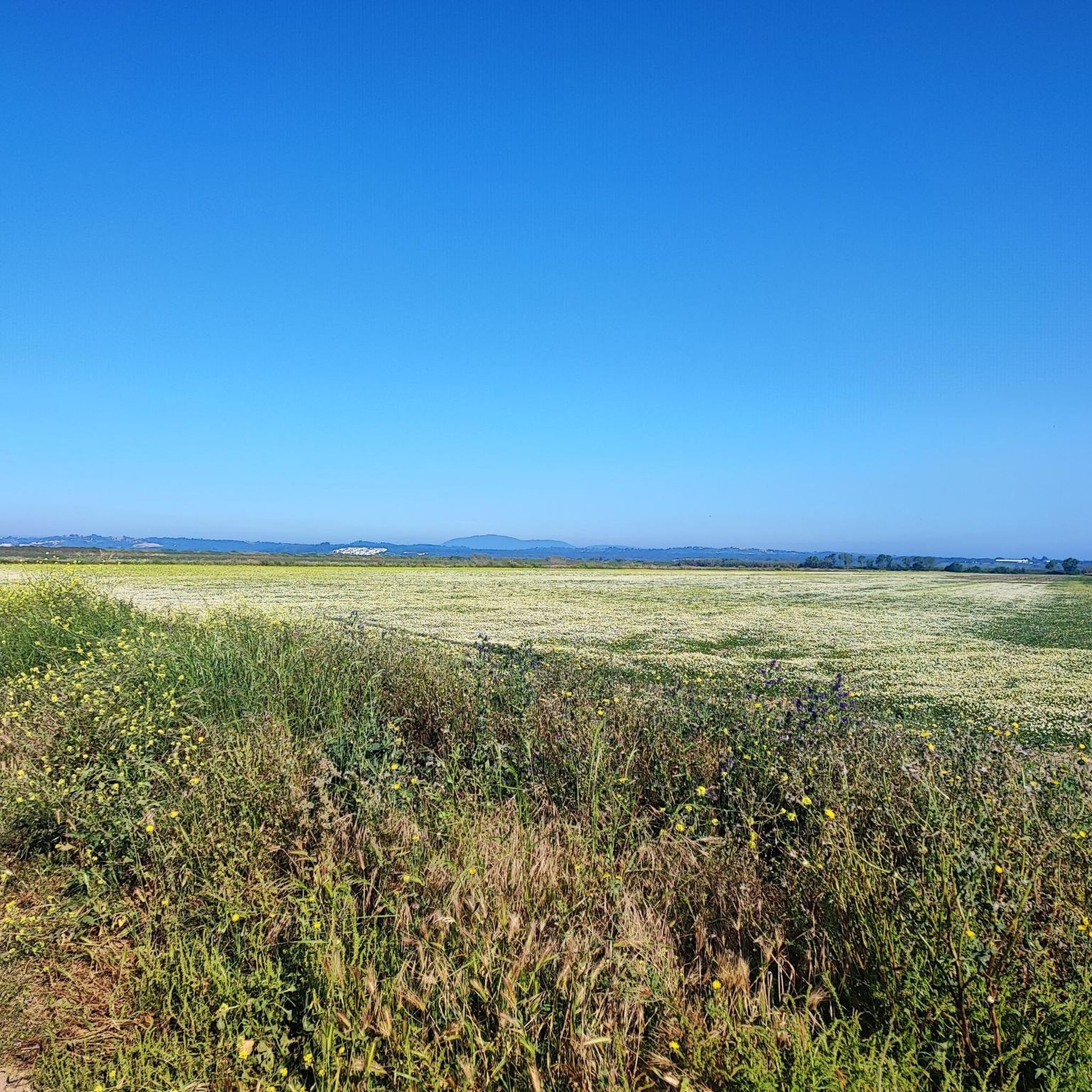
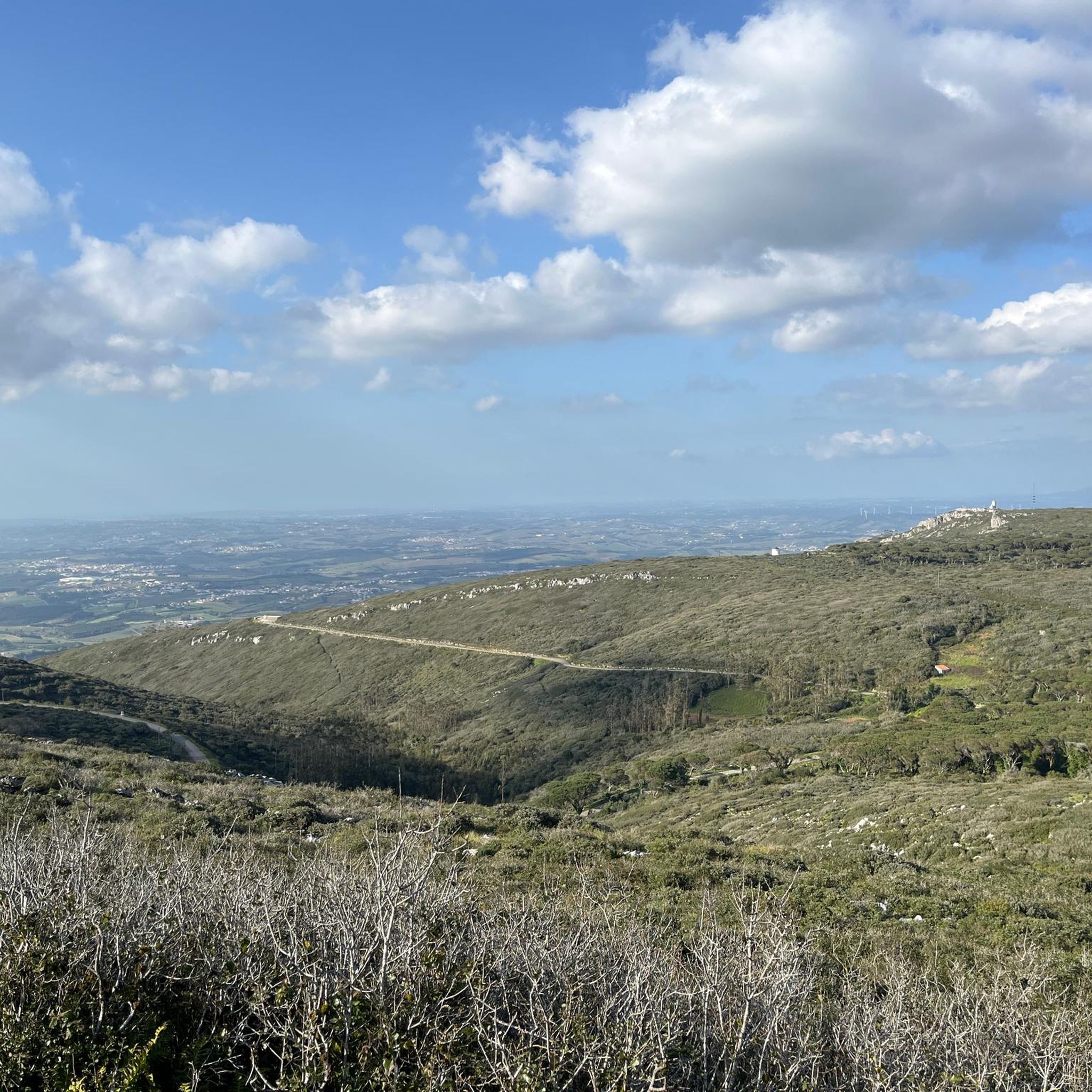
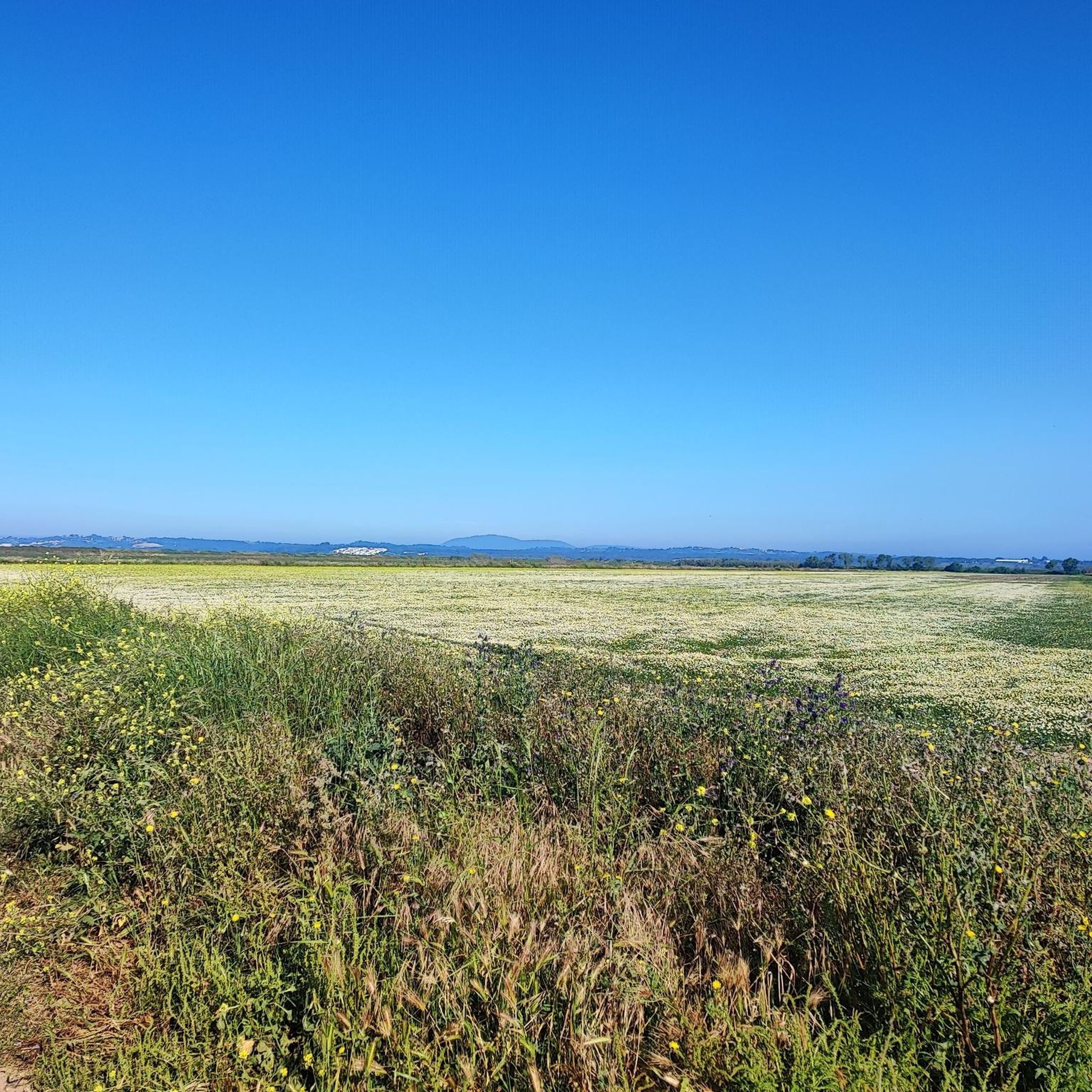
Tips from the Community

Salvaterra de Magos, a town in the Portuguese region of Ribatejo, is known as the capital of falconry in Portugal thanks to its historic Falcoaria Real. The Falcoaria Real: Built in the 18th century, it is the only intact building remaining in the country dedicated to this royal practice. It has been declared an Intangible Cultural Heritage of Humanity by UNESCO. At the center, it is possible to participate in guided tours, admire dedicated exhibitions, and witness spectacular demonstrations of birds of prey in flight.
0
0

Tribute to the Benavente Volunteer Firefighters, who are always ready to help the population. The Benavente Volunteer Firefighters have existed since 1885.
15
0
Portuguese falconry was recognized in December as Intangible Cultural Heritage by UNESCO, following an application process led by the Municipality of Salvaterra de Magos. (Source: www.falcoarial.pt)
19
0

Ride on the path dedicated for bikes. The road isn’t suitable for bikes, rough and slippery.
1
0

Watch out it can be slippery
1
0
publication of the royal charter of 26 July 1811, which, in order to mitigate the devastating effects of the French invasions, prescribed, among many other measures, the distribution of seeds to farmers in order to re-establish cereal production. The Real Celeiro was active for over sixty years, between 1812 and 1873, but, quoting Guilherme Henriques, “it died, like all good institutions, annihilated by abuses”. The City Council now holds the archive of the old Celeiro, which, although not very voluminous, nevertheless allows us to reconstruct almost the entire history of this important local institution of the 19th century. Commissioned to be rebuilt by the Municipality of Alenquer in 2002, it opened its doors as the Wine Museum and headquarters of the Lisbon Wine Route in 2006. Its interior was remodeled and its museology project renewed at the end of 2018, and it reopened its doors to visitors in February 2019. (Source: www.alenquer.pt)
10
0

Santarem has been Portuguese since 1147 and, with an old town center of almost 2 square kilometers, is one of the largest in the country. The city may be a little old, but it is definitely worth a visit.
24
1

Founded in the year 970 of the Christian era (which is why it is currently considered an ancient town), during the reign of the Moorish king D. Ramiro III, it was first given the name of al-quniTrâ”, a diminutive of “al-qanTarâ”, or Alcântara, which means – the small bridge. Alcoentre received its first charter from D. Afonso Henriques in the city of Coimbra, in October 1174, and became the oldest administrative unit and local district in the municipality of Azambuja. Since Alcoentre was registered by the Crown, it remained “land of the king” (or land of the king) until D. Dinis. During this reign, it ceased to be land of the king, also known as Lavrador, and began a long journey as land of private manorial jurisdiction. This charter was reformulated by D. Manuel in Lisbon, on 26 September 1513.
3
0
Frequently Asked Questions
How many road cycling routes are available in Valada?
Valada offers a wide selection of road cycling routes, with over 140 options available. These routes cater to various skill levels, from easy riverside rides to more challenging excursions through the wider region.
What is the typical terrain like for road cycling in Valada?
The terrain in Valada is primarily characterized by mostly paved surfaces and gentle gradients, especially along the Tagus River. While generally flat, some routes include minor hills, providing a varied cycling experience through scenic riverside landscapes and fertile plains.
What are the difficulty levels of road cycling routes in Valada?
Road cycling routes in Valada are diverse, with options for all abilities. You'll find 28 easy routes perfect for a relaxed ride, 95 moderate routes offering a balanced challenge, and 19 difficult routes for experienced cyclists seeking a more demanding adventure.
Are there any historical landmarks or points of interest to see along the road cycling routes?
Yes, Valada's road cycling routes often incorporate historical landmarks. You can cycle past the historic Ponte Rainha D. Amélia, an old railway bridge converted for road use, or explore the charming Valada Village itself, with roots tracing back to Roman and Arab rule. Other notable bridges like the Roman Bridge of Muge and Ponte D. Luís I of Santarém are also integrated into some routes.
What natural features can I expect to see while cycling in Valada?
The Tagus River is the dominant natural feature, offering superb views and opportunities to observe various bird species like herons, ibises, and ospreys. You'll also encounter picturesque islets and 'mouchões' (small islands) along the river, contributing to the area's significant natural beauty.
What do other cyclists say about road cycling in Valada?
The road cycling routes in Valada are highly rated by the komoot community, with an average score of 4.3 stars from over 28 reviews. More than 1300 road cyclists have used komoot to explore the varied terrain, often praising the scenic riverside landscapes and the integration of historical points of interest.
Are there family-friendly road cycling options in Valada?
Yes, Valada offers several family-friendly road cycling routes, particularly those with easy difficulty ratings and gentle gradients along the Tagus River. These routes provide a safe and enjoyable way for families to explore the scenic riverside and local villages.
Are there any loop trails for road cycling in Valada?
Many road cycling routes in Valada are designed as loops, allowing you to start and finish at the same point. An example is the Ponte D. Luís I of Santarém – Ponte Rainha D. Amélia loop from Santana-Cartaxo, which offers a moderate ride with views of the Tagus River.
Where can I find amenities like cafes or picnic spots along the routes?
Valada Village itself offers amenities, and the Beira Tejo Boat in Valada is a popular spot with a river beach, picnic area, and camping facilities, making it a great place to stop during your ride. Many routes also pass through or near villages where you can find local cafes.
Are there longer distance road cycling routes for experienced riders?
Yes, for experienced cyclists seeking a challenge, Valada offers longer distance routes. The Alenquer Wine Museum – Alenquer loop from Santana-Cartaxo is a difficult 111.1 km path that explores the wider region, suitable for those looking for an extended ride through varied countryside.
Can I combine road cycling with other outdoor activities in Valada?
Absolutely. The Tagus River and Praia Fluvial de Valada (river beach) offer opportunities for activities like kayaking and paddleboarding. The Beira Tejo Boat in Valada is a hub for such activities, and the scenic landscapes are also ideal for birdwatching.
What is a good moderate road cycling route to explore the area?
A great moderate option is the Alenquer Wine Museum – View of Alcoentre loop from Santana-Cartaxo. This 83.4 km trail leads through the rural landscape, offering a good balance of distance and scenery without extreme difficulty.
Are there any routes that offer views of the Tagus River?
Many routes in Valada feature views of the Tagus River. The Ponte D. Luís I of Santarém – Ponte Rainha D. Amélia loop from Santana-Cartaxo is a prime example, incorporating the historic Ponte Rainha D. Amélia which offers direct views of the river.
Most popular routes around Valada
Most popular attractions around Valada

Get inspired with the komoot mobile app


Explore more
Browse the best Road cycling routes in other regions.
