Attractions and Places To See around Chamusca e Pinheiro Grande e Pinheiro Grande e Pinheiro Grande - Top 18
Attractions and places to see around Chamusca e Pinheiro Grande e Pinheiro Grande e Pinheiro Grande include a blend of historical, cultural, and natural sites. Situated within the fertile Ribatejo Alluvial Plain, the region is defined by the Tagus River, which offers opportunities for exploration. Pinheiro Grande, the oldest parish in the municipality, features historical mentions from 1189 and sites linked to the Knights Templar. Viewpoints provide panoramic vistas of the surrounding countryside and the Tagus River.
Best attractions and…
Last updated: July 15, 2026
Ponte João Joaquim Isidro dos Reis
Highlight • Bridge
Translated by Google •
Tip by

The house of Jose Saramago
Highlight • Historical Site
Translated by Google •
Tip by
Sign up now to discover places like this
Get recommendations on the best single tracks, peaks, & plenty of other exciting outdoor places.
Sign up for free
Roman Bridge of Reguengo do Alviela
Highlight • Bridge
The current road passes in front of the bridge.
Translated by Google •
Tip by
Pombalinho, land of floods
Highlight • Settlement
Translated by Google •
Tip by
Valdoce
Highlight • Cafe
Translated by Google •
Tip by
Sign up for free to discover even more attractions around Chamusca e Pinheiro Grande e Pinheiro Grande e Pinheiro Grande.
Sign up for free
Already have an account?
Start today with a free account
Your next adventure awaits.
Login or Signup
Popular around Chamusca e Pinheiro Grande e Pinheiro Grande e Pinheiro Grande
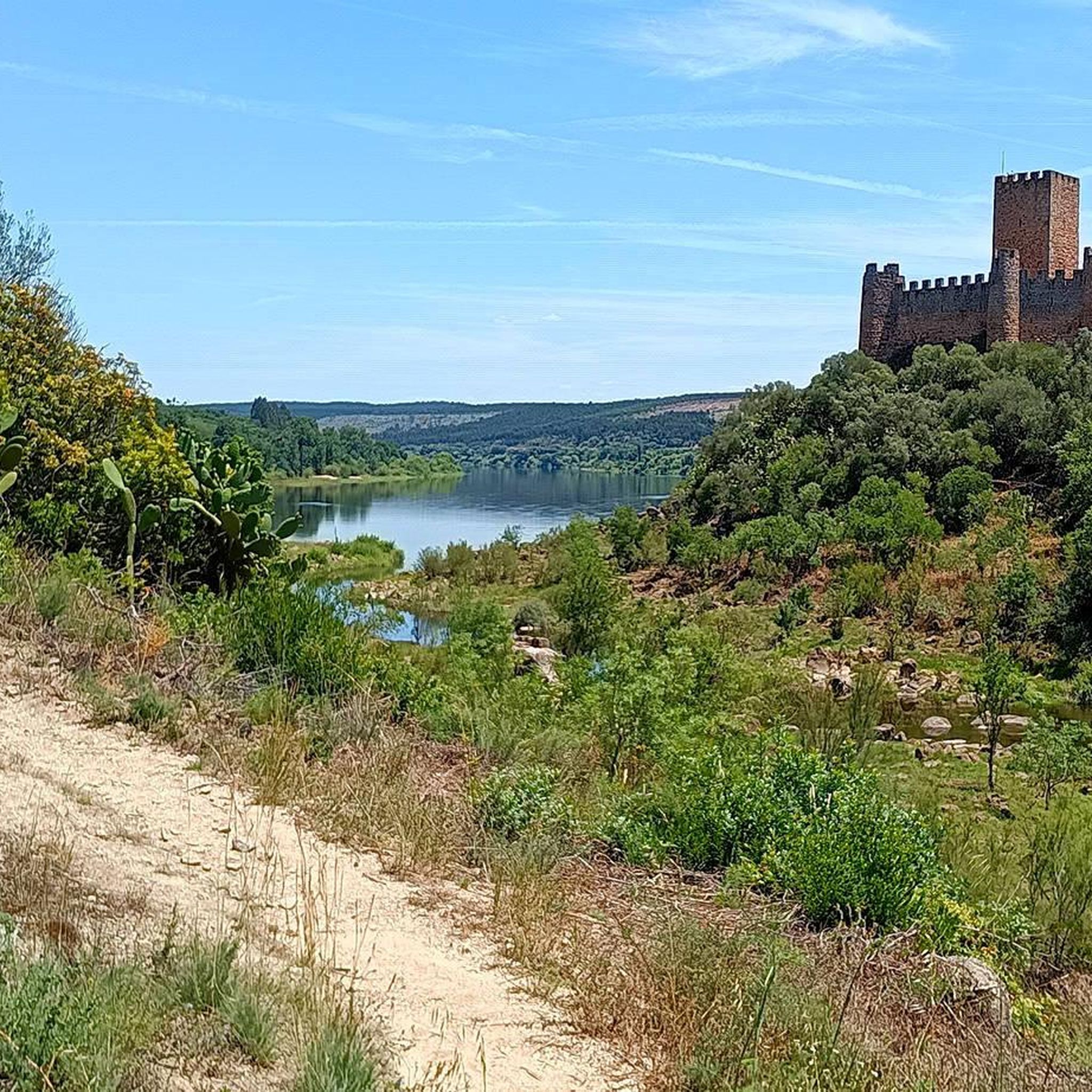
Road Cycling Routes around Chamusca e Pinheiro Grande e Pinheiro Grande e Pinheiro Grande
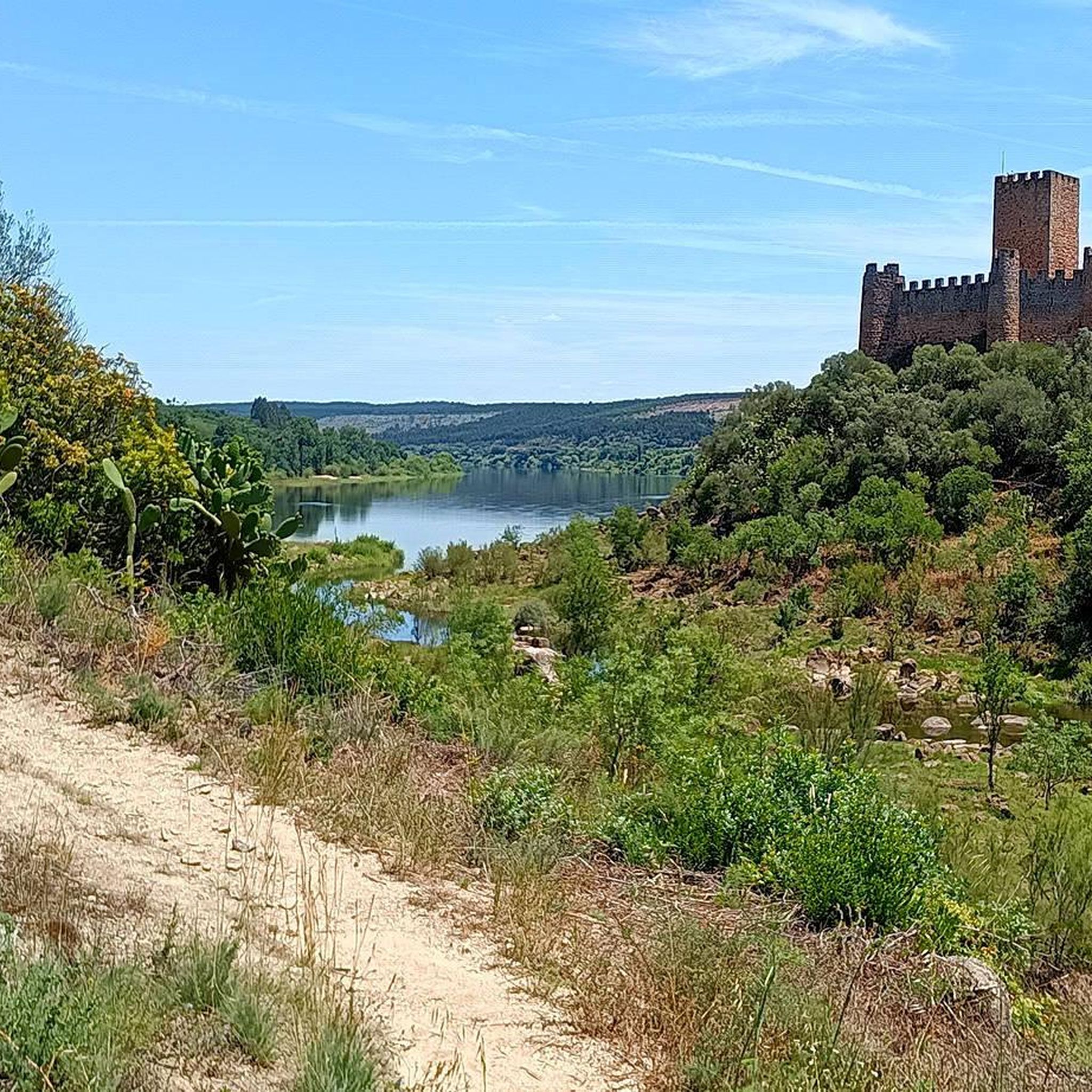
Cycling around Chamusca e Pinheiro Grande e Pinheiro Grande e Pinheiro Grande

MTB Trails around Chamusca e Pinheiro Grande e Pinheiro Grande e Pinheiro Grande

Running Trails around Chamusca e Pinheiro Grande e Pinheiro Grande e Pinheiro Grande
Tips from the Community

The house where José Saramago was born is located in the village of Azinhaga, in the municipality of Golegã, district of Santarém, Portugal. The Azinhaga House Location: The house is located on Rua da Igreja, in Azinhaga, a typical village in Ribatejo, known for its landscape of fertile fields and its proximity to the Tagus River. Foundation: Currently, the childhood home houses the José Saramago Foundation Delegation in Azinhaga, a space of memory that recreates the environment of the writer's childhood and houses a library and an auditorium. Visits: The place is open to visitors who wish to learn about the roots of the only Nobel Prize winner in Literature in the Portuguese language. The Lanzarote House Although he was born in Azinhaga, the writer's most emblematic residence is "The House" in Tías, on the island of Lanzarote, Spain. It was there that he lived for much of his adult life, and where his vast personal library is located; today it functions as the José Saramago House-Museum and is open to the public.
2
0
Pombalinho is a town in the district of Santarém, Portugal, known for being frequently affected by floods. This reputation is due to its strategic location on the right bank of the Tagus River and near the Alviela stream, in a floodplain area. Why do floods occur? Proximity to the Tagus River: The main cause of the floods is the town's location near the Tagus Riverbed. During rainy winters, the river overflows and floods the surrounding areas, which are alluvial plains. Increased flow rates: Heavy rainfall in Portugal, along with discharges from upstream Spanish dams, cause a significant increase in water levels and flow rates of the Tagus, resulting in floods in the Lower Tagus. Affected communication routes: Floods frequently submerge local and national roads, such as the EN 365 at Ponte do Alviela, temporarily isolating Reguengo do Alviela and other neighboring towns. Impact and Local Resilience Historical Events: Pombalinho has a history of major floods, with notable events recorded in 1964 and 1979. Adaptation of Residents: Local residents accept, to some extent, these periodic floods as part of life in the region, although abnormally high floods cause damage and concern. Alert and Prevention: Civil protection authorities issue warnings to the population during critical periods, asking them to take the necessary actions to protect themselves, their families, and property.
2
0
The Roman Bridge of Reguengo (or Reguengo Bridge) is an ancient bridge, probably of medieval origin with a Roman base, located between the towns of Vale de Figueira and Pombalinho, in the district of Santarém, Portugal. It crosses the Ribeira do Alviela, a tributary of the Tagus River. About the Bridge Location: The bridge is situated in a rural area and access to it is via a road that passes in front of the site. State of conservation: The bridge is described as an old and abandoned structure, and some visitors have noted a lack of signage or historical indications at the site. Access: The site is frequented by fishermen, and visitors should be discreet and careful, as the area is not ideal for carelessness, especially with children. Current use: The bridge is not used for regular road traffic, as a new bridge was built further downstream (downstream means towards the mouth of the river, further down) for the current road. Location Approximate address: Between Vale de Figueira and Pombalinho, Santarém, Portugal. GPS: 39°27'36.2" N 8°51'25.9" W (approximate coordinates for the area).
1
0
Val'Doce is a pastry shop of the same name located in the district of Santarém. Specifically, it is located in the town of Vale de Figueira. Information about Val'Doce Address: R. Dr. Vitor Semedo 8 B, 2000-741 Vale de Figueira, Portugal, in the district of Santarém. Specialties: Known for its varied pastries, hamburgers, and daily specials, such as soup. Opening Hours: Monday, Wednesday, Thursday: 7:00–22:30. Friday, Saturday: 7:00–00:00. Sunday: 8:00–22:30. Tuesday: Closed. Amenities: It has an outdoor seating area, is wheelchair accessible, and accepts credit cards.
1
0

Pombalinho, a riverside village on the Tagus, is occasionally affected by the floods of the Tagus, whose water overflows, transforming the streets of Pombalinho into navigable rivers. At the entrances to the village there is a marker indicating the different levels that the water reached during the last floods. After the great floods of 1979, Dutch and French volunteers came to help rebuild Pombalinho. This memory is commemorated on a plaque of thanks.
20
0
It is an old abandoned bridge located between Vale de Figueira e Pombalinhon The current road passes in front of the bridge.
17
0
Frequently Asked Questions
What historical sites can I explore in Chamusca e Pinheiro Grande?
The region is rich in history. You can visit the 16th-century Igreja de Santa Maria in Pinheiro Grande, built on a Knights Templar site, or the Convento de Santo António, founded in 1519. Don't miss the Roman Bridge of Reguengo do Alviela, an ancient structure with a Roman base. The Chamusca Town Center also offers historical exploration with its Praça de Touros and Núcleo Museológico.
Are there any significant natural features or viewpoints in the region?
Yes, the River Tagus (Rio Tejo) is a central natural feature, offering opportunities for riverside exploration. You can also find stunning panoramic vistas from the Miradouro in Cabeças do Pinheiro, overlooking the Tagus River and the distant Serra d'Aire mountain range. The Ribeiro do Casal Velho and Porto do Machado confluence with the Tagus creates an ecological space for outdoor leisure.
What outdoor activities are available near Chamusca e Pinheiro Grande?
The Tagus River provides opportunities for canoeing and fishing. For land-based activities, you can explore various trails. There are several running trails, including loops from Golegã, Azinhaga, and Chamusca. The Municipal Park also offers green space for recreation.
Are there family-friendly attractions in Chamusca e Pinheiro Grande?
Families can enjoy exploring the historical sites, such as the house of Jose Saramago, which recreates the Nobel laureate's childhood environment. The village of Pombalinho, known for its riverside location and unique history with floods, can also be an interesting visit. The Municipal Park is a good spot for general recreational activities.
What is the best time of year to visit Chamusca e Pinheiro Grande?
The region experiences traditional festivals, such as Ascension Week, which can be a vibrant time to visit. The climate is generally pleasant for outdoor activities during spring and autumn. Summers can be warm, ideal for riverside activities, while winters are milder but may bring increased river levels.
Where can I find local cuisine and traditional dishes in Chamusca e Pinheiro Grande?
The region is known for its unique culinary experiences. Local specialties include eel stew and açorda de savel. For those with a sweet tooth, traditional egg- and sugar-based sweets like trouxas and lampreia are popular. Regional wines are also a highlight to savor.
What is the significance of Pinheiro Grande in the region's history?
Pinheiro Grande is the oldest parish in the municipality, with historical mentions dating back to 1189. It holds a deep historical past, having been a commandery for both the Knights Templar and later the Order of Christ, as evidenced by sites like the Igreja de Santa Maria.
Can I find places to relax or have a coffee near the attractions?
Yes, you can find pleasant spots like Valdoce, a pastry shop and café in Vale de Figueira, which offers a terrace and is located on the Way of St. James. The Chamusca Town Center also has various establishments where you can relax.
What is the 'Ponte João Joaquim Isidro dos Reis' and what does it offer?
The Ponte João Joaquim Isidro dos Reis, also known as Ponte da Chamusca, is an iconic iron bridge spanning the Tagus River. Inaugurated in 1909, it connects Chamusca with Golegã and offers magnificent views of the Tejo, making it accessible for cyclists and pedestrians.
What is the connection of José Saramago to this region?
The region is home to The house of Jose Saramago in Azinhaga, the birthplace of the Nobel laureate in Literature. This site serves as a space of memory, recreating the environment of the writer's childhood and housing a library and an auditorium, open to visitors.
Are there opportunities for cycling or mountain biking?
Absolutely. The area around Chamusca e Pinheiro Grande offers various routes for cycling enthusiasts. You can find several cycling routes, including easy to difficult options, and dedicated MTB trails, with loops from Golegã and other nearby towns.
What do visitors appreciate most about the attractions in Chamusca e Pinheiro Grande?
Visitors particularly enjoy the blend of historical, cultural, and natural sites. The iconic Ponte João Joaquim Isidro dos Reis is highly rated for its views, and the ancient Roman Bridge of Reguengo do Alviela offers a glimpse into the past. The birthplace of Nobel laureate José Saramago is also a significant draw for many.
What cultural events or folklore traditions are preserved in Chamusca e Pinheiro Grande?
The region preserves rich folklore and traditional events. Notable examples include the Procissão dos Fogaréus (a Holy Friday procession), Verbenas de Verão (summer festivals), and traditional games like Jogo do Quartão, offering a glimpse into local customs and heritage.
Most popular routes around Chamusca e Pinheiro Grande e Pinheiro Grande e Pinheiro Grande

Get inspired with the komoot mobile app


Explore more
Still not found the Highlight you’re looking for? See guides of the top attractions in other regions:
