Attractions and Places To See around Parreira - Top 7
Attractions and places to see around Parreira, a locality within the municipality of Chamusca, offer insights into traditional Portuguese rural life in the Ribatejo region. The area is characterized by fertile agricultural lands along the Tagus River, providing scenic views and opportunities for outdoor activities. Visitors can explore a mix of natural features, historic sites, and traditional villages in the immediate vicinity and broader Chamusca municipality.
Best attractions and places to see around Parreira
- The most popular attractions is Vale…
Last updated: October 18, 2026
Vale do Sorraia Gravel Route
Highlight (Segment) • Trail
A parallel, higher route is already partially under construction.
Translated by Google •
Tip by

São José de Lamarosa
Highlight • Settlement
Translated by Google •
Tip by

Sign up now to discover places like this
Get recommendations on the best single tracks, peaks, & plenty of other exciting outdoor places.
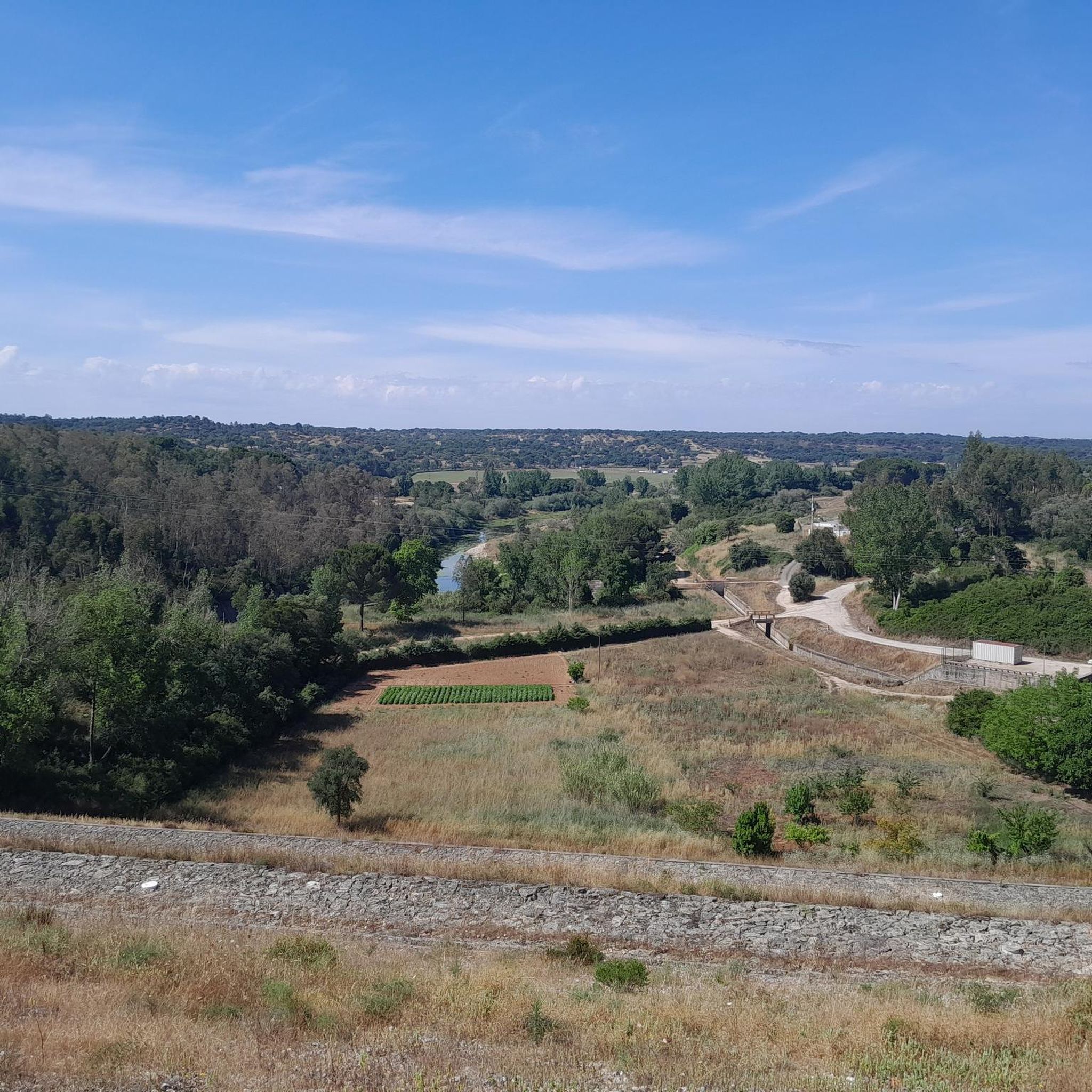
Sandy Banks of the Rio Sorraia
Highlight • River
Translated by Google •
Tip by
Foz do Arrão Windmill
Highlight • Monument
Showing Translation
Tip by
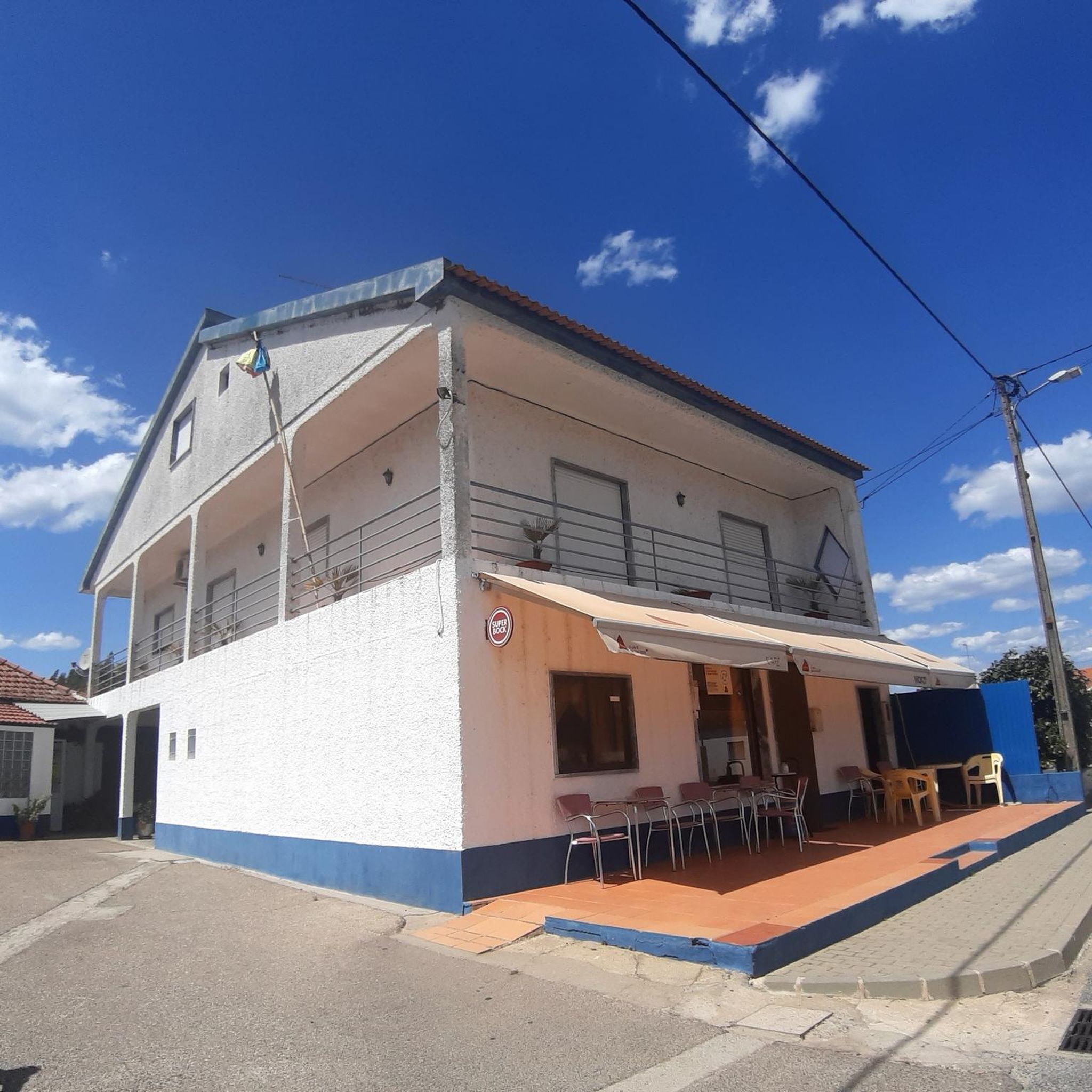
Restaurant "O Moco"
Highlight • Restaurant
Translated by Google •
Tip by
Sign up for free to discover even more attractions around Parreira.
Already have an account?
Start today with a free account
Your next adventure awaits.
Popular around Parreira
Tips from the Community

It was built in 1932/33 by the first settler families of the village to process the grown grain, especially wheat and oats, into flour. Since suitable watercourses were lacking, wind power was used to drive the millstones. The cylindrical mill was an important part of agricultural self-sufficiency. After pine forests were planted in its vicinity, the wind flow decreased so much that operations had to be discontinued.
1
0

Its main function was to grind the cereals cultivated in the region, transforming them into flour. The Mill was in ruins for decades, but after restoration works, it is now a pleasant space to enjoy the surrounding landscape and discover more about the milling and production of cereals in the region. Several tables and benches are available on site for picnics. There is also a sink and a water point, a grill for barbecues and an oven for baking bread. Source: (https://www.dareyouspot.com/PointsOfInterest/Details/2438/moinho-de-vento-de-foros-de-arrao)
13
0

Currently not recommended due to construction work. Extremely muddy path.
1
0
Not recommended at the moment. The wet, sandy ground is often completely under water. A parallel, higher route is already partially under construction.
4
0

The river has so little water that you can walk along the riverbed.
0
0
Small quiet and pleasant village. This village has a beautiful church, a restaurant "o cortiço", the post office and a working public telephone. The "o cortiço" is a simple little restaurant where everything is fresh and homemade and where the prices are very affordable. The local economy is based on the exploitation of cork, eucalyptus, pine nuts, fruit growing and vineyards. The Lamarosa region lends itself to cycling as there are good roads with little traffic. The region is flat, but with nice short coasts but some coasts have good percentages.
21
0
Very simple small village restaurant. Very warm and friendly welcome. Very generous cuisine, very well served. I recommend the free-range chicken raised in this same village. The restaurant has a place to keep bicycles. The region lends itself very well to the practice of road cycling with beautiful roads in the middle of the countryside and with very little car traffic.
14
0
Frequently Asked Questions
What unique natural features can I explore near Parreira?
You can visit the Sandy Banks of the Rio Sorraia, a distinctive river feature. During periods of low water, it's possible to walk along the riverbed, offering a unique perspective of the landscape. The broader region also features scenic Tagus River landscapes and fertile agricultural lands.
Are there good cycling opportunities around Parreira?
Yes, the region is well-suited for cycling. The Vale do Sorraia Gravel Route offers a quiet section for cycling and is part of the 'Ribatexas Odyssey' by Gravosfera. Areas like São José de Lamarosa also have good roads with little traffic, making them ideal for both road cycling and mountain biking. You can find various cycling routes, including gravel and road cycling, in the guides Cycling around Parreira and Road Cycling Routes around Parreira.
What kind of villages can I visit near Parreira?
The settlement of São José de Lamarosa is a small, quiet, and pleasant village known for its beautiful church, local restaurant, and roads suitable for cycling. The municipality of Chamusca, which includes Parreira, is characterized by traditional white houses, showcasing a rich architectural heritage.
Are there any historical or cultural sites to see in the area?
While Parreira itself is a small locality, the broader Chamusca municipality offers several historical and cultural sites. These include the 16th-century Mother Church of São Brás, the 17th-century Misericordia church, and the 18th-century hermitages of Nossa Senhora do Pranto and Senhor do Bonfim. You can also find Roman Ruins in Vale dos Cavalos, providing a glimpse into the region's ancient past.
Where can I find local food or a place to rest during my visit?
In São José de Lamarosa, you'll find 'o cortiço', a simple restaurant known for fresh, homemade, and affordable food. Another option is Restaurant "O Moco", a very welcoming village restaurant offering generous, well-served cuisine, including local free-range chicken. For a unique cafe experience, visit the "Estou no trabalho" cafe.
What do visitors particularly enjoy about the attractions around Parreira?
Visitors appreciate the quiet and pleasant atmosphere of villages like São José de Lamarosa, the scenic and tranquil sections of routes like the Vale do Sorraia Gravel Route, and the unique experience of walking along the Sandy Banks of the Rio Sorraia during low water periods. The low traffic on local roads also makes the area very appealing for cyclists.
Are there any viewpoints offering scenic vistas?
Yes, the picturesque village of Aldeia do Arripiado, built on a slope, offers splendid viewpoints over the Ribatejana Lezíria (the Tagus River floodplains). Additionally, the Miradouro do Almourol, located nearby, features a pleasant terrace and the 'Guerreiro Templário' sculpture.
What kind of outdoor activities, besides cycling, are available?
The region provides excellent conditions for relaxation and nature-based activities. The Tagus River landscapes offer scenic views, and the area is particularly known for hunting. The Tagus Panoramic Trail, which includes sections like the Almorol Trail, is popular for hiking and offers magnificent panoramic views over the Tagus River.
Is Parreira a good destination for experiencing traditional Portuguese rural life?
Absolutely. Parreira, as part of the Chamusca municipality, offers a genuine glimpse into traditional Portuguese rural life. The local economy is based on cork, eucalyptus, pine nuts, fruit growing, and vineyards, which shape the natural and cultivated beauty of the area. The region also maintains strong Ribatejana traditions, including festivals and handicrafts.
Are there any specific tips for visiting the Sandy Banks of the Rio Sorraia?
While the Sandy Banks of the Rio Sorraia offer natural views, it's important to note that during periods of low water, you can walk along the riverbed. However, visitors have reported that the path can be extremely muddy, and there might be construction work, so it's advisable to check local conditions before planning your visit.
What is the local economy based on in the Parreira area?
The local economy, particularly in areas like São José de Lamarosa, is primarily based on the exploitation of cork, eucalyptus, pine nuts, fruit growing, and vineyards. These agricultural activities contribute significantly to the region's character and landscapes.
Most popular routes around Parreira

Get inspired with the komoot mobile app


Explore more
Still not found the Highlight you’re looking for? See guides of the top attractions in other regions:
