Attractions and Places To See around Coruche - Top 15
Attractions and places to see around Coruche are characterized by cork oak forests, fertile agricultural plains, and the Sorraia River. This region in Portugal's Ribatejo is known for its historical significance and natural landscapes. Visitors can explore a blend of cultural heritage and outdoor activities, with the area's economy centered around cork production and agriculture.
Best attractions and places to see around Coruche
- The most popular attractions is Canha Water Tower, a man-made monument that is described as beautiful…
Last updated: October 18, 2026
Canha Water Tower
Highlight • Monument
Translated by Google •
Tip by

Sanctuary of Our Lady of the Castle of Coruche
Highlight • Religious Site
Translated by Google •
Tip by
Sign up now to discover places like this
Get recommendations on the best single tracks, peaks, & plenty of other exciting outdoor places.
Vale do Sorraia Gravel Route
Highlight (Segment) • Trail
A parallel, higher route is already partially under construction.
Translated by Google •
Tip by

Bridge
Highlight • Bridge
Showing Translation
Tip by
Coruche
Highlight • Settlement
Tip by

Sign up for free to discover even more attractions around Coruche.
Already have an account?
Start today with a free account
Your next adventure awaits.



Tips from the Community

Coruche Road Bridge (General Teófilo da Trindade Bridge) It is the main road infrastructure that connects the town, located on the right bank of the Sorraia River, to the opposite bank. This structure is easily recognizable by its sequence of metal truss bridges and is historically known for the chromatic variations of its elements, ranging between yellow and dark red.
2
0
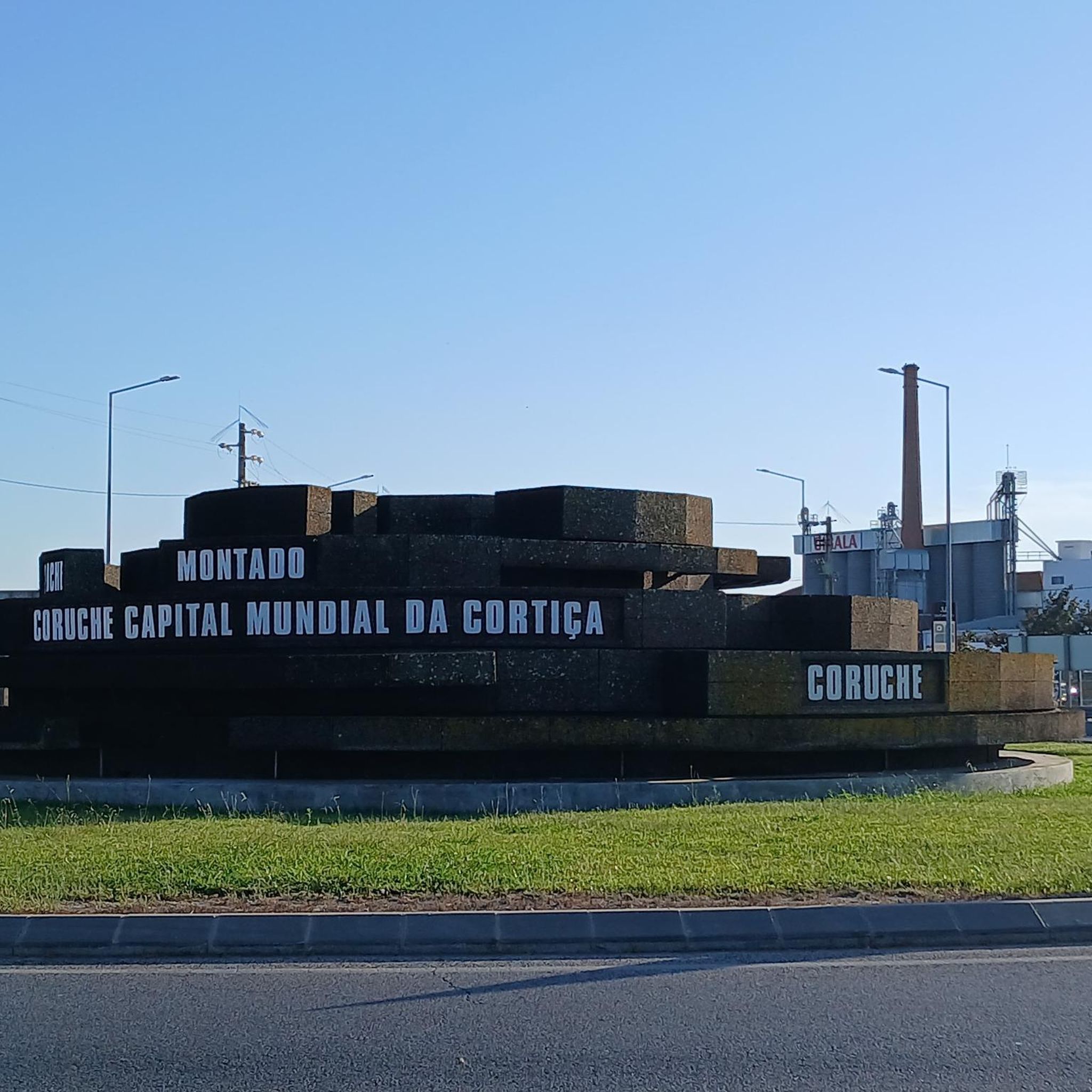
Coruche is a quiet Portuguese municipality with over 20,000 inhabitants, located in the district of Santarém, internationally renowned as the "World Capital of Cork". Strategically positioned along the Sorraia River in a transitional area between Ribatejo and Alentejo, the territory produces about 8% of the world's cork and around 5 million corks per day. In addition to the forestry industry, the town stands out for its traditional low white houses, fertile agricultural fields, horse breeding, and a strong imprint linked to nature tourism.
1
0


There are no historical or tourist records of a notable Canha Water Tower functioning as a tourist attraction. It is likely a common water reservoir, a utilitarian structure present in many cities and towns for public water supply.
3
0
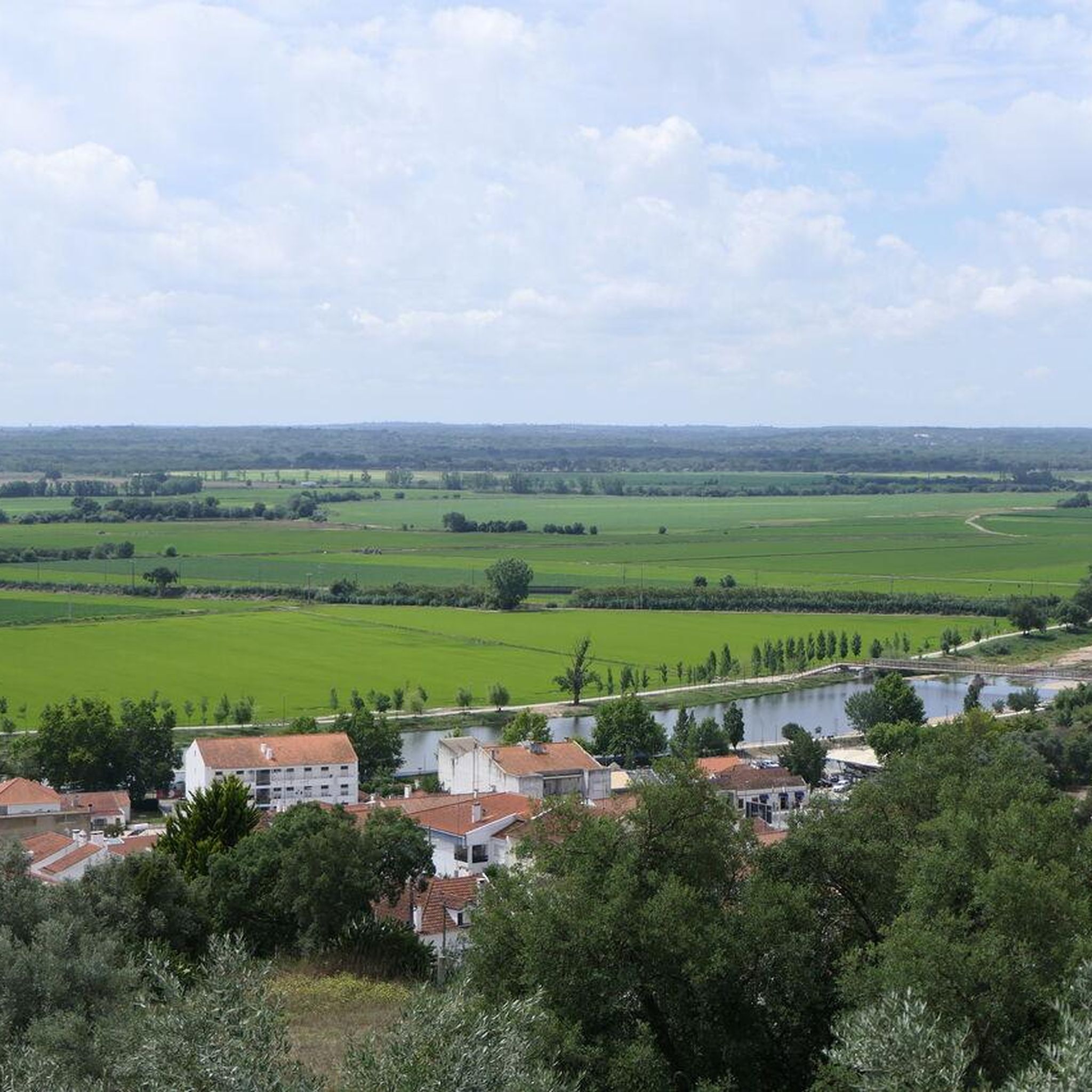
The Sanctuary of Our Lady of the Castle is located in the town of Coruche, Portugal. The church was built on the ruins of an ancient castle destroyed by the Moors. From there, visitors enjoy a panoramic view of Coruche and the Sorraia River. The entrance and parking are wheelchair accessible.
5
0

The Coruche Road Bridge, or General Teófilo da Trindade Bridge, over the Sorraia River, connects the town of Coruche, in Portugal, on the right bank, to the opposite bank. The bridge was inaugurated on August 16, 1930, and was presided over by then president Óscar Carmona (1926–1951). Its construction was due to the efforts and influence of Coruche resident and prominent military man Luis Alberto de Oliveira. It is the largest of all the bridges that cross the Sorraia
7
0

Coruche is a peaceful town in Portugal, located between Ribatejo and Alentejo, known for its white traditional houses by the Sorraia River. Surrounded by fertile fields, it's a hub for agriculture, horse breeding, and cork production. The town features historic sites like the Roman-era Ponte da Corôa, a medieval aqueduct, and 17th-century churches. Nearby, the Agolada and Monte da Barca weirs are popular summer recreation spots.
3
0

Beautiful water tower on slender feet.
9
0
Frequently Asked Questions
What historical sites can I visit in Coruche?
Coruche offers several historical sites. You can explore the Sanctuary of Our Lady of the Castle of Coruche, built on the ruins of an ancient castle and offering panoramic views. Other notable historical structures include the Roman-origin Corôa Bridge and the Medieval Aqueduct of Monte da Barca. The Coruche Municipal Museum, located in the historic center, also houses the oldest bell in Portugal and recounts the village's history.
Are there any natural attractions or parks in Coruche?
Yes, Coruche is rich in natural beauty. The region is defined by its vast cork oak forests (montados) and the meandering Sorraia River, which irrigates fertile plains. You can visit the Magos Dam, a pleasant lake with resting areas. The Gameiro Ecological Park features the Gameiro Dam, a bathing area, and a 1.5-kilometer wooden walkway along the Raia River, offering insights into local flora.
What unique cultural attractions does Coruche offer?
Coruche is known as the 'World Capital of Cork,' and a unique cultural attraction is the Cork Observatory (Observatório do Sobreiro e da Cortiça). This striking building is entirely covered in cork, both externally and in its auditorium, serving as a tribute to the cork oak forest and supporting research in the cork sector.
What outdoor activities are available around Coruche?
The Coruche area is ideal for various outdoor activities. You can find numerous walking and cycling trails along the Sorraia Riverbanks and through the cork oak forests. For cycling enthusiasts, there are dedicated Road Cycling Routes and MTB Trails, as well as Gravel biking routes, including the Vale do Sorraia Gravel Route.
Are there family-friendly attractions in Coruche?
Yes, several attractions in Coruche are suitable for families. The Magos Dam offers a pleasant environment with resting areas and a bar. The Gameiro Ecological Park provides a bathing area, picnic spots, and a wooden walkway, making it an enjoyable destination for all ages. The Sanctuary of Our Lady of the Castle of Coruche is also considered family-friendly, offering historical interest and scenic views.
Where can I find good viewpoints in Coruche?
For stunning panoramic views, head to the Sanctuary of Our Lady of the Castle of Coruche. Perched on a hill, it offers expansive vistas of the town, the Sorraia River, and the floodplain stretching to the horizon. The Gameiro Ecological Park also provides incredible views of the Raia River from its wooden walkway.
What is the best time of year to visit Coruche for outdoor activities?
Coruche's landscape offers intense colors throughout the seasons. For outdoor activities like hiking and cycling, spring and autumn generally provide the most pleasant weather with milder temperatures. Summer can be warm, but activities around the Sorraia River or Gameiro Ecological Park offer opportunities for cooling down.
Are there any unique man-made structures to see?
Beyond historical sites, Coruche features some distinctive man-made structures. The Canha Water Tower is a beautiful and calm monument, noted for its slender design and being a good source of fresh water. The southern entrance to Coruche is also marked by seven metal bridges across the Sorraia River, creating a unique visual display.
What is the local economy of Coruche based on?
The local economy of Coruche is deeply rooted in its natural resources. It is a leading producer of cork, with vast cork oak forests being a defining feature of the landscape. Agriculture is also significant, particularly in the fertile lezíria (floodplain) irrigated by the Sorraia River, where crops like rice, corn, and tomatoes are cultivated. The village of São José de Lamarosa, for example, bases its economy on cork exploitation, eucalyptus, pine nuts, fruit growing, and vineyards.
Can I find places to eat or stay near the attractions?
While specific cafes or pubs near every trail are not detailed, the region offers rural tourism and gastronomy. You can find local specialties like veal, wild bull, fried sprats, honey cake, and pine nut cookies. The Magos Dam has a bar with local specialties, and the village of São José de Lamarosa features a simple restaurant called "o cortiço" known for fresh, homemade food at affordable prices. Accommodation options are available in Coruche and the surrounding areas.
Are there any accessible attractions in Coruche?
Yes, some attractions offer accessibility. The entrance and parking at the Sanctuary of Our Lady of the Castle of Coruche are wheelchair accessible, allowing visitors to enjoy the panoramic views. The Canha Water Tower is also listed as wheelchair accessible. Additionally, the village of São José de Lamarosa is noted as wheelchair accessible.
What is the significance of the Sorraia River to Coruche?
The Sorraia River is central to Coruche's landscape and economy. As a major tributary of the Tagus, it irrigates the fertile plains, making the region crucial for agriculture, particularly rice cultivation. The riverbanks have been revitalized, offering pedestrian and cycling paths, recreational areas, and even a river beach, enhancing its appeal for nature enthusiasts and outdoor activities.

Get inspired with the komoot mobile app


Explore more
Still not found the Highlight you’re looking for? See guides of the top attractions in other regions:
