The best MTB trails around São José Da Lamarosa
4.3
(4)
18
riders
11
rides
Mountain biking around São José Da Lamarosa offers diverse natural landscapes within the Coruche municipality. The region is characterized by alluvial plains, areas of rice production, and extensive Mediterranean forests, including cork oak and stone pine. Riders can expect routes that traverse varied terrains, with the Sorraia River shaping the local topography. These natural features provide a rich environment for mountain biking, blending scenic panoramas with challenging trails.
Best mountain bike trails around São José Da Lamarosa
- The most popular…
Last updated: June 27, 2026
6
riders
Hard mountain bike ride. Very good fitness required. Suitable for all skill levels.
5.0
(1)
2
riders
30.8km
02:29
230m
230m
Moderate mountain bike ride. Good fitness required. Advanced riding skills necessary.

Sign up for free
5.0
(1)
2
riders
28.4km
02:21
210m
210m
Moderate mountain bike ride. Good fitness required. Suitable for all skill levels.
3.0
(1)
2
riders
21.6km
01:33
90m
90m
Moderate mountain bike ride. Great for any fitness level. Advanced riding skills necessary.
5
riders
Hard mountain bike ride. Very good fitness required. Suitable for all skill levels.
Get access to more routes and recommendations from other explorers.
Sign up for free
Already have an account?
Our route recommendations are based on thousands of hikes, rides, and runs completed by other people on komoot.
Start today with a free account
Your next adventure awaits.
Login or Signup
Popular around São José Da Lamarosa

Tips from the Community

Coruche is a quiet Portuguese municipality with over 20,000 inhabitants, located in the district of Santarém, internationally renowned as the "World Capital of Cork". Strategically positioned along the Sorraia River in a transitional area between Ribatejo and Alentejo, the territory produces about 8% of the world's cork and around 5 million corks per day. In addition to the forestry industry, the town stands out for its traditional low white houses, fertile agricultural fields, horse breeding, and a strong imprint linked to nature tourism.
1
0

Built during the Roman period, it is an important vestige of that people's presence in the municipality. The Roman presence in the parish of Muge is clearly evident in the area of Porto de Sabugueiro. The most striking vestiges of this historical period are found here. Porto de Sabugueiro, due to its proximity to the Tagus River, was an important river port during the Roman period. Excavations and published studies define this location as an important Roman village, with ceramic production, due to the existence of a ceramic kiln found here in the 1960s. Approximately 400 meters from this location is the Roman Bridge, which crosses the Muge stream. The construction techniques used, especially in the larger arch, undoubtedly indicate a Roman origin; however, the two smaller arches, due to their typology, are attributable to the Middle Ages. This bridge was one of the main crossing points connecting Muge to the interior of the country (Alentejo) and to the city of Santarém. It possesses undeniable historical value, forming part of the memory and heritage identity of the municipality of Salvaterra de Magos. (Source: www.salvaterrademagos.pt)
16
0

Coruche is a peaceful town in Portugal, located between Ribatejo and Alentejo, known for its white traditional houses by the Sorraia River. Surrounded by fertile fields, it's a hub for agriculture, horse breeding, and cork production. The town features historic sites like the Roman-era Ponte da Corôa, a medieval aqueduct, and 17th-century churches. Nearby, the Agolada and Monte da Barca weirs are popular summer recreation spots.
3
0

Delicious bifana to recharge your batteries :)
1
0

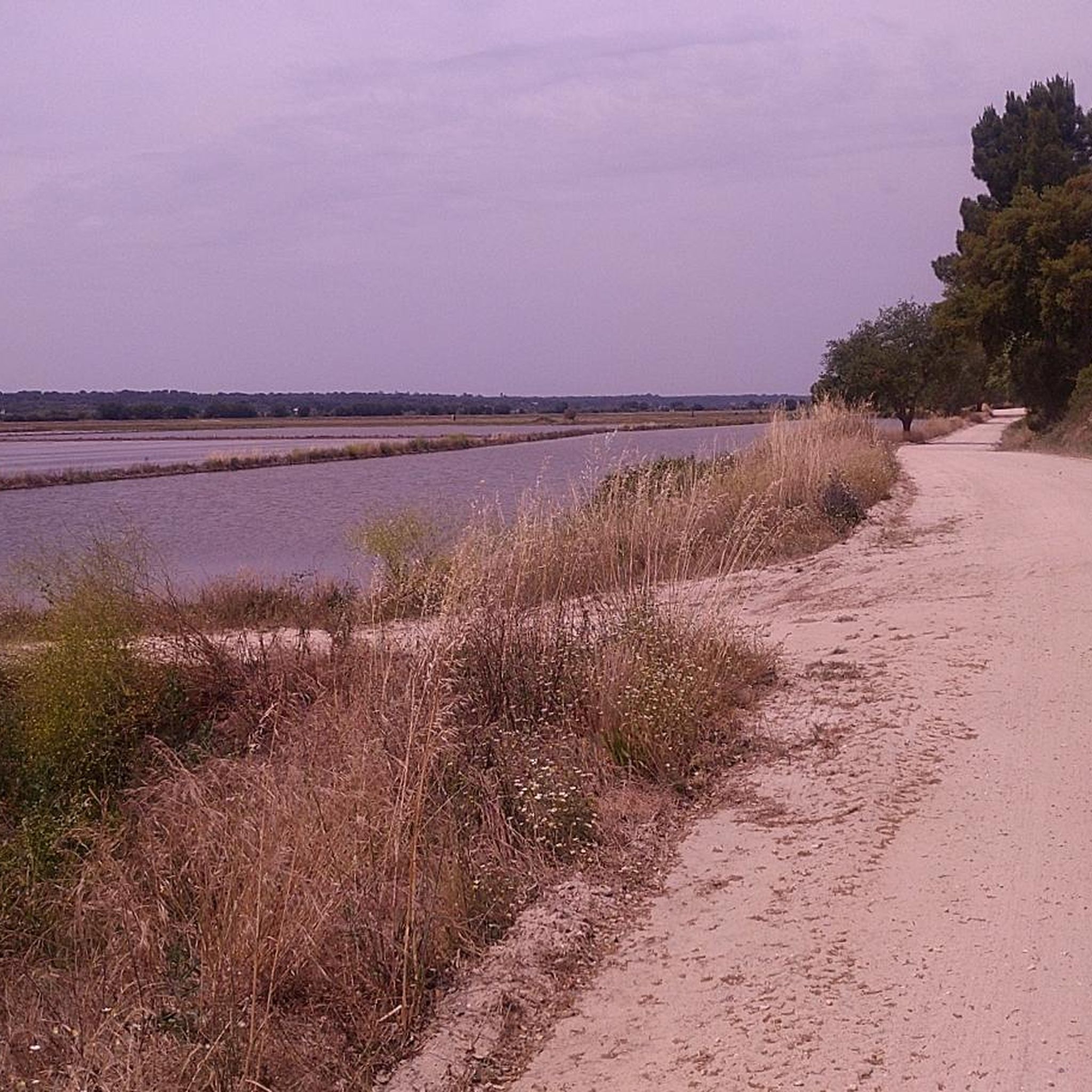
Not recommended at the moment. The wet, sandy ground is often completely under water. A parallel, higher route is already partially under construction.
4
0


Roman bridge, renovated in medieval times, which crosses the Muge stream, with a pebble deck and guardrails opened through slits, resting on 3 unequal arches, with a perfect turn. From the construction apparatus used, especially the larger arch, it is undoubtedly Roman in origin, however the other two smaller arches, due to their typology, are attributable to the Middle Ages. This Bridge was once one of the main crossing points, which connected Muge, both to the interior of the country (Alentejo) and to the city of Santarém.
8
0

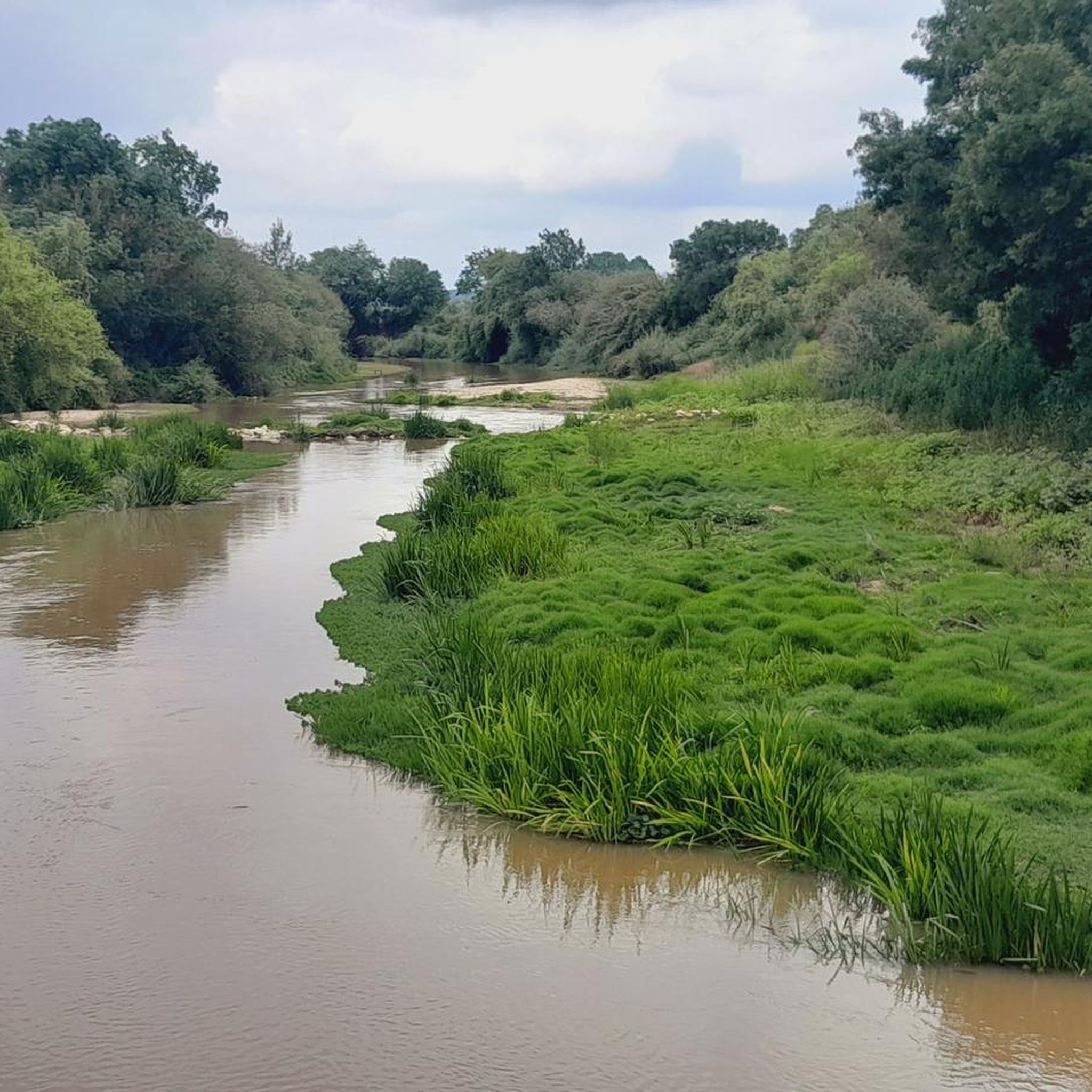
Picnic area with water and bathroom, tables, swings and an amazing view over the Sorraia river.
0
0
Frequently Asked Questions
How many mountain bike trails are available around São José Da Lamarosa?
There are 12 mountain bike trails around São José Da Lamarosa listed on komoot, offering a variety of experiences for different skill levels.
What are the typical difficulty levels for mountain biking in this region?
The mountain bike trails around São José Da Lamarosa primarily range from moderate to difficult. You'll find 8 moderate routes and 4 difficult routes, ensuring options for both experienced riders and those looking for a challenge.
Are there any family-friendly mountain bike trails suitable for children?
While the listed trails are generally moderate to difficult, the region's diverse landscapes, including flat alluvial plains and less technical sections within the cork oak forests, might offer suitable areas for families. For a moderate option, consider the Roman Bridge of Muge – Watch out for trains! loop from Granho, which is 21.6 km long and has minimal elevation gain.
What kind of landscapes can I expect to see while mountain biking around São José Da Lamarosa?
You can expect a diverse range of landscapes, from the fertile alluvial plains and rice production areas along the Sorraia River to extensive Mediterranean forests, particularly cork oak and stone pine. Many routes also integrate with historical paths, offering a blend of natural beauty and cultural interest.
Are there any specific landmarks or points of interest along the mountain bike routes?
Yes, several routes pass by interesting points. For instance, the Roman Bridge of Muge – Watch out for trains! loop from Granho takes you past the historic Roman Bridge. You might also encounter the Vale do Sorraia Gravel Route, which is a highlight in itself, or the Sandy Banks of the Rio Sorraia.
What do other mountain bikers say about the trails in São José Da Lamarosa?
The mountain bike trails in São José Da Lamarosa are highly rated by the komoot community, with an average score of 4.4 out of 5 stars from 5 reviews. Riders often praise the varied terrain and the scenic beauty of the river plains and cork oak forests.
Are there any circular mountain bike routes available?
Yes, many of the routes are designed as loops. Examples include the challenging Source of the Supariba River – Vale do Sorraia Gravel Route loop from Erra (85.3 km) and the moderate Weir loop from Granho (30.8 km).
What is the best time of year for mountain biking in São José Da Lamarosa?
The region's climate, with its Mediterranean characteristics, generally makes spring and autumn ideal for mountain biking, offering milder temperatures. Summers can be hot, and some riverine areas might experience sandy and humid subsoil that can be underwater during wetter periods, so checking local conditions is advisable.
Is there dedicated parking available near the trailheads?
While specific parking areas for each trailhead are not detailed, the broader Coruche area, which includes São José Da Lamarosa, is home to the Erra - Coruche Cyclin'Portugal Centre. This center provides amenities for cyclists, suggesting that parking facilities are likely available in key cycling hubs within the municipality.
Are there any facilities like cafes or restaurants near the mountain bike trails?
São José Da Lamarosa is located within the municipality of Coruche, which is known for its local amenities. While specific cafes directly on every trail are not guaranteed, you can find cafes, restaurants, and accommodation options in the nearby settlements like Coruche and São José de Lamarosa itself, which can serve as good starting or ending points for your rides.
What is the longest mountain bike trail available in the area?
The longest mountain bike trail listed is the Vale do Sorraia Gravel Route – Nó do Peso canal bridge loop from Coruche, which spans 128.9 km and is classified as difficult, taking approximately 9 hours and 40 minutes to complete.
Are there any resources for cyclists in the wider Coruche region?
Yes, the broader Coruche area actively supports cycling through initiatives like the Erra - Coruche Cyclin'Portugal Centre. This hub offers amenities such as toilets, changing rooms, bike wash facilities, and minor repair services, making it a valuable resource for mountain bikers in the region.
Most popular routes around São José Da Lamarosa
Most popular attractions around São José Da Lamarosa

Get inspired with the komoot mobile app


Explore more
Browse the best MTB trails in other regions.
