Attractions and Places To See around Penhascoso - Top 5
Best attractions and places to see around Penhascoso include a variety of natural features, historical sites, and cultural heritage points. Located in the municipality of Mação, Portugal, Penhascoso is recognized as the geocentric point of Portugal. The area offers a blend of history, culture, and natural beauty, providing diverse exploration opportunities. Visitors can discover ancient settlements, impressive natural cascades, and scenic viewpoints.
Best attractions and places to see around Penhascoso
- The most popular attractions is Praia Fluvial do Penedo Furado…
Last updated: October 18, 2026
Praia Fluvial do Penedo Furado
Highlight • Beach
Translated by Google •
Tip by

Belver Bridge
Highlight • Bridge
It belonged to the Order of the …
Translated by Google •
Tip by

Sign up now to discover places like this
Get recommendations on the best single tracks, peaks, & plenty of other exciting outdoor places.
Belver Castle
Highlight • Castle
It was built by the Order of the Hospitallers in the late 12th century early …
Tip by

Anta do Penedo Gordo
Highlight • Historical Site
Translated by Google •
Tip by

Hiking trail to Praia do Alamal
Highlight • Trail
Tip by

Sign up for free to discover even more attractions around Penhascoso.
Already have an account?
Start today with a free account
Your next adventure awaits.

Tips from the Community

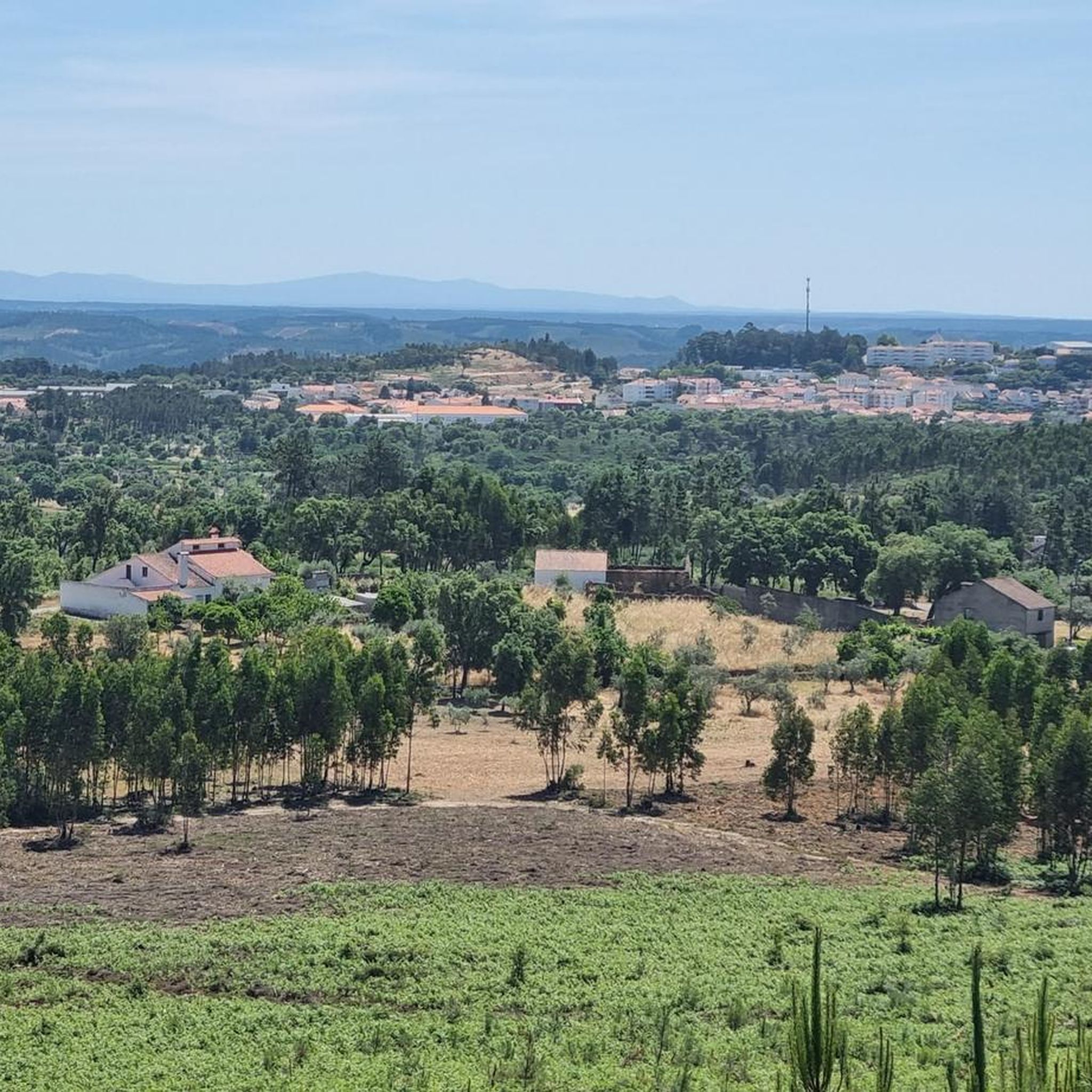
The Anta do Penedo Gordo stands like a stone echo from ancient times. With its polygonal chamber formed by nine pillars and a corridor flanked by four on each side, this megalithic monument still preserves traces of the ancient mound, visible mainly to the south. Its construction dates back to the Late Neolithic or Chalcolithic period (between 3500 and 2000 BC) when the landscape was filled with mystery, rituals and stories carved into the rock.
1
0

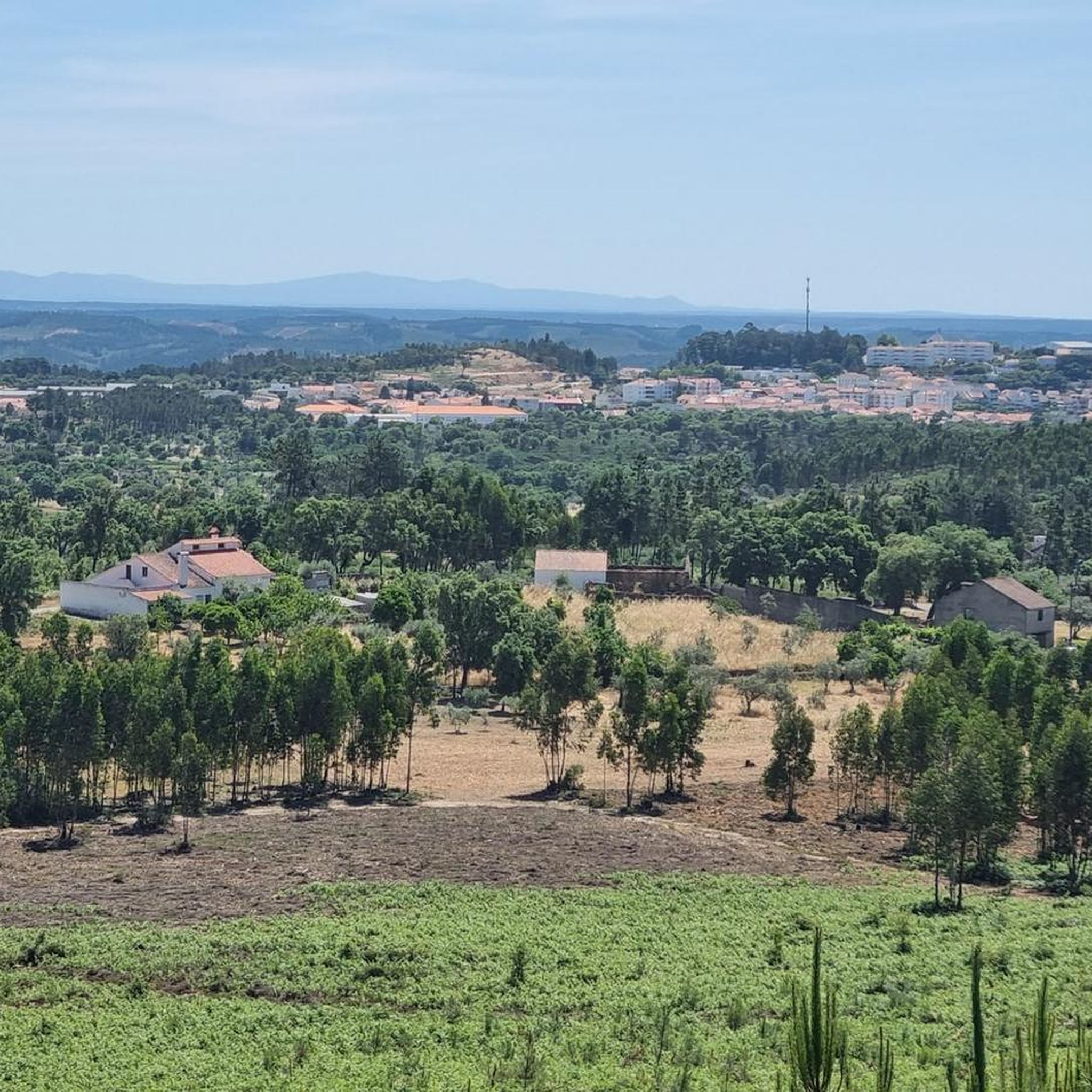
The historic Castle of Belver (Castelo de Belver) is one of Portugal's most beautiful castles. It was built by the Order of the Hospitallers in the late 12th century early 13th century on the border between what was then Christian and Islamic Portugal - the River Tagus. The castle is on a hill on the northern bank of the river. The name comes from belo ver or "beautiful to see."
1
0


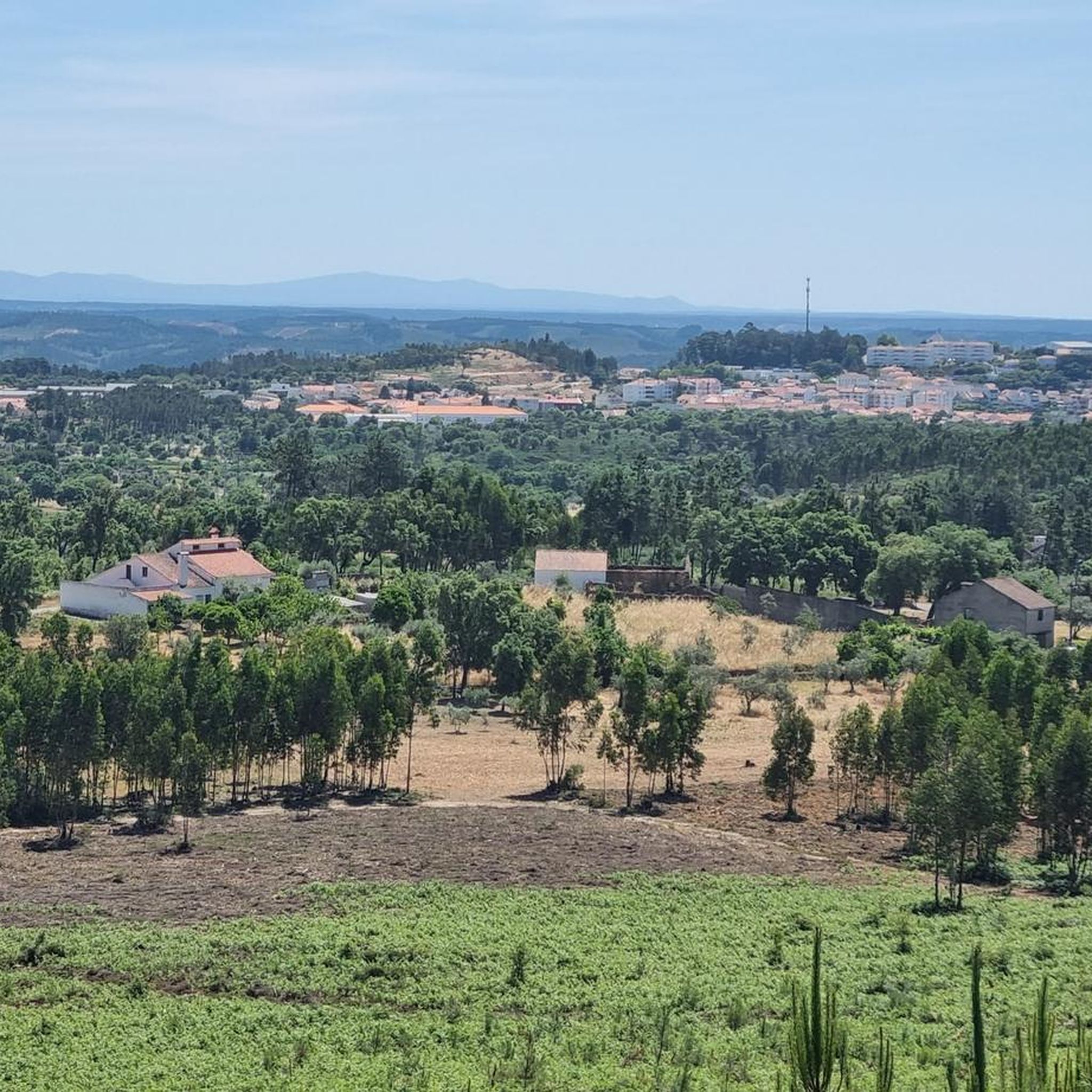
Belver is a Portuguese village and parish in the municipality of Gavião, with an area of 69.84 km² and 560 inhabitants (2021 census). It belonged to the Order of the Hospital, by donation from D. Sancho I, and was the seat of an independent municipality between 1518 and 1836. It was made up of the parishes of Belver and Comenda and had, in 1801, 1403 inhabitants. When the municipality was dissolved, the parish then moved to the municipality of Mação, where it remained integrated until 1898, when it passed to the then restored municipality of Gavião.
2
0

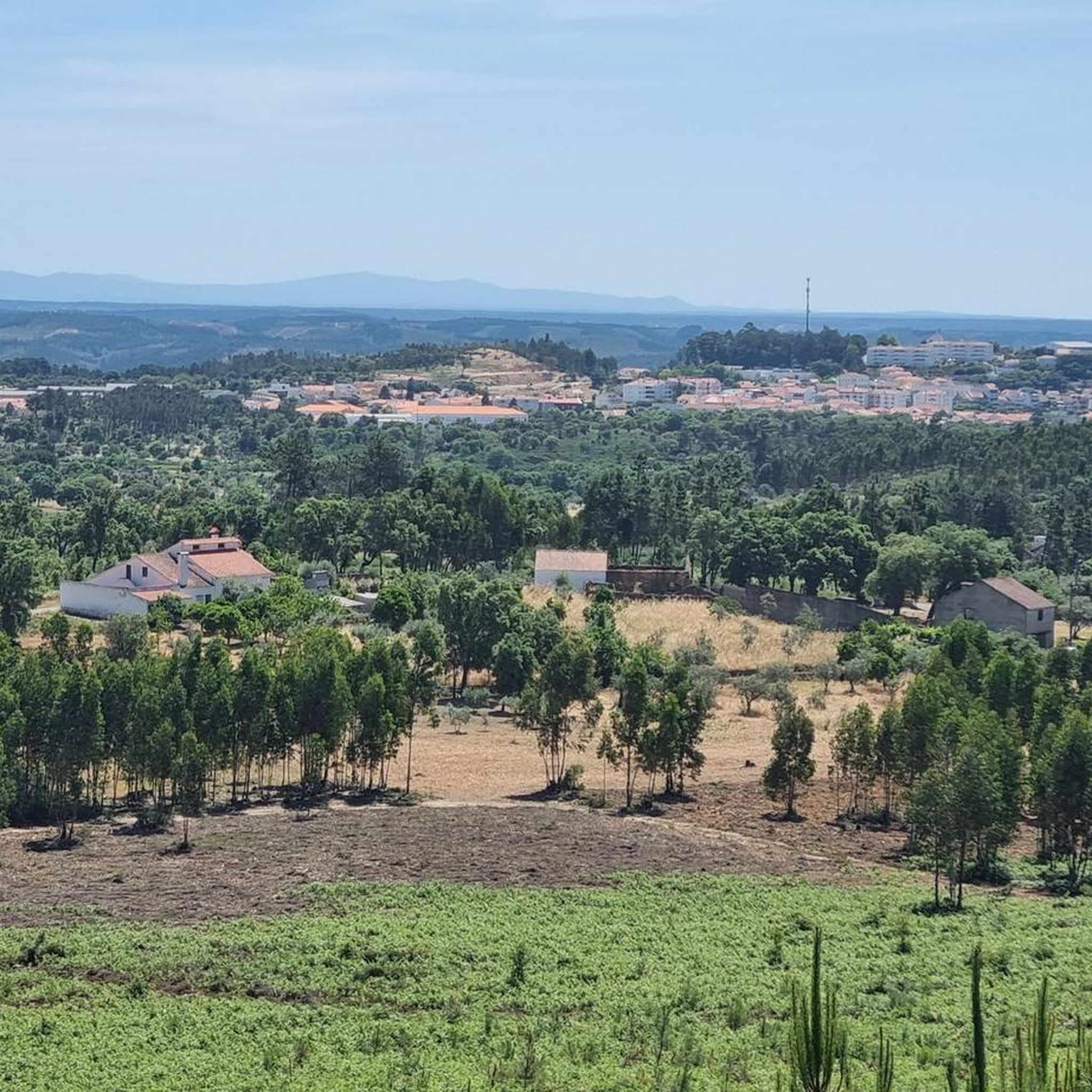
Here begins a hiking trail to Praia do Alamal. The trail is not cyclable (it is a single trail, full of ups and downs, with some stairs to climb). From Praia do Alamal you can continue the hike through "Passadiços do alamal" (a man-made wood path next to the river) that go until Belver bridge.
0
0

The river beach Praia Fluvial do Penedo Furado has a lot to offer: a large, shady natural swimming pool, beautiful boardwalks, mysterious fossils, spectacular waterfalls and small ponds connected by streams. There is a larger cafe, a picnic area with BBQ ovens and restrooms. A little more time should be planned for the short hike along the Passadiço. There is too much to see and it's always uphill and downhill.
2
0

Frequently Asked Questions
What natural features and viewpoints can I explore around Penhascoso?
The region offers several stunning natural features and viewpoints. You can visit the Praia Fluvial do Penedo Furado, a river beach with waterfalls and natural pools. For panoramic views, head to the Panoramic Swing of the Serra do Bando or the Natural Viewpoint of Serra do Corvo, Queixoperra, which is also excellent for birdwatching. The Serra do Bando dos Santos Viewpoint also provides breathtaking vistas.
Are there any impressive waterfalls or natural cascades in the area?
Yes, Penhascoso is home to several beautiful waterfalls and cascades. The Penha do Avento Waterfall, near Aboboreira, is an almost 10-meter steep cascade. You can also discover the impressive natural cascade of cold, clear waters at Bica do Chorro in Caratão Mação, or the rewarding Chão do Brejo Falls, especially after exploring the local trails.
What historical sites can I visit near Penhascoso?
The area is rich in history. You can explore the ancient Belver Castle, built by the Order of the Hospitallers, offering views over the Tagus River. The Belver Bridge is another historical landmark. Traces of a 'castro' (fortified settlement) indicate the ancient origins of Penhascoso, and the Old Castle of Caratão features ruins and evidence of human activity dating back 3000 years BC.
Are there any ancient archaeological sites in the region?
Absolutely. The Anta do Penedo Gordo is a significant megalithic monument from the Late Neolithic or Chalcolithic period. You can also visit the Cobragança Archaeological Station (Fragas do Diabo) near Caratão, which features mysterious rock art inscriptions from the Late Bronze Age.
What cultural attractions are available in the Penhascoso area?
For cultural insights, visit the Fonte Velha de Penhascoso, an old fountain built in 1828 with magnificent blue tiles. The Museum of Prehistoric and Sacred Art in Mação houses a rich archaeological collection focusing on rupestrian art. The Mação Mother Church, with nearly five centuries of history, features a gilded altarpiece and polychrome tile panels.
Are there family-friendly attractions around Penhascoso?
Yes, the Praia Fluvial do Penedo Furado is highly recommended for families, offering a large, shaded natural swimming pool, boardwalks, picnic areas, and a cafe. The Watermills of Poço das Talhas also provide a pleasant space for picnics amidst refreshing vegetation.
What hiking opportunities are available near Penhascoso?
There are numerous hiking opportunities. You can explore the Penhascoso Route, an 18-kilometer trail highlighting ancient agricultural professions and Roman influence. The Chão do Brejo Falls area also features a picnic park and trails. For more options, check out the Hiking around Penhascoso guide, which includes routes like the 'Arribas do Tejo Trail' and easy loops around Praia Fluvial do Penedo Furado.
Can I find cycling routes around Penhascoso?
Yes, the region is suitable for cycling. You can find various routes for both mountain biking and road cycling. For mountain biking, explore the MTB Trails around Penhascoso guide. For road cycling, the Road Cycling Routes around Penhascoso guide offers options like the 'Aquapolis Sul loop' and the 'Férrea Spring of the Three Spouts loop'.
Where can I go for a swim or relax by the water?
The Praia Fluvial do Penedo Furado is an excellent choice, offering a large natural swimming pool, waterfalls, and small ponds. The Bica do Chorro also provides an impressive natural cascade with cold, clear waters, perfect for a refreshing dip after a scenic walk.
What is the best time of year to visit Penhascoso for outdoor activities?
Spring and autumn generally offer the most pleasant weather for outdoor activities in Penhascoso, with milder temperatures ideal for hiking and cycling. Summer can be quite warm, making water-based activities particularly appealing. Winter offers a different charm, though some trails might be more challenging.
Are there any unique geological sites near Penhascoso?
Yes, the area is known for its geosites. You can explore the Dobras Field Bando dos Santos, Lower Devonian Quartzites, and the Top of the Serra do Bando dos Santos. The Fraga da Penha geosite is also a notable point along the Penhascoso Route, and the Buraca da Serpe is an impressive natural grotto.
What do visitors enjoy the most about Penhascoso?
Visitors particularly enjoy the blend of natural beauty and historical significance. The Praia Fluvial do Penedo Furado is highly praised for its natural swimming pool, boardwalks, and waterfalls. The historical castles and ancient archaeological sites also captivate those interested in the region's past, while the numerous viewpoints offer stunning vistas.
Most popular routes around Penhascoso

Get inspired with the komoot mobile app


Explore more
Still not found the Highlight you’re looking for? See guides of the top attractions in other regions:
