The best walks and hikes around Cercal
4.6
(33)
175
hikers
6
hikes
Hiking around Cercal, located in the Alentejo Litoral region of Portugal, offers diverse landscapes for outdoor enthusiasts. The area features rugged coastlines with beaches, alongside the inland rural charm of the Cercal mountain range. This region is characterized by a mosaic of small farms, orchards, and cork oak forests, providing varied terrain for exploration. It is also a biodiversity hotspot, with numerous plant species and traces of wildlife.
Best hiking trails around Cercal
- The most popular hiking route is Pope…
Last updated: June 24, 2026
4.8
(4)
24
hikers
3.97km
01:11
120m
120m
Easy hike. Great for any fitness level. Easily-accessible paths. Suitable for all skill levels.
4.6
(5)
12
hikers
8.96km
02:22
80m
80m
Moderate hike. Good fitness required. Easily-accessible paths. Suitable for all skill levels.

Sign up for free
15
hikers
3.47km
00:54
20m
20m
Easy hike. Great for any fitness level. Easily-accessible paths. Suitable for all skill levels.
4.0
(2)
3
hikers
5.47km
01:37
160m
160m
Easy hike. Great for any fitness level. Easily-accessible paths. Suitable for all skill levels.
3.0
(1)
2
hikers
6.44km
01:49
140m
140m
Easy hike. Great for any fitness level. Easily-accessible paths. Suitable for all skill levels.
Our route recommendations are based on thousands of hikes, rides, and runs completed by other people on komoot.
Start today with a free account
Your next adventure awaits.
Login or Signup

Tips from the Community

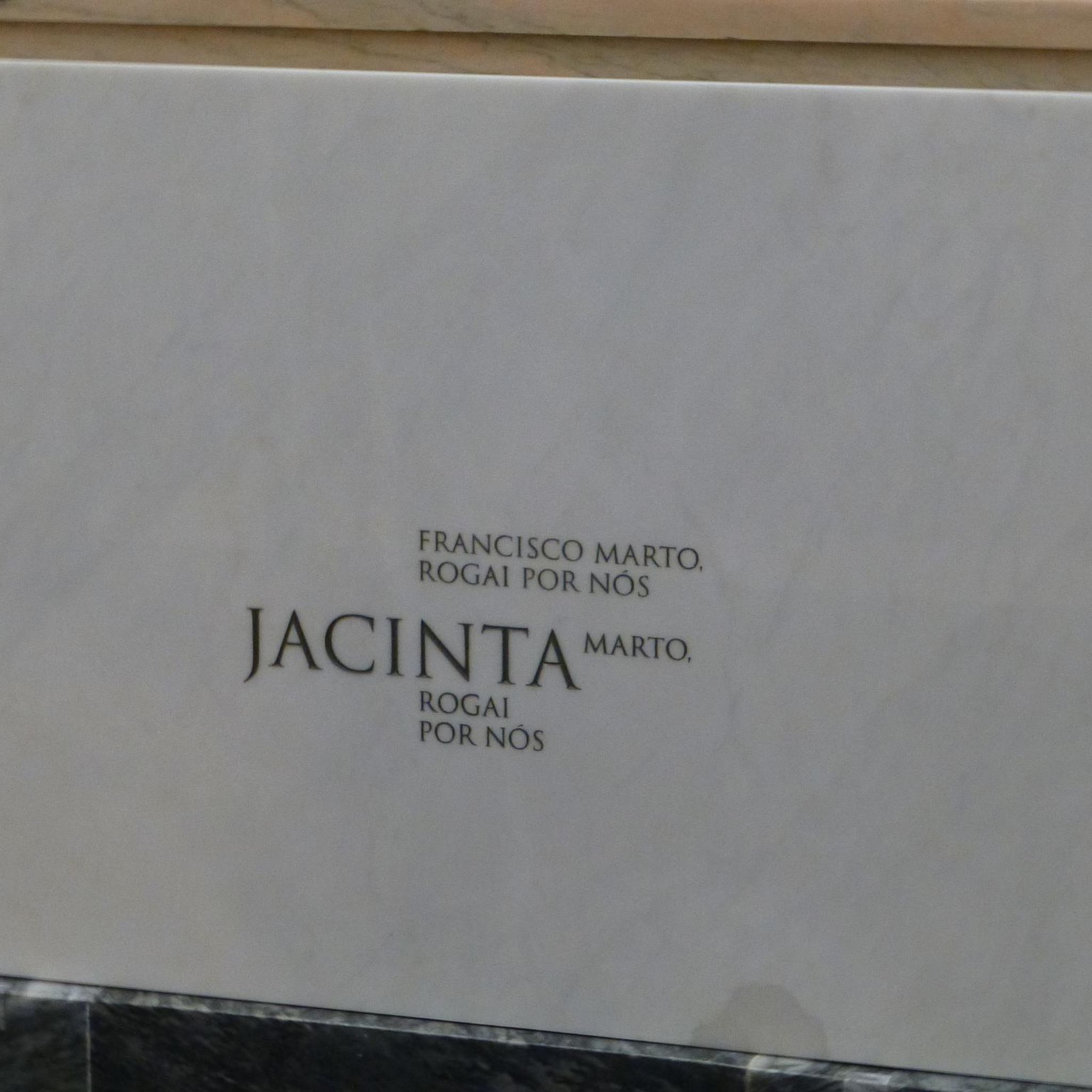
The Sanctuary of Fatima, in central Portugal, is one of the most important pilgrimage sites in the world. Basilica of Our Lady of the Rosary Neo-Baroque style, with a 65-meter tower crowned by a large cross. It houses the tombs of the three shepherd children: Lucia, Francisco, and Jacinta. Chapel of the Apparitions Marks the exact spot where the Virgin Mary appeared in 1917. An intimate space, frequently visited by pilgrims to pray and light candles. Basilica of the Holy Trinity Inaugurated in 2007, with modern architecture and a capacity for more than 8,000 people. It contrasts with the classical style of the Basilica of the Rosary. Sanctuary Esplanade Large square where Masses and processions are held, especially on May 13 and October 13.
7
0

Great, if you are in the area, you should definitely pay a visit
1
1

The chapel was built in 1919 in response to a request from Our Lady of the Rosary: I want a chapel to be built here in my honour. A little bigger than a niche, the chapel was born from the volunteer work of Maria dos Santos Carreira, a woman from the people who had been coming to Cova da Iria since 13 June 1917. However, before the chapel was built, there was a wooden arch built over the holm oak of the apparitions. Maria dos Santos Carreira began by clearing the undergrowth around the holm oak and decorating it with flowers and devotional ribbons. Then, with the help of her husband, she built a wall around the holm oak and erected a wooden arch. When this arch was destroyed in October 1917 and taken to Santarém (to be displayed there in a parody of a procession), the people were already leaving alms next to the holm oak. It was Maria dos Santos Carreira who carefully stored these alms. The first were 30 réis and a few pieces of fruit. But she soon had a cloth bag full of coins. The fate of the alms left in Fátima was so important that Father Manuel Nunes Formigão included it in the interrogation he conducted with Lúcia: “What did Our Lady say should be done with the money that the people deposit in Cova da Iria, near the holm oak tree?” Father Formigão asked Lúcia, who, in her response, said that these were the orders the Lady gave her: “She said that part of the money would be used for the cult and festival of Our Lady of the Rosary and the rest would be used to help build a new chapel.”
4
1
The High Cross is a monument erected on 29 August 2007 at the Sanctuary of Fátima, designed by the artist Robert Schad and measuring 34 metres in height. It was built to replace the old High Cross, which was 27 metres high and erected to mark the end of the Holy Year of 1950/1951, and which was located at the back of the prayer area, where the Basilica of the Holy Trinity is now located. It was donated to the National Sanctuary of Christ the King, in Almada.[1] It was built by the Portuguese company 'Mecanidraulica (Maia) and transported in 4 parts to Fátima. The oxidation of the corten steel, the material in which it was built, gives it an appearance that changes colour, becoming redder in dry weather and darker in the rain. A living Cross, with its own personality, just like Fátima
4
0
During this International Anniversary Pilgrimage in May 2022, the 5th anniversary of the canonization of Francisco and Jacinta Marto will be celebrated, who on May 13, 2017 became the youngest non-martyr saints of the Church. The canonization took place in Cova da Iria, during the celebrations of the Centenary of the Apparitions, presided over by Pope Francis, after a miracle attributed to Francisco and Jacinta was approved, validated by the Vatican on March 23, 2017 and announced on April 20, at the end of the Ordinary Public Consistory to vote on some Causes of Canonization, in what would be the last stage of a process that lasted 65 years. At 10:26 am on May 13, 2017, the Holy Father declared the sanctity of Francisco and Jacinta Marto at the altar of the Prayer Area, in a canonization rite that took place at the beginning of the Mass and after the formal request of the then bishop of Leiria-Fátima, D. António Marto, accompanied by the Postulator of the Cause of Canonization of Francisco and Jacinta, a moment that is remembered on the eve of the Sanctuary of Fátima.
4
1
The Sanctuary of Fátima is one of the most important pilgrimage sites in the Catholic world. It is located in the city of Fátima, Portugal, and is the place where the Virgin Mary is said to have appeared to three children in 1917. These children were Lúcia dos Santos, aged 10, and her cousins Francisco Marto, aged 9, and Jacinta Marto, aged 7.
5
1
“The small chapel in which we find ourselves is like a beautiful image of the Church: welcoming, without doors. The Church has no doors, so that everyone can enter. […] Because this is the mother’s house, and a mother’s heart is always open to all her children. Everyone, everyone, everyone. Without exclusion.” Not only the Chapel of the Apparitions, but the entire space of the Prayer Area of the Shrine of Fátima is perceived by those who visit it as a church without doors where everyone, without exception, can enter and leave freely. Whoever comes, with more or less faith, or even no faith at all, whether they practice religious regularly, occasionally or residually, whether they belong to the Church to a greater or lesser extent, whatever their history and representations of God, can enter and leave freely. In this place there is no doorman, no one is asked for credentials, nothing is asked of them in return — neither that they return nor that they start living in a different way. The experience of coming to the Shrine of Fátima offers an unconditional and free possibility of contact with the transcendent. Anonymity, which in ordinary life is a depersonalizing factor, in the experience of the Shrine is often synonymous with discretion, making each person, regardless of their status quo, a member of a people, a pilgrim and a brother to all in the awareness of their own fragility and in the search for the face of God. All are children in search. In the face of the crowds that visit the Shrine and the decreasing number of parish assemblies, some present their criticisms. It may be that, for many, the experience of Fátima satisfies a comfortable à la carte Christian practice, accentuating the deep-seated individualism that characterizes Western societies of our century: consumer, without commitment, when they want, if they want and how they want.
3
0
The Chapel of the Apparitions is a small chapel located in Cova da Iria that was built in the 1920s to mark the exact spot where three little shepherds reported receiving the famous apparitions of the Blessed Virgin Mary in Fátima, Portugal.
9
0
Frequently Asked Questions
What kind of landscapes can I expect to see while hiking around Cercal?
Hiking around Cercal offers a diverse blend of landscapes. You'll encounter rugged coastlines with stunning beaches like Malhão and Engardaceira, as well as the inland rural charm of the Cercal mountain range. Trails often traverse a mosaic of small farms, orchards, and cork oak forests, showcasing the authentic Alentejo rural life.
Are there any easy hiking trails suitable for beginners in Cercal?
Yes, Cercal offers several easy hiking options. The region features a variety of paths that lead through gentle rural landscapes, including centuries-old paths, gardens, and wheat fields. These routes are perfect for those looking for a relaxed walk to experience the local environment without significant elevation changes.
What are the most notable natural features or landmarks to look out for on Cercal's trails?
Cercal is rich in natural beauty. Along the coast, you can admire the dramatic cliffs and beaches, including the remote Malhão Beach and the historic Pessegueiro Island Beach. Inland, the Cercal mountain range provides varied terrain. The area is also a biodiversity hotspot, with over 150 plant species, including wild honeysuckle, lavender, and cork oak forests. Keep an eye out for diverse birdlife and traces of wild boar.
Can I find circular hiking routes in the Cercal area?
Yes, circular routes are a popular feature of hiking around Cercal. Many trails are designed as loops, allowing you to start and end in the same location while exploring the region's diverse ecosystems, rural farmlands, and charming villages. These routes are highly favored by local hikers for their convenience and immersive experience.
Is Cercal a good destination for family-friendly hikes?
Absolutely. Cercal offers numerous paths suitable for families. Many trails are relatively easy and pass through picturesque rural settings, making them ideal for walks with children. The diverse flora and fauna, along with glimpses of traditional Alentejo life, provide an engaging experience for all ages.
What is the best time of year to go hiking in Cercal?
The best time to hike in Cercal is typically during the spring (March to May) and autumn (September to November). During these seasons, the weather is milder, and the natural landscapes are at their most vibrant, with blooming wildflowers in spring and pleasant temperatures in autumn. Summers can be very hot, especially inland, while winters are generally mild but can be rainy.
What do other hikers say about the trails in Cercal?
The hiking trails in Cercal are highly regarded by the komoot community, with an impressive average rating of 4.7 out of 5 stars from over 25 reviews. Hikers frequently praise the region's diverse landscapes, from rugged coastlines to tranquil rural paths, and the opportunity to experience authentic Alentejo life.
Are there any historical sites or cultural attractions near the hiking trails in Cercal?
Yes, Cercal has a rich historical context. The area shows vestiges of human activity since prehistory, with significant Roman occupation due to its favorable relief and abundant water sources. You can find ancient paths and traditional rural architecture along many routes, offering a glimpse into the region's past. The Quinta da Mandorelha is also noted as an emblematic location with historical cultural significance.
What kind of wildlife might I encounter on the trails around Cercal?
The Cercal region supports a variety of wildlife, making for interesting encounters on your hikes. You might spot various wild birds such as carrion crows, white wagtails, cattle egrets, and corn buntings. Traces of wild boar, including mud wallows and rooting, can also be found in the more secluded areas.
Are there any challenging hiking options for experienced hikers in Cercal?
Yes, for more experienced hikers, Cercal is a key point on the renowned Rota Vicentina. Sections of the challenging Fishermen's Trail pass through the area, offering demanding routes along dunes and magnificent coastal views, including those of Ilha do Pessegueiro. These trails provide a more strenuous experience with rewarding vistas.
What types of plants and trees are common along Cercal's hiking routes?
Cercal is a true biodiversity hotspot. Along the routes, you'll find over 150 different plant species, including wild plants like honeysuckle, gum rockrose, lavender, kermes oak, and wild asparagus. The landscape also features extensive eucalyptus and cork oak forests, and the distinctive strawberry tree. A quarter of these plants are endemic to the Iberian Peninsula, with some found exclusively on Portugal's southwest coast.
Are there any specific attractions or points of interest in the wider Cercal region?
While the provided routes are not directly within Cercal, the broader region of Alentejo Litoral offers various points of interest. For example, further afield, you can explore significant religious sites such as the Basilica of the Most Holy Trinity and the Sanctuary of Fátima, which are notable landmarks in Portugal.
Most popular attractions around Cercal

Get inspired with the komoot mobile app


Explore more
Browse the best Hikes in other regions.
