Attractions and Places To See around Azambujeira - Top 20
Attractions and places to see around Azambujeira include historical sites, natural monuments, and cultural landmarks. The region features diverse points of interest, from architectural heritage to significant natural areas. Visitors can explore a variety of settings, offering insights into local history and biodiversity.
Best attractions and places to see around Azambujeira
- The most popular attractions is Pina Manique Palace, a man-made monument. This unfinished palace was part of an ambitious project to create a town with a rationalist architectural…
Last updated: July 1, 2026
Pina Manique Palace
Highlight • Monument
Translated by Google •
Tip by

Cathedral of Santarém
Highlight • Religious Site
Translated by Google •
Tip by

Sign up now to discover places like this
Get recommendations on the best single tracks, peaks, & plenty of other exciting outdoor places.
Sign up for free
Paúl de Manique do Intendente.
Highlight • Lake
Translated by Google •
Tip by
Hoopoe Mural by Bordalo II, Rua 1º de Novembro, Santarém
Highlight • Monument
Translated by Google •
Tip by
Sá da Bandeira Square
Highlight • Settlement
Translated by Google •
Tip by
Sign up for free to discover even more attractions around Azambujeira.
Sign up for free
Already have an account?
Start today with a free account
Your next adventure awaits.
Login or Signup

Tips from the Community

The palace was built by the superintendent Diogo Inácio de Pina Manique (1733-1805), who held several positions during the time of the Marquis of Pombal. His connection to the town, which came to be called Manique do Intendente and was initially called Alcoentrinho, and which belonged to the Order of Christ, dates back to the time of his uncle, who established a manor in favor of his nephew in 1773. Thus began a very ambitious project, which envisaged the creation of a town with a rationalist architectural design and which included, in addition to the palace (whose construction remained unfinished), the Town Hall, the pillory, the Palace of Justice and the church. This plan did not go ahead due to Pina Manique's removal from the position of superintendent and his premature death.
4
0

The city has a certain charm, but it has faded for many years... As if the city had its heyday in the 1980s. Unfortunately, many shops are empty and the houses are falling into disrepair. Here and there, restoration and new construction is taking place, after all, it has remained Portuguese since 1147 AD. What is still very well preserved is the market hall with its typical ceramic tiles.
10
2
The most impressive building in the city and also the backdrop to the city's central square. This is where the community meets and there are cafes and a tavern.
25
2
I can only agree with Marian, it is really beautiful and impressive, and the location is well chosen. Along with the bee in Lisbon and the rabbit in Porto, this is another work of art made from rubbish.
23
2

Worth seeing cathedral on the main square of the city of Santarem. Headquarters of the diocese of Santarém. The gilded wood carvings in the side altars are beautiful.
2
9
“Paul Natura”, Manique do Intendente https://www.youtube.com/watch?v=9nKhlLvOrJw
3
0
Paúl de Manique do Intendente is an area of around 97,000 square meters that constitutes a very rich natural heritage of great importance in terms of biodiversity, namely in terms of avifauna, already recognized at national level. It is an ecosystem composed of more than 180 species, where you can find 5 "simply unique" species such as the striped tortoise, the common caiman, the otter, the black stork and the reed. The municipality has been focusing on promoting this space, having recently advanced with the installation of an infrastructure for the observation of the fauna and flora of Pául, which aims to promote knowledge, protection and preservation of this unique and so rich ecosystem for the Municipality of Azambuja and for the entire region.
5
0

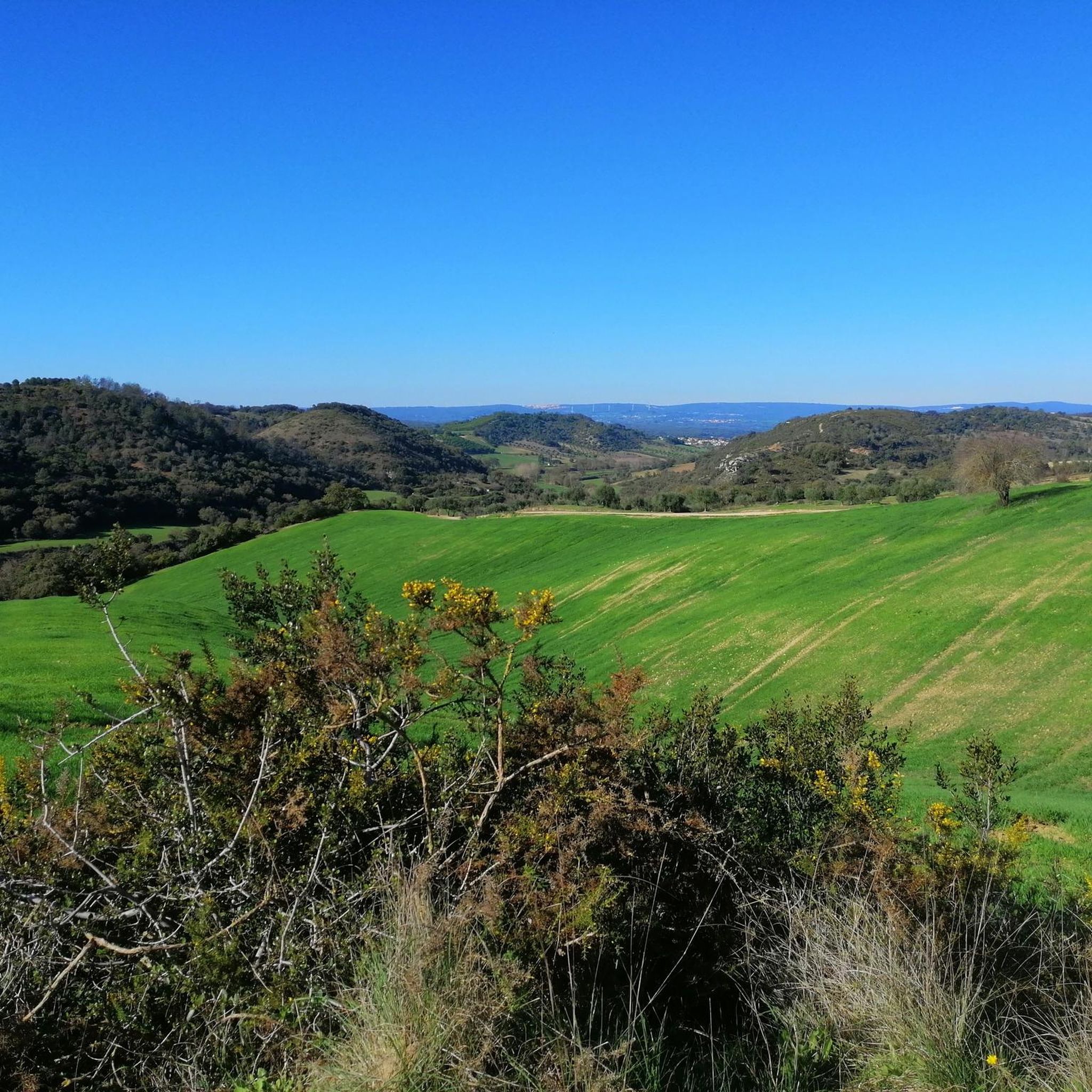
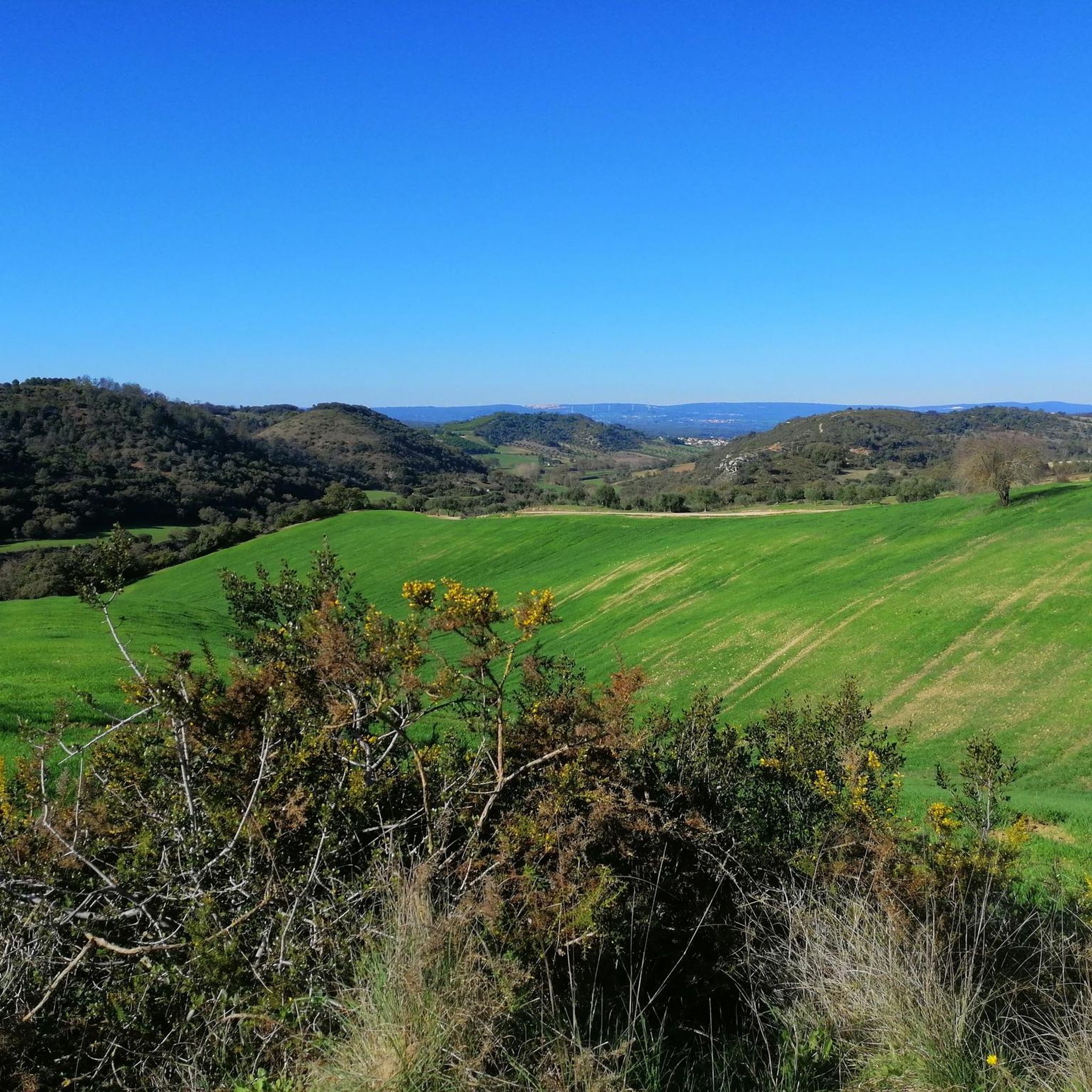
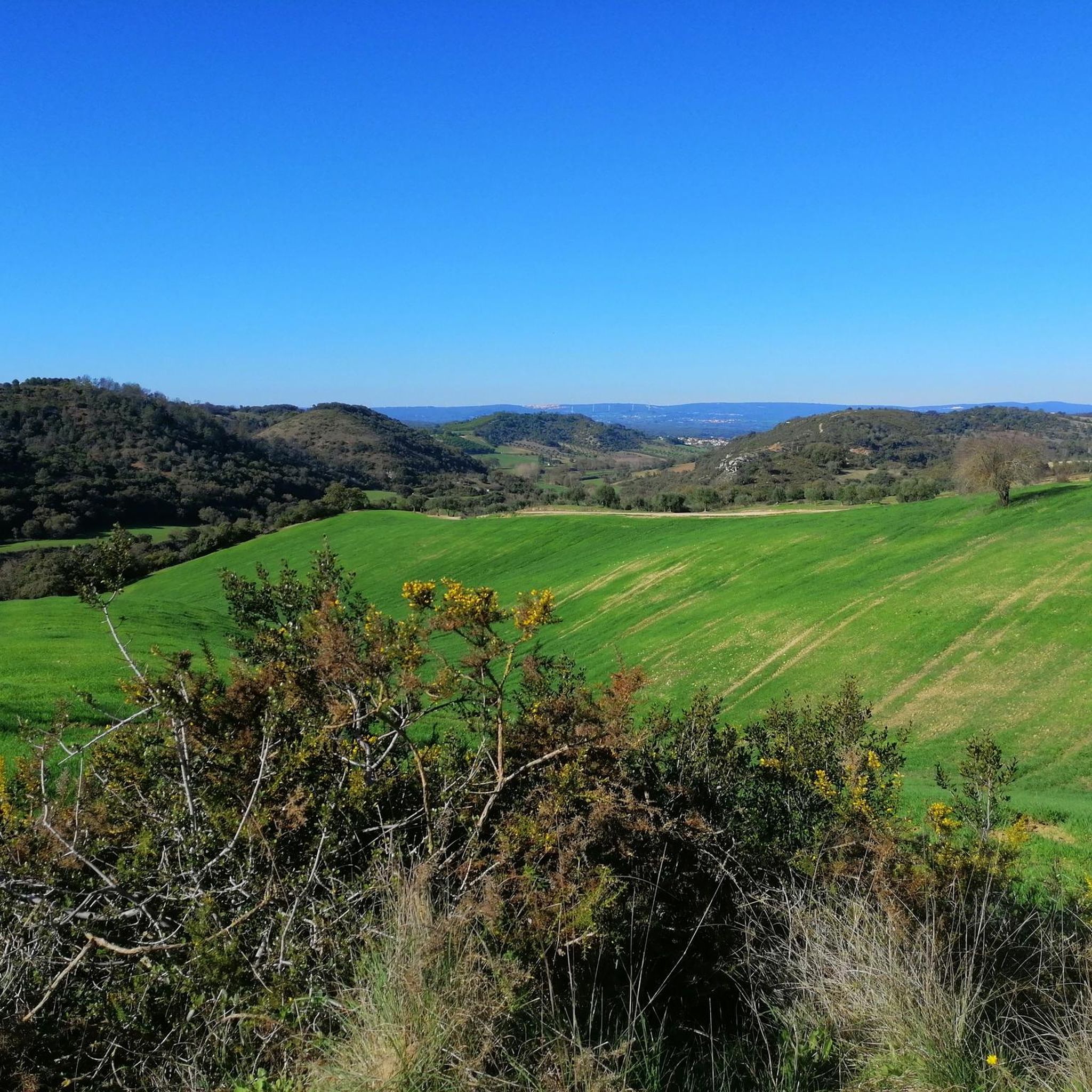
very pleasant landscape, it is recommended
1
0
Frequently Asked Questions
What natural attractions can I explore around Azambujeira?
The region offers significant natural heritage, notably Paúl de Manique do Intendente.. This lake area is recognized for its rich biodiversity, home to over 180 species including the striped tortoise and black stork, and features an observation space for fauna and flora.
Are there historical sites to visit in Azambujeira?
Yes, Azambujeira has several historical sites. A prominent one is Pina Manique Palace, an unfinished architectural project that was part of an ambitious plan to create a town with a rationalist design. Another significant historical landmark is the Cathedral of Santarém, located in the historic center of Santarém, which is a short distance away.
What cultural landmarks are there in the Azambujeira region?
Beyond historical buildings, you can find cultural points of interest like Sá da Bandeira Square, a central community meeting point surrounded by cafes and historical architecture. In Santarém, you can also see the unique Hoopoe Mural by Bordalo II, a six-meter-tall figure made from recycled rubbish, located on Rua 1º de Novembro.
Are there family-friendly attractions around Azambujeira?
Absolutely. Paúl de Manique do Intendente. is a great option for families, offering an observation space to learn about local fauna and flora. Cathedral of Santarém and Sá da Bandeira Square are also considered family-friendly, providing opportunities to explore history and enjoy the town's atmosphere.
What kind of outdoor activities can I do near Azambujeira?
The area around Azambujeira is excellent for outdoor activities. You can find numerous routes for hiking, running, and mountain biking. For detailed routes and guides, explore the Hiking around Azambujeira, Running Trails around Azambujeira, and MTB Trails around Azambujeira guides.
Are there hiking trails suitable for beginners near Azambujeira?
Yes, there are several easy hiking trails available. For instance, the 'From the Santarém Plateau to the Tejo River Trail (PR2)' is an easy 7 km route. You can find more options, including circular walks, in the Hiking around Azambujeira guide.
What are the options for cycling or mountain biking near Azambujeira?
Mountain biking is a popular activity with various routes. You can find moderate trails like the 'Pina Manique Palace – Paúl de Manique do Intendente. loop from Manique do Intendente' which is about 27.5 km. For a comprehensive list of routes, check the MTB Trails around Azambujeira guide.
Where can I find cafes or places to rest near the attractions?
Sá da Bandeira Square is a central hub with cafes and a tavern, making it an ideal spot for a break. Many towns and villages in the region will also have local establishments where you can rest and refuel.
What do visitors particularly enjoy about the attractions in Azambujeira?
Visitors appreciate the blend of historical significance and natural beauty. The ambitious architectural vision of Pina Manique Palace and the rich biodiversity of Paúl de Manique do Intendente. are frequently highlighted. The charm of central areas like Sá da Bandeira Square, with its historical buildings and community feel, is also a favorite.
Is there public transport available to reach attractions in Azambujeira?
While specific routes vary, public transport options exist to connect towns and villages in the Azambujeira region. It's advisable to check local bus schedules for connections to specific attractions or trailheads, especially when planning to visit more remote natural areas.
What is the best time to visit Azambujeira for outdoor activities?
The region generally enjoys a mild climate, making spring and autumn ideal for outdoor activities like hiking and cycling. During these seasons, the weather is pleasant, and the natural landscapes are vibrant. Summers can be hot, which might be less comfortable for strenuous activities, while winters are generally mild but can be rainy.

Get inspired with the komoot mobile app


Explore more
Still not found the Highlight you’re looking for? See guides of the top attractions in other regions:
