Attractions and Places To See around Rio Maior - Top 20
Attractions and places to see around Rio Maior include unique natural features, historical landmarks, and cultural sites. The region is known for its inland salt pans, which are Europe's only active industrial-level interior salt production site. Rio Maior also sits on the southern hills of the Serra dos Candeeiros Natural Park, offering diverse landscapes. Visitors can explore ancient Roman ruins and significant natural areas.
Best attractions and places to see around Rio Maior
- The most popular attractions is Pina Manique Palace, a man-made monument that was part of an ambitious project to create a town with a rationalist architectural design. This historical site holds significance from the time of the Marquis of Pombal.
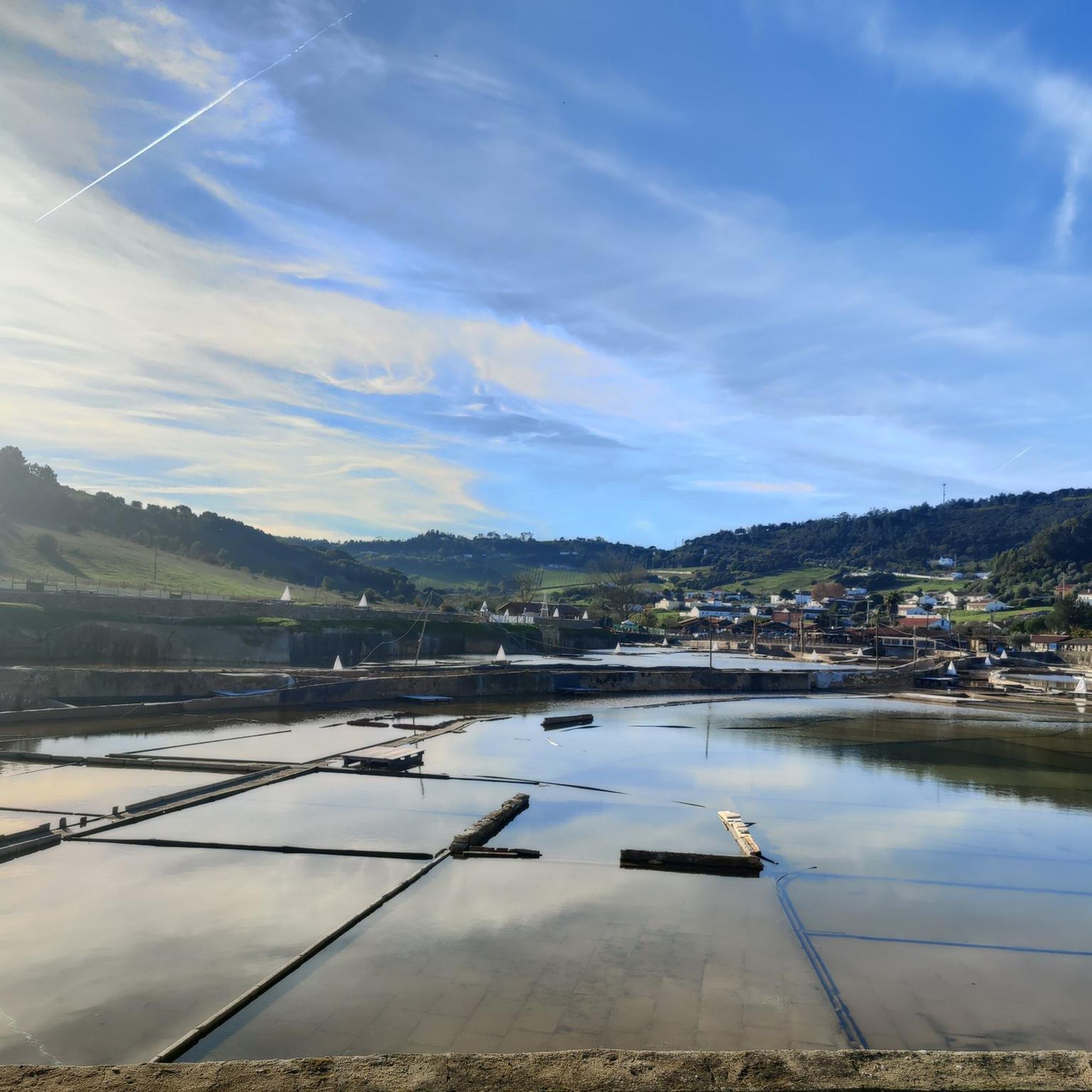
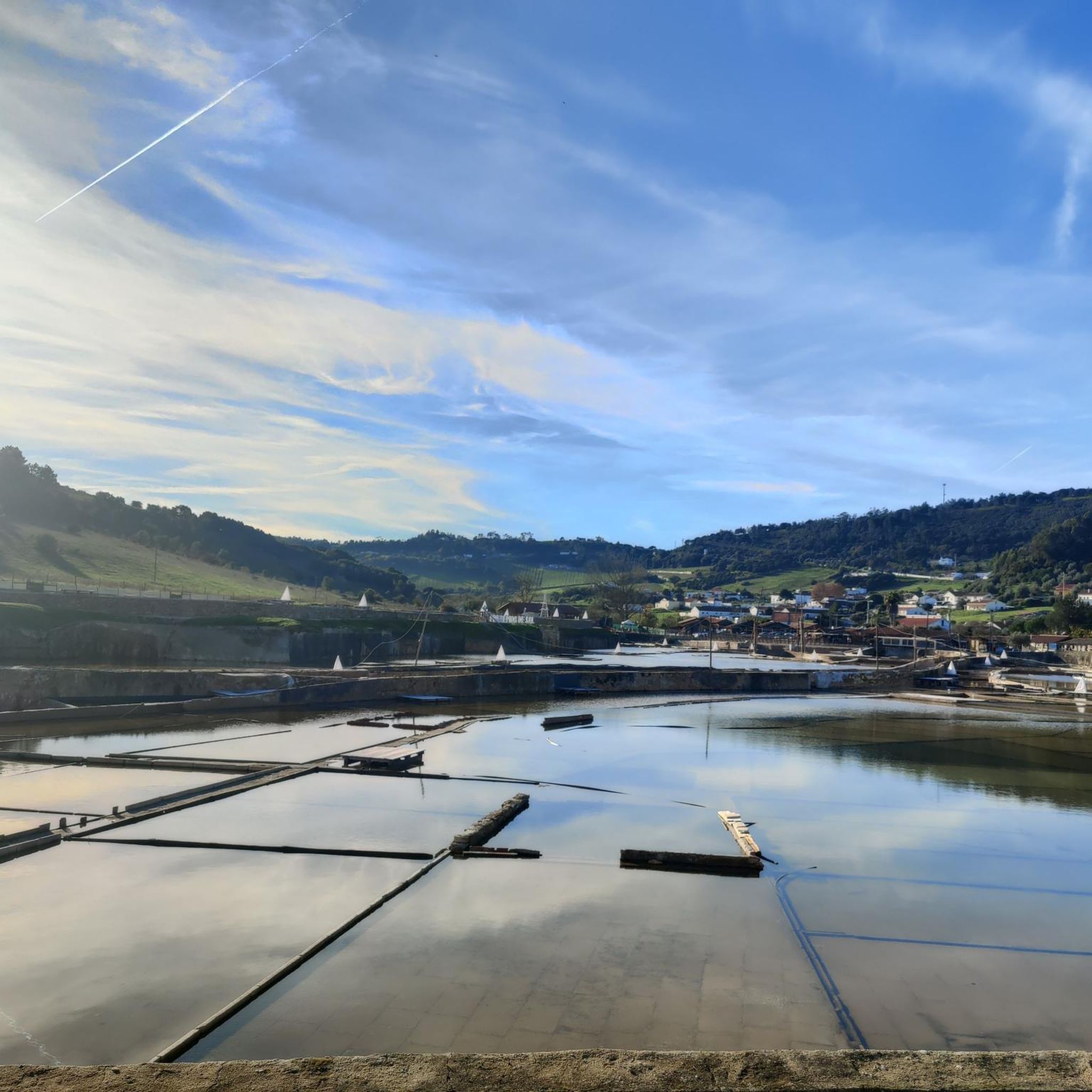
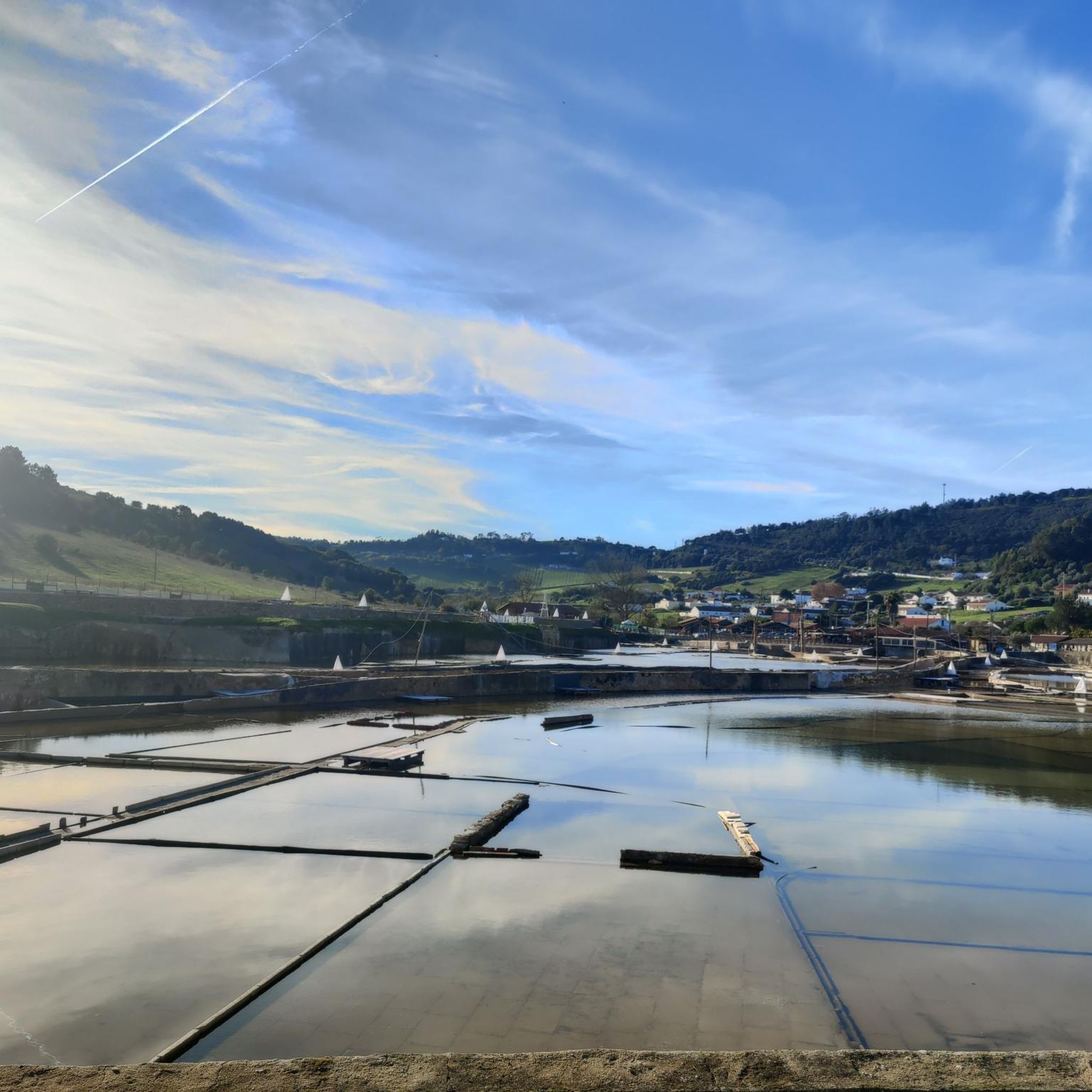
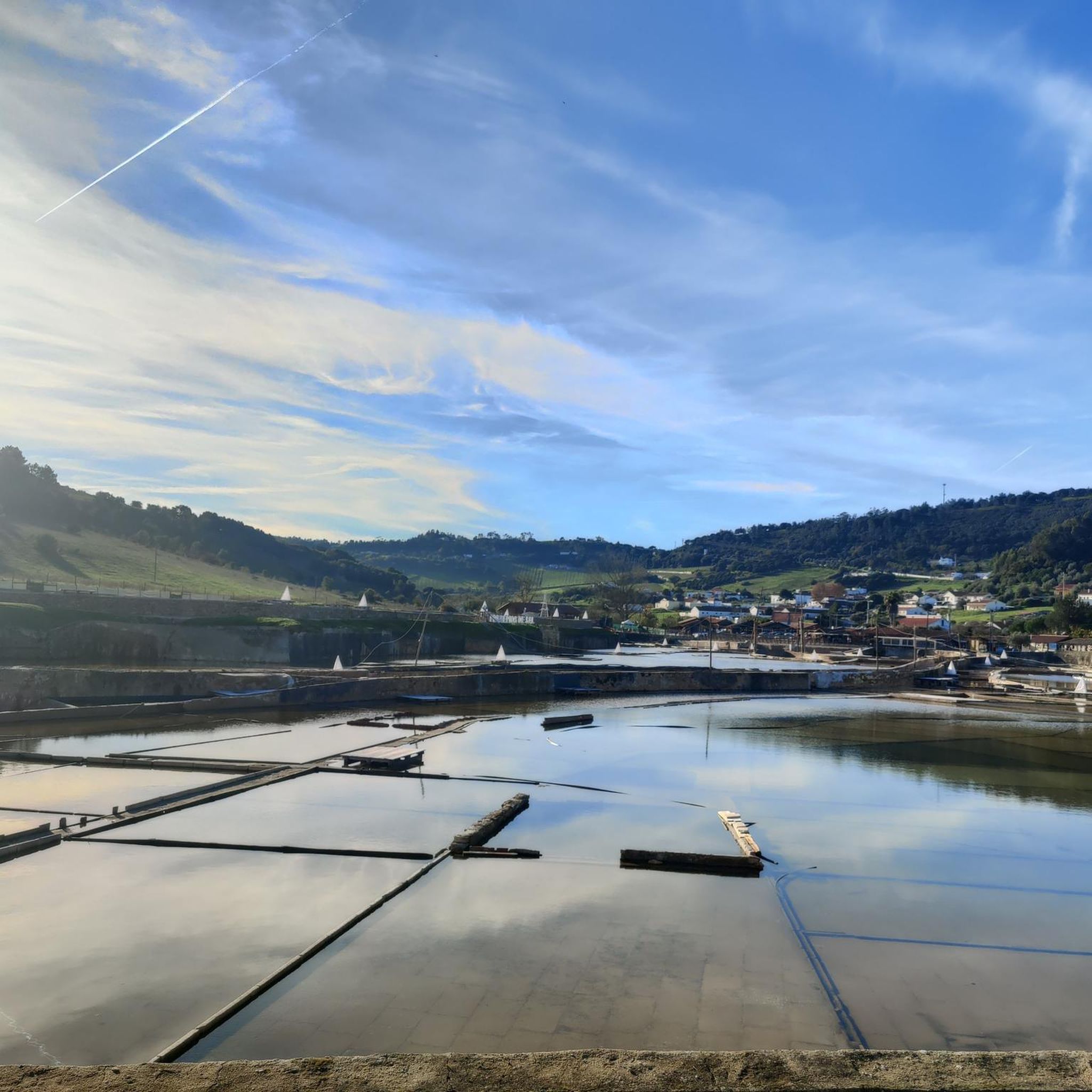
- Another must-see spot is Rio Maior Salt Pans, a man-made monument and historical site. These inland salt pans are unique in Portugal and are Europe's only active industrial-level interior salt production site, with water seven times saltier than seawater.
- Visitors also love Paúl de Manique do Intendente., a lake and natural monument. This area is a rich natural heritage site, important for biodiversity, especially for avifauna, hosting more than 180 species.
- Rio Maior is known for its diverse natural features, historical sites, and cultural points of interest. The area offers a variety of attractions to see and explore, from ancient ruins to unique natural parks.
- The attractions around Rio Maior are appreciated by the komoot community. There are 25 upvotes and 12 photos shared by visitors for the highlights in this region.
Last updated: October 18, 2026
Pina Manique Palace
Highlight • Monument
Translated by Google •
Tip by

Rio Maior Salt Pans
Highlight • Monument
Translated by Google •
Tip by

Sign up now to discover places like this
Get recommendations on the best single tracks, peaks, & plenty of other exciting outdoor places.
Manique do Intendente Palace
Highlight • Historical Site
Translated by Google •
Tip by

Paúl de Manique do Intendente.
Highlight • Lake
It is an ecosystem composed of more than 180 species, where you can find 5 "simply unique" species such as the striped tortoise, the common caiman, the otter, the black stork and the reed.
The municipality has been focusing on promoting this space, having recently advanced with the installation of an infrastructure for the observation of the fauna and flora of Pául, which aims to promote knowledge, protection and preservation of this unique and so rich ecosystem for the Municipality of Azambuja and for the entire region.
Translated by Google •
Tip by
Calçada dos Frades
Highlight (Segment) • Trail
The Calçada dos Frades, still present in some parts of the Montejunto mountain, was built at the beginning of the 18th century for friars of the Dominican Order, to serve the construction and use of the Convent of Nossa Senhora das Neves.
Translated by Google •
Tip by
Sign up for free to discover even more attractions around Rio Maior.
Already have an account?
Start today with a free account
Your next adventure awaits.
Tips from the Community

Salt is extracted from compartments – pits – made of cement or stone, of varying sizes and shallow depths, to which salt water is taken from a well through irrigation channels. Currently, the water is raised by means of a motor and distributed according to a system that is jointly accepted and respected (not always) by all the owners. The sewers, threshing floors and wooden houses for storing salt complete the set of what is called the Salt Mines of Rio Maior. According to technicians, a large and deep rock salt mine, crossed by an underground current that feeds a well, makes the water extracted from it salty, seven times saltier than that of the sea. The salt is obtained from its exposure to the sun and wind and the consequent evaporation of the water, deposited at the bottom of the pits, which is then placed in pyramid-shaped piles to dry until it is collected. The process is rudimentary and similar to that used in the salt mines on the seashore. The only difference is the picturesque valley that surrounds them, the well, the unique style of the sailors (as the men who work in the salt mines are known), the wooden houses and the country air that can be breathed.
3
0
The palace was built by the superintendent Diogo Inácio de Pina Manique (1733-1805), who held several positions during the time of the Marquis of Pombal. His connection to the town, which came to be called Manique do Intendente and was initially called Alcoentrinho, and which belonged to the Order of Christ, dates back to the time of his uncle, who established a manor in favor of his nephew in 1773. Thus began a very ambitious project, which envisaged the creation of a town with a rationalist architectural design and which included, in addition to the palace (whose construction remained unfinished), the Town Hall, the pillory, the Palace of Justice and the church. This plan did not go ahead due to Pina Manique's removal from the position of superintendent and his premature death.
4
0
The palace was built by the superintendent Diogo Inácio de Pina Manique (1733-1805), who held several positions during the time of the Marquis of Pombal. His connection to the town, which came to be called Manique do Intendente and was initially called Alcoentrinho, and which belonged to the Order of Christ, dates back to the time of his uncle, who established a manor in favour of his nephew in 1773. Thus began a very ambitious project, which envisaged the creation of a town with a rationalist architectural design and which included, in addition to the palace (whose construction remained unfinished), the Town Hall, the pillory, the Palace of Justice and the church. This plan did not go ahead due to Pina Manique's removal from the position of superintendent and his premature death.
3
0

This rocky trail is great fun to ride down, just note that you may meet some thorns.
2
0

“Paul Natura”, Manique do Intendente https://www.youtube.com/watch?v=9nKhlLvOrJw
4
0
Paúl de Manique do Intendente is an area of around 97,000 square meters that constitutes a very rich natural heritage of great importance in terms of biodiversity, namely in terms of avifauna, already recognized at national level. It is an ecosystem composed of more than 180 species, where you can find 5 "simply unique" species such as the striped tortoise, the common caiman, the otter, the black stork and the reed. The municipality has been focusing on promoting this space, having recently advanced with the installation of an infrastructure for the observation of the fauna and flora of Pául, which aims to promote knowledge, protection and preservation of this unique and so rich ecosystem for the Municipality of Azambuja and for the entire region.
7
0

very pleasant landscape, it is recommended
2
0
Frequently Asked Questions
What unique natural attractions can I find in the Rio Maior region?
The Rio Maior region is home to several unique natural attractions. The most notable are the Rio Maior Salt Pans, which are Europe's only active industrial-level interior salt production site, with water seven times saltier than the sea. You can also explore the southern hills of the Serra dos Candeeiros Natural Park, known for its arid valleys and impressive show-caves. Another significant natural heritage site is Paúl de Manique do Intendente., a lake important for its biodiversity, especially avifauna.
What historical sites are there to explore around Rio Maior?
The Rio Maior area is rich in history. You can visit the Manique do Intendente Palace, a historical site with an ambitious rationalist architectural design from the time of the Marquis of Pombal. Discover the ancient Calçada dos Frades, an 18th-century rocky trail. The Villa Romana de Rio Maior, dating back to the 4th century, showcases intricate mosaics, and the Anta-Capela das Alcobertas is a church that integrates a prehistoric dolmen into its structure. The Church of São Vicente - Main Church of Cercal is another historical religious building with notable tile heritage.
Are there family-friendly attractions in Rio Maior?
Yes, Rio Maior offers several family-friendly attractions. The Rio Maior Salt Pans are an engaging site where families can learn about traditional salt production. The Jardim Municipal de Rio Maior provides a green space with a playground for relaxation and recreation. For a unique experience, the Museu Didático do Automóvel em Miniatura in Assentiz houses a collection of approximately 1,000 miniature cars, which can be fascinating for all ages. The Paúl de Manique do Intendente. is also suitable for families interested in nature observation.
What outdoor activities and hiking trails are available near Rio Maior?
The region around Rio Maior, particularly the Serra dos Candeeiros Natural Park, offers excellent opportunities for outdoor activities. You can find numerous hiking trails, such as the 'Olho de Água de Alcobertas loop' or the 'Chãos Cave – Alcobertas Cave loop'. For more options, explore the Hiking around Rio Maior guide. Mountain biking and touring bicycle routes are also popular, with trails like the 'Terra Chã Viewpoint loop' for MTB or the 'Pilgrim's Retreat – Alcanede Castle loop' for cycling. Check the MTB Trails around Rio Maior and Cycling around Rio Maior guides for detailed routes.
Where can I experience nature and observe wildlife around Rio Maior?
For nature and wildlife observation, Paúl de Manique do Intendente. is a prime location. This rich natural heritage site is home to over 180 species, including the striped tortoise, common caiman, otter, black stork, and reed. The Municipality of Azambuja has even installed an infrastructure for fauna and flora observation here. Additionally, the Serra dos Candeeiros Natural Park, with its diverse landscapes, provides opportunities to encounter local flora and fauna during hikes or bike rides.
What cultural points of interest does Rio Maior offer beyond historical sites?
Rio Maior boasts several cultural points of interest. The Museu Didático do Automóvel em Miniatura in Assentiz is a unique museum with a vast collection of miniature cars. The Casa da Música serves as a vibrant cultural hub for music and arts, featuring distinct architecture and hosting various events. The Casa de Cultura de Rio Maior is a museum with a storied past, offering visitors exhibits to browse. If you visit in March, the Feira das Tasquinhas (Fair of the Taverns) is an ideal opportunity to experience regional gastronomy and cultural festivities.
When is the best time to visit Rio Maior's attractions?
Rio Maior's attractions can be enjoyed throughout the year, but spring (March to May) and autumn (September to November) generally offer pleasant weather for exploring outdoor sites like the Rio Maior Salt Pans and the Serra dos Candeeiros Natural Park. The Feira das Tasquinhas, a popular regional food fair, takes place in March, offering a lively cultural experience. Summers can be warm, ideal for enjoying the municipal garden, while winters are mild, suitable for visiting indoor attractions like museums and historical churches.
Are there any ancient Roman ruins to see in the area?
Yes, the Villa Romana de Rio Maior is a significant archaeological site in the region. Discovered in the 1980s, this Roman villa dates back to the turn of the 4th century and features intricate mosaics, offering a glimpse into the luxury of the period. While parts of the complex, including baths and temples, are still awaiting excavation, the visible remains provide a fascinating insight into Roman presence in Portugal.
What is the significance of the Serra dos Candeeiros Natural Park to Rio Maior?
Rio Maior sits on the southern hills of the Serra dos Candeeiros Natural Park, making it an integral part of the region's natural identity. The park is characterized by its arid and vast valleys, offering a striking landscape for hiking, biking, and horseback riding. It is also home to impressive show-caves, such as Gruta de Alcobertas, which has a rich history of human habitation dating back over 5,000 years. The park provides a natural backdrop and numerous outdoor recreational opportunities for visitors to Rio Maior.
Can I observe traditional salt production methods at the Rio Maior Salt Pans?
Absolutely. The Rio Maior Salt Pans are not only a unique natural phenomenon but also an active industrial-level interior salt production site. Visitors can tour the salt works and observe the traditional methods of salt extraction from compartments (pits) where saltwater is left to evaporate under the sun and wind. The process is rudimentary and has been used for centuries, offering a fascinating insight into local heritage. You can even purchase herb-infused 'flor do sal' directly from the site.
What kind of local gastronomy can I experience in Rio Maior?
Rio Maior is known for its rich local gastronomy, featuring staples like high-quality olive oil, regional wines, and traditional bread, especially cornbread ('broa de milho'). Visitors can savor traditional dishes such as 'migas' and 'lapardana'. The town's culinary scene is best experienced during events like the Feira das Tasquinhas (Fair of the Taverns) in March, where you can taste a wide array of regional flavors and specialties.
Most popular attractions around Rio Maior

Get inspired with the komoot mobile app


Explore more
Still not found the Highlight you’re looking for? See guides of the top attractions in other regions:
