Attractions and Places To See around São Pedro De Tomar - Top 20
Best attractions and places to see around São Pedro De Tomar include a mix of local historical sites and renowned landmarks within the greater Tomar area. This region features significant cultural sites, impressive architectural complexes, and natural features along the Nabão River. Visitors can explore ancient castles, historic churches, and serene parks, reflecting centuries of history and diverse landscapes.
Best attractions and places to see around São Pedro De Tomar
- The most popular attractions is Convent of Christ and Castle…
Last updated: July 2, 2026
Convent of Christ and Castle of Tomar
Highlight • Castle
Translated by Google •
Tip by

Republic Square and the Church of Saint John the Baptist, Tomar
Highlight • Religious Site
Translated by Google •
Tip by
Sign up now to discover places like this
Get recommendations on the best single tracks, peaks, & plenty of other exciting outdoor places.
Sign up for free
Mouchão Park
Highlight • Rest Area
Translated by Google •
Tip by

Manueline Window of the Convent of Christ
Highlight • Monument
The Manueline church nave is adorned, both inside and out, with lush symbolic, heraldic, and …
Showing Translation
Tip by

Republic Square, Tomar
Highlight • Settlement
Translated by Google •
Tip by

Sign up for free to discover even more attractions around São Pedro De Tomar.
Sign up for free
Already have an account?
Start today with a free account
Your next adventure awaits.
Login or Signup
Tips from the Community

The Praça da República and the Igreja Matriz de São João Baptista are the historical and cultural heart of Tomar, a city deeply linked to the history of the Knights Templar in Portugal. This square is the nerve center of Tomar, surrounded by historic buildings and offering a charming atmosphere.
7
2

This impressive window is part of the Manueline Church and Chapter House of Manuel I. The Manueline church nave is adorned, both inside and out, with lush symbolic, heraldic, and sacred sculptures. All architectural elements – corner basins, pinnacles, buttresses, windows, etc. – are characterized by figurative motifs of deep plasticity that conceal their architectural and structural function. The most striking example of this formal design are the windows of the Manueline church. Originally there were three, today two remain: The second window, facing south, is visible from the main cloister; the other, on the west facade, is known as the Janela do Capítulo. This window is flanked by two huge buttresses and is adorned with a lush world of figures that includes maritime themes (wood, rigging, buoys, etc.), the insignia of the Order (the heraldic cross, the armillary sphere, the coat of arms of the kingdom), and symbolic figures characteristic of the mysticism of spiritual knighthood and the mission of the Order of Christ in the Discoveries. http://www.conventocristo.gov.pt/pt/index.php?s=white&pid=187&identificador=ct116_pt From the inside, the window appears rather unremarkable.
2
0
Detailed plans of the complex, including the identification of the individual parts and monasteries, can be found here: https://campanha.cmjornal.pt/portugal-monumental/ https://de.wikipedia.org/wiki/Convento_de_Cristo#/media/Datei:TomarChurchPlanCC3-pt.jpg https://blogger.googleusercontent.com/img/b/R29vZ2xl/AVvXsEjONUon4tGroEfnLT311dfFBPy 7gkSdMIt7aDFXuB2X61MqnwjBYUVJwZs3nELeNox-cEindezimgkuppLnXY6-XxrO-2WJQ_62jz9Qme64FlLgng2leHtQJZ3iuys8kl6z1fh1M1Ns6SOV/s1600/05Tomar.jpg https://de.wikipedia.org/wiki/Convento_de_Cristo#/media/File:TomarChurchPlanCC3-pt.jpg
1
0
The Church of Saint John the Baptist (Portuguese: Igreja de São João Baptista) was built between the 15th and 16th centuries by King Manuel I in the Manueline style. As its name suggests, the church is dedicated to Saint John the Baptist. The church features many interesting artistic details, such as the flamboyant Gothic portal, the Manueline tower with a 16th-century clock, the decorated capitals of the interior columns of the nave, and several panels painted in the 1530s by one of Portugal's most important Renaissance artists, Gregório Lopes.
3
2
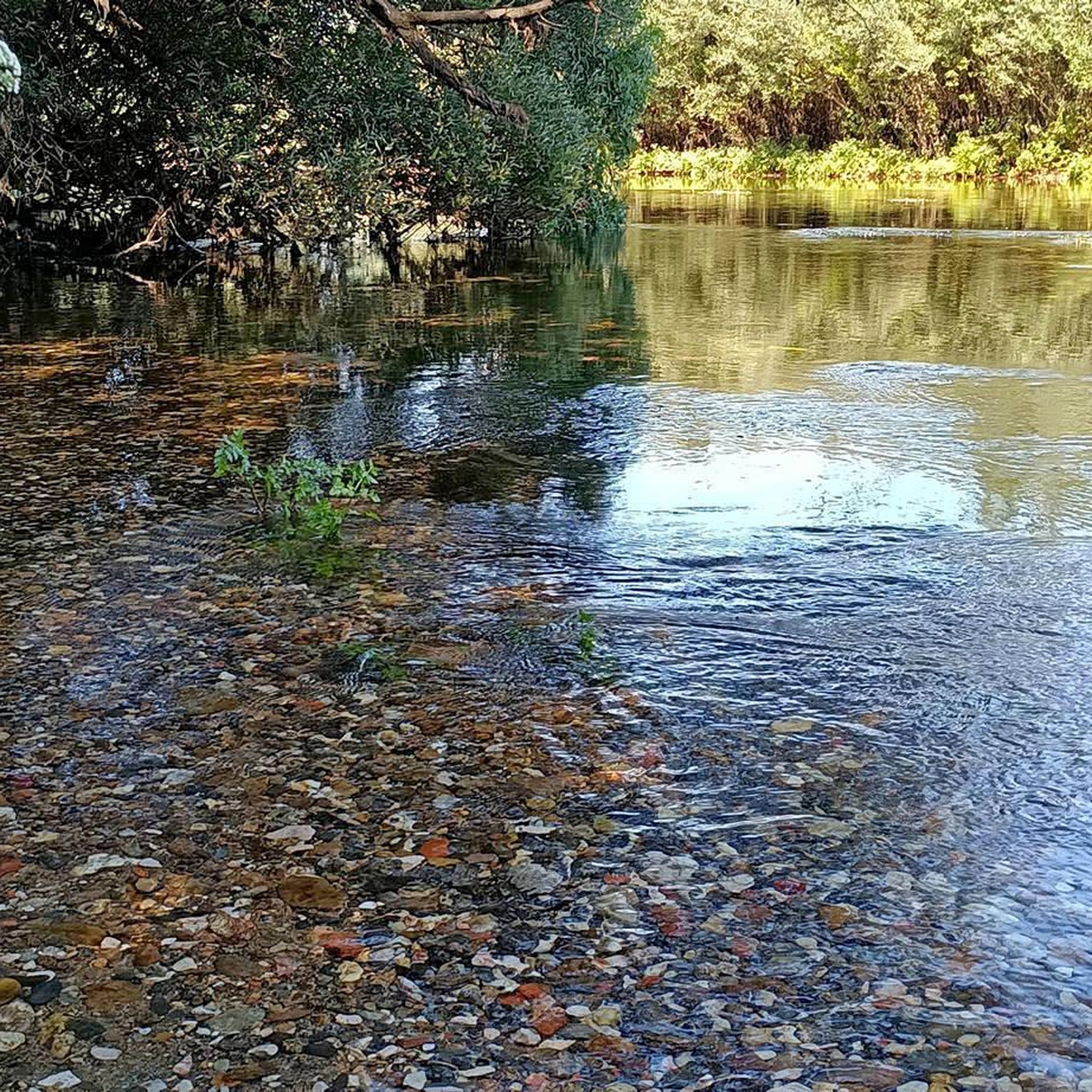
The Mouchão Park is a beautiful garden in the heart of Tomar. This green oasis is surrounded by the Nabão River, creating several areas connected by a bridge and a small dam. The park offers magnificent views of some of the city's most important landmarks. In addition to a charming replica of a waterwheel, the shady and cool park also boasts an excellent restaurant in a prime location, O Mouchão.
2
1

Fantastic Details
1
1

The city of Tomar was founded by the Knights Templar in the 12th century on land granted by Portugal’s first king. The order set up a convent on a hill and by the riverside plotted what would be the last Templar town in the world. The Convent of Christ is a World Heritage Site, with magnificent architecture perfected over more than 300 years. When the Order of Christ took over from the Knights Templat, Tomar was where many Portuguese voyages in the Age of Discovery were planned. And as the order’s governor, the world-changing explorer Henry the Navigator lived in Tomar and took charge of its expansion in the 15th century.
2
0

Frequently Asked Questions
What historical and cultural sites are prominent around São Pedro de Tomar?
The region is rich in history. A must-visit is the Convent of Christ and Castle of Tomar, a UNESCO World Heritage site with Templar origins. You can also explore the historic Republic Square and the Church of Saint John the Baptist in Tomar, the ancient Synagogue of Tomar, and the impressive Aqueduto dos Pegões, a 17th-century aqueduct.
Are there any local historical landmarks within São Pedro de Tomar itself?
Yes, within São Pedro de Tomar, you can visit the 16th-century Parish Church of São Pedro de Tomar, known for its Mannerist altarpiece. Also, in Largo do Pelourinho, you'll find a Manueline pillory that has remained in its original position, alongside a medieval cistern still collecting rainwater.
What natural features and parks can I visit near São Pedro de Tomar?
For nature lovers, the Mata Nacional dos Sete Montes (Seven Hills National Forest) in Tomar offers shaded walking trails and views of the castle. The Nabão River flows through Tomar, providing picturesque views and opportunities for walks along its banks. Don't miss Mouchão Park, a pleasant riverside park with a traditional water wheel.
Are there family-friendly attractions in the area?
Yes, several attractions are suitable for families. Republic Square and the Church of Saint John the Baptist in Tomar offers a charming atmosphere for a stroll, and Mouchão Park is a small, cozy park perfect for relaxation. The unique Museu dos Fósforos (Matchbox Museum) in Tomar can also be an engaging visit for all ages.
What outdoor activities, like hiking or cycling, are available near these attractions?
The region offers various outdoor activities. For easy walks, explore the trails in Mata Nacional dos Sete Montes or enjoy a stroll around Mouchão Park. You can find more detailed hiking routes in the Easy hikes around São Pedro De Tomar guide. For cycling enthusiasts, there are numerous routes, including those around Castelo de Bode Dam; check the Cycling around São Pedro De Tomar guide for options. Mountain biking trails are also available, detailed in the MTB Trails around São Pedro De Tomar guide.
What is the best time of year to visit São Pedro de Tomar and its attractions?
The best time to visit is generally during spring (April to June) and early autumn (September to October) when the weather is pleasant for exploring historical sites and enjoying outdoor activities. Summers can be hot, while winters are milder but may have more rainfall.
Are there any attractions that are wheelchair accessible?
While many historical sites may have limited accessibility due to their ancient nature, Republic Square in Tomar is generally accessible. It's advisable to check specific accessibility details for individual attractions before your visit, especially for older buildings like the Convent of Christ.
What are some lesser-known or 'hidden gem' attractions in the area?
Beyond the main highlights, consider visiting the Chapel of Our Lady of the Conception near the Convent of Christ, a small 16th-century chapel known for its frescoes. The Church Santa Maria do Olival is another significant historic religious site that offers a deeper dive into the region's past.
Can I walk along the Aqueduto dos Pegões?
Yes, you can walk along sections of the impressive Aqueduto dos Pegões. This 6 km long aqueduct, built to supply water to the Convent of Christ, features double-tiered arches. Be aware that after rain, water can collect in the channel, making some parts slippery.
What do visitors enjoy most about the attractions around São Pedro de Tomar?
Visitors frequently praise the historical depth and architectural beauty, particularly at the Convent of Christ and Castle of Tomar. The charming atmosphere of Republic Square and the tranquility of Mouchão Park are also highly appreciated. The unique experience of walking along the Aqueduto dos Pegões is often highlighted as well.
Are there any river beaches or swimming spots nearby?
While São Pedro de Tomar is inland, the broader region offers river beaches. Praia Fluvial de Constância is a notable river beach providing recreational opportunities for swimming and relaxation.
Most popular attractions around São Pedro De Tomar

Get inspired with the komoot mobile app


Explore more
Still not found the Highlight you’re looking for? See guides of the top attractions in other regions:
