The best cycling routes around Alhos Vedros
4.5
(84)
1,677
riders
145
rides
Touring cycling around Alhos Vedros offers a diverse landscape characterized by its proximity to the Tagus River estuary and a mix of urban, rural, and natural areas. The region features relatively flat terrain with gentle undulations, making it accessible for various cycling abilities. Expect routes that traverse open fields, pass through small towns, and occasionally skirt along waterways. The highest elevations encountered are typically under 500 meters, providing manageable climbs rather than steep mountain ascents.
Best touring cycling routes around…
Last updated: July 8, 2026
5.0
(1)
37
riders
31.6km
02:39
230m
230m
Moderate bike ride. Good fitness required. Mostly paved surfaces. Suitable for all skill levels.
20
riders
38.4km
02:19
130m
130m
Moderate bike ride. Good fitness required. Mostly paved surfaces. Suitable for all skill levels.

Sign up for free
4.0
(1)
17
riders
58.8km
03:38
190m
190m
Moderate bike ride. Good fitness required. Mostly paved surfaces. Suitable for all skill levels.
5.0
(1)
18
riders
59.4km
04:06
450m
450m
Hard bike ride. Very good fitness required. Mostly paved surfaces. Suitable for all skill levels.
4.0
(1)
19
riders
49.3km
03:13
170m
170m
Hard bike ride. Good fitness required. You may need to push your bike for some segments of this route.
Get access to more routes and recommendations from other explorers.
Sign up for free
Already have an account?
Our route recommendations are based on thousands of hikes, rides, and runs completed by other people on komoot.
Start today with a free account
Your next adventure awaits.
Login or Signup

Tips from the Community

to replenish energy...
0
0

need to try "Memé" with fresh cheese and pumpkin jam
0
0

The family business was founded in 1901 by Manuel Rodrigues, who went blind when he was young, hence the name blind (Cego). A man of seven trades, he married Teresa Prata, a cook, who started by making the “osos”, “amores”, tarts and “encharcada”, based on recipes from conventual confectionery. Later, in 1975, the house fell into the hands of Augusto Pinto, who had extensive experience in the hotel business. Currently, it is his son, José Augusto, 55, who runs the pastry shop, where he started working with his father when he was 15. “It is a family house specialising in regional sweets from Azeitão, where we try to offer a homemade and as artisanal as possible,” José Augusto tells New in Setúbal. Part of the decoration maintains the original features of the space, with typical Portuguese tiles representing images of the town and some products sold in the pastry shop. With more than a century of tradition, customers have been through the generations. And of course, there are also plenty of tourists of various nationalities, who are completely surrendered to the charms and flavours of the town.
3
0
Typical pastry shop in the center of Vila Nogueira de Azeitão, where you can taste the famous "Tartes de Azeitão". It was founded in 1901...
4
0
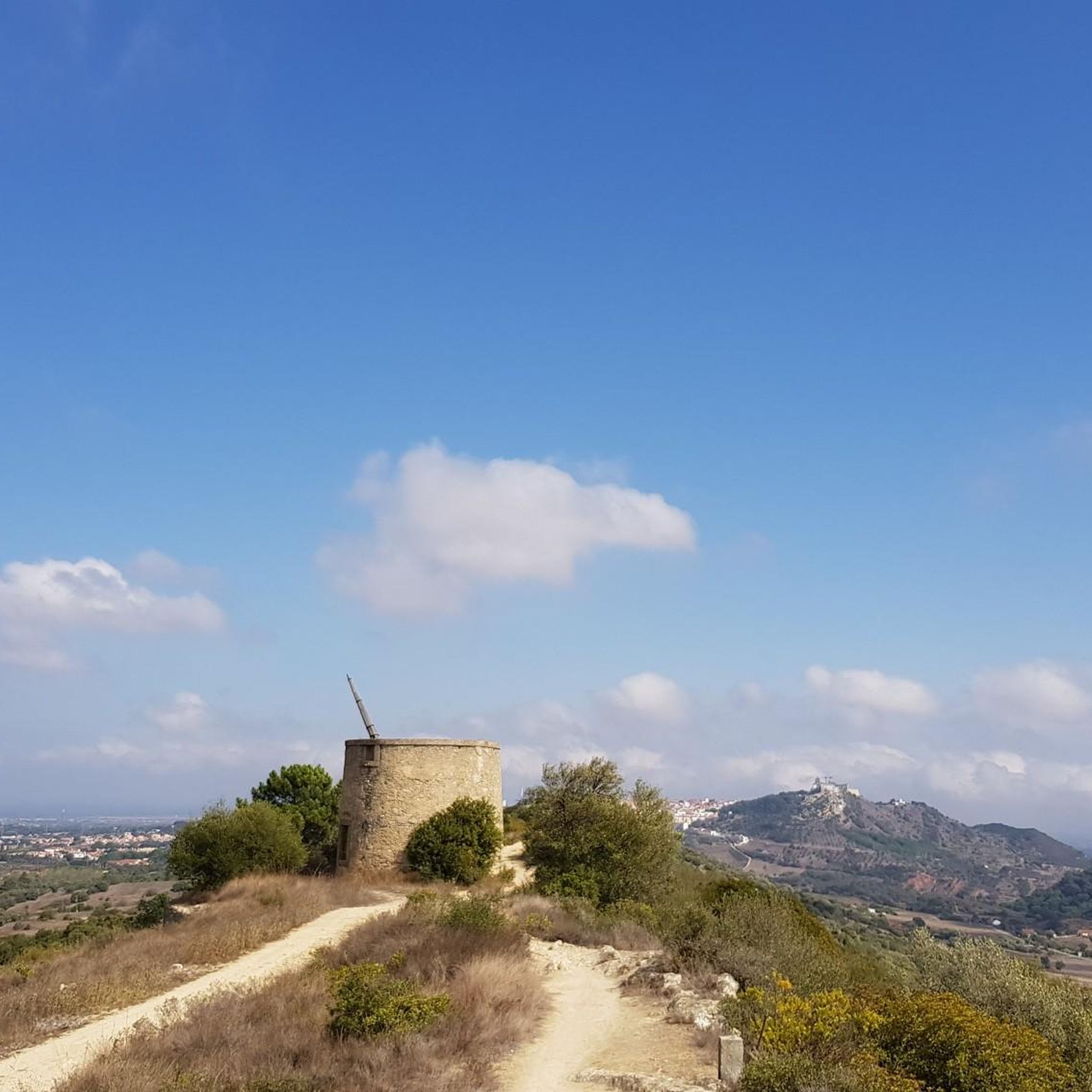
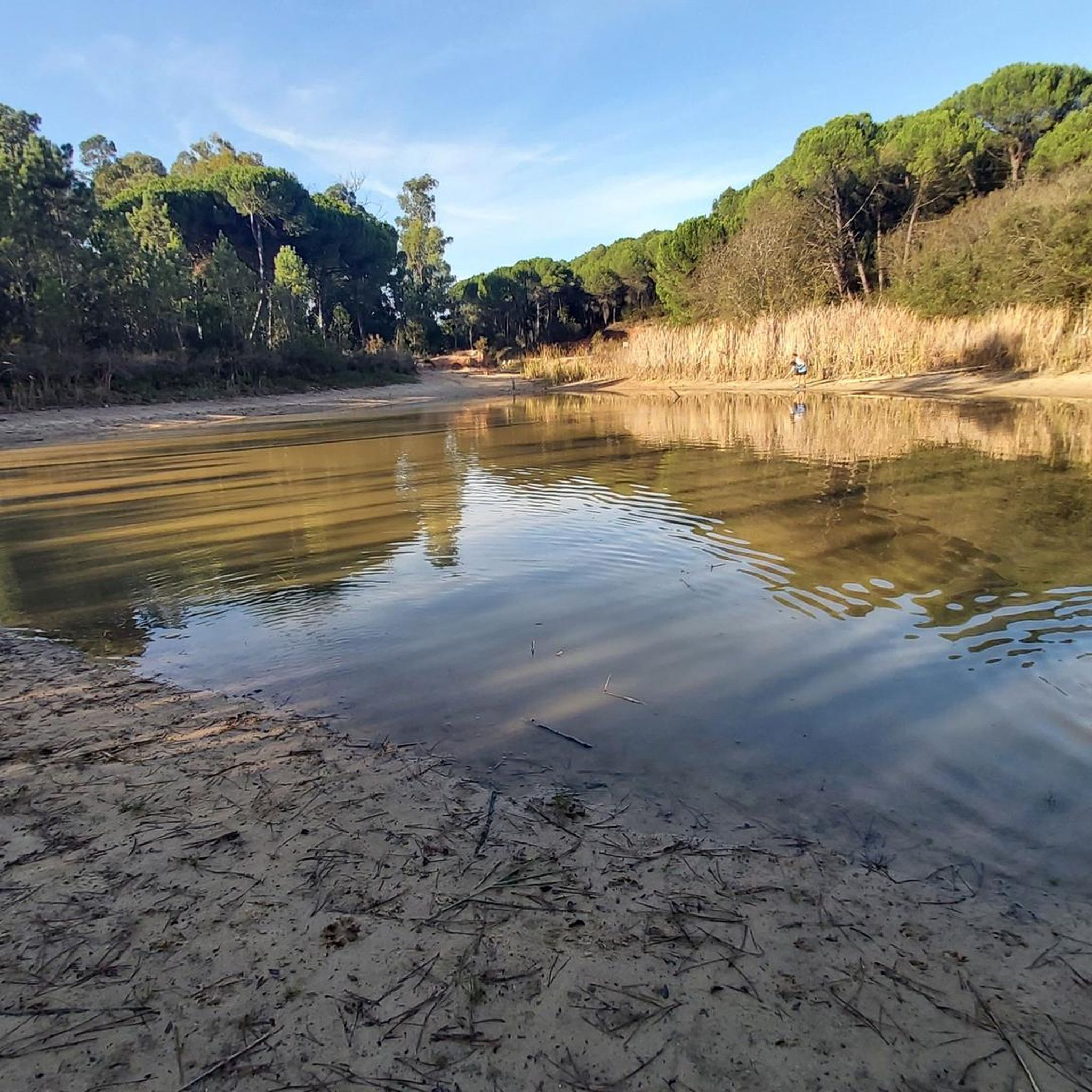
This shortcut will bring you to the first beach of the Salinas de Samouco, but from then you'll have to cycle back.
0
0

This photo was taken at the foot of a gate that gives access to more paths (still unknown to us)
1
0
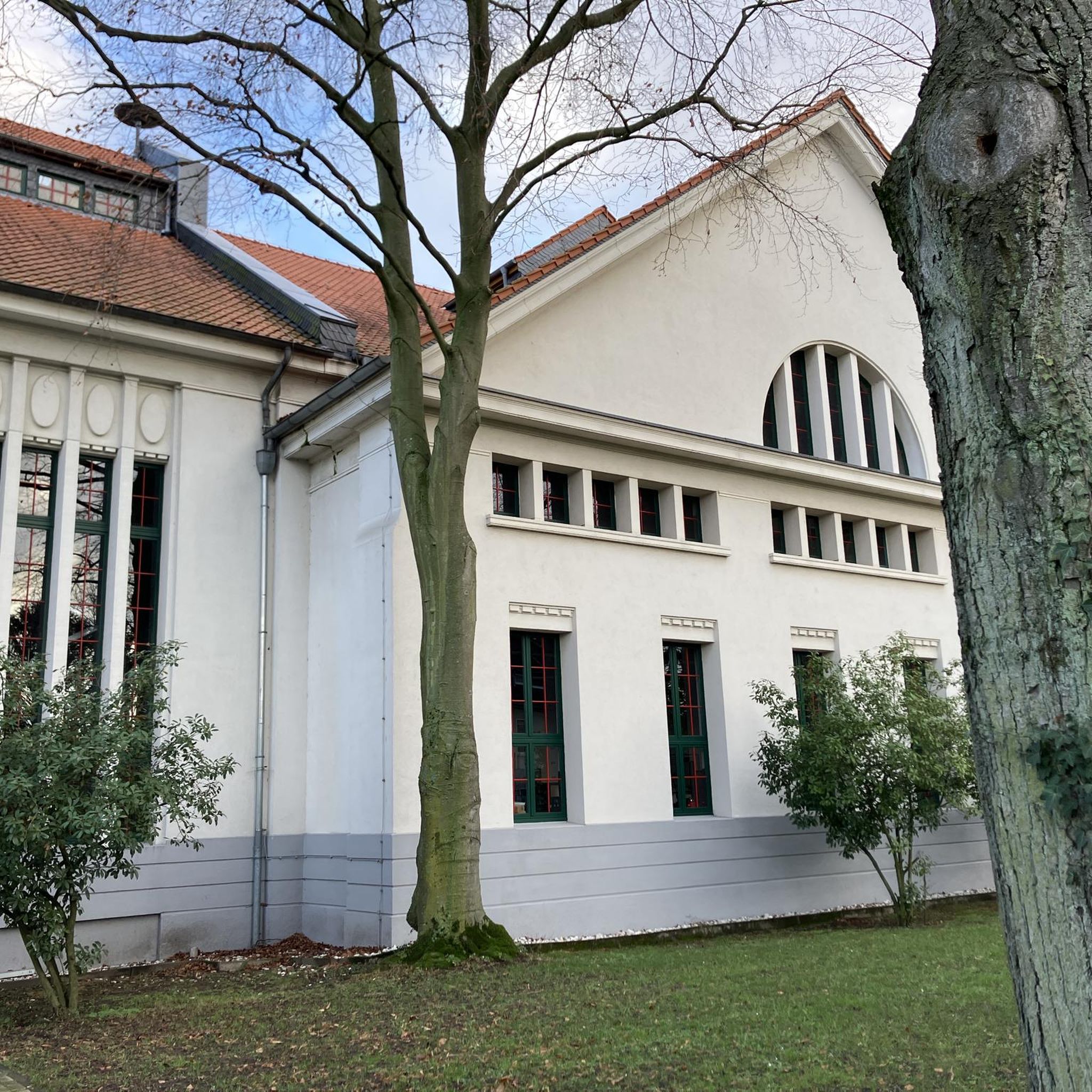
José Maria dos Santos, son of Caetano dos Santos (a blacksmith or farrier) and Gertrudes Maria, became a wealthy farmer and the greatest Portuguese winegrower, thanks to his unique business management skills at the time. It is said that he planted the largest vineyard in the world, between Herdade de Rio Frio and Poceirão, after finding his fortune by marrying Maria Cândida Ferreira Braga, daughter of the capitalist Alexandre José Ferreira Braga and Baroness of São Romão, by marriage to Manuel Gomes da Costa São Romão, who had left her widow. The Baron of São Romão held all the titles to the property, which he had acquired in the 1850s with the Venda do Alcaide land grant, thus transferring capital from the urban domain to the agricultural sector (which was not a very common practice at the time). José Maria dos Santos was a member of parliament and a Peer of the Realm. However, he is said to have rejected the titles of nobility that were intended to be granted to him.
4
0
Frequently Asked Questions
How many touring cycling routes are available in Alhos Vedros?
There are over 140 touring cycling routes around Alhos Vedros, offering a wide variety of options for different skill levels and preferences.
What kind of terrain can I expect when cycling around Alhos Vedros?
The region features relatively flat terrain with gentle undulations, characterized by its proximity to the Tagus River estuary. You can expect routes that traverse open fields, pass through small towns, and occasionally skirt along waterways. The highest elevations are typically under 500 meters, providing manageable climbs rather than steep mountain ascents.
Are there easy touring cycling routes suitable for beginners in Alhos Vedros?
Yes, Alhos Vedros offers a good selection of routes suitable for beginners. Approximately 36 of the routes are rated as easy, featuring mostly flat terrain and shorter distances, making them ideal for those new to touring cycling or looking for a relaxed ride.
Are there challenging touring cycling routes for experienced cyclists?
Absolutely. For experienced cyclists seeking a challenge, there are 47 difficult routes available. One such route is the Peru Trail – Nice gravel route loop from Alhos Vedros, which is 36.9 miles (59.3 km) long and features significant elevation gain with gravel sections.
Can I find circular touring cycling routes in Alhos Vedros?
Yes, many of the touring cycling routes in Alhos Vedros are designed as loops, allowing you to start and finish at the same point. Examples include the School of Marines – Mata da Machada loop from Baixa da Banheira and the Montijo Cycle Path – Cais de Aldeia Galega loop from Baixa da Banheira.
What are some scenic viewpoints or natural attractions I can visit along the cycling routes?
While cycling, you can explore various natural and man-made attractions. Consider visiting the Salinas do Samouco for its unique salt pans, or the São Luís Lookout for panoramic views. The region also features historical sites like the Castle of Palmela, which can be reached via some routes.
Are there family-friendly touring cycling options in Alhos Vedros?
Yes, the relatively flat terrain and numerous easy routes make Alhos Vedros suitable for family cycling. Many paths are well-suited for a relaxed pace, allowing families to enjoy the scenery together. Look for routes with lower elevation gain and shorter distances for a comfortable family outing.
What is the best time of year for touring cycling in Alhos Vedros?
The best time for touring cycling in Alhos Vedros is generally during the spring (March to May) and autumn (September to November) months. During these periods, the weather is typically mild and pleasant, with less extreme heat than summer and less rainfall than winter, making for ideal cycling conditions.
Are there opportunities to stop for refreshments like cafes or pubs along the routes?
Yes, many routes pass through or near small towns and villages where you can find local cafes, pastelerias, and sometimes traditional taverns. These spots offer great opportunities to refuel with a coffee, a snack, or a meal, especially on longer rides. Planning your route with komoot allows you to see points of interest like these.
What do other touring cyclists enjoy most about cycling in Alhos Vedros?
The area is highly rated by the komoot community, with an average score of 4.5 stars from over 80 reviews. Reviewers often praise the diverse landscape, which combines riverside paths, open rural areas, and a network of cycle-friendly routes. The accessibility for various ability levels, from moderate rides to more challenging routes, is also frequently highlighted.
Is public transport available to access the cycling routes in Alhos Vedros?
Alhos Vedros is part of the Lisbon metropolitan area, and public transport options like trains and buses connect it to surrounding towns. Some routes may be accessible directly from public transport hubs, allowing you to start your ride without needing a car. It's advisable to check local transport schedules and bicycle carriage policies beforehand.
Where can I park my car when starting a touring cycling route in Alhos Vedros?
Parking is generally available in the urban centers of Alhos Vedros and surrounding towns like Baixa da Banheira. Many routes start from these areas, offering convenient access to public parking facilities. When planning your tour, look for designated parking areas near your chosen starting point.
Most popular attractions around Alhos Vedros

Get inspired with the komoot mobile app


Explore more
Browse the best Cycling routes in other regions.
