Attractions and Places To See around Gaio-Rosário - Top 20
Best attractions and places to see around Gaio-Rosário include a blend of cultural, historical, and natural features. This former Portuguese civil parish, located in the municipality of Moita, is primarily centered around its riverside setting along the Tagus River. The area, historically known for fishing and river-related activities, offers diverse points of interest. Visitors can explore landmarks, natural areas, and cultural sites that reflect the region's heritage and geography.
Best attractions and places to see around Gaio-Rosário
- The most popular…
Last updated: July 1, 2026
Singletrack Along the Old Railway
Highlight (Segment) • Trail
Translated by Google •
Tip by

Salinas do Samouco
Highlight • Natural
Between 1930 and 1970, cod were dried there.
Cod is a fish caught in cold northern waters such as Newfoundland.
Portugal in the 1920s imported all the cod consumed. In the 1920s, Portugal experienced hunger.
Translated by Google •
Tip by

Sign up now to discover places like this
Get recommendations on the best single tracks, peaks, & plenty of other exciting outdoor places.
Sign up for free
Cranes of the Deactivated Coina Port
Highlight • Structure
Tip by

Alcochete
Highlight • Settlement
Translated by Google •
Tip by

Sarilhos Bridge
Highlight • Bridge
You can admire one of the arms of the Tagus and its magnificent landscapes.
Translated by Google •
Tip by
Sign up for free to discover even more attractions around Gaio-Rosário.
Sign up for free
Already have an account?
Start today with a free account
Your next adventure awaits.
Login or Signup


Tips from the Community

Sequence of slightly more technical trails and connecting paths that cross an industrial, port, and abandoned landscape. Here the scenery is rougher: uneven ground, less obvious passages, areas near old industrial structures, including the area of the old cranes in the port of Coina. It is a segment where gravel requires greater terrain reading. It is an "underground", authentic stretch, giving the sensation of crossing a forgotten shore, of degraded areas and marks of an industrial past still visible.
0
0

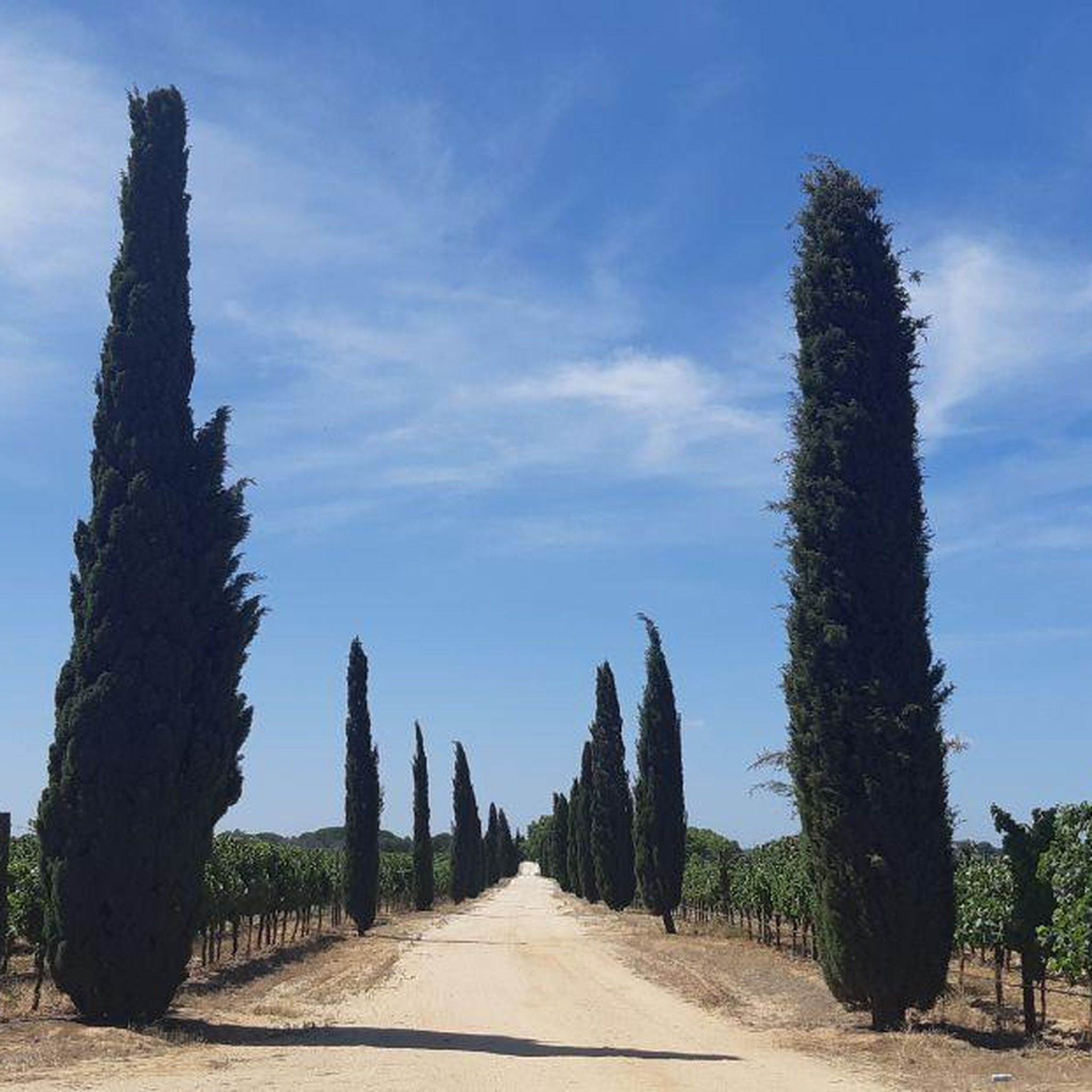
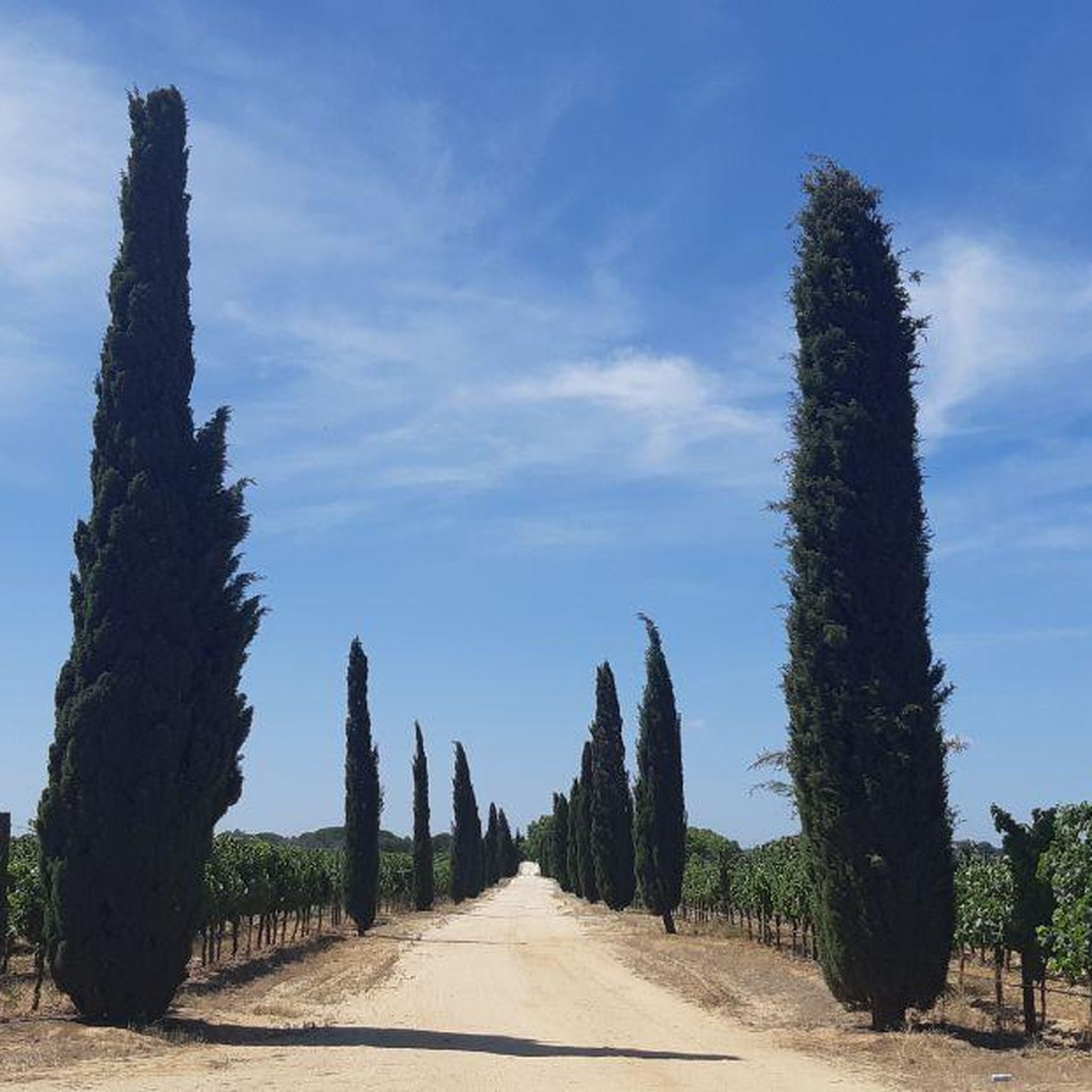
The municipality of Alcochete is located on the southern bank of the Tagus Estuary and is part of the Lisbon Metropolitan Area, benefiting from privileged access to the capital via the Vasco da Gama Bridge, as well as access to the North Motorway, IC 32 and the connection to the A2. The name Alcochete derives from the Arabic word “Alcaxete”, which means “oven”, an allusion to the riches resulting from the combustion of the wood abundant in the pine forests of this region. Human presence dates back to prehistoric times to ancient times, a fact proven by the archaeological remains found. Economic activity linked to fishing, river navigation and salt production was, at one time, the main driving force behind the municipality’s economic development. With the decreasing development, from the mid-20th century onwards, of road connections and the loss of economic importance of the River Tagus as a means of communication, these activities began to decline. Its proximity to the Tagus Estuary Nature Reserve, considered one of the most important wintering areas in Europe for several species of water birds, makes it an important place to visit and is, in itself, an attraction for nature lovers. In addition to its rich landscape, Alcochete has a fascinating cultural heritage. The Festa do Barrete Verde and das Salinas, held annually in August, is one of its highlights, as it pays tribute to the forcado, the campino and the salineiro, illustrious figures who make up the identity of the municipality.
12
0
he delightful old town of Alcochete is located on the south bank of the River Tagus, in close proximity to the Tagus Estuary Nature Reserve. The ideal day-trip destination for visitors staying in Lisbon, its foundation dates right back to the 7th century after the Moors conquered Lisbon and its name derives from the Arabic word for kiln, as several have been found in the local area. The journey across the river is a delightful one, running past some of the older parts of the capital such as the Alfama before heading off into the great Tagus river basin. The ferry arrives in Montijo, followed by a 5-kilometre bus or taxi ride north to Alcochete. Evidence of human occupation in Alcochete and its environs dates back to the lower Paleolithic period, while the Roman presence in the area mostly extended along the banks of Ribeira das Enguias where traces of several ancient potteries exist, most notably at Porto dos Cacos in Herdade de Rio Frio where the production of amphorae (ceramic containers used to pack and transport fish preserves) have been unearthed. Alcochete was an important royal retreat, with both King João I and King João II spending long periods here for rest and relaxation. More importantly, King Manuel I (creator of the Manueline architectural style) was born here and in 1515 (twenty years into his reign) he granted Alcochete its town charter at a time when Lisbon and was beginning to prosper during Portugal’s great Age of Discovery. Founded in the mid-16th century, the Church of the Misericórdia was part of the palace where King Manuel I was born on the 1st of June 1469. Today, it houses the Museum of Sacred Art whose collection includes many old paintings and some rare archaeological finds.
11
0

Interesting trail with the Tagus River on one side and the railway on the other.
0
0

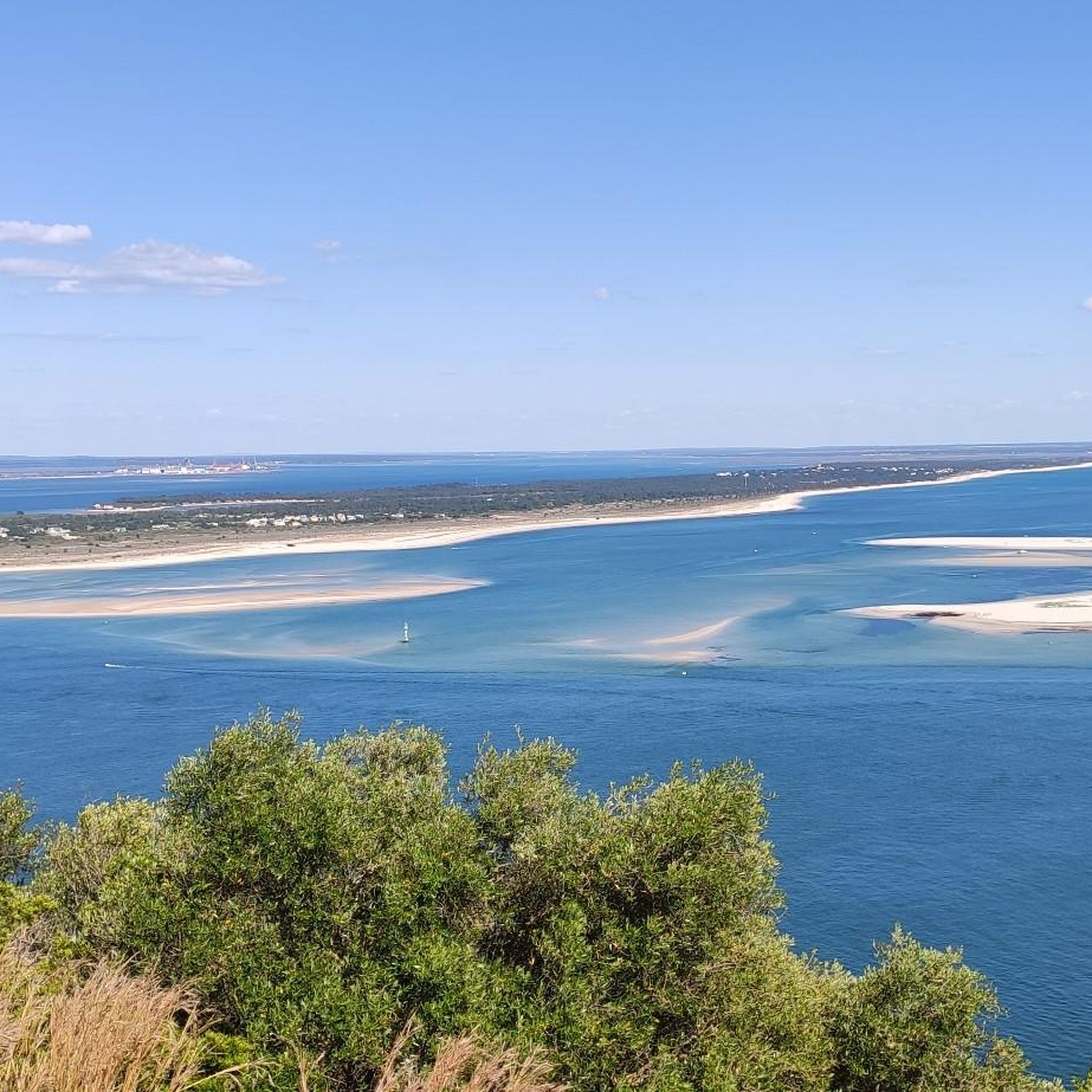
Small wooden bridge prohibited to motorized vehicles. You can admire one of the arms of the Tagus and its magnificent landscapes. This bridge connects the small town of Sarilhos Pequenos which means small problems, to the town of Sarilhos Grandes which means big problems.
24
0
The "secadouro de Alcochete". Between 1930 and 1970, cod were dried there. Cod is a fish caught in cold northern waters such as Newfoundland. Portugal in the 1920s imported all the cod consumed. In the 1920s, Portugal experienced hunger. To remedy this problem, the former dictator Salazar had Portugal fish its cod and dry it industrially in Portugal. The secadouro de Alcochete was one of those places. Salazar popularized cod.
15
0
Along the Coina river, the landscape is made up and down, with the chimneys of the Steelworks marking the horizon. A wall separates the factory in operation from the old blast furnace, abandoned since 2001. The old unit, a mark of other times, continues there. Today it is a metallic and rusty shape. Next to the river there is a deactivated port, colored by three yellow cranes. In the air, it smells of industry. A metallic noise echoes.
1
0
Frequently Asked Questions
What historical landmarks can I explore in Gaio-Rosário?
Gaio-Rosário is rich in history. You can visit the Chapel of Nossa Senhora do Rosário, dating back to 1532, which showcases distinct Manueline architectural style. The Igreja Matriz (Mother Church) and a historic Windmill are also part of the cultural heritage. Additionally, you can find the Ruins of Lime Kilns and Archaeological Remains, offering a glimpse into the region's past activities.
Are there any unique industrial heritage sites to visit in the area?
Yes, the region has several interesting industrial heritage sites. You can see the Cranes of the Deactivated Coina Port, featuring three yellow cranes along the Coina river, remnants of past industrial activity. Another notable site is the Old Crane at Seixal Waterfront, a rusted metallic structure offering a unique visual experience. You can also explore the Ruins of an old cork factory, which tells the story of the cork industry in the region.
Where can I enjoy nature and scenic views in Gaio-Rosário?
For nature and scenic views, visit the Miradouro do Rosário, which offers panoramic views over the Tagus River, especially beautiful at sunset. The Parque das Canoas, situated by the river, is another great spot to appreciate typical Tagus boats and the old shipyard. You can also find remnants of old Marinhas (Salt Pans) between Sarilhos Pequenos and Alhos Vedros, known for various water birds.
Is there a river beach for relaxation in Gaio-Rosário?
Yes, the Praia Fluvial do Rosário (Rosário River Beach) along the Tagus River is a popular spot, especially in summer. It offers tranquility and marvelous panoramic views over the Tagus River and towards Lisbon. It's a great place to relax by the water.
Can I observe wildlife in the Gaio-Rosário region?
Yes, the area between Sarilhos Pequenos and Alhos Vedros, where remnants of old Marinhas (Salt Pans) are located, is known for various water birds. You might spot flamingos, particularly visible during low tide from late summer to winter.
Are there family-friendly attractions in Gaio-Rosário?
Absolutely. The Ponta dos Corvos is a family-friendly beach with facilities, a coffee bar, barbecue, and picnic tables. Salinas do Samouco is also categorized as family-friendly and offers panoramic views and historical insights into Portugal's past cod drying industry.
What outdoor activities are available near Gaio-Rosário?
The region offers various outdoor activities. You can find several cycling routes, including road cycling and touring bicycle options, with varying difficulties. For example, there are routes like the 'Arrábida Scenic Road – Coast View Deluxe loop' for road cycling or 'School of Marines – Mata da Machada loop' for touring bicycles. You can explore these and more on the Cycling around Gaio-Rosário guide or the Road Cycling Routes around Gaio-Rosário guide.
Are there easy hiking trails in the vicinity of Gaio-Rosário?
Yes, there are easy hiking trails available. You can find routes like the 'Picnic Area loop from Alcochete' or the 'Viewpoint loop from Barreiro', both offering easy walks. More options are detailed in the Easy hikes around Gaio-Rosário guide.
When is the best time to visit Gaio-Rosário for outdoor activities or nature observation?
The Praia Fluvial do Rosário is particularly popular in summer for relaxation. For birdwatching in the Marinhas (Salt Pans), late summer to winter, especially during low tide, is the best time to observe various water birds, including flamingos.
What cultural points of interest can I discover in Gaio-Rosário?
Beyond the historical landmarks, you can explore the Coreto (Bandstand) in Largo do Coreto, which serves as a setting for traditional dances during festivities. The picturesque residential areas like the Pátio do Rosário, with their brightly colored houses, also offer a glimpse into the local community and culture.
What is the Salinas do Samouco and why is it significant?
The Salinas do Samouco is a natural area known for its historical "secadouro de Alcochete." This location offers panoramic views and provides insight into Portugal's past cod drying industry, which was vital between 1930 and 1970. It's a place where cod imported from northern waters was industrially dried.

Get inspired with the komoot mobile app


Explore more
Still not found the Highlight you’re looking for? See guides of the top attractions in other regions:
