The best walks and hikes around Pinhal Novo
4.6
(290)
1,152
hikers
48
hikes
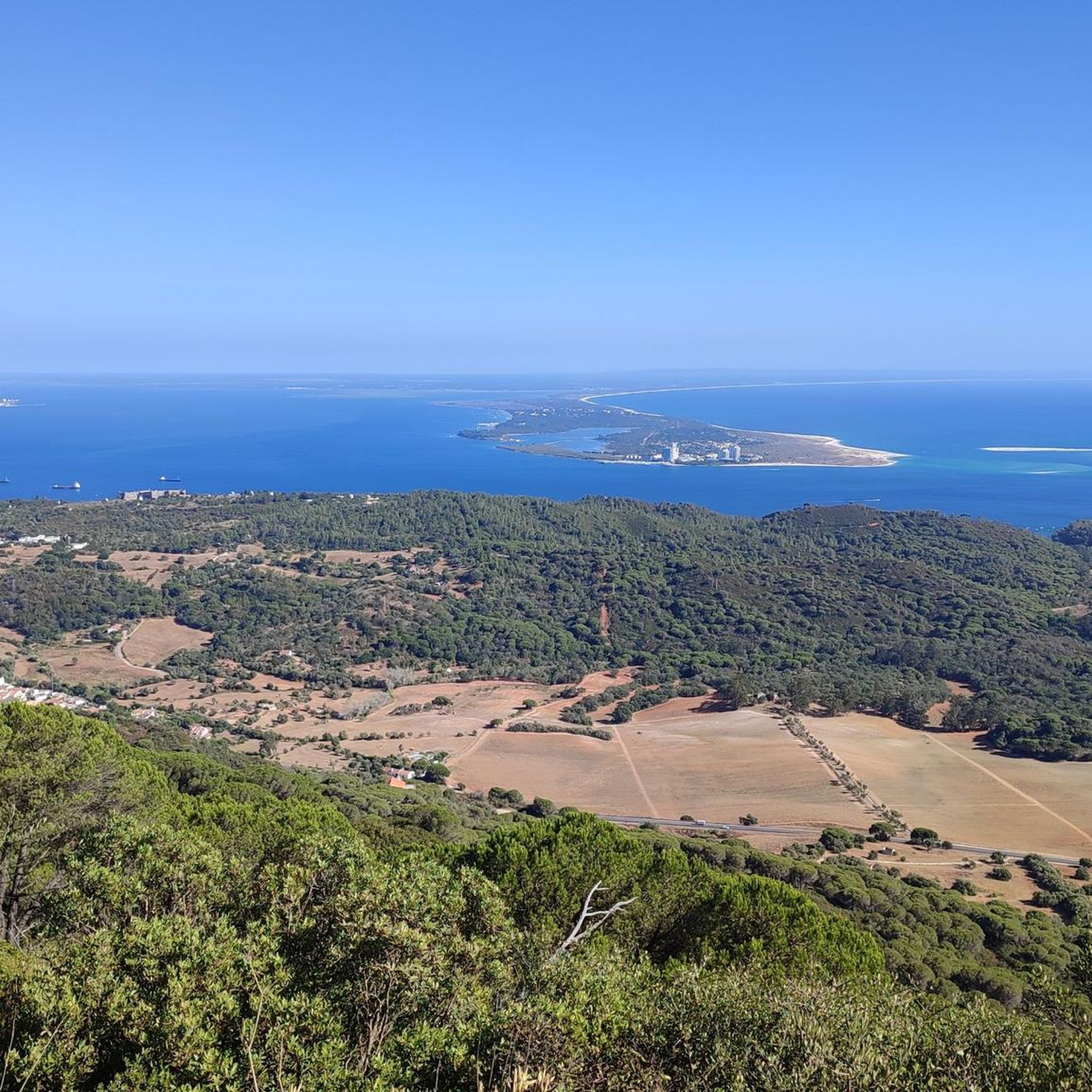
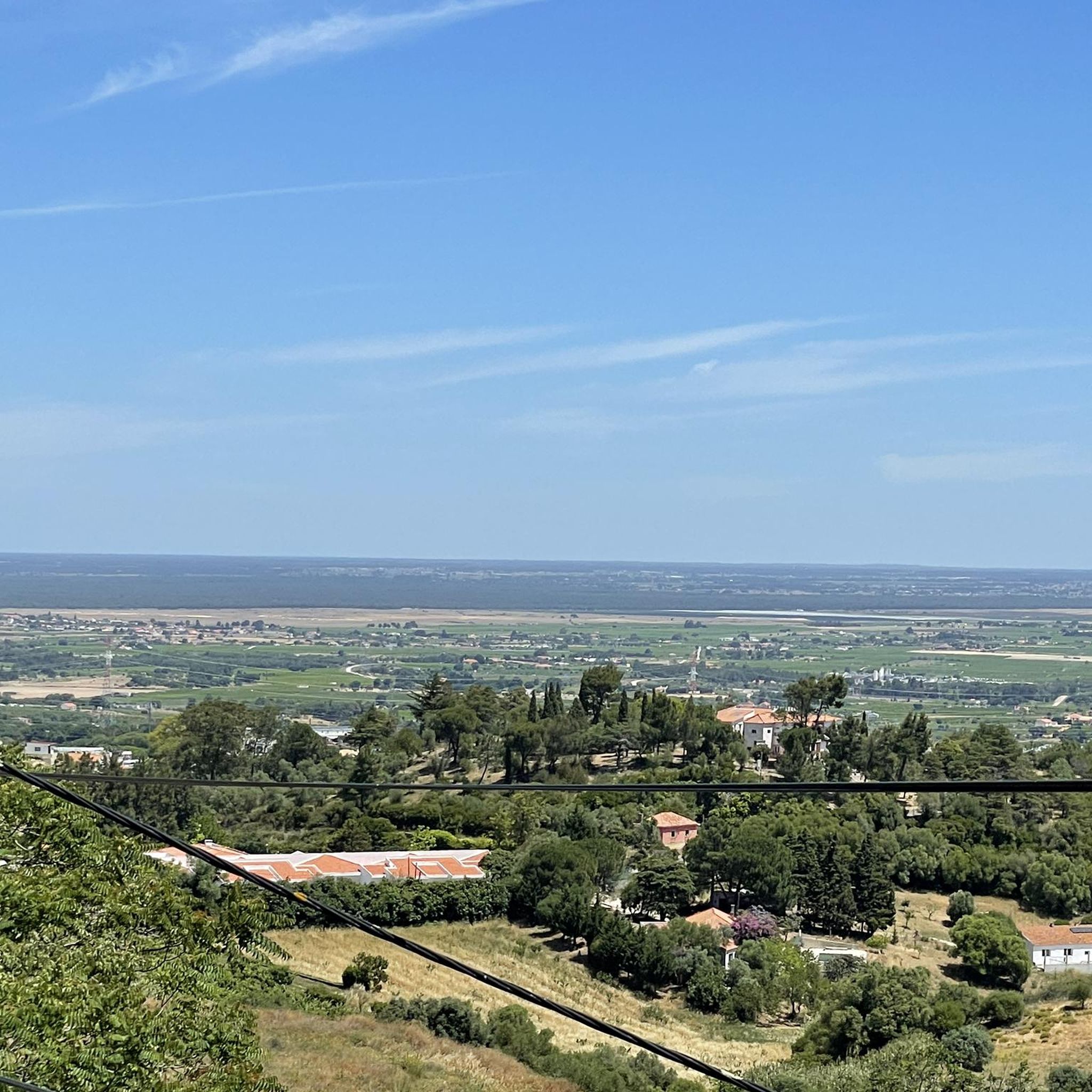
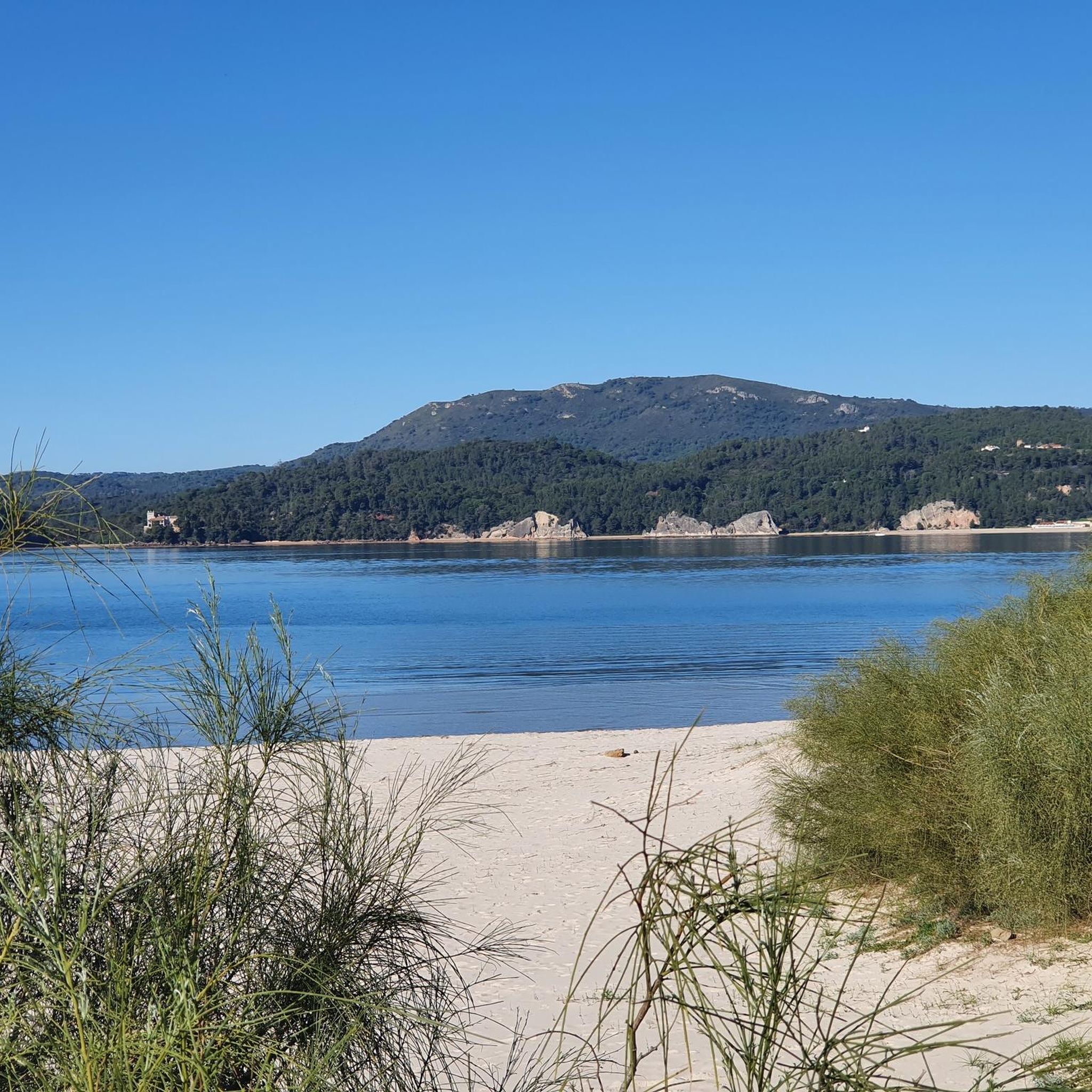
Hiking around Pinhal Novo offers access to diverse natural landscapes, primarily influenced by the Arrábida Natural Park and the Sado Estuary Natural Reserve. The region is characterized by limestone cliffs, lush Mediterranean vegetation, and mountains reaching up to 501 meters in the Arrábida area. To the south, the Sado Estuary presents a contrasting landscape of wetlands, salt marshes, cork oak forests, and pine groves. These varied terrains provide a range of hiking experiences for outdoor enthusiasts.
Best hiking trails around…
Last updated: July 8, 2026
4.8
(23)
113
hikers
8.99km
02:23
80m
80m
Moderate hike. Good fitness required. Easily-accessible paths. Suitable for all skill levels.
4.8
(10)
44
hikers
Moderate hike. Good fitness required. Easily-accessible paths. Suitable for all skill levels.

Sign up for free
4.9
(16)
54
hikers
12.5km
03:19
130m
130m
Moderate hike. Good fitness required. Easily-accessible paths. Suitable for all skill levels.
4.5
(8)
33
hikers
18.4km
05:01
270m
270m
Hard hike. Very good fitness required. Easily-accessible paths. Suitable for all skill levels.
4.5
(4)
15
hikers
22.9km
06:25
450m
450m
Hard hike. Very good fitness required. Easily-accessible paths. Suitable for all skill levels.
Get access to more routes and recommendations from other explorers.
Sign up for free
Already have an account?
Our route recommendations are based on thousands of hikes, rides, and runs completed by other people on komoot.
Start today with a free account
Your next adventure awaits.
Login or Signup

Tips from the Community

These were the "mills" of old, moved by the wind, heavy granite millstones, transformed wheat seeds into flour from which delicious bread was made, which "satisfied" the hunger of those who had little to eat.
1
0


The Portuguese oak can be considered an intermediate species between the oaks of the north of the country and those of the south, that is, between the black oak and the oak, and the cork oak and holm oak. This tree grows slowly and inhabits habitats that are generally limiting for most other trees. Like the holm oak, the acorns of this oak are also used in the feed of the wild pig.
5
0
The rural Islamic site of Alto da Queimada, which we identified as a hilltop, was subjected to archaeological intervention between 1996 and 2005. The village shows signs of previous occupation, from the Roman and pre-Islamic periods, with continuity of settlement being recognised, attributable to the great fertility of the region and the good location and defence conditions. The peasant population that, in the Islamic period, structured and inhabited the hilltop from the Emiral period until the beginning of the 11th century, maintained undeniable fiscal and cultural links to the castle of Palmela. The hilltop is defined in a west-east direction, with rectangular houses, with rough stonework associated with walls obtained from the local rock and roofs made of perishable materials. Spaces with functions linked to daily agricultural and pastoral life are defined, namely storage areas, but also others of a religious nature. The signs of a predominantly agricultural economy are evident in the collection of instruments and various utensils, but other activities are also documented, such as fishing, justified by the proximity of the Sado Estuary.
3
0
The Arrábida region holds valuable treasures and a variety of information about the geological evolution of the territory and its occupation since the Neolithic period. It is possible to discover and interpret all these signs in a simple and educational way along the Serra do Louro and Quinta do Anjo mountain range, where you can see beds of fossilized oysters and corals and a large number of archaeological remains in the form of engravings, settlements, hill forts and tombs excavated in the rock. It is also a privileged location for the global observation of all the orography related to the formation of the Serra da Arrábida. The geodetic marker marks the highest point of the Serra do Louro. At an altitude of 224 m, you can see, to the south, the Serra de São Luís (398 m), the Serra dos Gaiteiros (229 m) and the Vale dos Barris. In this location, you can also see a bed of fossilized oysters. The oldest lands in Arrábida date back to around 200 million years ago, at the beginning of the Jurassic, with the oyster beds being one of the testimonies of other geological times.
5
0
One of the most important remains of prehistory is a set of four artificial caves, excavated in the rock, which served as collective burial places for the people of the region for around 1,000 years during the Chalcolithic Period (Copper Age). The deceased was placed – in the foetal position, accompanied by a series of ceremonies and offerings – inside the tomb, which, due to its shape, imitated a mother's womb, symbolising a return to the origin of life and a tribute to fertility. The four artificial caves at Quinta do Anjo are funerary monuments with unique characteristics, dating back to the Final Neolithic (around 4,500 years ago) and which continued to be used as collective burial sites during the Copper Age. They were excavated in the rock to form circular compartments, which are accessed via a corridor and an antechamber.
5
0
At the top of the Serra do Louro stand the windmills which, in the not so distant past, were an important industry for processing cereals. The force of the wind hits the open sails, turning an axle, which in turn transmits the rotation to a limestone stone that rotates on another fixed one. These stones, called "millstones", receive the cereal grains between them, transforming them into flour.
6
0

Magnificent view of the Chapel of St. Louis da Serra
0
0
Frequently Asked Questions
How many hiking trails are there around Pinhal Novo?
There are over 45 hiking trails available around Pinhal Novo, catering to various fitness levels. You'll find a mix of easy, moderate, and difficult routes to explore the region's diverse landscapes.
What kind of terrain can I expect on hikes around Pinhal Novo?
The terrain around Pinhal Novo is quite varied. You can expect to hike through limestone mountains and lush Mediterranean vegetation in the Arrábida Natural Park, or explore wetlands, salt marshes, cork oak forests, and pine groves in the Sado Estuary Natural Reserve. This offers a wide range of natural experiences.
Are there easy hiking options suitable for beginners or casual walkers?
Yes, Pinhal Novo offers several easy hiking options. Approximately 12 of the trails are classified as easy, perfect for beginners or those looking for a relaxed walk. These routes often explore local hills and woodlands with gentle elevation changes.
What natural features or landmarks can I see while hiking near Pinhal Novo?
While hiking, you can discover a variety of natural features and landmarks. In the Arrábida area, you might encounter the Windmills of Serra do Louro or a fascinating fossilized oyster bed. The Sado Estuary is known for its rich birdlife and the resident bottlenose dolphins. You can also find viewpoints like the São Luís Lookout offering panoramic views.
Are there any historical sites or points of interest along the trails?
Yes, the region has historical significance. The Sado Estuary Natural Reserve holds traces of past human presence, including Roman kilns and a Phoenician trading post. Additionally, the impressive Castle of Palmela is a prominent landmark that can be incorporated into longer hikes, such as the Castelo de Palmela – Descent of the Cows loop from Palmela.
What do other hikers say about the trails in Pinhal Novo?
The hiking trails around Pinhal Novo are highly regarded by the komoot community, with an average rating of 4.6 stars from over 255 reviews. Hikers often praise the diverse landscapes, from coastal views to serene woodlands, and the well-maintained paths that make for enjoyable outings.
Are there any circular hiking routes available?
Yes, many of the trails around Pinhal Novo are circular, offering convenient starting and ending points. Examples include the Alcaria of Alto da Queimada – Portuguese oak loop from Palmela and the Cai de Costas Trail – Descent of the Cows loop from Palmela, which allow you to return to your starting point without retracing your steps.
Is parking available near the trailheads?
Parking availability varies by trailhead. Many popular starting points, especially those near towns like Palmela or Quinta do Anjo, offer designated parking areas. It's advisable to check the specific route details on komoot for information on parking at your chosen trailhead.
Can I bring my dog on the hiking trails around Pinhal Novo?
Generally, dogs are welcome on many trails in the Pinhal Novo area, especially on public footpaths. However, within protected areas like the Arrábida Natural Park or the Sado Estuary Natural Reserve, there might be specific rules regarding leashes or restricted areas to protect wildlife. Always check local signage and regulations.
Are the trails around Pinhal Novo suitable for families with children?
Yes, there are several trails suitable for families. The region offers a good selection of easy and moderate routes with shorter distances and less challenging terrain, perfect for an outing with children. These trails often pass through woodlands or offer interesting natural sights.
What is the best time of year to go hiking in Pinhal Novo?
The best time to hike in Pinhal Novo is typically during the spring (March to May) and autumn (September to November) when the weather is mild and pleasant. Summers can be hot, especially in July and August, while winters are generally mild but can be rainy. Spring offers lush greenery and blooming wildflowers, while autumn provides comfortable temperatures for longer excursions.
Are there any challenging or difficult hikes in the area?
For experienced hikers seeking a challenge, Pinhal Novo does offer more difficult routes. For instance, the Descent of the Cows – Chapel of São Luís da Serra loop from Palmela is classified as difficult, featuring significant elevation changes and longer distances, providing a more strenuous workout amidst the scenic landscape.
Most popular attractions around Pinhal Novo

Get inspired with the komoot mobile app


Explore more
Browse the best Hikes in other regions.
