Attractions and Places To See around Poceirão - Top 20
Attractions and places to see around Poceirão, located in the municipality of Palmela, offer a diverse range of cultural sites and natural features. The area provides a mix of historical landmarks and scenic landscapes for exploration. The broader Setúbal region further enhances the appeal with its natural attractions, including the Sado River estuary and Arrábida Natural Park. This region is characterized by its blend of historical significance and natural beauty.
Best attractions and places to see around Poceirão
- The most popular attractions is Windmills of Serra do Louro, a man_made_monument that features several wind mills, some ancient and some more recent. These mills historically transformed wheat into flour for bread, offering a glimpse into traditional milling practices and scenic views.
- Another must-see spot is Moinhos por Baixo Trail, a trail. This path is described as relatively wide, safe, and pleasant, making it ideal for cyclists, walkers, and runners, offering beautiful views amidst trees and nature.
- Visitors also love Castle of Palmela, a castle. This significant historical landmark has a mixed architectural style, including Moorish influences, and offers magnificent views, including the 25th of April Bridge, housing a hotel and restaurants for visitors.
- Poceirão is known for its historical sites, natural trails, and cultural venues. Visitors can explore historical landmarks, scenic trails, and cultural venues.
- The attractions around Poceirão are appreciated by the komoot community, with more than 45 upvotes and 25 photos shared.
Last updated: July 1, 2026
Windmills of Serra do Louro
Highlight (Segment) • Monument
Tip by

Castle of Palmela
Highlight • Castle
en.m.wikipedia.org/wiki/Castle_of_Palmela
The architectural style is mixed, including Moorish.
The view is magnificent, you can see the large 25th of April Bridge, for example.
Translated by Google •
Tip by

Sign up now to discover places like this
Get recommendations on the best single tracks, peaks, & plenty of other exciting outdoor places.
Sign up for free
Moinhos por Baixo Trail
Highlight (Segment) • Trail
Translated by Google •
Tip by

Canha Water Tower
Highlight • Monument
Translated by Google •
Tip by

Church of Saint Peter of Palmela
Highlight • Religious Site
Translated by Google •
Tip by

Sign up for free to discover even more attractions around Poceirão.
Sign up for free
Already have an account?
Start today with a free account
Your next adventure awaits.
Login or Signup
Tips from the Community

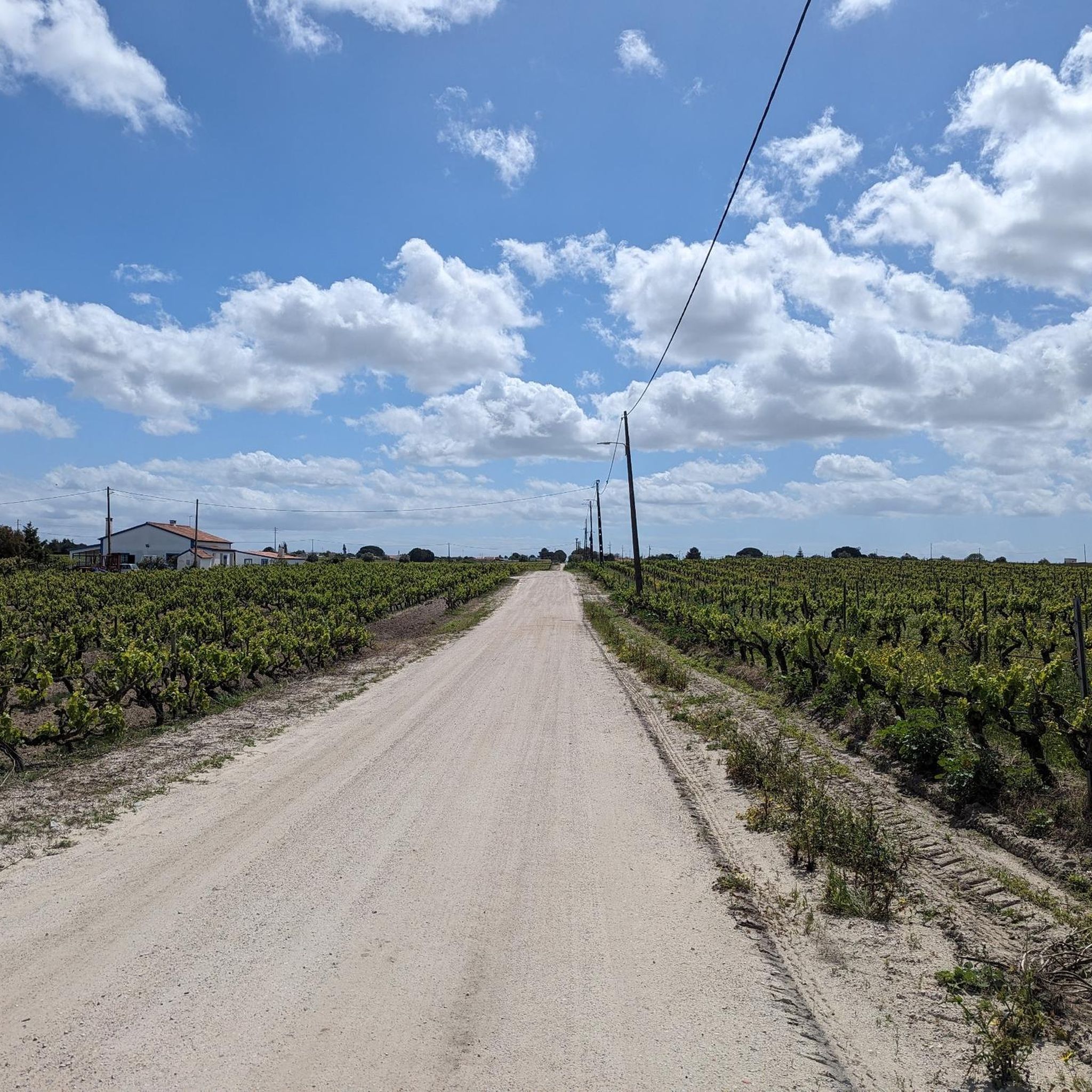
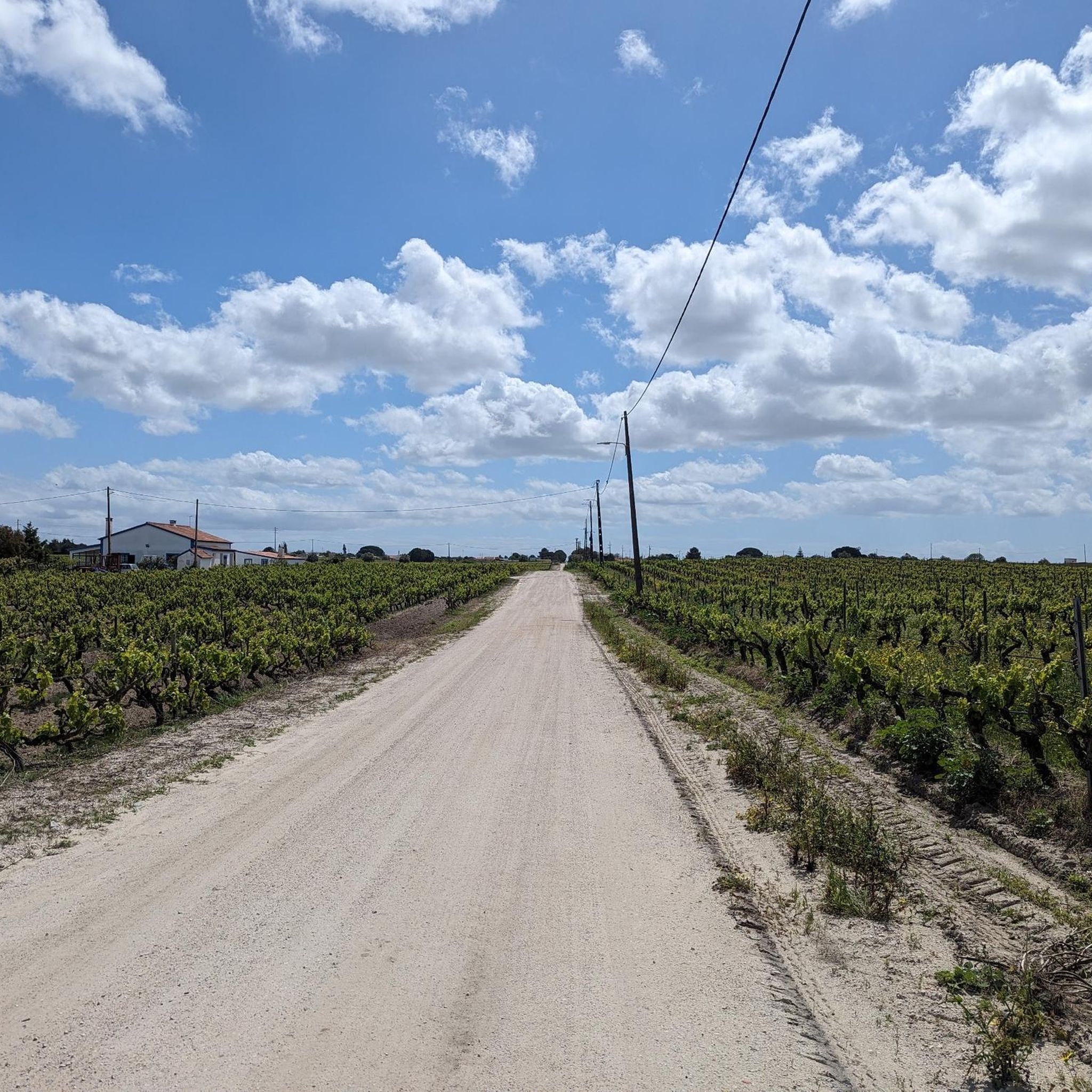
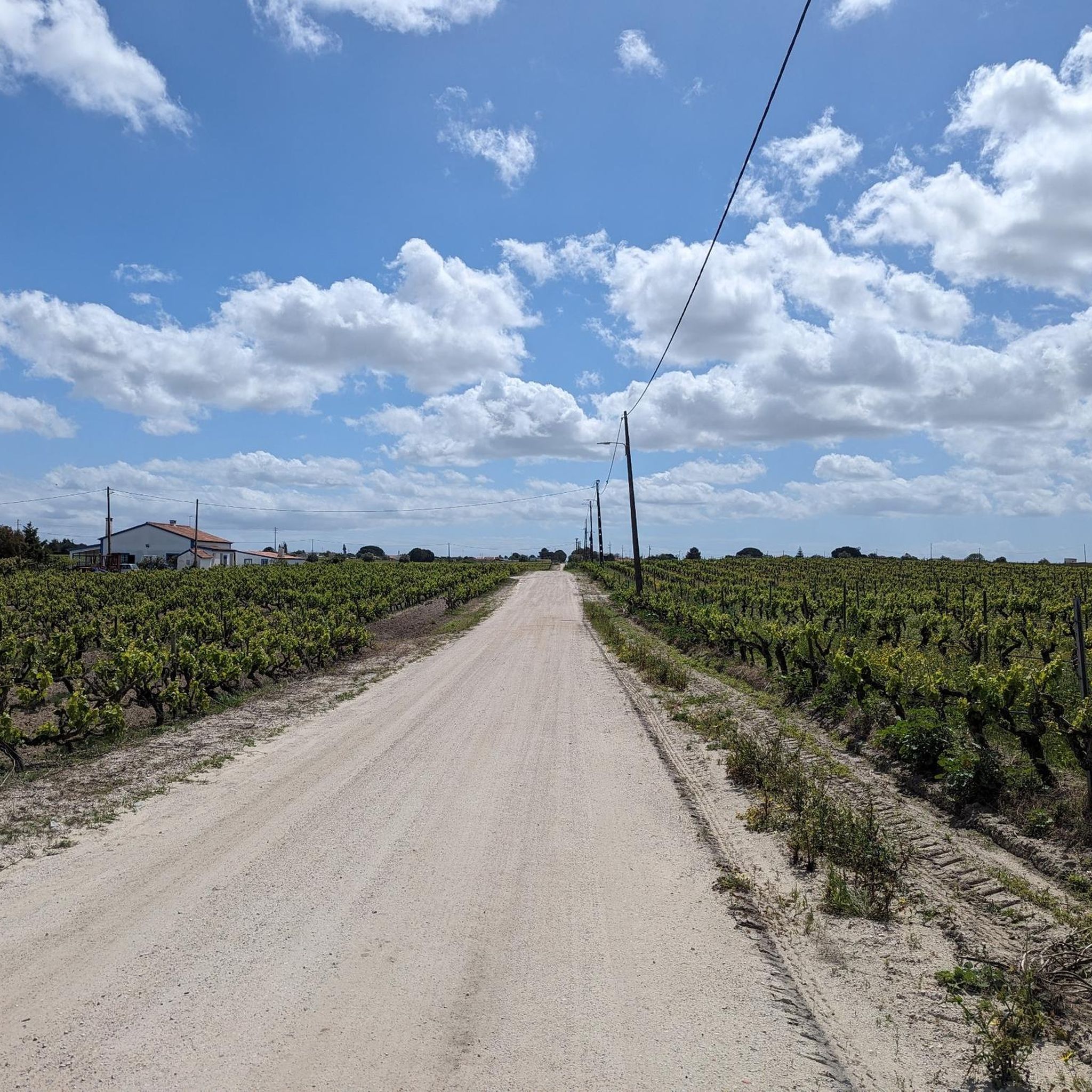
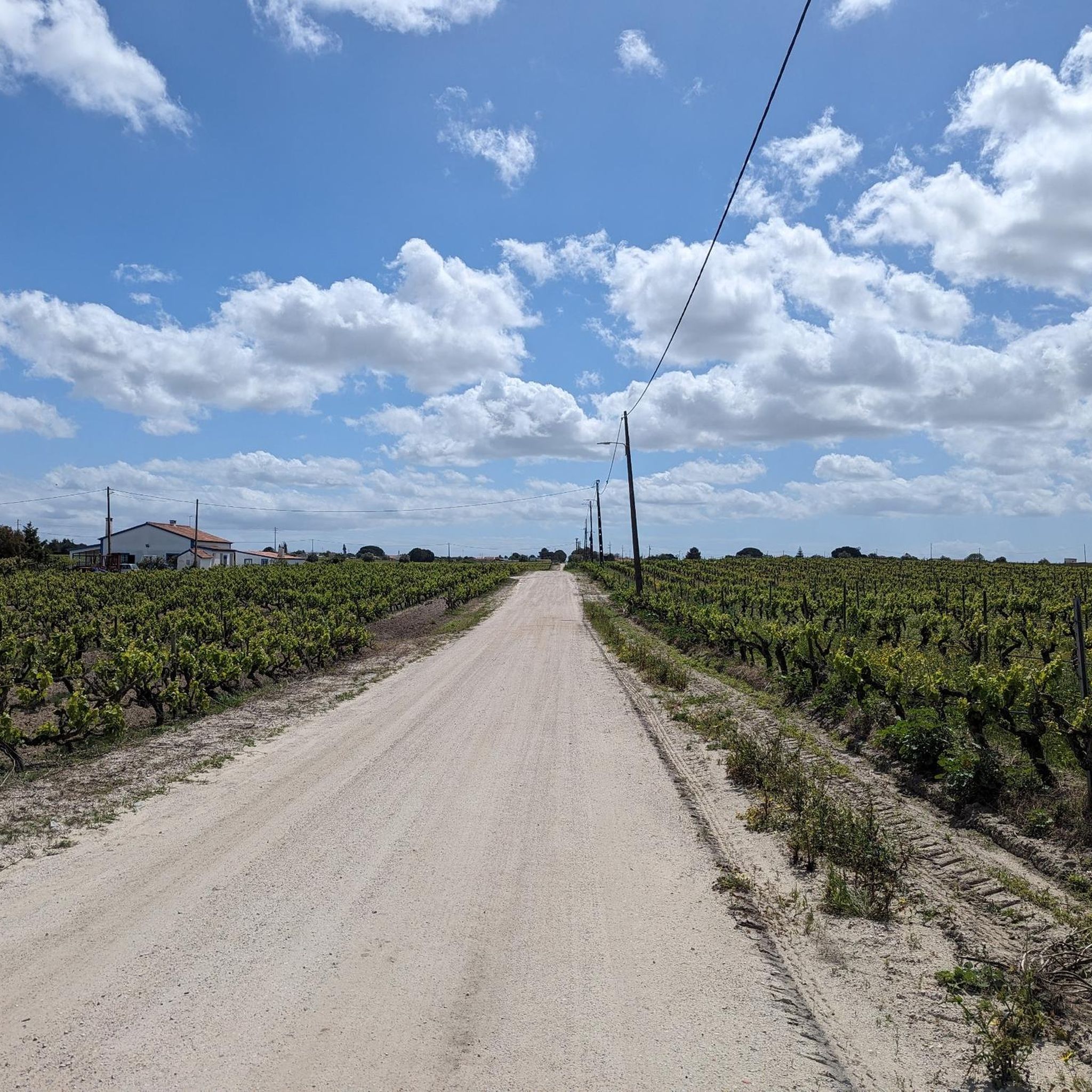
Trail with unexpected landscapes and then the landscape opens up, and suddenly Palmela Castle in the distance and the Sado estuary opening up on the horizon line.
0
0

Amazing tile paintings in the church!
0
0

There are no historical or tourist records of a notable Canha Water Tower functioning as a tourist attraction. It is likely a common water reservoir, a utilitarian structure present in many cities and towns for public water supply.
3
0

These mills are located in high areas and were used to grind cereals into flour to make bread. 👍🇵🇹
0
0

In wartime situations, it controlled the space between Lisbon and the South, between the Tagus and Sado rivers. During the Islamic period and the Christian offensive in the 12th and 13th centuries, this geostrategic position was compatible with other fortified sites—Coina, Sesimbra, and the Sado riverbank. In the surrounding area—with good conditions for grazing and a large area of agricultural land—some rural communities settled during the Islamic period, such as the village of Alto da Queimada (Serra do Louro). Inside the wall, the ruins of the Church of Santa Maria do Castelo welcome visitors: Palmela's first parish church, probably from the 12th century (founded by King Afonso Henriques?), subject to interventions mainly in the 16th and 17th centuries and severely damaged by the 1755 earthquake. The walls, the pentagonal Keep—a 16th-century construction—are part of the original structure. The castle dates back to the 14th century, where the Bishop of Évora, D. Garcia de Meneses, was imprisoned in the waterless cistern for conspiring against King John II. The bishop died there from poisoning in 1484. The parade ground and barracks are worth visiting. As it stands, the castle is the result of several construction campaigns—repairs, reconstructions, and expansions—up until the 18th century. Archaeological work has identified some sections of the wall from the Islamic period, and other construction phases are recognized, likely dating from the post-reconquest period and, later, from the reign of King John I. The bastion system that surrounds the first line of fortification was commissioned by King Pedro II. In the house of the Prior-Major of the Order, or the military commander of the fortress—after the abolition of the orders (in 1834)—the explorer of African lands, Hermenegildo Carlos de Brito Capelo, son of the fortress's governor, was born on February 4, 1841. Palmela Castle was classified as a National Monument by Decree-Law of June 16, 1910. Parking outside the walls is recommended.
7
0
These were the "mills" of old, moved by the wind, heavy granite millstones, transformed wheat seeds into flour from which delicious bread was made, which "satisfied" the hunger of those who had little to eat.
1
0

Opening Hours Monday Closed Tuesday 10:00 AM - 6:30 PM Wednesday 10:00 AM - 6:30 PM Thursday 10:00 AM - 6:30 PM Friday 10:00 AM - 6:30 PM Saturday 10:00 AM - 6:30 PM Sunday 10:00 AM - 12:00 PM
1
1

Beautiful water tower on slender feet.
9
0
Frequently Asked Questions
What historical sites can I explore near Poceirão?
The region offers several significant historical landmarks. You can visit the Castle of Palmela, a private castle with mixed architectural styles, including Moorish influences, offering magnificent views. Within its walls, you'll find the ruins of the Church of Santa Maria do Castelo and the remarkable 15th-century Igreja de Santiago de Palmela, which hosts exhibitions and performances.
Are there any natural landmarks or scenic viewpoints around Poceirão?
Yes, the area boasts beautiful natural features and viewpoints. The Windmills of Serra do Louro offer scenic views and a glimpse into traditional milling practices. The Moinhos por Baixo Trail also provides beautiful views amidst trees and nature, ideal for walks and runs. Additionally, the broader Setúbal region features the stunning Arrábida Natural Park, known for its rock formations, secluded beaches, and lush vegetation.
What kind of outdoor activities can I do near Poceirão?
You can enjoy various outdoor activities, especially cycling and hiking. The Moinhos por Baixo Trail is excellent for cyclists, walkers, and runners. For more structured routes, explore the cycling guides like Cycling around Poceirão or MTB Trails around Poceirão. There are also easy hiking trails available, such as those around Palmela.
Are there family-friendly activities or attractions in Poceirão?
The Poceirão Cultural Center is a dynamic hub for cultural activities, offering a diverse program of music, theater, dance, and exhibitions, with a specific focus on children's programming. While not explicitly listed as 'family_friendly' in the highlights, the center's activities are designed for all age groups, making it a good option for families.
Where can I find walking or hiking trails in the area?
The Moinhos por Baixo Trail is a pleasant path suitable for walkers and runners, offering beautiful views. For more options, you can find several easy hiking trails around Poceirão, including routes like the 'Palmela Town Hall – Pillory of Palmela loop' and the 'Alcaria of Alto da Queimada loop' from Palmela.
What cultural experiences does Poceirão offer?
Poceirão is home to the Poceirão Cultural Center, which serves as a vibrant hub for cultural activities. It hosts various performances, exhibitions, and is home to local associations like the Poceirão Folkloric Ranch. The center also includes a Maker Space for creativity and innovation, promoting cultural and educational activities for all ages.
Are there any wheelchair-accessible attractions near Poceirão?
Yes, the Canha Water Tower is noted as being wheelchair accessible. It's a beautiful and calm spot, offering a good source of fresh water.
What is the best time to visit Poceirão for outdoor activities?
While specific seasonal considerations for Poceirão are not detailed, regions with similar climates in Portugal generally offer pleasant conditions for outdoor activities during spring (April-May) and autumn (September-October) when temperatures are milder. Summers can be hot, and winters are typically mild and wet.
What makes the Windmills of Serra do Louro interesting?
The Windmills of Serra do Louro are a fascinating man-made monument featuring several windmills, some ancient and some more recent. They historically transformed wheat into flour for bread, offering a unique glimpse into traditional milling practices and providing scenic views from the Serra do Louro trail.
Can I find places to eat or stay near the attractions?
The Castle of Palmela houses a hotel and restaurants for visitors, making it a convenient option for dining and accommodation while exploring this historical landmark. For other attractions, you might find cafes and pubs in nearby towns like Palmela.
What is the significance of the Castle of Palmela?
The Castle of Palmela is a significant historical landmark that controlled the space between Lisbon and the South during wartime. It features a mixed architectural style, including Moorish influences, and offers magnificent views. It has undergone several construction campaigns since the Islamic period and was classified as a National Monument in 1910.
Are there opportunities for wine tourism in the region?
Yes, the wider Setúbal region, where Poceirão is located, is known for its enotourism, particularly in the vineyards. While specific wineries are not listed in the provided data, the area offers opportunities to explore local wines and vineyards.
Most popular attractions around Poceirão

Get inspired with the komoot mobile app


Explore more
Still not found the Highlight you’re looking for? See guides of the top attractions in other regions:
