Attractions and Places To See around Santo André - Top 20
Best attractions and places to see around Santo André include a variety of historical sites, castles, and religious buildings. This region offers insights into its past through ancient ruins and well-preserved monuments. Visitors can explore coastal areas and enjoy panoramic views from elevated historical structures.
Best attractions and places to see around Santo André
- The most popular attractions is Castle and Main Church of Santiago do Cacém, a castle that has watched over the surroundings since the 12th century.…
Last updated: October 18, 2026
Castle and Main Church of Santiago do Cacém
Highlight • Castle
Translated by Google •
Tip by

Castle of Sines
Highlight • Castle
Translated by Google •
Tip by

Sign up now to discover places like this
Get recommendations on the best single tracks, peaks, & plenty of other exciting outdoor places.
Vasco da Gama Statue (Sines)
Highlight • Monument
Translated by Google •
Tip by

Ruins of Nossa Senhora do Loreto Convent
Highlight • Historical Site
Translated by Google •
Tip by
Chapel of Our Lady of the Salvas
Highlight • Religious Site
16th century chapel, on both sides there are buttresses with conical pinnacles supporting the coffered vault. The walls are covered with 18th-century tiles.
Translated by Google •
Tip by

Sign up for free to discover even more attractions around Santo André.
Already have an account?
Start today with a free account
Your next adventure awaits.



Tips from the Community

Only sparse ruins remain at this site today, testifying to the monastery that once stood here, a place of lived faith for several centuries. User @Kathrin has already written a detailed post about the history, citing sources. Perhaps an explanation of the patronage is also interesting: people entrusted themselves to the Mother of God of Loreto. Loreto is an international Marian pilgrimage site in central Italy (the Marche region). The House of Mary, formerly located in Nazareth (Israel), is venerated there. It was probably dismantled and brought to Europe by crusaders at the end of the 13th century, when the era of Christian kingdoms in the Holy Land came to an end. However, this very rational assumption is contradicted by a much more interesting legend: According to this legend, four angels carried out the translation of the "Santa Casa" by flying the building across the Mediterranean.
1
1
If one were to survey the most important European explorers, the name "Vasco da Gama" would certainly be mentioned quite often, alongside the Genoese-born "Christopher Columbus," who, on behalf of the Spanish crown, sought the sea route to India and (without even realizing it) discovered America. Born here in Sines around 1469, he enjoyed the trust of King Manuel I, on whose behalf he was to explore the southern sea route to India. In 1498, he successfully circumnavigated the Cape of Good Hope (South Africa) and continued on to India, where he became its second viceroy. Vasco da Gama died in 1524. His homeland honors him with this monument.
6
0

You have a beautiful view of the beach from above
7
1

This large chapel is classified as a national monument and boasts white-washed walls that blend in with the style of the small town. The church follows the typical religious architecture found in the south of the country with similar chapels including São Brás in Évora, Santo André in Beja, São Sebastião in Alvito, and São Bartolomeu, also in Sines. You can visit Wednesday to Sunday from 10:00 am to 12:30 pm and 2:30 pm to 6:00 pm.
10
0
As one of Portugal’s busiest fishing harbors during the middle ages, the inhabitants of Sines decided to build a castle to defend their ships and the town against enemy navies and pirates. The castle dates back to the 15th century and still stands in its entirety. Although it was built smaller than average to adapt to the landscape it was built on, the castle boasts a large history, including being home to Estêvão da Gama, father of Vasco da Gama.
6
0
Sines Castle is a medieval fortress built on a cliff that has been occupied since the Paleolithic period. It was very useful for defense and is now one of the best viewpoints over the bay. In the 14th century, the small bourgeois village of Sines demanded administrative autonomy from King Dom Pedro I in relation to Santiago do Cacém. The monarch, interested in the strategic importance of the land in protecting this coastal area from pirates, granted Sines a charter. But on one condition: the construction of a defensive fence. The castle was built during the first half of the 15th century. Its area is relatively small, half a hectare, which may be explained by the fact that at the time the castle was built, the village already occupied an area too large to be completely surrounded. The most famous mayor of Sines was Estêvão da Gama, father of Vasco da Gama, who carried out works on the fortress. Assuming that Estêvão already occupied this position in 1469, the probable year of the navigator's birth, this must be the birthplace of Vasco da Gama. The castle underwent restoration work, completed in November 2008, at the same time as the inauguration of the Sines Museum and Vasco da Gama's House. It has been a Monument of Public Interest since 1933 (decree no. 22737 of 24 June)
6
0
With a beautiful panoramic view over the bay and the Fishing Port, the Chapel of Nossa Senhora das Salvas is a must-see on your trip to Sines.
6
1
With good access, Sines is an excellent place to live and visit... Vasco da Gama beach is a cove protected from winds and sea currents, excellent for families with children...
11
0
Frequently Asked Questions
What historical sites can I explore around Santo André?
The region is rich in history. You can visit the Castle and Main Church of Santiago do Cacém, a 12th-century castle offering wonderful views of the Alentejo coast. Another significant historical site is the Castle of Sines, where you can enjoy great views, particularly over Vasco da Gama Beach. Don't miss the Ruins of Nossa Senhora do Loreto Convent, which recall the presence of a 15th-century convent and invite contemplation.
Are there any religious buildings or monuments to visit?
Yes, several. The Main Church of Santiago do Cacém is part of the historic castle complex. You can also visit the Chapel of Our Lady of the Salvas, a 16th-century chapel classified as a national monument, offering a beautiful panoramic view over the bay and fishing port. The Ruins of Nossa Senhora do Loreto Convent also represent a place of lived faith for centuries.
What are the best viewpoints in the area?
For stunning views, head to the Castle and Main Church of Santiago do Cacém, which offers wonderful panoramic views of the Alentejo coast. The Castle of Sines also provides great views from its walls, especially over Vasco da Gama Beach. Additionally, the Chapel of Our Lady of the Salvas offers a beautiful panoramic view over the bay and the fishing port.
Are there family-friendly attractions around Santo André?
Yes, several attractions are suitable for families. The Castle of Sines is considered family-friendly, with its walls offering great views. The Vasco da Gama Statue (Sines) is also a family-friendly historical site. The nearby Vasco da Gama beach is noted as excellent for families with children due to its protected cove.
What outdoor activities can I do near these attractions?
You can enjoy various outdoor activities. For road cycling, explore routes like the 'Road Parallel to the Highway – Porto Covo loop' or the 'Ribeira de Grândola – Estrada do Badoca Park loop'. If you prefer hiking, there are easy trails such as the 'Costa de Santo André Beach loop' or more moderate options like the 'View of Lagoa de Santo André loop'. Find more details on these activities in the Road Cycling Routes around Santo André and Hiking around Santo André guides.
Are there easy hiking trails available?
Yes, there are several easy hiking trails. You can try the 'Costa de Santo André Beach loop from Sem Nexo' (6.2 km) or the 'Melides Beach – Costa de Santo André Beach loop' (6.9 km). Another short and easy option is the 'Bird Observatory loop' (1.5 km). For more easy routes, check out the Easy hikes around Santo André guide.
What do visitors enjoy most about the attractions in this region?
Visitors particularly appreciate the historical significance and the stunning views. The castles offer a glimpse into the past with their well-preserved structures and strategic locations. Many enjoy the panoramic vistas of the Alentejo coast and the bay from elevated points like the castles and chapels. The tranquility and contemplative atmosphere of sites like the convent ruins are also highly valued.
Can I find monuments dedicated to historical figures?
Yes, in Sines, you can find the Vasco da Gama Statue, erected in honor of the famous explorer who was born in Sines. This monument stands in front of the Castle of Sines, and nearby, one of the castle towers houses a multimedia presentation about his life and discoveries.
What kind of natural features can I expect to see near the attractions?
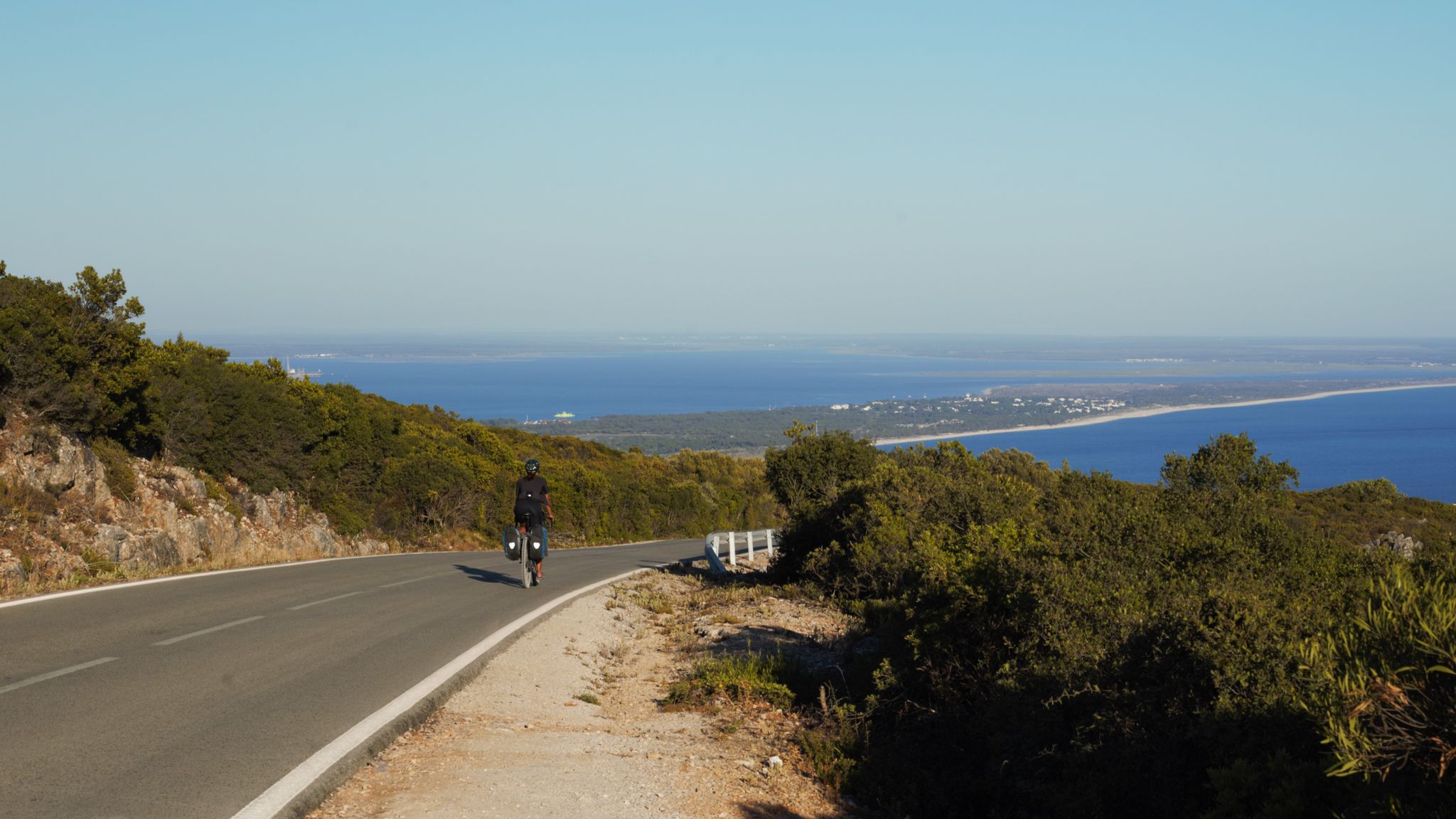
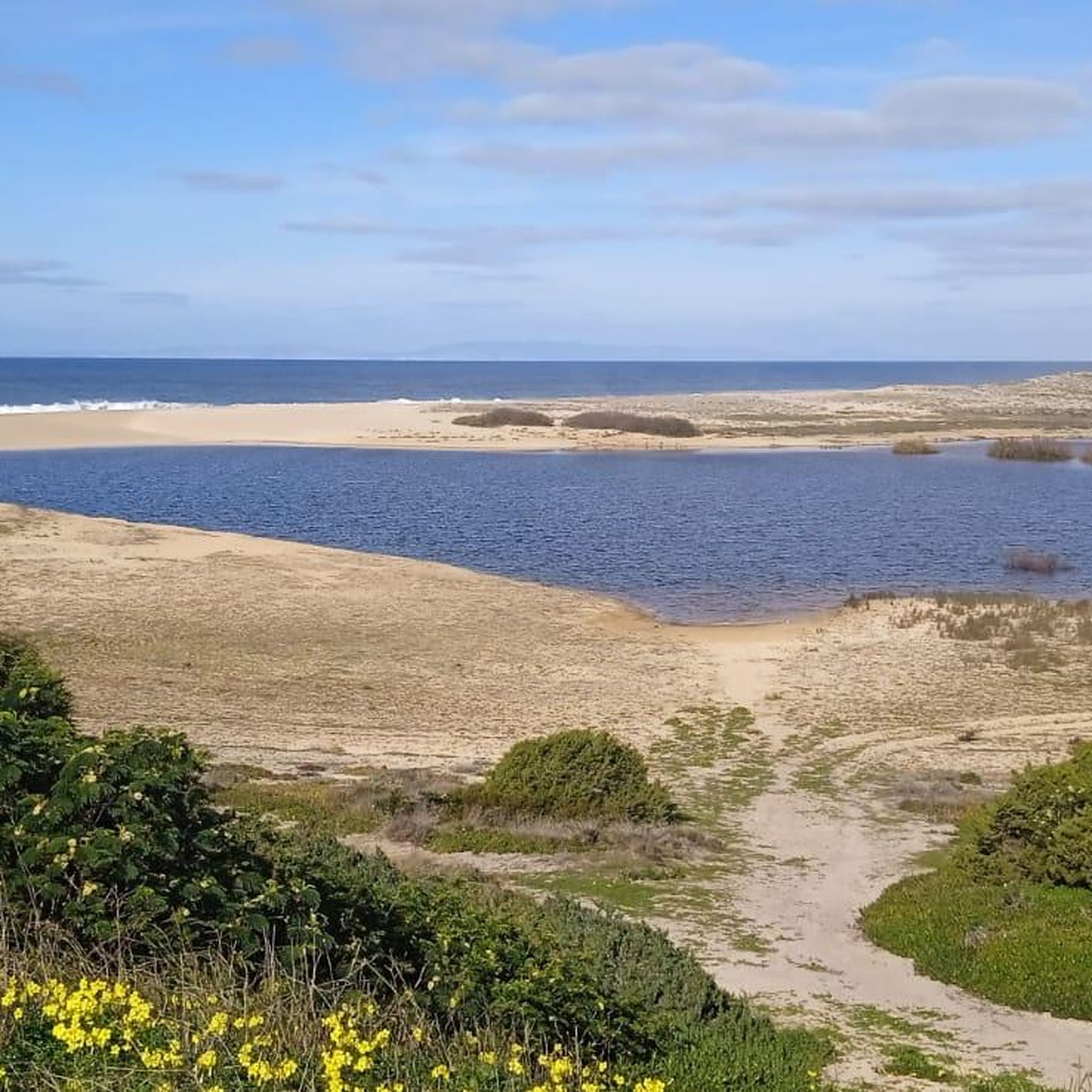
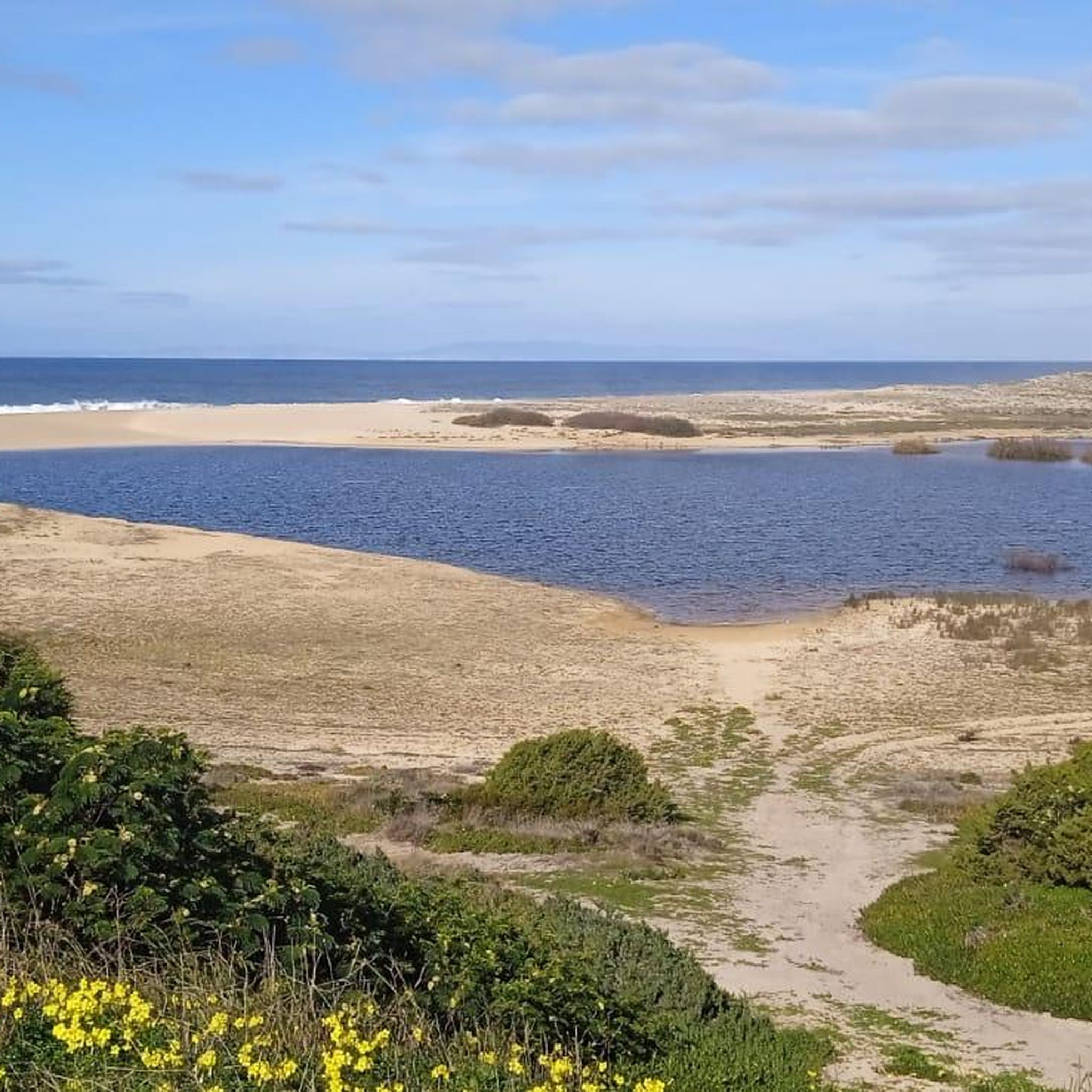
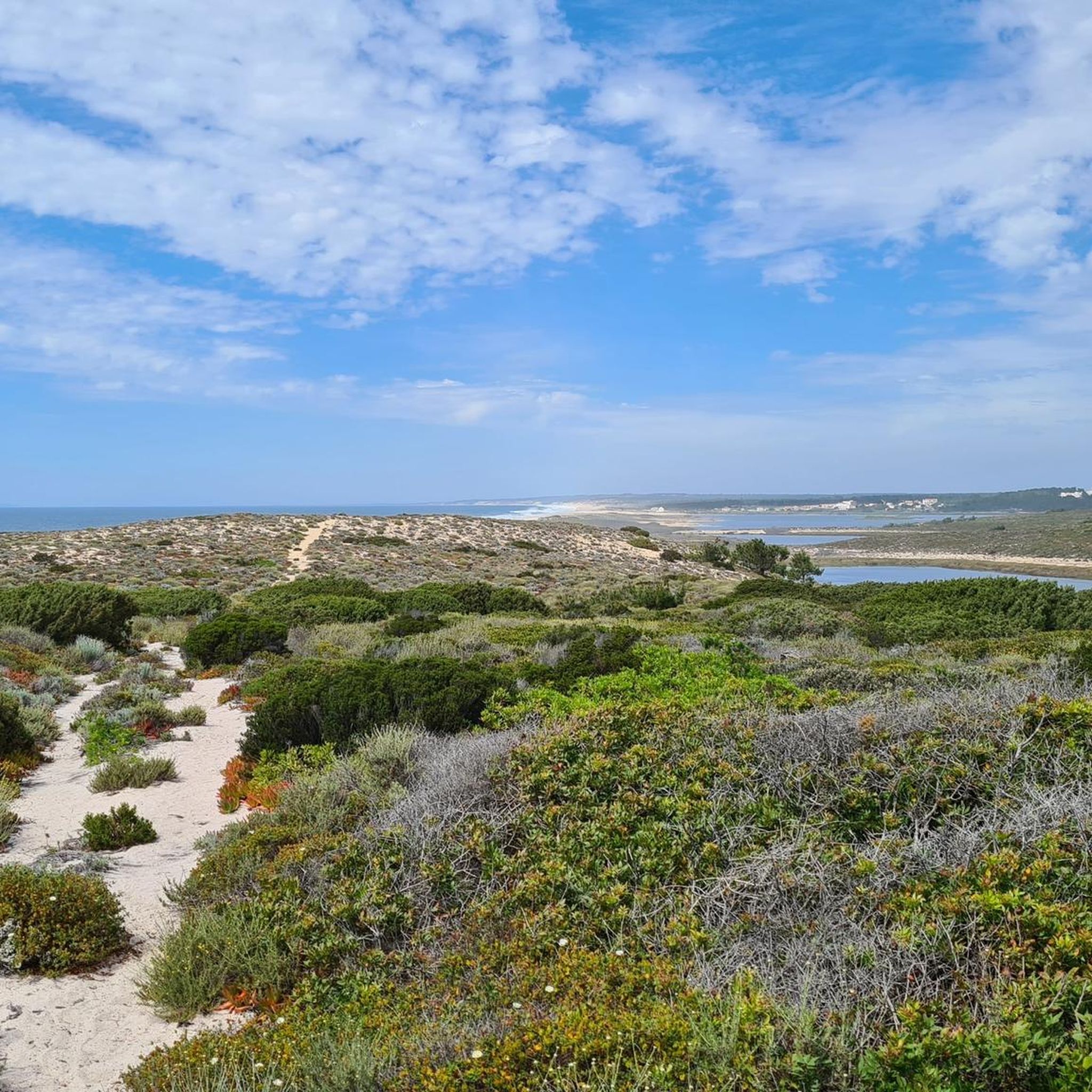
The attractions are located near coastal areas, offering views of the Alentejo coast, bays, and beaches like Vasco da Gama Beach. The nearby Lagoa de Santo André is also a prominent natural feature, with hiking routes available around it, providing opportunities to enjoy the local landscape.
Are there any specific tips for visiting the castles?
When visiting castles like the Castle and Main Church of Santiago do Cacém or the Castle of Sines, be prepared for wonderful views. While the walls often provide access to panoramic vistas, some internal structures like churches might have specific opening hours, so it's good to check beforehand if you plan to enter. The castles are generally well-preserved and offer a strong sense of history.
Where can I find information about the history of the Nossa Senhora do Loreto Convent?
The Ruins of Nossa Senhora do Loreto Convent are a historical site south of Santiago do Cacém. The convent was founded in the second half of the 15th century and housed a Franciscan community. Although only sparse ruins remain today, they testify to centuries of lived faith. Some Manueline decorative elements from the convent are preserved in the Archaeological Museum of Sines.
Most popular routes around Santo André
Most popular attractions around Santo André

Get inspired with the komoot mobile app


Explore more
Still not found the Highlight you’re looking for? See guides of the top attractions in other regions:
