The best cycling routes around Eiras
5.0
(1)
33
riders
3
rides
Touring cycling routes around Eiras traverse a landscape characterized by river valleys, historical landmarks, and varying elevations. The region features a mix of paved roads and dedicated ecovias, offering diverse cycling experiences. Riders can expect to encounter medieval bridges and palaces, with routes often following waterways and passing through rural areas. The terrain includes both gentle gradients and more challenging ascents, providing options for different skill levels.
Best touring cycling routes around Eiras
- The most popular touring cycling route is…
Last updated: June 20, 2026
20
riders
56.7km
05:18
1,310m
1,310m
Hard bike ride. Very good fitness required. Mostly paved surfaces. Suitable for all skill levels.
6
riders
24.3km
01:34
280m
280m
Moderate bike ride. Good fitness required. Mostly paved surfaces. Suitable for all skill levels.

Sign up for free
5.0
(1)
6
riders
13.6km
01:04
120m
120m
Easy bike ride. Great for any fitness level. Mostly paved surfaces. Suitable for all skill levels.
1
riders
36.8km
02:56
960m
960m
Hard bike ride. Very good fitness required. Mostly paved surfaces. Suitable for all skill levels.
Our route recommendations are based on thousands of hikes, rides, and runs completed by other people on komoot.
Start today with a free account
Your next adventure awaits.
Login or Signup


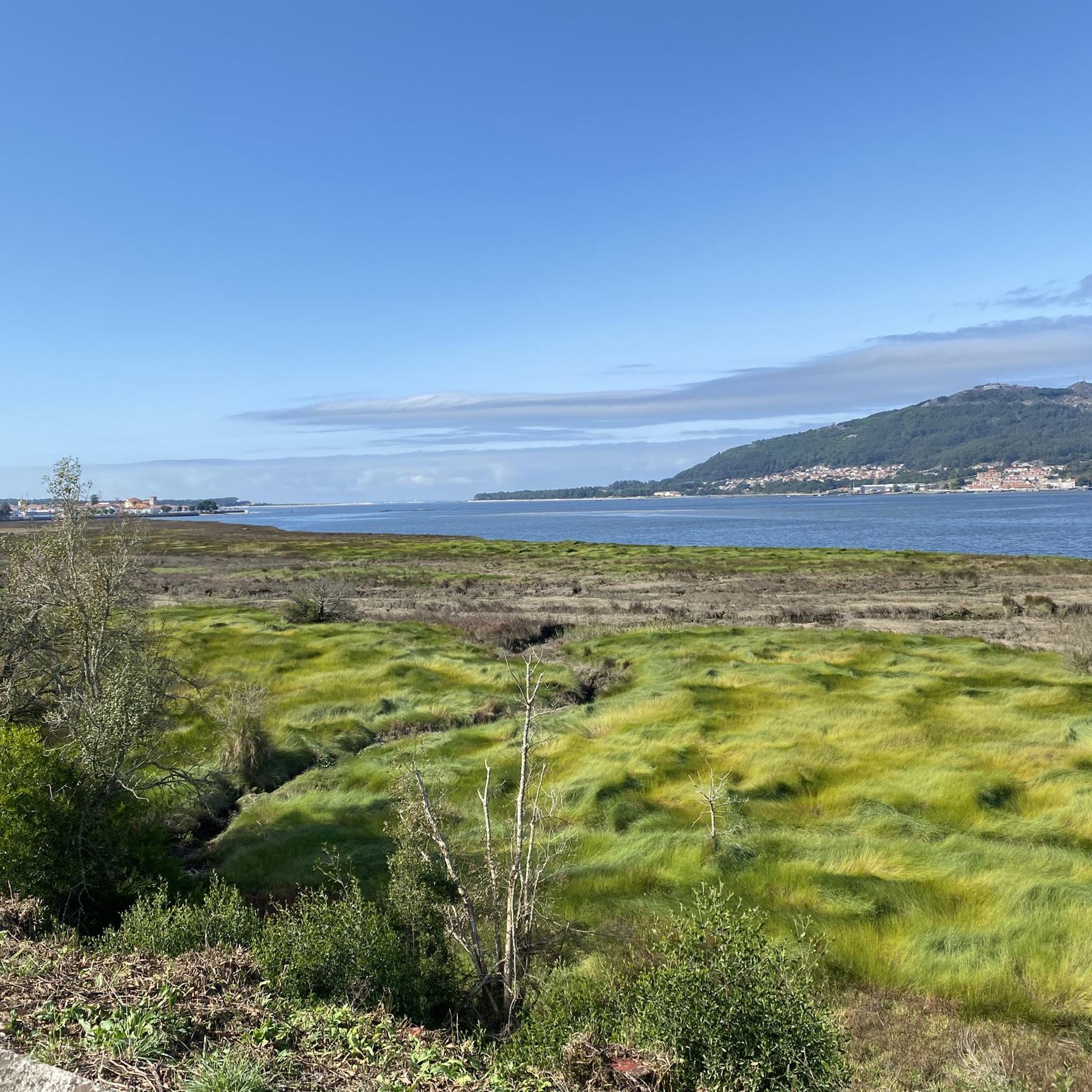
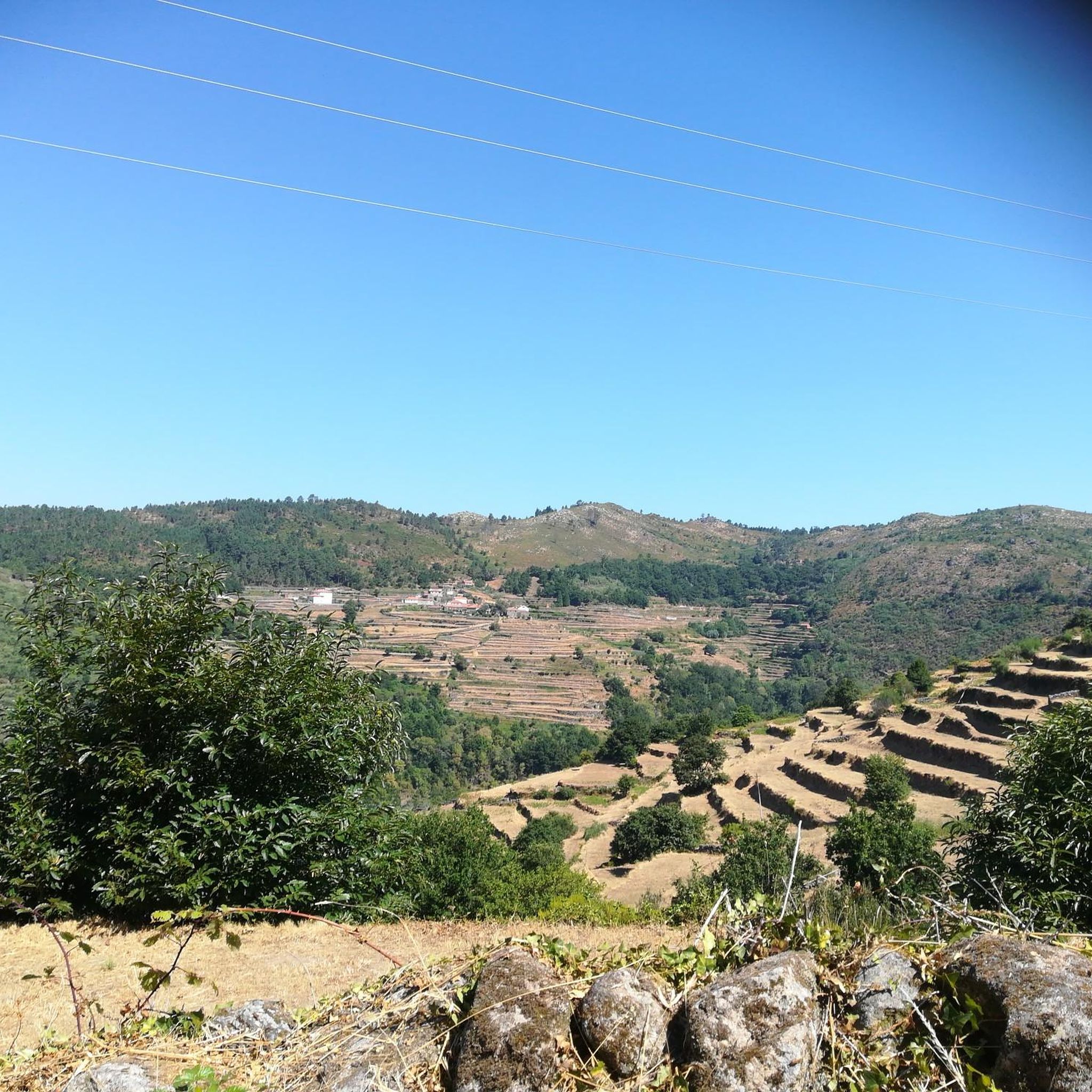
Tips from the Community

The pillory of Ponte da Barca, originally erected in Largo da Misericórdia after the granting of the "Foral Novo" in 1513 by D. Manuel I, the monument was later moved to its current location, in the Pombaline Market square, next to the Garden of the Poets. 👍🥾
0
0

Fantastic area for cycling or walking
1
0

the river is impeccable, it has very clean water, shade and river beaches
2
0

Ecovia on the banks of the Lima River
1
0


I recommend bringing a swimsuit. There are areas that deserve a dip ☺️
2
0
The Vez River is a mountain river located at the foot of the Serra do Soajo in the Peneda-Gerês National Park, Portugal. This river flows through the land of Arcos de Valdevez.
2
0

There is a large park to walk around, it is a peaceful place. I had never crossed the bridge, I waited until nightfall to see it. The bridge's lighting is missing.
1
0
Frequently Asked Questions
How many touring cycling routes are available around Eiras?
There are 3 touring cycling routes documented around Eiras on komoot, offering a variety of experiences from moderate to difficult.
What is the best time of year for touring cycling in Eiras?
The region of Eiras, characterized by river valleys and historical landmarks, is generally pleasant for touring cycling during spring and autumn when temperatures are milder. Summer can also be suitable, especially for routes that follow waterways, offering cooler microclimates.
Are there easy touring cycling routes suitable for beginners in Eiras?
Yes, Eiras offers an easy touring cycling route. The Ecovia of Arcos de Valdevez – Pelourinho de Ponte da Barca loop from Arcos de Valdevez is 8.3 miles (13.4 km) long and leads through riverine landscapes, perfect for a relaxed ride.
Can I find challenging touring cycling routes in Eiras?
Absolutely. Eiras features difficult routes with significant elevation gain. For example, the Vilarinho Medieval Bridge – Bar Kay's de Vez loop from Arcos de Valdevez is 35.6 miles (57.4 km) with over 1300 meters of ascent, offering a demanding experience for advanced cyclists.
Are there any circular touring cycling routes around Eiras?
All the touring cycling routes listed for Eiras are circular, allowing you to start and end your journey at the same point. This includes routes like the Lapela Tower – Brejoeira Palace loop from Trute.
What natural sights can I expect to see along the touring cycling routes in Eiras?
Touring cycling routes in Eiras often follow river valleys, offering views of the Vez River and its terraced fields. You might also encounter natural monuments such as Castelo das Furnas or the Corno de Bico Summit (883 m) in the wider region.
Are there historical landmarks to explore on touring cycling routes in Eiras?
Yes, the region is rich in history. Routes often pass by medieval bridges, such as the Vilarinho Medieval Bridge, and palaces like the Brejoeira Palace. These offer great opportunities to pause and explore local heritage.
Are the touring cycling routes in Eiras suitable for families?
For families, the easier ecovias, such as the Ecovia of Arcos de Valdevez – Pelourinho de Ponte da Barca loop from Arcos de Valdevez, are generally more suitable. These routes feature gentler gradients and riverine landscapes, providing a pleasant experience for all ages.
What do other touring cyclists enjoy the most about touring cycling in Eiras?
The area is highly rated by the komoot community, with an average score of 5.0 stars. Reviewers often praise the varied terrain, from gentle ecovias to advanced routes with substantial climbs, and the scenic beauty of the river valleys and historical structures.
What should I wear for touring cycling in Eiras?
Given the varying elevations and potential for different weather conditions, it's advisable to wear layers. Breathable cycling attire, a waterproof jacket, and appropriate sun protection are recommended. Don't forget a helmet and comfortable cycling shoes.
Is public transport accessible for reaching touring cycling routes in Eiras?
While specific public transport options directly to every trailhead may vary, major towns in the region like Arcos de Valdevez, which is a starting point for several routes, are generally accessible by regional bus services. It's best to check local transport schedules for specific connections.
Most popular routes around Eiras
Most popular attractions around Eiras

Get inspired with the komoot mobile app


Explore more
Browse the best Cycling routes in other regions.
