The best walks and hikes around Soajo
4.6
(1163)
4,050
hikers
28
hikes
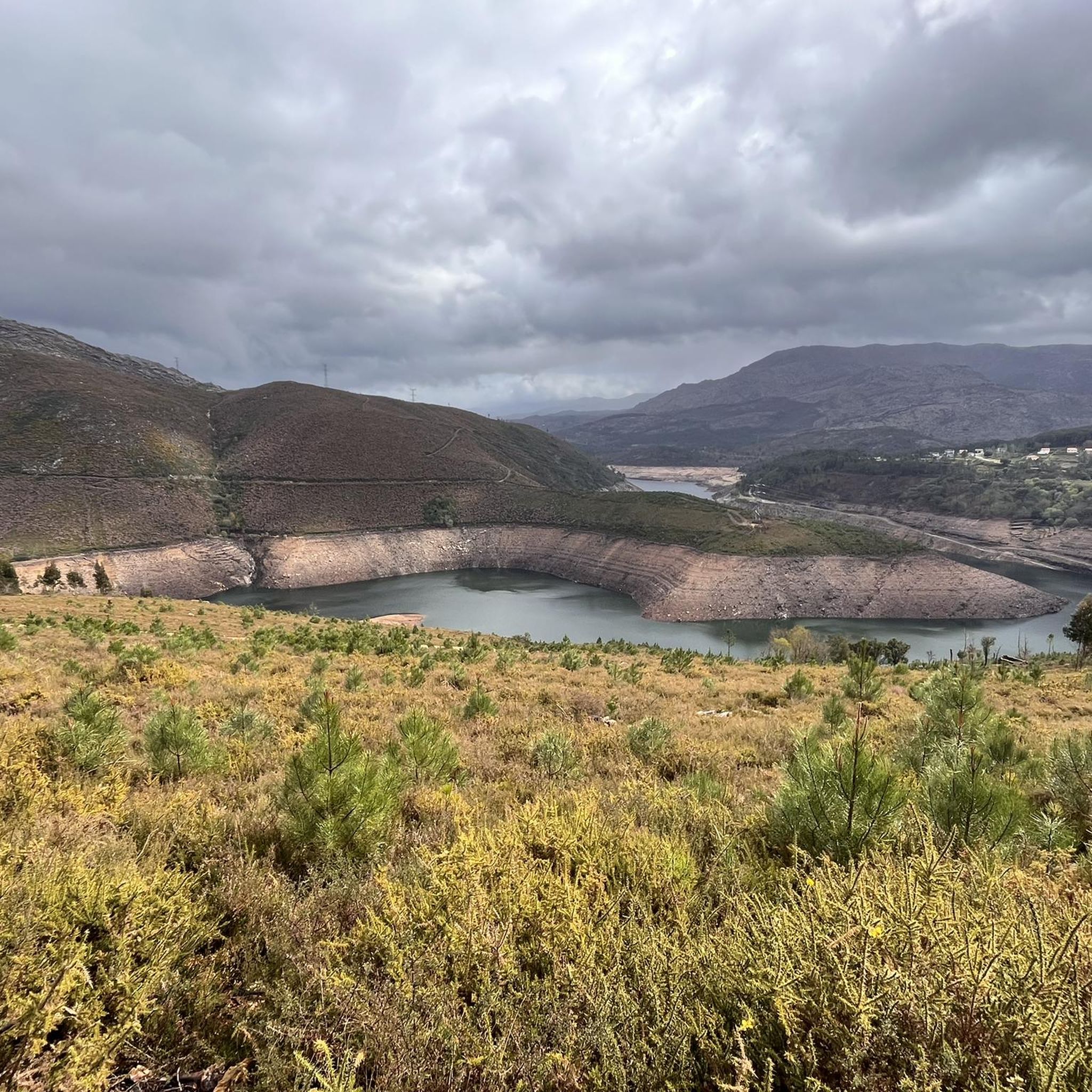
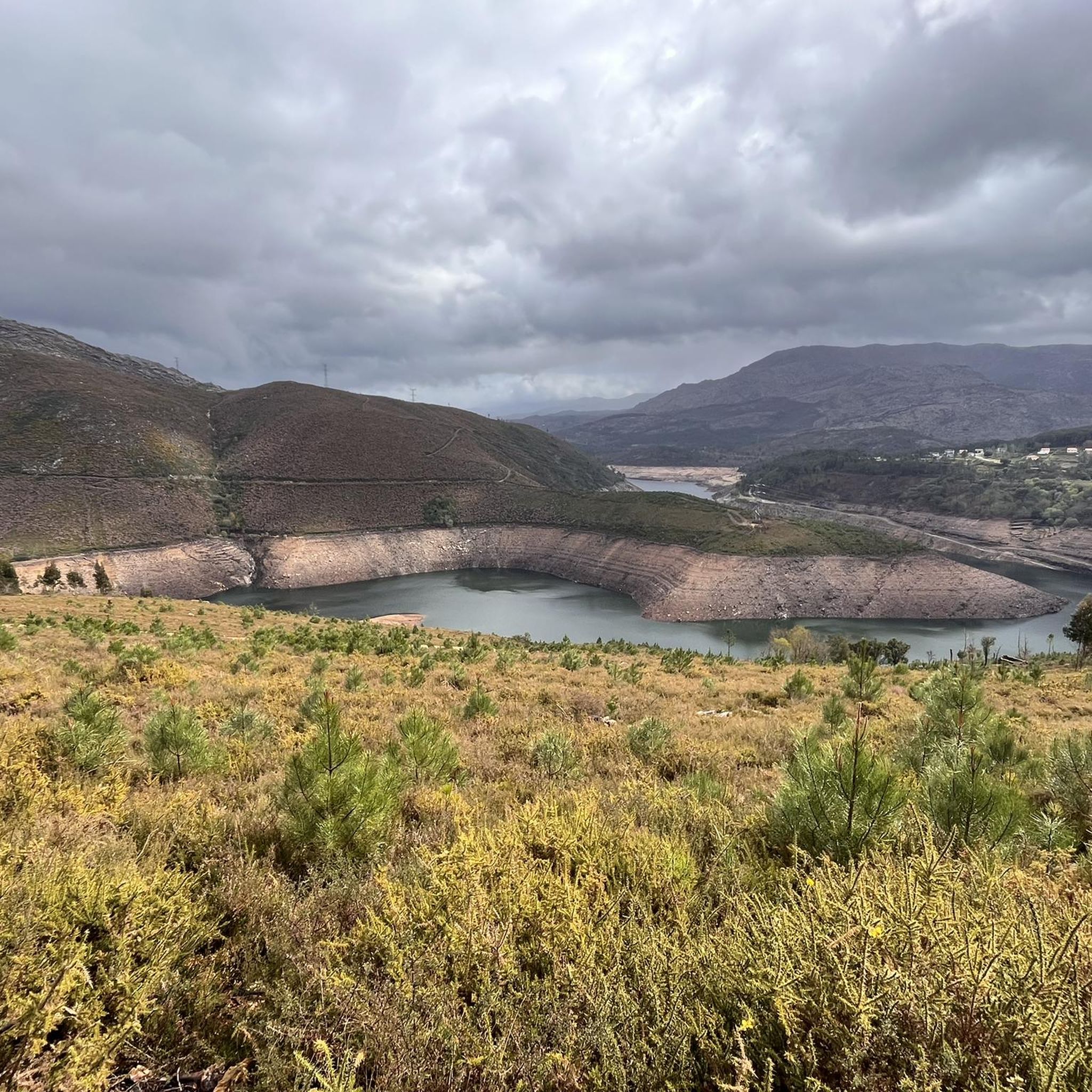
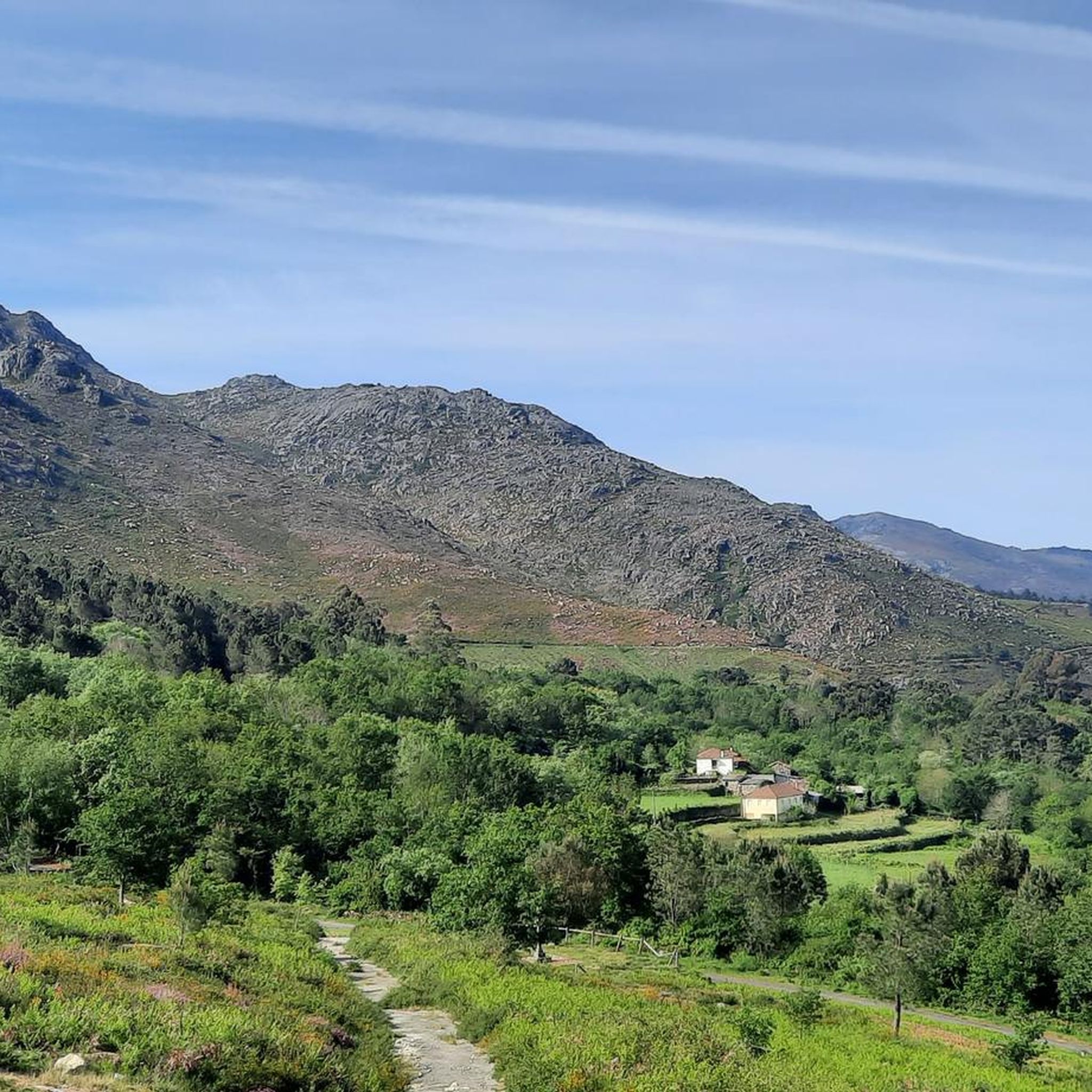
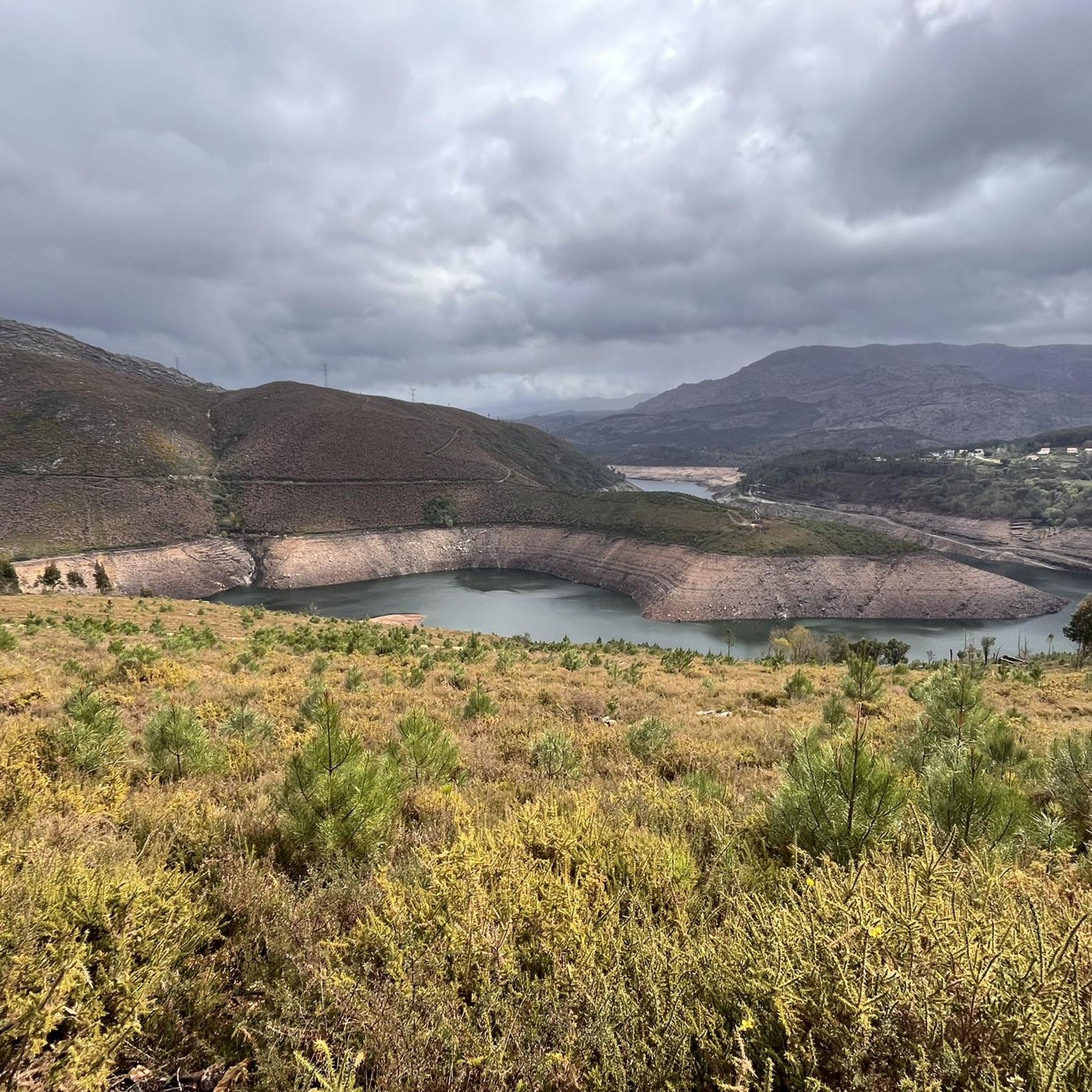
Hiking around Soajo offers diverse landscapes characterized by immense granite massifs, peaks, and centuries-old oak forests within the Peneda-Gerês National Park. The region features mountains, valleys, streams, and crystal-clear natural lagoons. Hikers can explore varied terrain, including rocky paths and lush woodlands.
Best hiking trails around Soajo
- The most popular hiking route is Hiking loop from Soajo, a 3.2 miles (5.2 km) trail that takes 1 hour 36 minutes to complete. This moderate route offers views of the surrounding natural landscape.
- Another top favourite among local hikers is Ponte da Ladeira – Soajo Granaries loop from Soajo, an easy 3.4 miles (5.5 km) path. This trail features traditional stone granaries and river views.
- Local hikers also love the Soajo Granaries loop from Soajo, a 7.1 miles (11.5 km) trail leading through traditional villages and granite landscapes, often completed in about 3 hours 39 minutes.
- Hiking around Soajo is defined by granite massifs, ancient oak forests, and natural pools. The network offers options for various ability levels, from easy walks to moderate ascents.
- The routes in Soajo are highly rated by the komoot community with an average score of 4.6 stars from over 600 reviews. More than 2000 hikers have used komoot to explore Soajo's varied terrain.
Last updated: October 7, 2026
4.7
(144)
483
hikers
5.19km
01:36
180m
180m
Moderate hike. Great for any fitness level. Mostly accessible paths. Sure-footedness required.
4.4
(80)
191
hikers
5.49km
01:42
190m
190m
Easy hike. Great for any fitness level. Easily-accessible paths. Suitable for all skill levels.

4.7
(44)
164
hikers
11.5km
03:39
470m
460m
Moderate hike. Good fitness required. Mostly accessible paths. Sure-footedness required.
4.5
(37)
104
hikers
9.50km
03:03
390m
390m
Moderate hike. Good fitness required. Easily-accessible paths. Suitable for all skill levels.
4.7
(36)
105
hikers
8.22km
02:37
330m
330m
Moderate hike. Good fitness required. Mostly accessible paths. Sure-footedness required.
Get access to more routes and recommendations from other explorers.
Already have an account?
Our route recommendations are based on thousands of hikes, rides, and runs completed by other people on komoot.
Start today with a free account
Your next adventure awaits.
Tips from the Community

A very interesting location with all the traditional granaries ("esquigueiros") clustered together on a large rock. The view from here is also very beautiful.
1
1

The Espigueiros of Soajo are one of the most iconic symbols of northern Portugal and the Peneda-Gerês National Park. They are traditional granaries built of stone and wood, designed to store corn and other grains. They are raised on pillars with "mouse stones" (circular slabs) to prevent rodents from entering. They are covered with gabled roofs and topped with crosses, reflecting the religious influence on rural life.
1
0
El PR-7 AVV – Caminhos do Pão e da Fé es un recorrido circular sesignizado que parte partir desde Soajo y se adentra en el Parque Nacional Peneda-Gerês (Portugal), combina paisajes agrícolas, patrimonio religioso e historia rural.
1
0

Black Well of Soajo
0
0

For the period of training, each corral has its own oven, or hut, where it is sheltered and sheltered. These are rough, light constructions made of dry stones, usually poorly arranged, some covered and others not with earthenware, covering the gaps. Some are covered with round tiles, in the Portuguese style; others are covered with earthenware, with large, thin stones covering them. Their dimensions and capacity are not large: 2 to 2.50 meters high, by 2.50 and 3 meters long, with low doors, so that a man can pass through bent over and the cattle cannot enter through them. Three to six, or eight people, is the maximum that can fit in them. The roof of some ovens is round and pointed; that of others has a gabled frame. The floor is covered with ferns or small bushes to make sleeping easier, and next to the door, outside, in many cases, there is a sink, or sinks, dug into the solid rock, or movable, for the dog's food and drink, an inseparable companion and friend of the mountains. The only service door is covered only by a few twigs of bushes or branches, signs of a respectful line. The beams are rough, like the construction in which they are used, and are always provided by the nearest oak trees, which are abundant in the mountains, sprouting and growing with spontaneous vigor in that blessed soil. This habitation and the customs described are more or less common to all the peoples of the mountains, and not only to Vilar da Veiga, so that, except for some variation, it is found in the men and customs of Rio Caldo, Covide, S. João do Campo and Vilarinho, Cabril and Pitões and so on, as far as Suajo and Londodo, on the one hand; as far as Barroso and Montalegre, on the other.
1
0

Take the opportunity to have lunch in the region and before or after take the Ermelo Ecovia
0
0

The pools are a wonderful way to cool down after a hike.
0
0

“Espigueiros”, granite granaries in which the village community stored their supplies. The smaller ones were for a family, the larger ones for communities.
4
1
Frequently Asked Questions
What kind of terrain can I expect on hiking trails around Soajo?
The terrain around Soajo is diverse, characterized by immense granite massifs, peaks, and centuries-old oak forests within the Peneda-Gerês National Park. Hikers will encounter varied paths, including rocky sections and uneven ground, so suitable footwear is highly recommended. You'll also find lush woodlands, valleys, and streams.
Are there any easy hiking routes suitable for beginners in Soajo?
Yes, Soajo offers several easy routes. For instance, the Ponte da Ladeira – Soajo Granaries loop from Soajo is an easy 3.4-mile (5.5 km) path featuring traditional stone granaries and river views. Overall, there are 11 easy routes available in the area.
What are some notable natural features or viewpoints to see while hiking in Soajo?
Soajo is rich in natural beauty. You can explore crystal-clear natural lagoons and waterfalls, such as Poço Negro, Poço do Vento, Poço Bento, and the expansive Poço das Canejas. The Tibo Viewpoint offers panoramic vistas of the Amarela and Gerês Mountains, the Lima Valley, and the Peneda and Pomba River Valleys. You can find more details about these and other attractions in the Attractions around Soajo guide.
Are there any circular walks available in Soajo?
Yes, many routes around Soajo are circular. For example, the Hiking loop from Soajo is a popular 3.2-mile (5.2 km) circular trail. Another option is the Soajo Granaries loop from Soajo, which is a longer 7.1-mile (11.5 km) loop leading through traditional villages and granite landscapes.
Can I spot any wildlife on the trails in Soajo?
Yes, the Peneda-Gerês National Park is home to diverse wildlife. Hikers often have opportunities to observe local animals such as Garrano horses and mountain cows. There's also a chance to spot wild wolves, adding to the natural appeal of the region.
What is the best time of year to go hiking in Soajo?
The best times to visit Soajo for hiking are generally late spring (May) until mid-October. Spring and early autumn offer mild temperatures and fewer crowds, making for a more pleasant hiking experience. During these periods, the natural landscapes are vibrant and inviting.
Are there any historical or cultural landmarks to see on the hikes?
Absolutely. Soajo is famous for its unique traditional stone granaries, known as the Soajo Granaries. These 24 granite structures, some dating back to 1782, are built on stilts and are still in use. The village also features a communal threshing floor and an emblematic pillory. The trail from Soajo to Peneda culminates at the stunning Sanctuary of Nossa Senhora da Peneda.
Are there any trails that feature waterfalls or natural pools?
Yes, the region around Soajo is known for its crystal-clear waters, including several natural lagoons and waterfalls. The 'Trail of the Wells' (Trilhos dos Poços) along the Adrão River leads to several hidden natural pools, such as Poço Bento and the expansive Poço das Canejas. You can also find highlights like São Miguel Waterfall and Corgo da Fecha Waterfall.
What do other hikers enjoy most about hiking in Soajo?
The hiking routes in Soajo are highly rated by the komoot community, with an average score of 4.6 stars from over 600 reviews. Hikers often praise the diverse landscapes, the presence of traditional villages and historical granaries, and the opportunity to explore the natural beauty of the Peneda-Gerês National Park, including its natural pools and viewpoints.
Is there parking available at the trailheads in Soajo?
Soajo is a village that serves as a starting point for many trails. While specific trailhead parking details vary, parking is generally available within or on the outskirts of the village, allowing access to the various routes. It's advisable to check local signage upon arrival.
Are there any family-friendly hiking options in Soajo?
Many of the easier and moderate trails around Soajo are suitable for families, depending on the children's age and experience. The shorter circular routes, like the Ponte da Ladeira – Soajo Granaries loop from Soajo, offer manageable distances and interesting sights like the granaries and river views, making them enjoyable for families.
How many hiking trails are there in Soajo?
There are over 20 hiking trails available around Soajo, catering to various fitness levels. This includes 11 easy routes, 16 moderate routes, and 1 difficult route, ensuring options for almost every hiker.
Most popular attractions around Soajo

Get inspired with the komoot mobile app


Explore more
Browse the best Hikes in other regions.
