Top 20 Castles around Feucht
Best castles around Feucht offer insights into the region's history and architectural heritage. Feucht is a town in Bavaria, Germany, characterized by its historical structures and proximity to natural landscapes. The area provides opportunities for exploring historical sites and cultural venues. Many of these historical sites are situated near hiking trails around Feucht.
Best castles around Feucht
- The most popular castles is Imperial Castle Nuremberg, a castle that is the symbol of Nuremberg. It is a double castle consisting…
Last updated: June 22, 2026
Imperial Castle Nuremberg
Highlight • Castle
Translated by Google •
Tip by

Henkersteg (Executioner's Footbridge), Nuremberg
Highlight • Bridge
Translated by Google •
Tip by

Sign up now to discover places like this
Get recommendations on the best single tracks, peaks, & plenty of other exciting outdoor places.
Sign up for free
Burg Burgthann
Highlight • Castle
Translated by Google •
Tip by

Grünsberg Castle
Highlight • Castle
Translated by Google •
Tip by

Ruins of Oberbürg Castle
Highlight • Castle
Translated by Google •
Tip by

Sign up for free to discover even more castles around Feucht.
Sign up for free
Already have an account?
Start today with a free account
Your next adventure awaits.
Login or Signup
Popular around Feucht
Hike the Dune Path in Central Germany – From sand dunes to forests
Varied family cycling routes in Nürnberger Land

Explore the Nuremberg Land with all your senses – Sensory Cycle Path
Gentle hills, rivers & forests – cycling in Germany’s Nuremberg Land
Get out into the fresh Nuremberg air – winter walks with VGN leisure tips
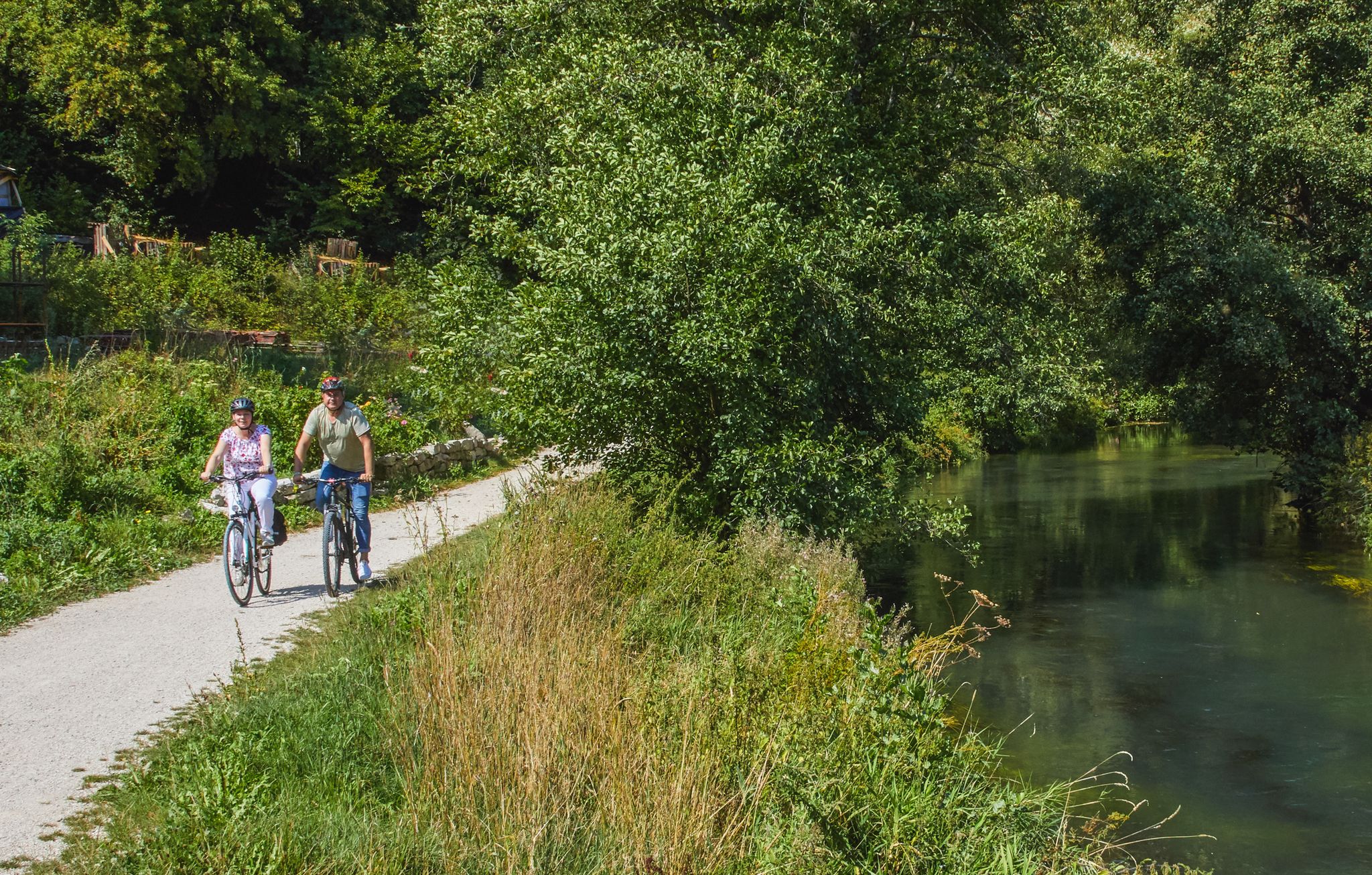
Rivers, forests, ancient castles - cycling in Nürnberger Land
Cycling around Feucht
Hiking around Feucht
Road Cycling Routes around Feucht
Running Trails around Feucht
Other adventures around Feucht


Tips from the Community

A beautiful covered wooden bridge. Ideal for sheltering from a downpour.
10
0
Great view over the city at the foot of the Kaiserburg.
16
2
The Kaiserburg lookout point is open all year round, although opening hours vary seasonally. Guided tours are available, providing detailed information about the history and architecture of the castle. For those who prefer to explore the lookout point at their own pace, audio guides are also available in several languages. Admission for adults is minimal, and children under 18 are admitted free.
15
1

The Imperial Castle is Nuremberg's landmark. From the castle, you have a magnificent view of Nuremberg. Even at night, when illuminated, it is beautiful to see. For an even better view of Nuremberg, a visit to the Sinwell Tower at the Imperial Castle is recommended. You can purchase a combination ticket for the museum and the tower. Opening hours and further information can be found on the official website: https://www.kaiserburg-nuernberg.de/deutsch/tourist/oeffnung.htm
25
3

The Henkerbrücke, which leads over the northern arm of the Pegnitz (the Henkersteg goes over the arm that flows south past the flea market island), can only be reached through the Henkerhaus Museum. The medieval, half-timbered, two-arched bridge leads from the Henkerhaus to the water tower and the Weinstadl (now a student residence). The original bridge from the 15th century was destroyed in the Second World War. In 1954 it was rebuilt based on old models.
23
2
In the Middle Ages and the early modern period, the executioner and his assistant were on the fringes of society, and so the buildings around the executioner's house, which are so impressive today, were home to poorer people during the time of the imperial city. This changed at the beginning of the 19th century. After the last Nuremberg executioner quit his job following the city's incorporation into the Kingdom of Bavaria, it became one of the most popular postcard motifs with the growth of tourism. The exhibition in the executioner's house presents all of these aspects of the building's history and supplements it with basic information on the medieval and early modern legal system.
13
2
The executioner and his assistant lived here on the outskirts of the city from the 15th to the 19th century. In the former official residence, the "executioner's house", there is an exhibition on Nuremberg's legal history. The half-timbered house next door served as a leper hospital in the Middle Ages. Later, the building now known as the "Weinstadel" was used as a wine warehouse.
23
3

The Henkersteg connects the flea market, with its many exclusive shops idyllic located on a small Pegnitz island, and the Unschlittplatz. The executioner, in the Middle Ages a man with whom an honorable citizen was not allowed to have anything to do, used this wooden footbridge to get from his secluded apartment in the executioner's house into the city. The Henkersteg was built in its current location after the great flood in 1595, to which its predecessor had fallen victim. https://tourismus.nuernberg.de/sehen/sehenswuerdigkeiten/location/henkersteg/
19
2
Frequently Asked Questions
What historical castles can I explore directly in Feucht?
In Feucht, you can explore a trio of historical castles: the Tucherschloss, Pfinzing Castle, and Zeidlerschloss. Each offers a unique glimpse into the region's past, from patrician residences to a space travel museum and a community cultural hub.
Are there any walking or hiking routes that connect the castles in Feucht?
Yes, the three main castles in Feucht – Tucherschloss, Pfinzing Castle, and Zeidlerschloss – are connected by a dedicated "Three Castles Circular Path" (Drei-Schlösser-Rundweg), offering a scenic way to explore them.
What kind of historical insights can I gain from visiting the castles around Feucht?
The castles offer diverse historical insights. For example, the Imperial Castle Nuremberg, a double castle with origins dating back to the year 1000, provides a deep dive into medieval history. The Pfinzing Castle in Feucht houses the Hermann Oberth Space Travel Museum, connecting visitors to the legacy of a space travel pioneer.
Are there family-friendly castles to visit near Feucht?
Many castles in the region are family-friendly. The Imperial Castle Nuremberg and Burg Burgthann are both categorized as family-friendly and offer engaging experiences for all ages, including museums and opportunities to climb keeps.
What outdoor activities can I combine with a visit to the castles around Feucht?
The area around Feucht is excellent for outdoor activities. You can find numerous running trails, such as the "Alter Kanal Wendelstein – Canal Bend loop from Feucht," or easy hikes like the "Krugsweiher Ponds – Hunter Lake loop from Feucht." For more options, explore the Running Trails around Feucht or Easy hikes around Feucht guides.
Can I find cycling routes near the castles in Feucht?
Yes, there are several road cycling routes available. For instance, you can try the "Feucht <-> Ochenbruck cycle path – Cycle Path Along the B8 loop from Feucht Ost." More detailed routes can be found in the Road Cycling Routes around Feucht guide.
What makes the Tucherschloss in Feucht unique?
The Tucherschloss, once a residence for Nuremberg patricians, uniquely blends historical architecture with modern functionality. Today, it serves as a dynamic venue for events, office spaces, and co-working facilities, offering a contemporary use for a historic building.
What is the significance of Pfinzing Castle in Feucht?
Pfinzing Castle, originally built around 1460, is significant for its connection to space travel pioneer Professor Hermann Oberth, who acquired it in 1943. Today, it houses the Hermann Oberth Space Travel Museum, making it a key site for history and science enthusiasts.
What can I expect to see at the Zeidlerschloss in Feucht?
The Zeidlerschloss, with foundations dating back to 1427, showcases medieval architecture and has been renovated to function as a community meeting place and cultural event venue. Visitors can appreciate its dignified interior and well-maintained garden, experiencing local life and history.
Are there any castles near Feucht that offer a museum experience?
Yes, Burg Burgthann, a 12th-century castle slightly elevated above the Schwarzachtal, houses a small museum. Additionally, the Pfinzing Castle in Feucht features the Hermann Oberth Space Travel Museum.
What are some notable historical sites besides castles in the Feucht area?
Beyond the castles, the Henkersteg (Executioner's Footbridge) in Nuremberg is a significant historical site. This 500-year-old structure, once the residence of Nuremberg's executioners, now hosts an exhibition on legal and criminal history.
What is the best way to experience the historical architecture in Feucht's old town?
Nuremberg's Old Town, near Feucht, is ideal for a leisurely stroll. It features beautiful houses, interesting churches, and cozy squares. The area stretches from the mighty Imperial Castle Nuremberg southwards, offering a rich historical backdrop with its medieval structures and city wall.
Most popular routes around Feucht
Most popular attractions around Feucht

Get inspired with the komoot mobile app


Explore more
Looking for the best castles somewhere else? Discover other guides around Feucht:
