Attractions and Places To See around Pias - Top 20
Best attractions and places to see around Pias are found in a region characterized by its historical significance and natural beauty along the Minho River. This area, situated near the Portugal-Spain border, features ancient bridges and fortified towns. Visitors can explore a landscape shaped by centuries of history and the flow of the river, offering a blend of cultural landmarks and scenic views. The region provides opportunities to discover historical sites and riverine environments.
Best attractions and places to see around Pias
- The most popular attractions is Tui-Valencia International Bridge, a bridge that connects the towns of Tui, in Spain, and Valença do Minho in Portugal, joining the two banks of the Miño River. This 318 meter long girder bridge serves both road and rail traffic.
- Another must-see spot is Fortress of Valença, a historical site and fort. This imposing 17th-century fortress rises atop a hill, dominating the landscape with its star-shaped walls stretching for 5.5 kilometers.
- Visitors also love Ponte da Veiga, an ancient medieval bridge over the Louro River. This granite bridge consists of four arches and was part of the ancient Roman Via XIX, making it a place of historical significance for pilgrims.
- Pias is known for its historical bridges, fortified towns, and ancient Roman routes. The region offers a variety of attractions to see and explore, from border crossings to medieval architecture.
- The attractions around Pias are appreciated by the komoot community, with over 535 upvotes and 313 photos shared.
Last updated: July 1, 2026
Tui-Valencia International Bridge
Highlight • Bridge
Translated by Google •
Tip by

Fortress of Valença
Highlight • Historical Site
Built in the 17th century on the ruins of an ancient 13th-century castle, the fortress is a masterful example of military architecture of the period, with its star-shaped walls stretching for an impressive 5.5 kilometers.
Upon entering, one immediately senses the strength and grandeur of Valença, one of the oldest towns in Portugal.
Translated by Google •
Tip by

Sign up now to discover places like this
Get recommendations on the best single tracks, peaks, & plenty of other exciting outdoor places.
Sign up for free
Ponte da Veiga
Highlight • Bridge
The Ponte de A Veiga was built of granite and consists of four arches. It was part of the ancient Roman Via XIX, which connected Bracara (present-day Braga, Portugal) with Santiago de Compostela.
Pilgrims walking the Portuguese Way to Santiago de Compostela pass over this bridge, making it a place of great historical significance.
If you ever visit Tui, don't miss the opportunity to cross this beautiful bridge and immerse yourself in its history and charm. 🌉🚶♂️
Translated by Google •
Tip by
Spain–Portugal border 🇵🇹/🇪🇸 Tui–Valença Bridge
Highlight • Bridge
Tip by

Chapel of Bom Jesus
Highlight • Religious Site
Located inside the Fortress of Valença, the Chapel of Bom Jesus dates from the 17th century, with a project by military engineer Manuel Pinto de Vilalobos, a baroque chapel with rococo elements. Inside, there is a small image of Nossa Senhora do Carmo, patron saint of Infantry Regiment No. 21 stationed in Valença and that a soldier carried in a backpack whenever the regiment went on campaign.
The statue of S. Teotónio is a sculpture from the 20th century and evokes the figure of the 1st Portuguese Saint - the inspirer and protector of nationality. He was born in 1082 in the Valencian parish of Ganfei and died, in Coimbra, on February 18, 1162. São Teotónio became the first Portuguese saint, being celebrated as the reformer of religious life. Known as the patron saint of enslaved Christians, for having supported 1000 Mozarab men, women and children, captured in an incursion to Andalusia by D. Afonso Henriques.
Translated by Google •
Tip by
Sign up for free to discover even more attractions around Pias.
Sign up for free
Already have an account?
Start today with a free account
Your next adventure awaits.
Login or Signup
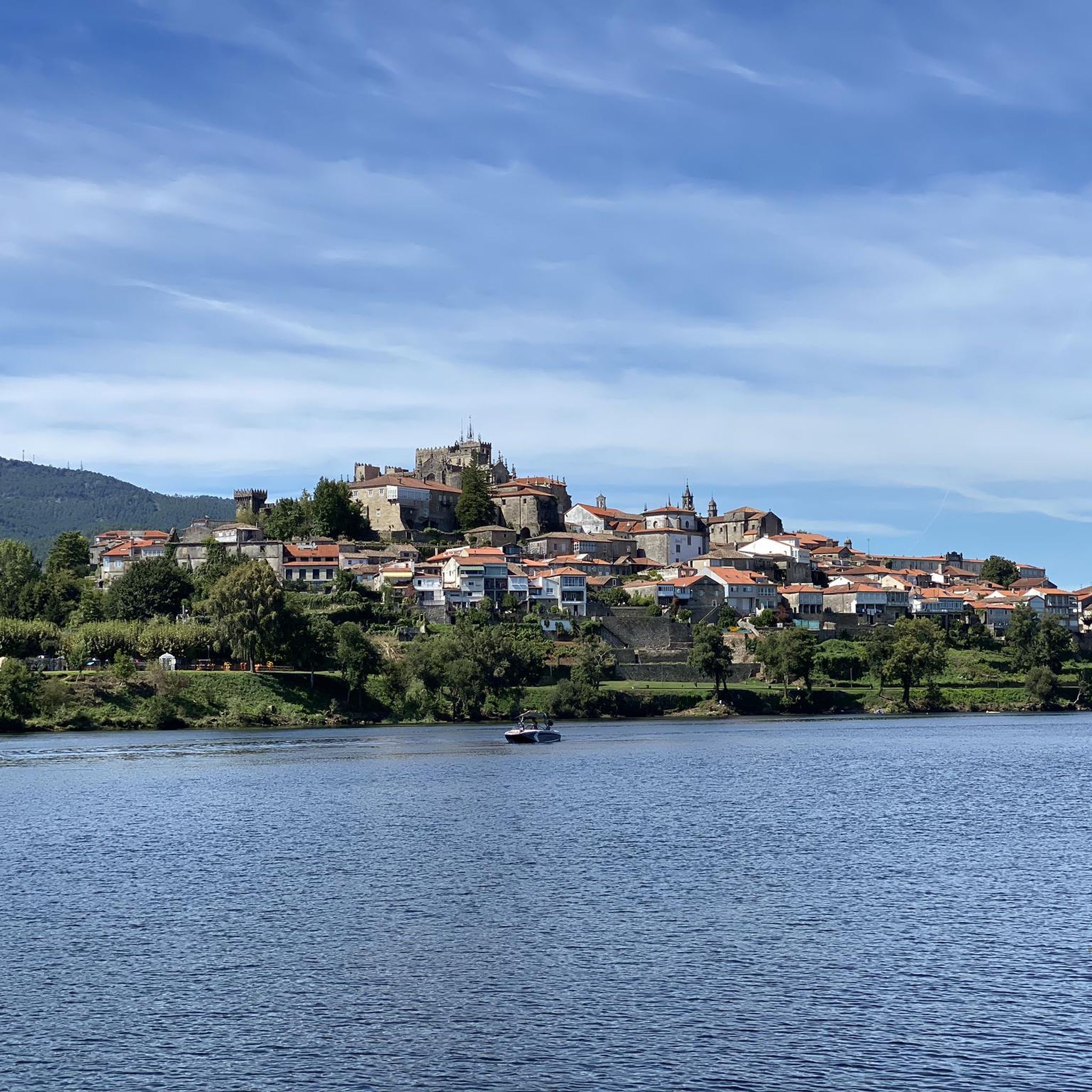
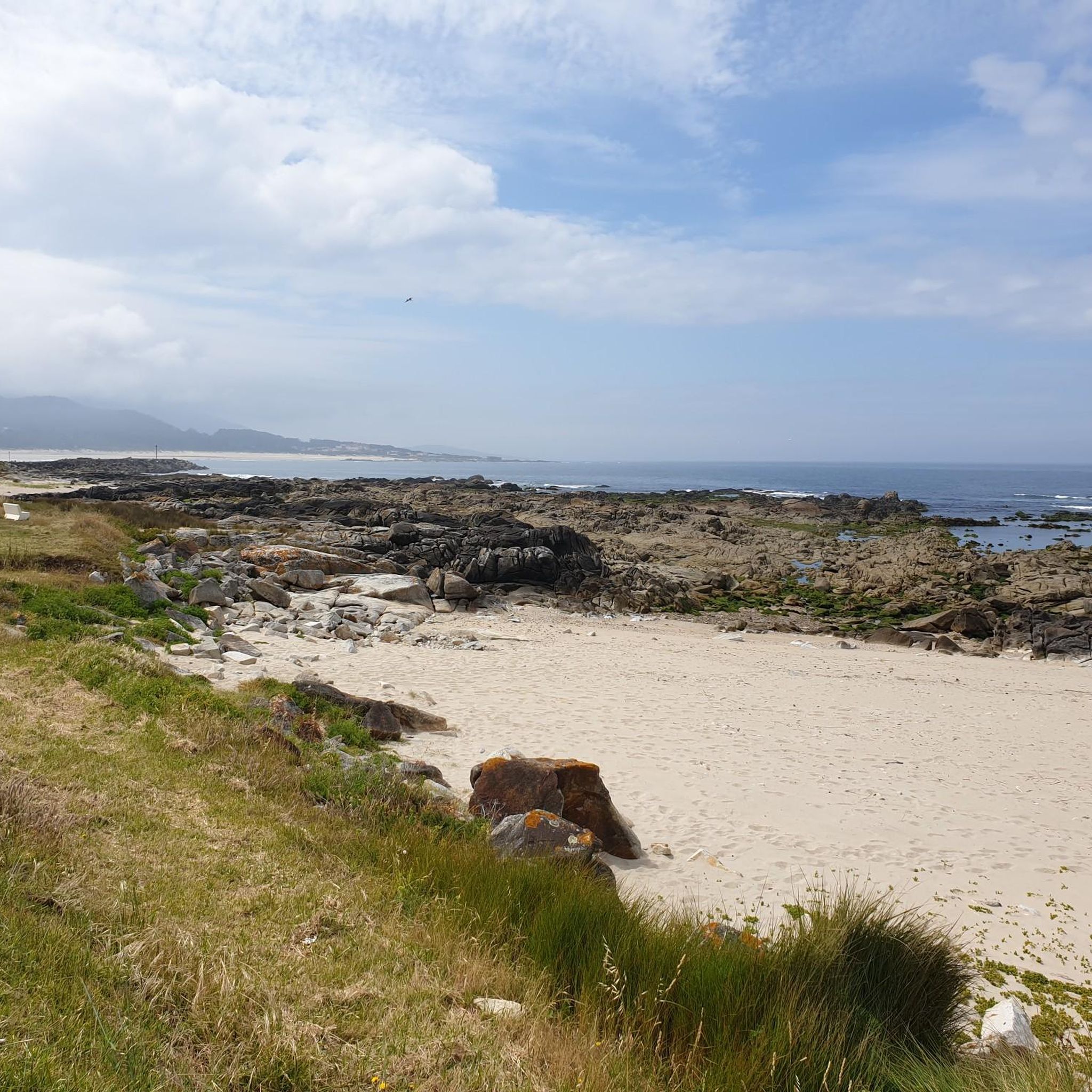

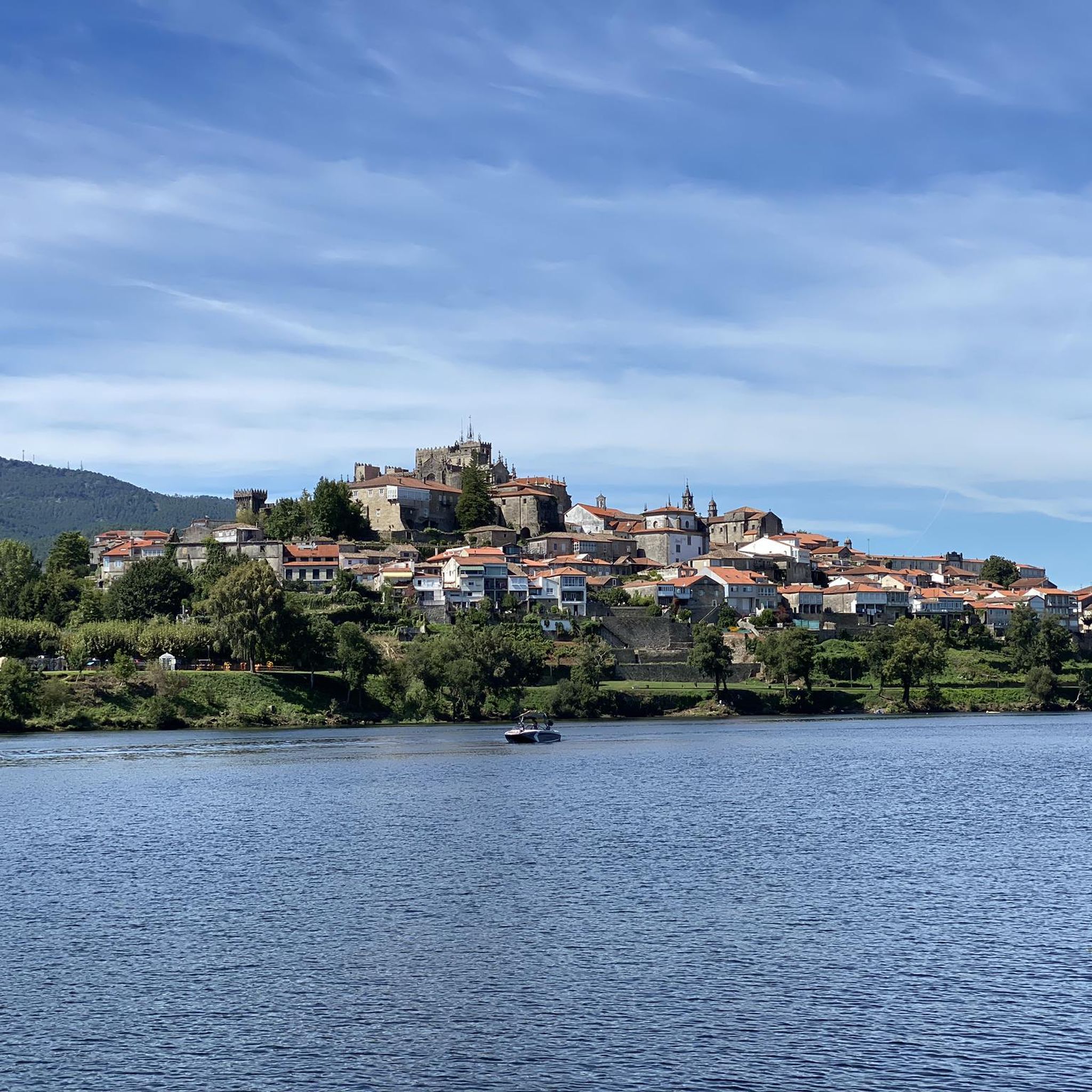


Tips from the Community

For those of us who are older, it reminds us of what it was like to cross from one country to another, when you might randomly have to open the trunk of your car so that both police forces could check what you were carrying, so that younger people could get their documents, and above all so that everyone can see how beautiful and enriching it is to be able to live in peace between neighboring countries.
0
0

Valença Fortress, also known as Praça-forte de Valença do Minho, is an imposing jewel of Portuguese military architecture with over eight centuries of history. Its origins date back to the 13th century, when King Sancho I and later Afonso III fortified it to protect the border with Galicia. During the Restoration War (17th–18th centuries), it was transformed into a Vauban-style fortress under the engineer Miguel de l’École and the architect Manuel Pinto de Vilalobos, being completed in 1713. The fortress withstood attacks during the Restoration, was captured and recaptured several times, and was also defended during the Napoleonic Wars and the Liberal Wars.
4
0

The Tui International Bridge is a landmark on the border between Portugal and Spain, connecting the Galician city of Tui to Valença, Portugal, across the Minho River. This historic metal truss bridge serves as a crossing for cars, trains, and pedestrians. It is also part of the Camino de Santiago route, offering views of the river and both cities.
1
0

The imposing Valença Fortress rises atop a hill, dominating the landscape and leaving an unforgettable impression on those who arrive. More than a symbol, it is the soul of the city, preserving centuries of history within its walls. Built in the 17th century on the ruins of an ancient 13th-century castle, the fortress is a masterful example of military architecture of the period, with its star-shaped walls stretching for an impressive 5.5 kilometers. Upon entering, one immediately senses the strength and grandeur of Valença, one of the oldest towns in Portugal.
2
0

Superbly preserved and well-maintained star-shaped fortress
5
1
Frequently Asked Questions
What kind of attractions can I expect to find around Pias?
The region around Pias, situated along the Minho River near the Portugal-Spain border, is rich in historical significance and natural beauty. You'll find ancient bridges, fortified towns, and scenic riverine environments. Key attractions include border crossings, medieval architecture, and sites with Roman origins.
What historical sites are a must-see in the Pias region?
A prominent historical site is the Fortress of Valença, an imposing 17th-century star-shaped fortress with walls stretching 5.5 kilometers. Another significant historical landmark is Ponte da Veiga, an ancient medieval bridge over the Louro River, which was part of the Roman Via XIX.
Are there any significant bridges to visit near Pias?
Yes, the region is known for its historical bridges. The Tui-Valencia International Bridge is a notable 318-meter girder bridge connecting Tui (Spain) and Valença do Minho (Portugal) over the Miño River, serving both road and rail traffic. Additionally, the Ponte da Veiga is an ancient Roman bridge with four granite arches.
What natural features define the landscape around Pias?
The landscape around Pias is characterized by the Minho River, which forms a natural border between Portugal and Spain. The area offers scenic riverine environments and views, with the river playing a central role in the region's geography and history.
What do visitors particularly enjoy about the attractions near Pias?
Visitors appreciate the blend of historical significance and natural beauty. Crossing the Tui-Valencia International Bridge is described as a 'stunning feeling' connecting two countries. The Fortress of Valença is praised for its well-preserved state and wide views. The Ponte da Veiga is valued for its historical charm and the river beach nearby.
Are there opportunities for outdoor activities like hiking or cycling near Pias?
Absolutely! The area around Pias offers various outdoor activities. You can find numerous routes for running, gravel biking, and hiking. For detailed routes, explore the Running Trails around Pias, Gravel biking around Pias, and Easy hikes around Pias guides.
Where can I find easy hiking trails around Pias?
For easy hiking options, consider routes like the 'Parque da Canuda Playground – Lovers' Viewpoint loop from Monção' (6 km) or the 'Caldas Recreational Area – Sacred Space loop from Monção' (6.4 km). More easy trails are available in the Easy hikes around Pias guide.
Are there options for running trails in the Pias area?
Yes, there are several running trails. You can find moderate loops such as 'Running loop from Estrada' (5 km) or 'Running loop from Verdoejo' (11.4 km). For more options, check out the Running Trails around Pias guide.
Can I go gravel biking near Pias?
The Pias area provides challenging gravel biking routes, including the 'Corno de Bico Loop Trail' (29.4 km) and the 'Tour da Chã das Pipas: loop from Paredes de Coura' (40.2 km). Discover more routes in the Gravel biking around Pias guide.
Are there family-friendly attractions around Pias?
Yes, the Fortress of Valença is categorized as family-friendly, offering an engaging historical experience. The Ponte da Veiga is also considered family-friendly, with a river beach nearby for relaxation.
Is the region around Pias suitable for those interested in the Camino de Santiago?
Yes, the region is highly relevant for Camino de Santiago pilgrims. The Ponte da Veiga was part of the ancient Roman Via XIX, which connected Bracara (Braga) with Santiago de Compostela, and pilgrims still cross this bridge today. The Spain–Portugal border Tui–Valença Bridge is also part of the Camino de Santiago route.
What is the historical significance of the bridges in the Pias region?
The bridges in the Pias region hold significant historical value. The Tui-Valencia International Bridge, built between 1882 and 1884, symbolizes the connection between Portugal and Spain. The Ponte da Veiga is an ancient medieval bridge with Roman origins, having been part of the Roman Via XIX, making it a key historical landmark for pilgrims and history enthusiasts.

Get inspired with the komoot mobile app


Explore more
Still not found the Highlight you’re looking for? See guides of the top attractions in other regions:
