The best road cycling routes around Vade (São Tomé)
4.4
(14)
370
riders
25
rides
Road cycling around Vade (São Tomé) offers diverse terrain shaped by its volcanic origins, lush rainforests, and pristine coastline. The island features undulating roads with both challenging ascents and exhilarating descents, providing varied experiences for cyclists. Routes often wind through dense tropical forests, past historic coffee and cocoa plantations, and along quiet coastal stretches. The landscape transitions from sea-level views to higher elevations with dramatic volcanic features.
Best road cycling routes around Vade (São Tomé)
- The most popular road cycling…
Last updated: October 15, 2026
44
riders
Hard road ride. Very good fitness required. Mostly well-paved surfaces and easy to ride.
35
riders
67.5km
03:03
680m
680m
Moderate road ride. Good fitness required. Mostly well-paved surfaces and easy to ride.

4.0
(2)
31
riders
Hard road ride. Very good fitness required. Mostly well-paved surfaces and easy to ride.
5.0
(1)
14
riders
69.5km
03:50
1,380m
1,380m
Hard road ride. Very good fitness required. Mostly well-paved surfaces and easy to ride.
5.0
(2)
15
riders
56.0km
03:04
990m
990m
Hard road ride. Very good fitness required. Mostly well-paved surfaces and easy to ride.
Get access to more routes and recommendations from other explorers.
Already have an account?
Our route recommendations are based on thousands of hikes, rides, and runs completed by other people on komoot.
Start today with a free account
Your next adventure awaits.
Tips from the Community

Easy ride condition when path is not impacted by rain
0
0

The Igreja Matriz de Ponte da Barca, dedicated to São João Baptista, is one of the most emblematic monuments in Alto Minho, classified as a National Monument since 1910. Its history is marked by reconstructions that transformed a 16th-century temple into a jewel of 18th-century baroque. Source: wikipedia
0
0
The pillory of Ponte da Barca, originally erected in Largo da Misericórdia after the granting of the "Foral Novo" in 1513 by D. Manuel I, the monument was later moved to its current location, in the Pombaline Market square, next to the Garden of the Poets. 👍🥾
0
0

A very interesting location with all the traditional granaries ("esquigueiros") clustered together on a large rock. The view from here is also very beautiful.
1
1

The Espigueiros of Soajo are one of the most iconic symbols of northern Portugal and the Peneda-Gerês National Park. They are traditional granaries built of stone and wood, designed to store corn and other grains. They are raised on pillars with "mouse stones" (circular slabs) to prevent rodents from entering. They are covered with gabled roofs and topped with crosses, reflecting the religious influence on rural life.
1
0

Historical Context Origin of the name: The town of Ponte de Lima, the oldest in Portugal, derives its name from the bridge that crosses it. Way of St. James: The bridge is an important crossing point on the Portuguese Way of St. James. Legend: The legend of the Lima River, which runs under the bridge, tells that the Romans believed it to be the river of forgetfulness, which would have given rise to the myth that people who crossed it would forget their past lives.
2
0
The bridge that gives the Lima Bridge its name is actually a combination of two structures: a Roman section, built in the 1st century, and a medieval section, expanded in the 14th century. It crosses the Lima River and is one of the town's most emblematic monuments. Characteristics of the bridge Roman section: The remaining Roman section consists of five arches, and its construction is linked to the military road that connected the cities of Braga and Astorga. Medieval section: The medieval portion of the bridge is larger and was built to connect to the Roman section, extending the structure over the river. Material: The bridge is built of granite, using the Roman technique of "quadratum" and "vittatum" masonry.
2
0
Frequently Asked Questions
How many road cycling routes are available around Vade (São Tomé)?
There are over 25 road cycling routes around Vade (São Tomé) available on komoot, offering diverse experiences for cyclists. These routes are highly rated by the komoot community, with an average score of 3.6 stars from over 13 reviews.
What is the best time of year for road cycling in São Tomé?
The optimal time for road cycling in São Tomé is generally during the dry seasons, which occur from December to February and June to September. During these periods, the weather is warm and predominantly dry, providing ideal conditions for exploring the island, though short tropical downpours can still occur.
Are there road cycling routes suitable for beginners or families in Vade (São Tomé)?
While São Tomé offers a range of cycling experiences, the routes around Vade tend to be more challenging. There are 8 moderate routes and 17 difficult routes listed, with no easy routes specifically designated for beginners. However, the quiet north-west coast offers flatter, gentler terrain that might be more suitable for less experienced riders or families seeking a relaxed pace.
What kind of terrain can I expect on road cycling routes in São Tomé?
Road cycling in São Tomé features diverse terrain shaped by its volcanic origins. You can expect undulating roads with both challenging ascents and exhilarating descents, particularly in the interior. Routes often wind through dense tropical rainforests, past historic coffee and cocoa plantations, and along quiet coastal stretches. The landscape transitions from sea-level views to higher elevations with dramatic volcanic features like Pico Cão Grande.
What scenic viewpoints or natural features can I see while road cycling in São Tomé?
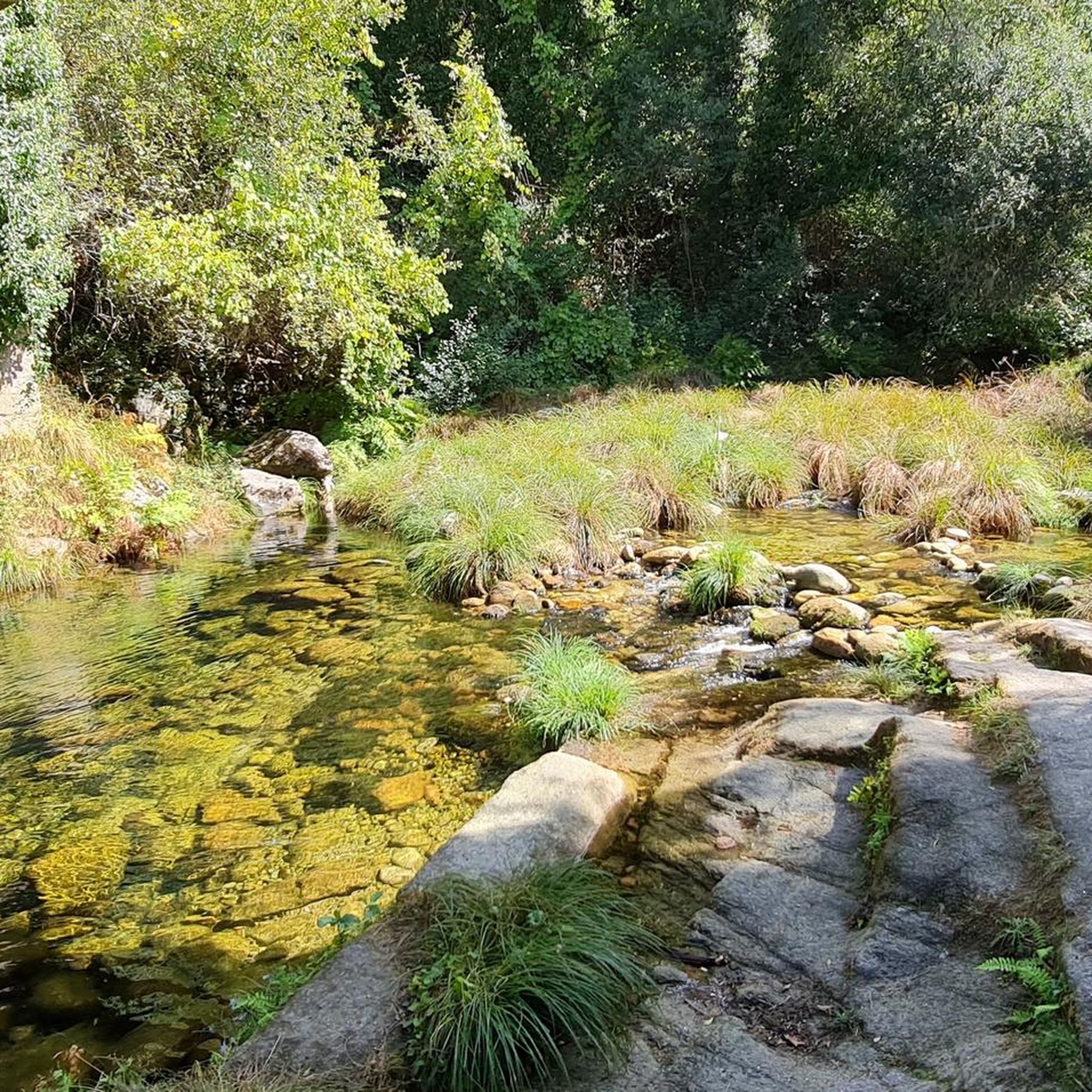
São Tomé offers breathtaking natural beauty. Cyclists can encounter dramatic volcanic peaks like Pico Cão Grande, lush rainforests within the Obô Natural Park, and refreshing stops at waterfalls such as São Nicolau Waterfall. Along the routes around Vade, you might also pass by natural attractions like the Vez River or the Natural swimming pool in Peneda-Gerês National Park.
Are there any historical or cultural sites accessible by road bike?
Yes, the island's rich agricultural history is visible in its numerous historic coffee and cocoa plantations, known as 'roças.' Cycling through these plantations, such as Monte Café, offers a glimpse into the island's past and present. The roads connecting these roças often provide quiet and scenic routes, allowing you to experience the island's unique atmosphere.
Are there any circular road cycling routes around Vade (São Tomé)?
Yes, many of the road cycling routes around Vade (São Tomé) are designed as loops, allowing you to start and end at the same point. Examples include the challenging Ponte da Barca Bridge – Brejoeira Palace loop from Ponte da Barca and the moderate Ponte da Barca Bridge – Guia Park loop from Cuide de Vila Verde.
What are some of the more challenging road cycling routes in the area?
For experienced cyclists seeking a challenge, routes like the Ponte da Barca Bridge – Brejoeira Palace loop from Ponte da Barca, spanning 91.2 km with over 1295 meters of elevation gain, offer a demanding ride. Another difficult option is the Vez River – Ponte da Barca Bridge loop from Ponte da Barca, covering 70.2 km with nearly 1400 meters of ascent.
What do other road cyclists enjoy most about road cycling in Vade (São Tomé)?
The area is highly rated by the komoot community, with an average score of 3.6 stars. Reviewers often praise the unique volcanic terrain, the immersive experience of cycling through lush rainforests, and the tranquility of the quiet roads. The diverse landscapes, from coastal views to dramatic peaks, are frequently highlighted as a major draw.
Are there less crowded road cycling options around Vade (São Tomé)?
A significant advantage for road cycling in São Tomé is the relatively low traffic on many of its roads, particularly outside the main towns. This allows cyclists to fully immerse themselves in the natural beauty and tranquility. The coastal roads, especially in the north-west, are known for being quiet and offering a peaceful cycling environment.
What are some notable landmarks or points of interest along the routes?
Beyond the natural beauty, you can encounter interesting man-made structures. The Ponte da Barca Bridge is a prominent feature on several routes. Additionally, cycling through areas with historic 'roças' (plantations) provides a cultural landmark experience.
What is the typical elevation gain on road cycling routes in Vade (São Tomé)?
The elevation gain varies significantly depending on the route. For example, the Porta do Mezio Entrance – Soajo Granaries loop from Ponte da Barca involves nearly 1000 meters of ascent over 49 km, while the Ponte da Barca Bridge – Guia Park loop from Cuide de Vila Verde has about 665 meters of elevation gain over 65.8 km. Expect undulating terrain with significant climbs, especially in the island's interior.
Most popular routes around Vade (São Tomé)
Most popular attractions around Vade (São Tomé)

Get inspired with the komoot mobile app


Explore more
Browse the best Road cycling routes in other regions.
