Top 13 Castles around Großbeeren
Best castles around Großbeeren offers a blend of historical estates and significant sites within a municipality known for its historical relevance and surrounding natural areas. The region features manor houses and hunting lodges, often integrated into extensive grounds. These sites provide insights into local history and offer recreational opportunities. The landscape around Großbeeren includes conservation areas with hiking and cycling trails.
Best castles around Großbeeren
- The most popular castles is Diedersdorf Castle, a castle that functions as a large…
Last updated: October 9, 2026
Diedersdorf Castle
Highlight • Castle
schlossdiedersdorf.de
Showing Translation
Tip by

Village Church Güterfelde
Highlight • Religious Site
Translated by Google •
Tip by

Sign up now to discover places like this
Get recommendations on the best single tracks, peaks, & plenty of other exciting outdoor places.
Jagdschloss Stern Parforceheide
Highlight • Castle
Source: jagdschloss-stern.de
Translated by Google •
Tip by

View of Grunewald Hunting Lodge and Grunewald Lake
Highlight • Viewpoint
Translated by Google •
Tip by

Genshagen Castle and Park
Highlight • Castle
Translated by Google •
Tip by

Sign up for free to discover even more castles around Großbeeren.
Already have an account?
Start today with a free account
Your next adventure awaits.
Tips from the Community

Very worth seeing, you have to see it
0
0

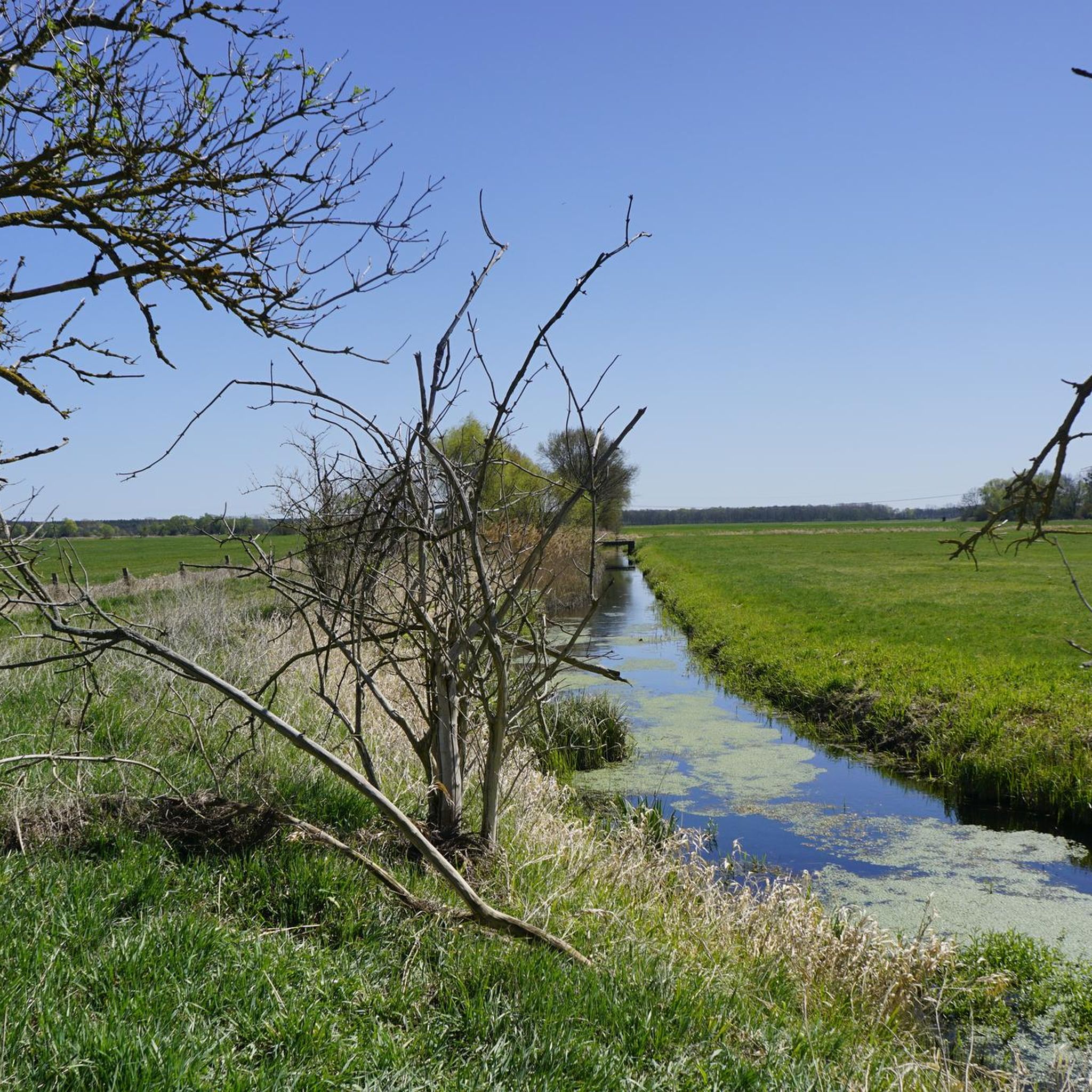
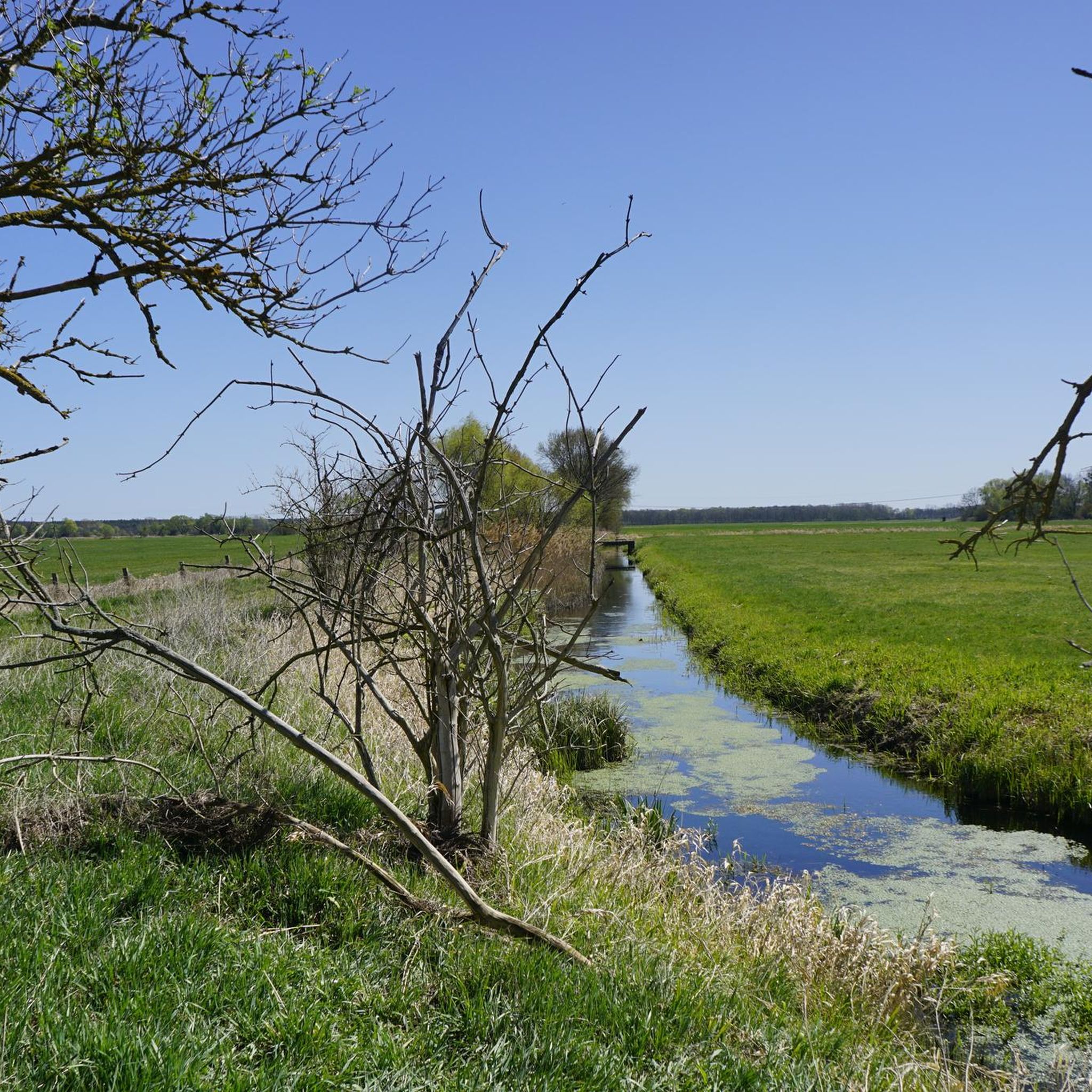
it drives or runs well and you have pure nature
0
0
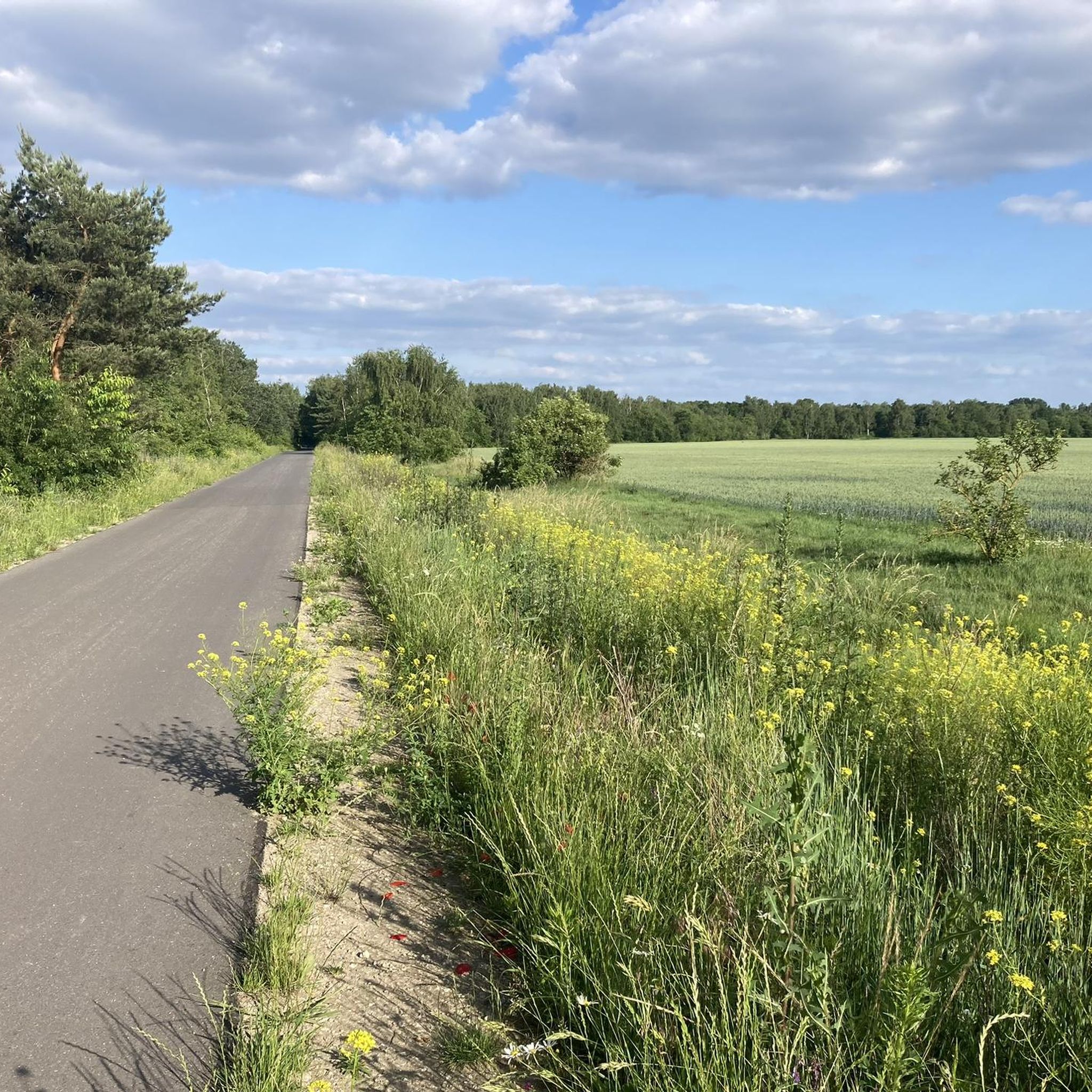
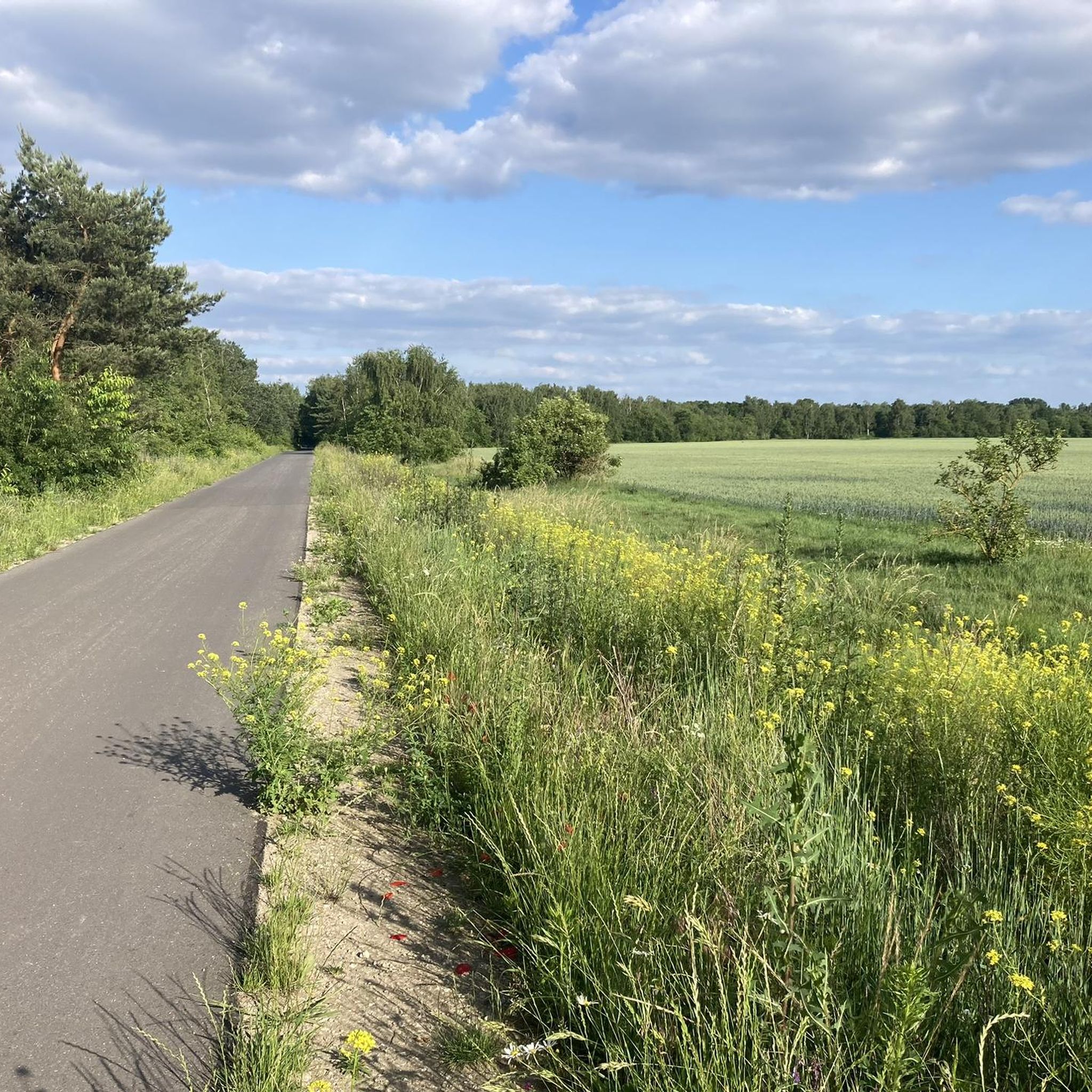
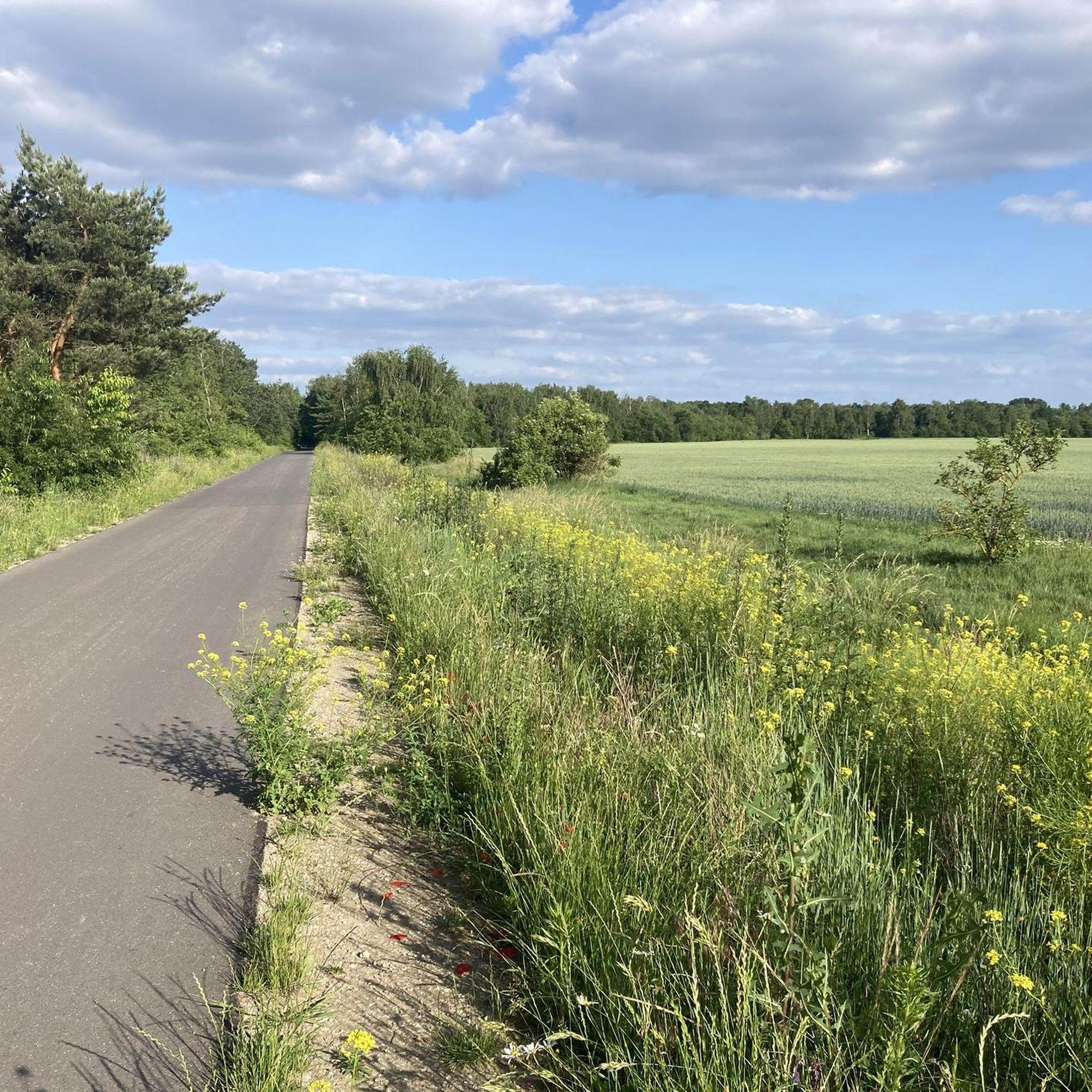
Since the completion of the cycle path, it has been easier and safer to reach
0
0

Genshagen Castle is a mansion built between 1878 and 1880 in the former Gutsdorf Genshagen of the same name, a district of Ludwigsfelde in the Brandenburg district of Teltow-Fläming. It is southwest of Berlin. Genshagen was first mentioned in 1289 and was divided before the 15th century. The larger part came into the possession of the von Otterstedt family, a significantly smaller part to the von Zicker family. Before 1655 the noble von Hake family acquired Otterstedt's share. The Zicker share came in 1677 to Friedrich August von Thümen. In 1700, a manor house was built in the former Otterstedt share, when Lewin Friedrich von Hake married Maria Dorothea, née Schaefferin. Wilhelm von Hake kept the estate throughout the wars of liberation. From 1791 to 1819 the Genshagener manor house served as the district office of the district of Teltow.[1] His son, Ludwig von Hake, sold it in 1838 for 130,000 Reichstaler to the royal Prussian Privy Councilor Karl Ferdinand Schulz. He commissioned Anton Gebauer with the administration for many decades. In September 1854, father Karl Ferdinand[3] left the manor house, which now belonged to the debt-free estate, to his daughter Friederike Pauline von Eberstein as a wedding gift on the occasion of her marriage to Max Freiherr von Ebenstein, a second lieutenant in the Emperor Franz Grenadier Regiment. On her behalf, a new manor house was built between 1878 and 1880 under the direction of the Berlin building inspector Lindemann, which after the conversion in the 1910s was primarily referred to as a palace. A one-storey, thirteen-axle rendered building in the Neo-Renaissance style was built on a high base with bossage. In their explanations in Die Guts- und Herrenhäuser im Landkreis Teltow-Fläming, Hiltrud and Carsten Preuss describe a symmetrical façade structure with “decorative façade decoration”. In the middle on the courtyard side was a flight of steps that stretched three axes wide. Visitors entered a portico that bore a triangular gable with the von Eberstein coat of arms. On the park side, another flight of steps led into the park. In the mansard roof there were ten dormer windows on the courtyard side, which were arranged above the window axes on the ground floor. After the von Eberstein family moved in, the manager used the old manor house as a residence and manager's house. In 1888 a distillery was built. (Source Wikipedia)
1
0

The half-timbered house was built together with the Stern hunting lodge in the years 1730-1732 for Friedrich Wilhelm I of Prussia as a residence for the hunting season. The Kastellanhaus is a simple half-timbered house that was used as a tourist restaurant for a long time. Such a use is currently being planned again.
3
0

A great corner for dog owners and all four-legged friends. However, very crowded on weekends.
2
0

Nice for walking, but only if you like dogs because that's an exercise area. All breeds from Yorkshire Terriers to Great Danes can be observed in a very short time.
1
0

old field church built in the first half of the 13th century
0
0
Frequently Asked Questions
What kind of castles and historical sites can I explore around Großbeeren?
The Großbeeren area features a variety of historical buildings, including manor houses, hunting lodges, and estates. While Diedersdorf Castle functions as a large estate with extensive grounds, you can also visit historical sites like Jagdschloss Stern Parforceheide, the oldest castle in Potsdam, and the Grunewald Hunting Lodge.
Are there family-friendly castles or estates to visit near Großbeeren?
Yes, Diedersdorf Castle is exceptionally family-friendly. It offers a large play park with trampolines and bouncy castles, an indoor play area called 'Spielschloss', pony rides, a boules court, and a carousel. The estate also hosts various events suitable for families throughout the year.
What outdoor activities can I do near these castles?
Many castles and estates in the region are surrounded by nature. For example, around Diedersdorf Castle, you'll find signposted hiking and cycling trails, some leading through the 'Diedersdorfer Heide and Großbeerener Graben' landscape conservation area. You can find various easy hikes, MTB trails, and running trails around Großbeeren.
Are there cafes or restaurants available at the castles?
Yes, Diedersdorf Castle is well-equipped with several restaurants, including the 'Schloss-Salon', 'Weinkeller', 'Pferdestall', and 'Schmiede'. In summer, it also boasts the largest beer garden in Berlin-Brandenburg. The estate is a popular destination for excursions, offering diverse culinary options.
Can I visit these castles with my dog?
While specific dog policies vary, the View of Grunewald Hunting Lodge and Grunewald Lake is located in Berlin's largest contiguous dog walking area, making it very dog-friendly. Many outdoor areas and parks surrounding castles, like the park at Genshagen Castle, are generally open to the public and suitable for walks with dogs, though it's always good to check specific rules for indoor access.
What is the best time of year to visit castles around Großbeeren?
The castles and their surrounding parks can be enjoyed throughout the year. Spring and summer are ideal for exploring the extensive grounds and enjoying outdoor amenities like beer gardens. Autumn offers beautiful foliage, and some estates, like Diedersdorf Castle, host special events like Oktoberfest. Winter visits can offer a quieter, atmospheric experience, especially if there are indoor attractions or festive markets.
How long should I plan for a visit to a castle or estate?
The duration of your visit depends on the specific site and your interests. For a comprehensive experience at Diedersdorf Castle, with its restaurants, play areas, and events, you could easily spend half a day or even a full day. Smaller sites like Jagdschloss Stern Parforceheide might be explored in 1-2 hours, especially if combined with a walk in the surrounding area.
Are there accommodations available at any of the castles?
Yes, Diedersdorf Castle offers accommodations with a four-star Schloss-Hotel and a three-star Landgasthof on its estate. This allows visitors to extend their stay and fully experience the historical setting and amenities.
What makes Schloss Diedersdorf a unique attraction?
Schloss Diedersdorf, though technically a manor house, functions as a comprehensive castle estate. It's renowned for being the largest event location in Großbeeren, hosting everything from cultural events to knight tournaments. Its blend of historical architecture, diverse gastronomy, extensive family-friendly attractions, and accommodations makes it a versatile destination for all ages.
Are there any historical churches or religious buildings near the castles?
Yes, the Village Church Güterfelde is one of the oldest village churches in Teltow, with its history dating back to the 13th century. It's a significant historical site that can be explored alongside the castles and estates in the region.
Can I find viewpoints with historical significance in the area?
Absolutely. The View of Grunewald Hunting Lodge and Grunewald Lake offers a scenic viewpoint that includes the historic Grunewald hunting lodge, built in 1542. It provides a beautiful natural setting combined with a glimpse into the region's past.
Is there parking available when visiting these castles?
Many of the larger estates and castles, such as Diedersdorf Castle and Genshagen Castle, provide parking facilities for visitors. For specific details, it's advisable to check the individual castle's website or local signage upon arrival.
Most popular routes around Großbeeren
Most popular attractions around Großbeeren

Get inspired with the komoot mobile app


Explore more
Looking for the best castles somewhere else? Discover other guides around Großbeeren:
