The best cycling routes around Curalha
4.3
(34)
337
riders
27
rides
Touring cycling routes around Curalha are primarily found within the Tâmega River valley, offering diverse landscapes for cyclists. The region features riparian forests, agricultural fields, and historical sites such as the ancient Castro de Curalha, which provides panoramic views. Cycling infrastructure includes sections of the Ecovia do Tâmega and Ecovia da Linha do Corgo, providing largely flat routes suitable for various skill levels. These routes connect Curalha to the wider Chaves municipality and extend towards the Spanish border.
Best touring…
Last updated: June 28, 2026
4.5
(11)
58
riders
40.6km
02:41
360m
360m
Moderate bike ride. Good fitness required. Mostly paved surfaces. Suitable for all skill levels.
5.0
(3)
36
riders
74.2km
04:51
730m
720m
Hard bike ride. Very good fitness required. Mostly paved surfaces. Suitable for all skill levels.

Sign up for free
3.6
(5)
27
riders
26.4km
01:38
120m
120m
Easy bike ride. Great for any fitness level. Mostly paved surfaces. Suitable for all skill levels.
17
riders
10.3km
00:43
50m
50m
Easy bike ride. Great for any fitness level. Mostly paved surfaces. Suitable for all skill levels.
3.5
(2)
11
riders
Hard bike ride. Very good fitness required. Mostly paved surfaces. Suitable for all skill levels.
Get access to more routes and recommendations from other explorers.
Sign up for free
Already have an account?
Our route recommendations are based on thousands of hikes, rides, and runs completed by other people on komoot.
Start today with a free account
Your next adventure awaits.
Login or Signup
Tips from the Community

Fort of São Francisco (The Main One) This is the fort that dominates the city skyline and where the statue of General Silveira is located. What it is today: It has been magnificently restored and operates as a 4-Star Hotel, but the historical area is open to visitors. Why visit: History: It was here that General Silveira besieged and defeated Napoleon's troops in 1809. Interior: You can enter (entry to the courtyard is free) and see the Church of São Francisco. Originally a convent, the church houses the tomb of the first Duke of Braganza. Views: The ramparts offer an incredible panoramic view over the city and the Tâmega River.
0
0
Visiting the Castle of Chaves is worth it because it is, quite literally, the high point of the city—both in altitude and in history. Although "only" the imposing Keep (Torre de Menagem) and parts of the walls remain from the original grand defensive system, a visit is a must for these 4 reasons: 1. The Best View in the City Climbing to the top of the Keep (about 28 meters high) offers an unmatched reward. The Panorama: From there, you have a 360º view over the old rooftops, the Tâmega River winding below, the Roman Bridge, and the Brunheiro and Larouco mountains in the distance. It is the best place to understand the city's geography. 2. The Military Museum (A Journey Across 4 Floors) The tower is not empty. The interior has been transformed into a very interesting Military Museum (and the ticket is almost symbolic, usually costing around €1). As you climb the stairs, you pass through four themed floors showing the evolution of weaponry, from the Middle Ages to World War I. It is fascinating to see armor, swords, and uniforms in an authentic stone setting, which helps you imagine the lives of the soldiers who defended the border there. 3. The Castle Garden The tower is surrounded by a beautifully kept garden, which functions as an open-air museum. It is a peaceful space, full of flowers, where you can see Roman and medieval archaeological pieces displayed on the lawns. It is the ideal spot for a break in the shade after walking through the city. 4. A History of Resistance This castle is a symbol of Portugal's independence. Given its proximity to Spain (only 10 km away), Chaves was always the "Key to the Kingdom." Visiting the castle means standing on ground where countless battles were fought to keep the border safe against Castilian and French invasions. The climb is done via stairs (there is no elevator), but the view from the top makes up for every step. Try to go near the end of the day, when the setting sun hits the stones of the tower and the city below, creating a spectacular golden color.
3
0

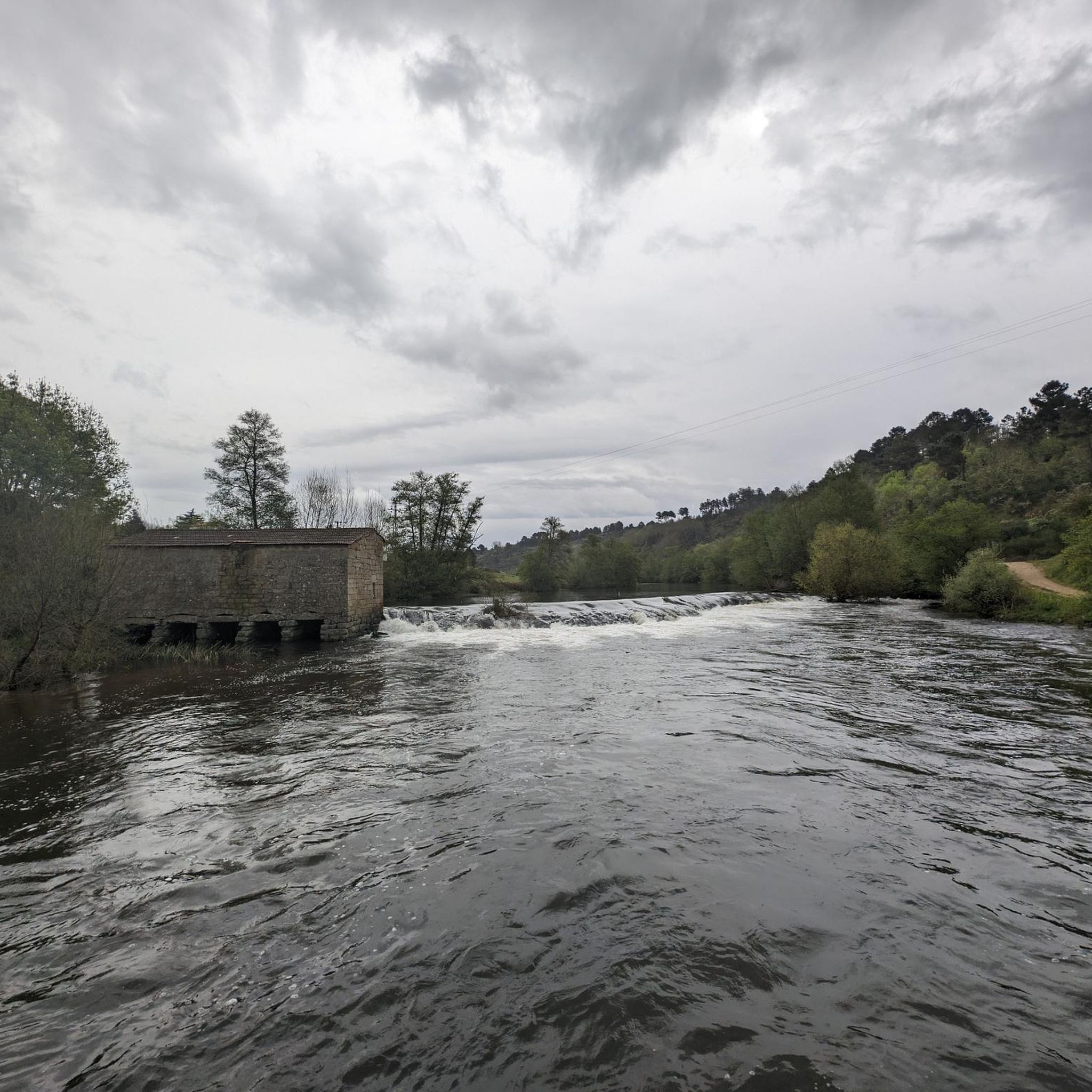
Well-developed even red and yellow colored bicycle and walking paths
3
0

Chaves Castle was built in the 9th century by Alfonso III of León to reinforce the city's defenses during the Christian Reconquest. Over the centuries, it has undergone several renovations. It can be visited for just one euro.
6
0

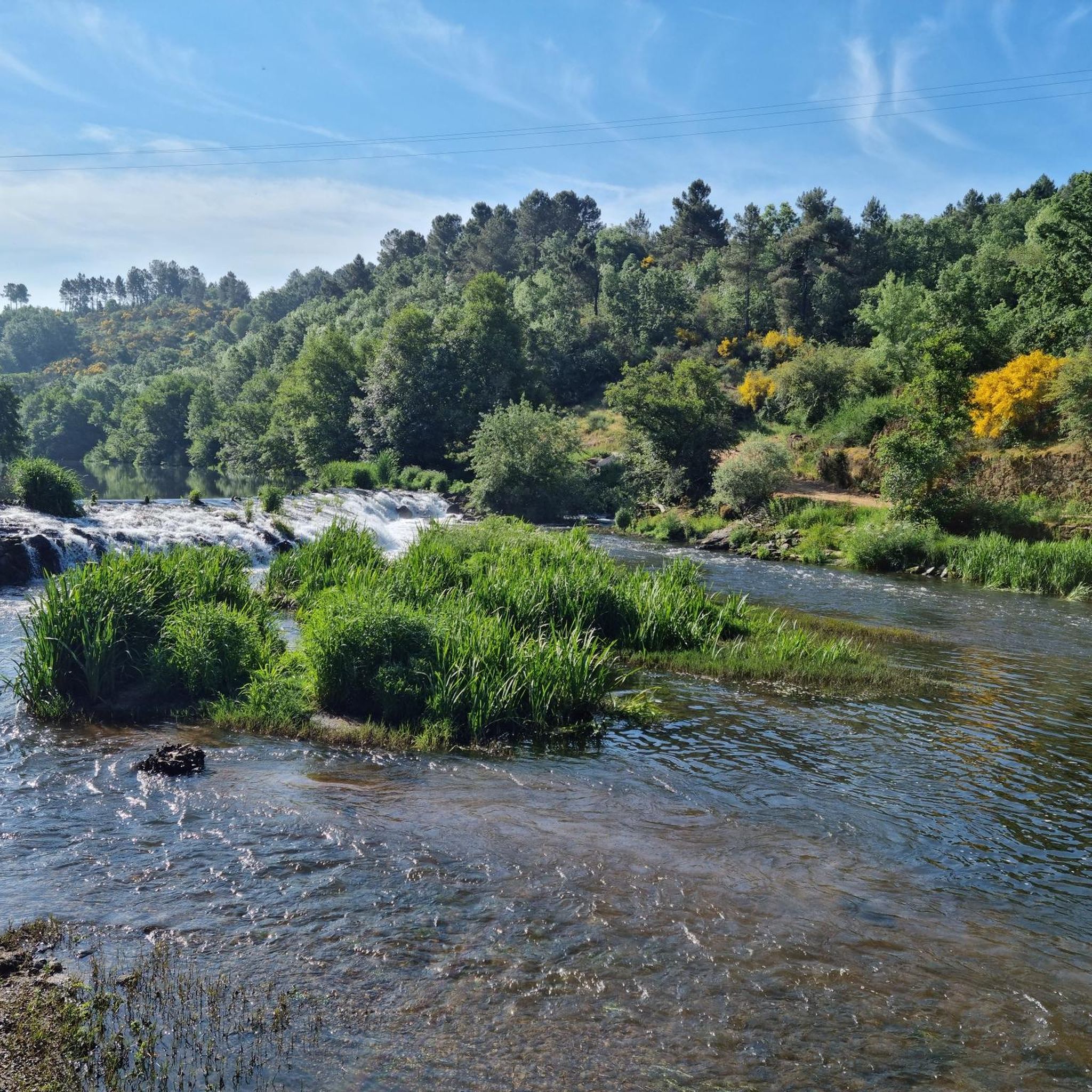
everything around is beautiful to appreciate
1
0

The story can be found at: https://costa-portugal.de/castelo-de-chaves-eine-mittelalterliche-festung-in-nordportugal/
4
1

There are quite a few abandoned grand hotels in Vidago which had his heyday a hundred years ago as Portuguese prime spa destination for European aristocracy.
0
0
Frequently Asked Questions
How many touring cycling routes are available around Curalha?
There are over 25 touring cycling routes around Curalha, offering a variety of options for different skill levels. These routes are highly rated by the komoot community, with an average score of 4.1 stars.
What are the main cycling paths or ecovias in the Curalha area?
Curalha is well-connected to the Ecovia do Tâmega and the Ecovia da Linha do Corgo. The Ecovia do Tâmega starts in Chaves and extends towards the Spanish border, offering a largely flat, scenic route along the Tâmega River. The Ecovia da Linha do Corgo also follows the Tâmega River, connecting areas like Vidago and Curalha.
What historical sites or natural landmarks can I see along the routes?
Cyclists can explore several points of interest. The ancient Castro de Curalha offers panoramic views of the Tâmega River valley. Other notable landmarks include the Trajan Bridge and the Chaves Thermal Spring in nearby Chaves. The routes often pass through charming villages and riparian forests.
Are there family-friendly cycling routes in Curalha?
Yes, Curalha offers several easy touring cycling routes suitable for families. For instance, the Fort of São Francisco – National Zero Marker 2 loop from Chaves is an easy 16.5-mile (26.6 km) trail that takes about 1 hour 40 minutes to complete. The Ecovia do Tâmega also provides largely flat sections ideal for a relaxed family ride.
When is the best time of year to go touring cycling in Curalha?
The spring and autumn months are generally ideal for touring cycling in Curalha. The weather is milder, and the natural landscapes, especially along the Tâmega River valley, are particularly vibrant. Summers can be hot, while winters might bring cooler temperatures and more rain.
How challenging are the touring cycling routes around Curalha?
The routes around Curalha cater to various skill levels. You'll find easy paths, such as the Forte de São Francisco – National Zero Marker 2 loop from Quinta da Estação, which is just over 10 km. There are also moderate options like the Camillo Station loop from Chaves, and more difficult, longer routes like the Castle of Chaves – National Zero Marker 2 loop from Madalena e Samaiões, which covers over 53 km with significant elevation changes.
Are there circular touring cycling routes available?
Yes, many of the touring cycling routes around Curalha are designed as loops, allowing you to start and finish at the same point. Examples include the Camillo Station loop from Chaves and the Fort of São Francisco – National Zero Marker 2 loop from Chaves, providing convenient options for exploration.
Can I bring my dog on the cycling routes?
While specific regulations for dogs on cycling paths in Curalha are not explicitly stated, generally, dogs are welcome on many outdoor trails in Portugal, especially if kept on a leash. It's always advisable to ensure your dog is well-behaved and to carry waste bags. Some protected natural areas might have specific rules, so check local signage.
How can I access the cycling routes, and is parking available?
The cycling routes around Curalha are generally accessible from various points within the Chaves municipality. For routes starting in Chaves, there is usually public parking available in the town. The Ecovia do Tâmega and Ecovia da Linha do Corgo often have designated access points, and you can find specific parking information on individual route pages on komoot.
What do other touring cyclists enjoy the most about touring cycling in Curalha?
The area is highly rated by the komoot community, with an average score of 4.1 stars from over 30 reviews. Reviewers often praise the picturesque views of the Tâmega River valley, the blend of natural beauty with historical sites, and the variety of routes suitable for different fitness levels. The well-maintained sections of the Ecovias are also frequently highlighted.
Are there places to eat or stay near the cycling routes?
While Curalha itself is a smaller village, the nearby city of Chaves, which serves as a hub for many of these routes, offers a good selection of cafes, restaurants, and accommodation options. You'll find traditional Portuguese cuisine and places to relax after your ride. Bike-friendly accommodations are also becoming more common in the wider region.
Can I expect to see wildlife while cycling in Curalha?
Yes, the Tâmega River valley and its riparian forests are home to diverse wildlife. Cyclists might spot various bird species, especially in lacustrine areas that serve as bird sanctuaries. The natural landscapes offer opportunities for wildlife observation, particularly during quieter times of the day.
Most popular routes around Curalha
Most popular attractions around Curalha

Get inspired with the komoot mobile app


Explore more
Browse the best Cycling routes in other regions.
