The best cycling routes around Madalena
4.1
(29)
283
riders
26
rides
Touring cycling around Madalena, located on Pico Island in the Azores, offers routes through a distinctive volcanic landscape. The region is characterized by its black basalt coastline, ancient lava flows, and the UNESCO World Heritage Vineyard Culture Landscape, where vineyards are protected by dry-stone walls. Pico Mountain, Portugal's highest peak, provides a dramatic backdrop to many routes. Cyclists can expect varied terrain, from coastal paths with views of the Atlantic to routes winding through the unique viticulture areas.
Best touring…
Last updated: October 5, 2026
4.5
(11)
56
riders
40.6km
02:41
360m
360m
Moderate bike ride. Good fitness required. Mostly paved surfaces. Suitable for all skill levels.
39
riders
53.5km
03:29
230m
230m
Moderate bike ride. Good fitness required. Mostly paved surfaces. Suitable for all skill levels.

3.5
(4)
30
riders
26.4km
01:38
120m
120m
Easy bike ride. Great for any fitness level. Mostly paved surfaces. Suitable for all skill levels.
5.0
(1)
16
riders
30.7km
02:07
140m
140m
Moderate bike ride. Good fitness required. Mostly paved surfaces. Suitable for all skill levels.
3.5
(2)
11
riders
42.4km
02:46
530m
530m
Hard bike ride. Very good fitness required. Mostly paved surfaces. Suitable for all skill levels.
Get access to more routes and recommendations from other explorers.
Already have an account?
Our route recommendations are based on thousands of hikes, rides, and runs completed by other people on komoot.
Start today with a free account
Your next adventure awaits.
Popular around Madalena
Tips from the Community

The Roman Baths Museum, recently opened, is a must-see. It is located in Largo do Arrabalde, very close to the current baths. It is the largest Roman bath complex in the Iberian Peninsula. What makes this museum special is that, after an earthquake in the 4th century, the structures collapsed and remained "frozen" in time until they were rediscovered a few years ago. You can see the huge original stone pools where Roman legionaries bathed 2,000 years ago. The Roman Baths Museum What to see: It is the largest Roman bath complex in the Iberian Peninsula. What makes this museum special is that, following an earthquake in the 4th century, the structures collapsed and remained "frozen" in time until they were rediscovered a few years ago. You can see the huge original stone pools where Roman legionaries bathed 2,000 years ago.
0
0
Fort of São Francisco (The Main One) This is the fort that dominates the city skyline and where the statue of General Silveira is located. What it is today: It has been magnificently restored and operates as a 4-Star Hotel, but the historical area is open to visitors. Why visit: History: It was here that General Silveira besieged and defeated Napoleon's troops in 1809. Interior: You can enter (entry to the courtyard is free) and see the Church of São Francisco. Originally a convent, the church houses the tomb of the first Duke of Braganza. Views: The ramparts offer an incredible panoramic view over the city and the Tâmega River.
0
0
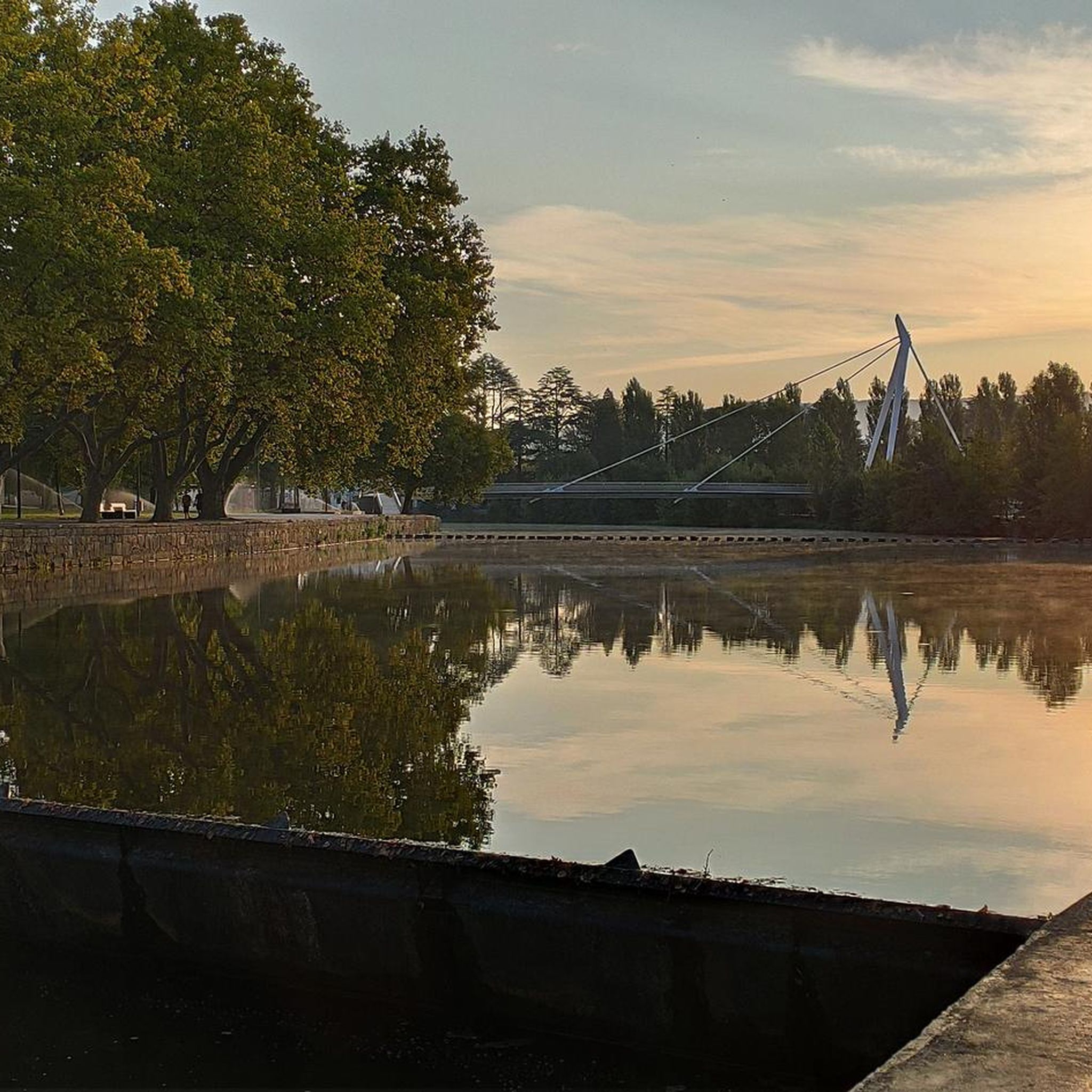
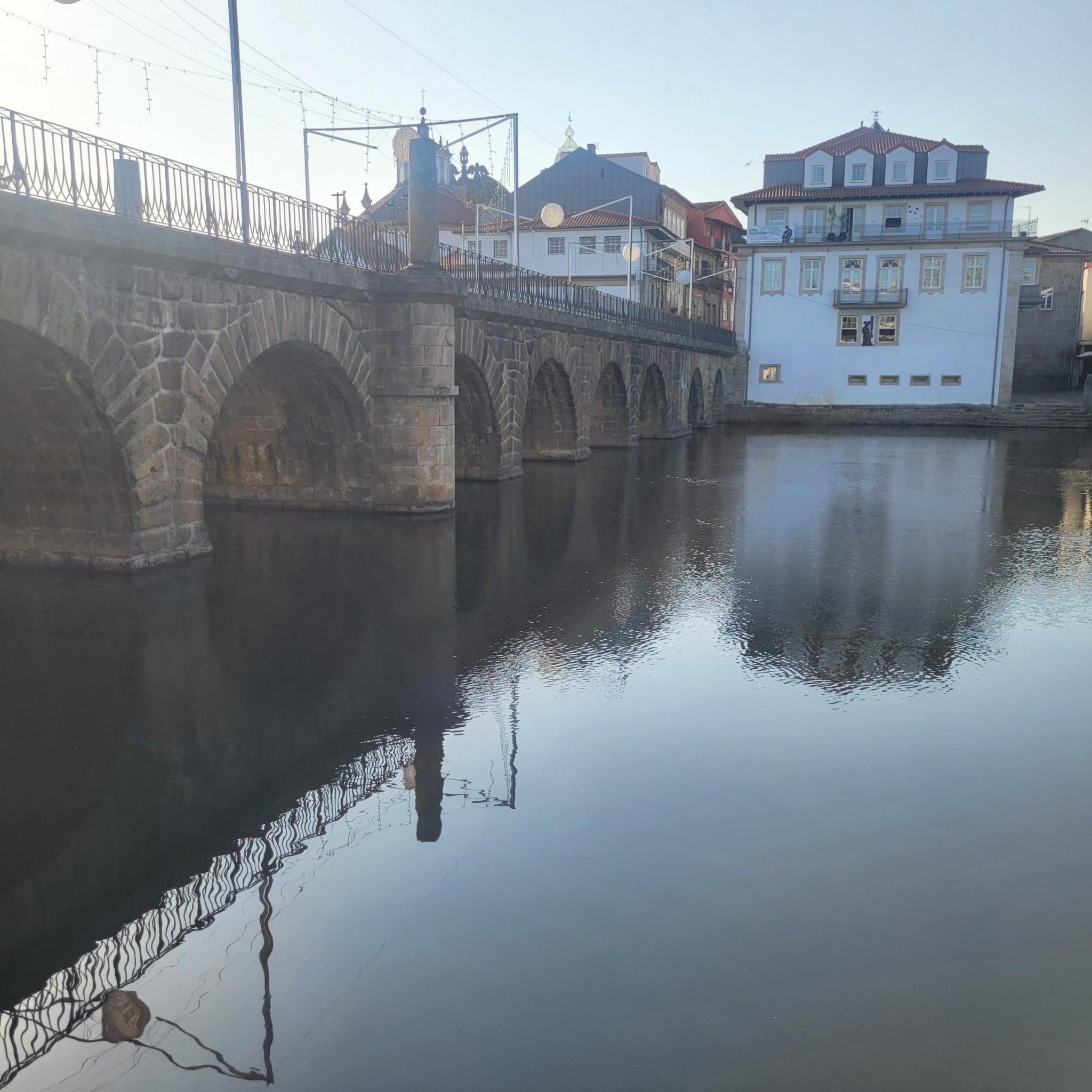
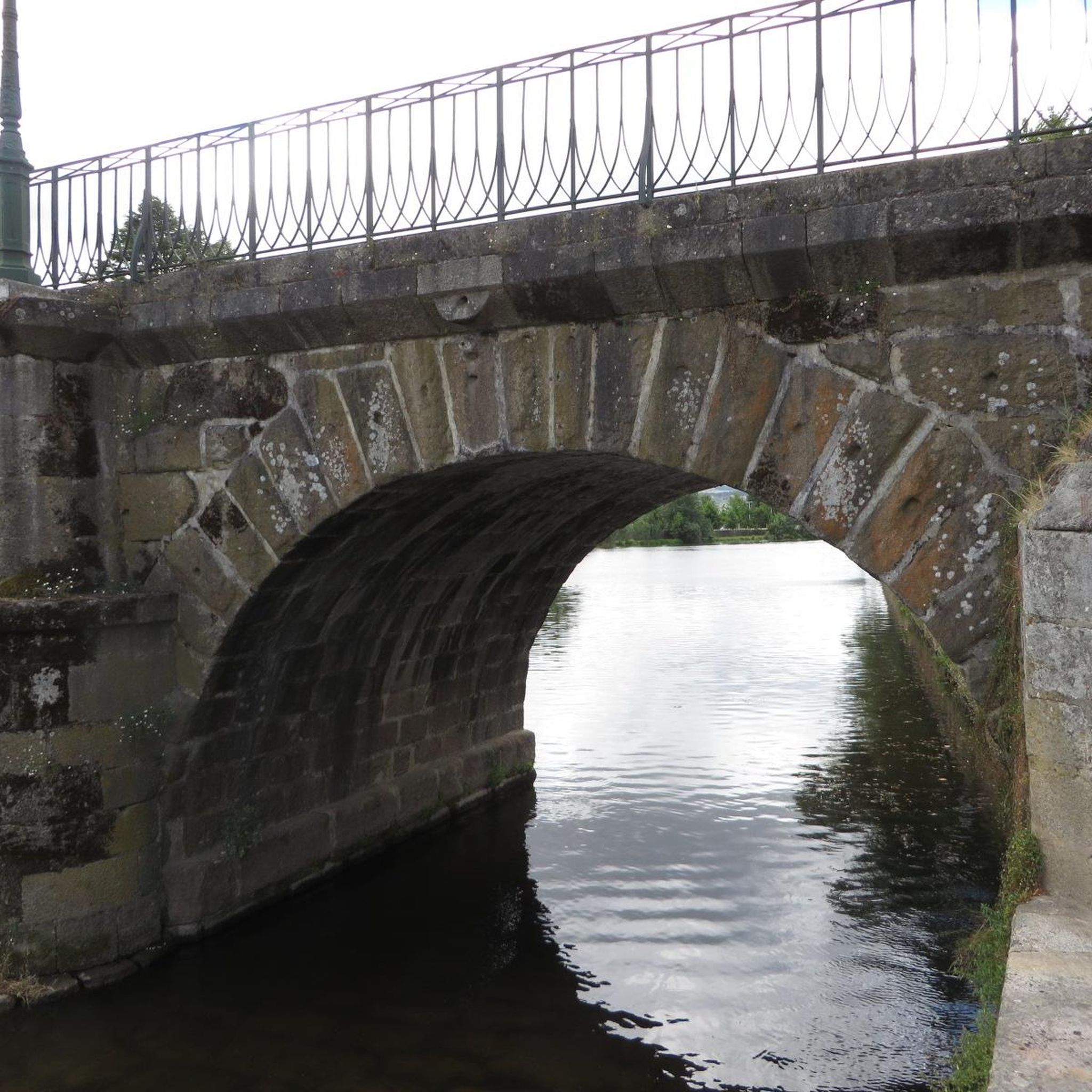
The Bridge of Trajan (often simply called the Roman Bridge) is, without a doubt, the most important monument in Chaves. It is worth visiting because it is not just an "old stone bridge"; it is a masterpiece of engineering that defines the city's identity. Here are the 4 main reasons why: 1. Walking on 2,000 Years of History This is one of the best-preserved Roman bridges in the entire Iberian Peninsula. It was built between the late 1st and early 2nd century AD, during the reign of Emperor Trajan. The Feeling: Crossing it on foot (cars are forbidden) means you are literally walking on the same stones as Roman legions, medieval merchants, and Napoleonic troops. It is an instant trip back in time. 2. Engineering that Defies Time It is worth looking closely at the structure to understand why it is still standing. The Tâmega River is known for its violent floods, yet the bridge has withstood them for two millennia. The Secret: If you go down to the riverbank, notice the cutwaters (the triangular structures at the base of the pillars). They were designed to "cut" the force of the water and prevent the bridge from collapsing. It is a live lesson in ancient architecture. 3. The Stones that "Speak" (Milestones) In the middle of the bridge, you will find two cylindrical stone columns (milestones) with Latin inscriptions. One of them is particularly important: the "Padrão dos Povos" (Standard of the Peoples). The inscription lists the 10 local tribes of the region (the "Aquiflavienses") who contributed to the construction of the bridge. It is a historical document carved in stone that has survived to this day. 4. The Photogenic Scenery The bridge connects the historic center to the Madalena neighborhood and is set within a beautiful public garden (Jardim do Tabolado). It is the perfect spot to watch the sunset, seeing the reflection of the arches in the water with the Castle of Chaves dominating the landscape high above. Visitor Tip: After crossing the bridge coming from the historic center, turn left and walk along the landscaped riverbanks. There are stepping stones (pedras poldras) nearby in the water that allow you to see the grandeur of Trajan's Bridge from an impressive low angle.
2
0

everything around is beautiful to appreciate
1
0

The 140 metre-long Ponte Trajano (Trajan Bridge) in Chaves in the Trás-os-Montes region of north eastern Portugal dates from the reign of the Emperor Trajan (53-117) in the early second century AD. The Emperor Trajan was known as a great promoter of public works including the Trajan Forum and Trajan Column in Rome.
6
0
The Roman Bridge of Chaves, also known as Trajan's Bridge, is located over the River Tâmega and was built between the end of the 1st century and the beginning of the 2nd century. Along with the development of the thermal baths, it constitutes one of the best Roman legacies of the ancient Águas Flávias, which still stands today, withstanding historic floods and the strong currents of the river. Approximately one hundred and fifty metres long and with a dozen visible arches, the works carried out in the 1930s covered some of the arches and others were still buried in the construction of the houses built there and overlooking the river.[citation needed] In 2008 it became a pedestrian bridge.
6
0

This stone arch bridge is also called Trajan's Bridge.
4
1

There are quite a few abandoned grand hotels in Vidago which had his heyday a hundred years ago as Portuguese prime spa destination for European aristocracy.
0
0
Frequently Asked Questions
How many touring cycling routes are available in Madalena?
Madalena offers a diverse selection of over 28 touring cycling routes. These routes cater to various skill levels, with 6 easy, 7 moderate, and 15 difficult options available for exploration.
What unique natural features can I expect to see while cycling in Madalena?
While cycling in Madalena, you'll encounter a landscape profoundly shaped by its volcanic origins. Expect dramatic black basalt coastlines, ancient lava flows, and the iconic UNESCO World Heritage Vineyard Culture Landscape, where vineyards are protected by dry-stone walls. You'll also see natural swimming pools formed by lava flows and have views of Pico Mountain, Portugal's highest peak.
What is the best time to visit Madalena for touring cycling?
Madalena benefits from a mild climate year-round, making it an appealing destination for touring cycling throughout most of the year. This consistent weather allows for comfortable exploration of its unique landscapes.
Are there any family-friendly touring cycling routes in Madalena?
Yes, Madalena offers several routes suitable for families. For example, the Forte de São Francisco – National Zero Marker 2 loop from Quinta da Estação is an easy 10.1 km route with minimal elevation gain, perfect for a relaxed family outing.
What kind of terrain can I expect on Madalena's cycling routes?
The terrain in Madalena is varied, reflecting its volcanic nature. You can expect coastal paths with stunning Atlantic views, routes winding through the unique viticulture areas, and paths leading through ancient lava fields and rural landscapes. Some routes may involve varied terrain along the dramatic volcanic coastline.
Are there any circular touring cycling routes in Madalena?
Yes, many of Madalena's touring cycling routes are designed as loops, allowing you to start and end in the same location. Examples include the Camillo Station loop from Chaves and the Castle of Monterrei – Verín loop from Santa Cruz (Trindade).
What historical or cultural attractions can I explore along the cycling routes?
Beyond the stunning natural scenery, you can cycle through the UNESCO World Heritage Vineyard Culture Landscape, which features historic viticulture elements like shelter houses and wineries. You can also explore the historic center of Madalena, with its picturesque streets and the Church of Santa Maria Madalena. The Wine Museum offers a deeper understanding of the region's winemaking traditions.
What do other touring cyclists enjoy most about cycling in Madalena?
The touring cycling routes in Madalena are highly rated by the komoot community, with an average score of 4.05 stars from over 20 reviews. Cyclists frequently praise the unique volcanic landscapes, the beauty of the UNESCO World Heritage vineyards, and the dramatic coastal paths that offer breathtaking views of the Atlantic Ocean.
What attractions can I explore around Madalena besides cycling?
Beyond cycling, Madalena offers several points of interest. You can visit the Chaves Old Town, see the historic Trajan Bridge, or relax at the Chaves Thermal Spring. The Poldrado de Curalha and the Statue of Francisco de Silveira are also notable landmarks.
Are there any easy touring cycling routes for beginners in Madalena?
Yes, Madalena offers several easy touring cycling routes suitable for beginners. For instance, the Fort of São Francisco – National Zero Marker 2 loop from Chaves is an easy 26.6 km route, providing a gentle introduction to the region's cycling experience.
What should I bring for touring cycling in Madalena?
Given the varied terrain and coastal exposure, it's advisable to bring appropriate cycling gear, including a helmet, water bottles, and sun protection. Layers of clothing are recommended due to potential changes in weather. A repair kit and a fully charged phone with navigation are also good to have.
Most popular routes around Madalena
Most popular attractions around Madalena

Get inspired with the komoot mobile app


Explore more
Browse the best Cycling routes in other regions.
