The best walks and hikes around Moreiras
4.7
(14)
89
hikers
4
hikes
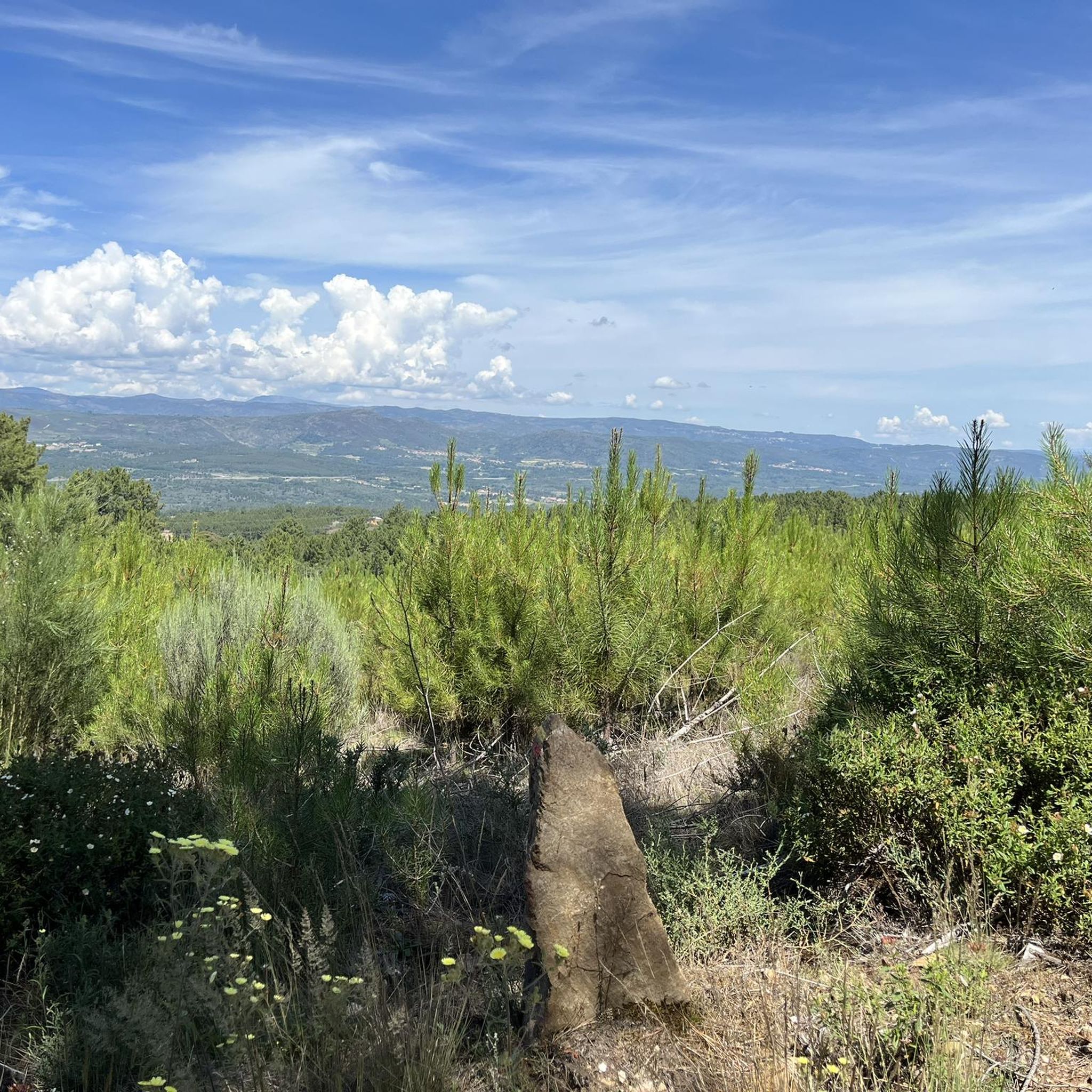
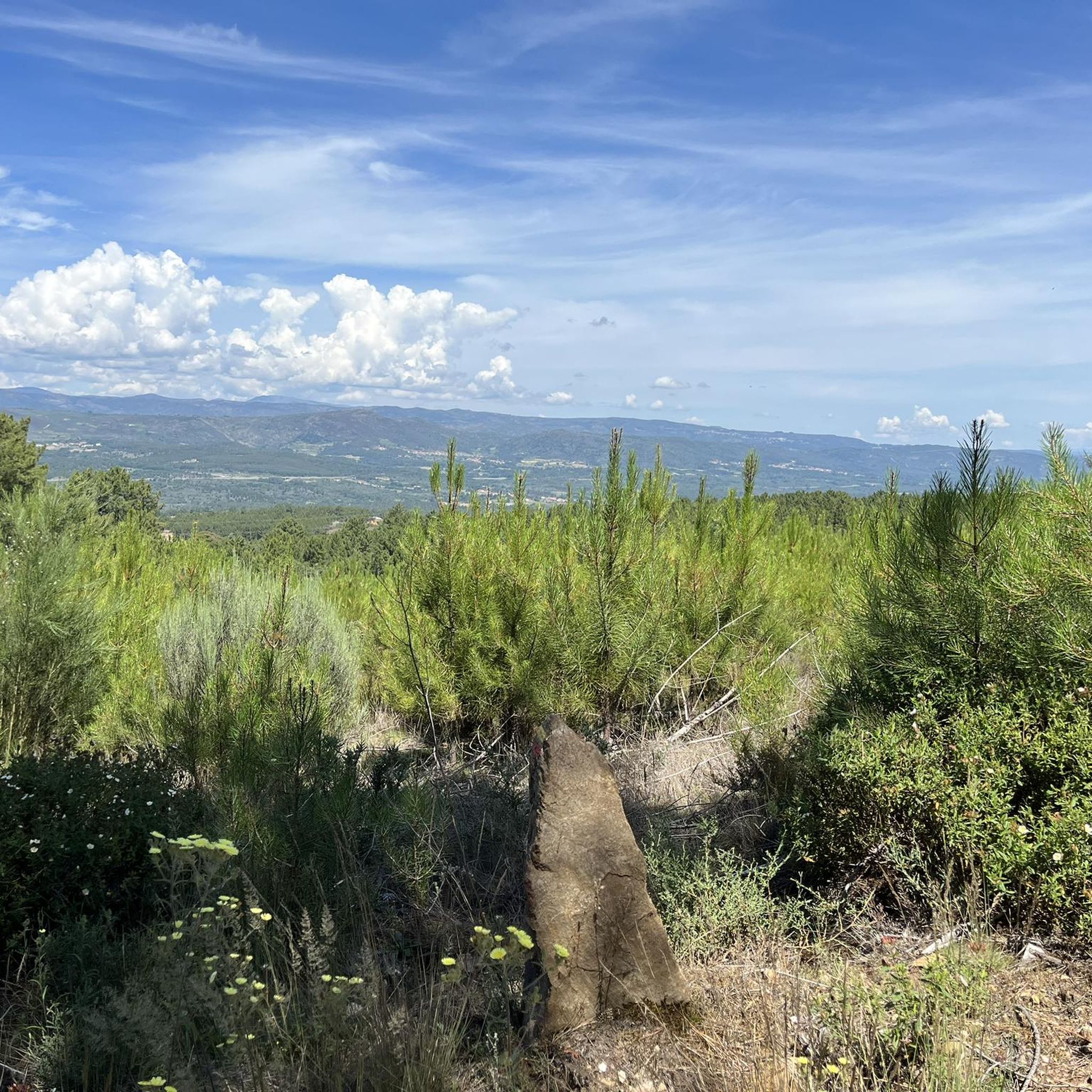
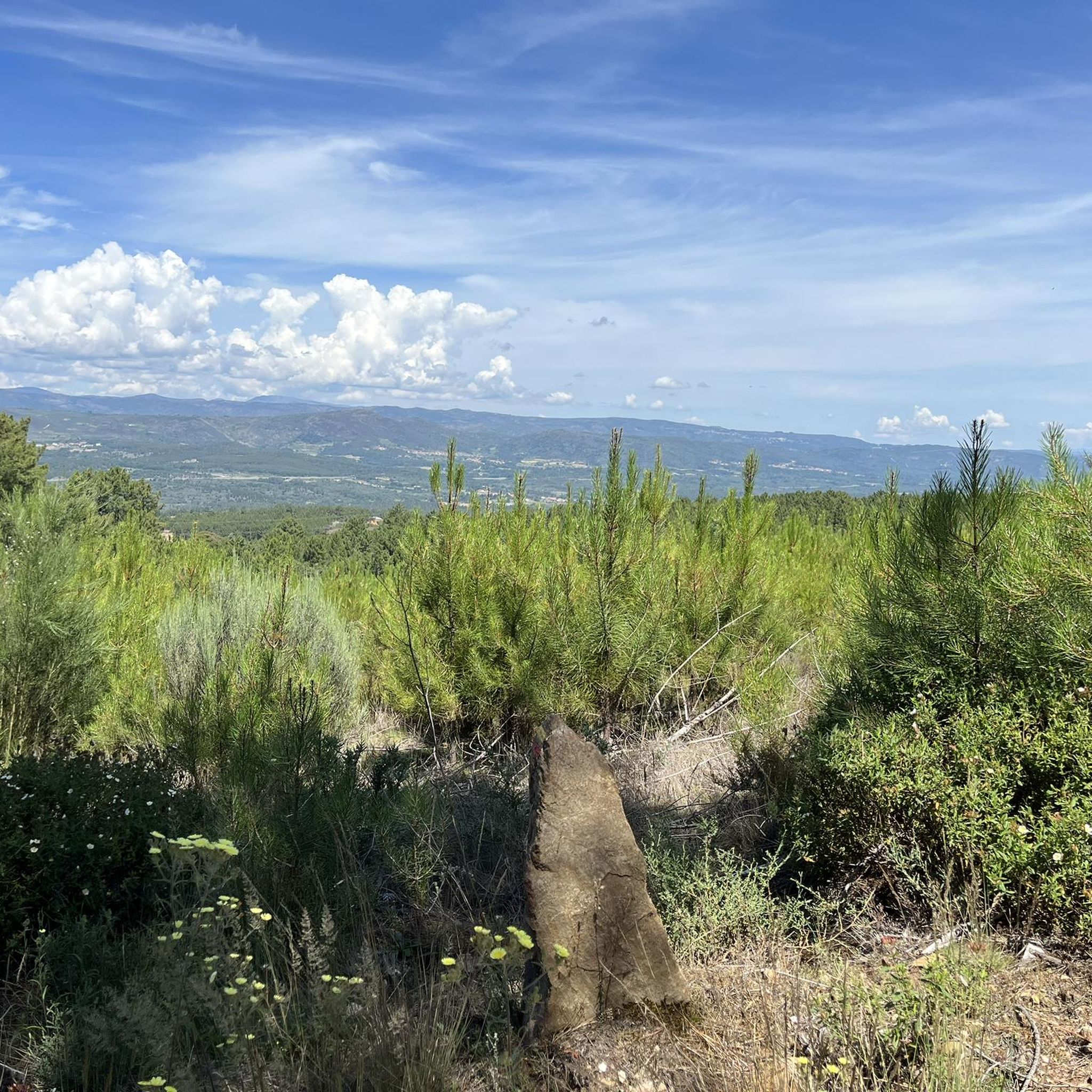
Hiking around Moreiras offers a variety of trails in a region characterized by gentle hills and river valleys, often featuring thermal springs and scenic viewpoints. The landscape includes a mix of open areas and some forested sections, providing diverse environments for outdoor activities. Elevation changes are generally moderate, making many routes accessible.
Best hiking trails around Moreiras
- The most popular hiking route is Chaves Thermal Spring loop from Chaves, a 4.5 miles (7.2 km) trail that takes 1 hour…
Last updated: July 4, 2026
4.5
(2)
37
hikers
Easy hike. Great for any fitness level. Easily-accessible paths. Suitable for all skill levels.
5.0
(1)
10
hikers
5.21km
01:38
210m
210m
Easy hike. Great for any fitness level. Easily-accessible paths. Suitable for all skill levels.

Sign up for free
4.5
(2)
8
hikers
7.39km
02:14
250m
250m
Moderate hike. Good fitness required. Easily-accessible paths. Suitable for all skill levels.
8
hikers
4.18km
01:04
20m
20m
Easy hike. Great for any fitness level. Easily-accessible paths. Suitable for all skill levels.
4.8
(4)
6
hikers
15.9km
04:37
420m
420m
Moderate hike. Good fitness required. Easily-accessible paths. Suitable for all skill levels.
Our route recommendations are based on thousands of hikes, rides, and runs completed by other people on komoot.
Start today with a free account
Your next adventure awaits.
Login or Signup
Tips from the Community


The Bridge of Trajan (often simply called the Roman Bridge) is, without a doubt, the most important monument in Chaves. It is worth visiting because it is not just an "old stone bridge"; it is a masterpiece of engineering that defines the city's identity. Here are the 4 main reasons why: 1. Walking on 2,000 Years of History This is one of the best-preserved Roman bridges in the entire Iberian Peninsula. It was built between the late 1st and early 2nd century AD, during the reign of Emperor Trajan. The Feeling: Crossing it on foot (cars are forbidden) means you are literally walking on the same stones as Roman legions, medieval merchants, and Napoleonic troops. It is an instant trip back in time. 2. Engineering that Defies Time It is worth looking closely at the structure to understand why it is still standing. The Tâmega River is known for its violent floods, yet the bridge has withstood them for two millennia. The Secret: If you go down to the riverbank, notice the cutwaters (the triangular structures at the base of the pillars). They were designed to "cut" the force of the water and prevent the bridge from collapsing. It is a live lesson in ancient architecture. 3. The Stones that "Speak" (Milestones) In the middle of the bridge, you will find two cylindrical stone columns (milestones) with Latin inscriptions. One of them is particularly important: the "Padrão dos Povos" (Standard of the Peoples). The inscription lists the 10 local tribes of the region (the "Aquiflavienses") who contributed to the construction of the bridge. It is a historical document carved in stone that has survived to this day. 4. The Photogenic Scenery The bridge connects the historic center to the Madalena neighborhood and is set within a beautiful public garden (Jardim do Tabolado). It is the perfect spot to watch the sunset, seeing the reflection of the arches in the water with the Castle of Chaves dominating the landscape high above. Visitor Tip: After crossing the bridge coming from the historic center, turn left and walk along the landscaped riverbanks. There are stepping stones (pedras poldras) nearby in the water that allow you to see the grandeur of Trajan's Bridge from an impressive low angle.
2
0

The 140 metre-long Ponte Trajano (Trajan Bridge) in Chaves in the Trás-os-Montes region of north eastern Portugal dates from the reign of the Emperor Trajan (53-117) in the early second century AD. The Emperor Trajan was known as a great promoter of public works including the Trajan Forum and Trajan Column in Rome.
6
0
The Roman Bridge of Chaves, also known as Trajan's Bridge, is located over the River Tâmega and was built between the end of the 1st century and the beginning of the 2nd century. Along with the development of the thermal baths, it constitutes one of the best Roman legacies of the ancient Águas Flávias, which still stands today, withstanding historic floods and the strong currents of the river. Approximately one hundred and fifty metres long and with a dozen visible arches, the works carried out in the 1930s covered some of the arches and others were still buried in the construction of the houses built there and overlooking the river.[citation needed] In 2008 it became a pedestrian bridge.
6
0

This stone arch bridge is also called Trajan's Bridge.
4
1


A nice place, with a lot of everyday life. Not a tourist destination, at least not outside the main season.
4
1
Frequently Asked Questions
How many hiking trails are available around Moreiras?
Moreiras offers several hiking trails, with a selection of four curated routes available on komoot. These routes cater to various preferences, from easy strolls to more moderate challenges.
Are there any easy or family-friendly hikes in Moreiras?
Yes, Moreiras has easy routes suitable for families. A great option is the Miradouro Peneda-Gerês – Miradouro Vidago Palace loop from Oura, an easy 3.2-mile (5.2 km) path that offers panoramic views without significant difficulty.
What kind of terrain can I expect on hikes around Moreiras?
The landscape around Moreiras is characterized by gentle hills and river valleys. You'll find a mix of open areas and some forested sections, often featuring thermal springs and scenic viewpoints. Elevation changes are generally moderate, making many routes accessible.
Are there any circular walks available in Moreiras?
Yes, many of the routes around Moreiras are designed as circular walks. For example, the Miradouro de S. Lourenço loop from Ribeira das Avelãs is a 4.6-mile (7.4 km) circular trail that takes you through varied terrain with scenic overlooks.
What are some notable attractions or landmarks I can see while hiking?
Several routes pass by interesting landmarks. The Chaves Thermal Spring loop from Chaves, for instance, takes you past the notable Chaves Thermal Spring. You can also explore the historic Chaves Old Town and the ancient Trajan Bridge on the Chaves Old Town – Nadir Afonso Foundation loop from Chaves.
Are there any more challenging hikes in the Moreiras area?
While most routes are easy to moderate, some offer a bit more challenge. The Santa Bárbara loop from São Pedro de Agostém is a moderate 9.9-mile (15.9 km) route with over 400 meters of elevation gain, providing a longer and more demanding experience.
What do other hikers say about the trails in Moreiras?
The trails in Moreiras are highly regarded by the komoot community, with an average rating of 4.9 stars from over 10 reviews. Hikers often praise the scenic viewpoints, the presence of thermal springs, and the well-maintained river-adjacent paths that define the region's hiking experience.
Is it possible to find routes that include thermal springs?
Yes, thermal springs are a distinctive feature of the region. The Chaves Thermal Spring loop from Chaves is specifically designed to pass by the significant Chaves Thermal Spring, offering a chance to experience this natural attraction.
What is the best time of year to go hiking in Moreiras?
Given the region's gentle hills and river valleys, hiking in Moreiras is enjoyable for much of the year. Spring and autumn offer pleasant temperatures and vibrant scenery, while summer can be warm but still suitable for early morning or late afternoon hikes. Winter can also be mild, making some routes accessible.
Are there options for longer hikes in Moreiras?
Yes, for those looking for a longer outing, the Santa Bárbara loop from São Pedro de Agostém is a substantial 9.9-mile (15.9 km) route. It's classified as moderate and typically takes around 4 hours 37 minutes to complete, offering an extended exploration of the area.
Can I find routes with good panoramic views in Moreiras?
Absolutely. The region is known for its scenic viewpoints, or 'miradouros'. The Miradouro Peneda-Gerês – Miradouro Vidago Palace loop from Oura is an excellent choice, specifically highlighting panoramic views from various miradouros along its path.
Most popular routes around Moreiras
Most popular attractions around Moreiras

Get inspired with the komoot mobile app


Explore more
Browse the best Hikes in other regions.
