The best road cycling routes around Cambeses Do Rio
4.5
(2)
61
riders
8
rides
Road cycling routes around Cambeses Do Rio are characterized by the undulating terrain of northern Portugal, offering varied challenges for cyclists. The region features significant elevation changes, with routes often traversing hills and valleys. Cyclists can expect a landscape composed of rural roads, small villages, and views of the surrounding natural environment. The area provides a diverse setting for road bike trails, from moderate climbs to more demanding ascents.
Best road cycling routes around Cambeses Do Rio
- The most popular…
Last updated: July 12, 2026
9
riders
51.3km
02:32
720m
720m
Moderate road ride. Good fitness required. Mostly well-paved surfaces and easy to ride.
4.0
(1)
14
riders
33.4km
01:32
370m
370m
Moderate road ride. Good fitness required. Mostly well-paved surfaces and easy to ride.

Sign up for free
15
riders
87.2km
04:17
1,280m
1,280m
Hard road ride. Very good fitness required. Some segments of this route may be unpaved and difficult to ride.
8
riders
60.7km
03:12
1,110m
1,110m
Hard road ride. Very good fitness required. Mostly well-paved surfaces and easy to ride.
6
riders
73.0km
03:38
1,150m
1,140m
Hard road ride. Very good fitness required. Mostly well-paved surfaces and easy to ride.
Get access to more routes and recommendations from other explorers.
Sign up for free
Already have an account?
Our route recommendations are based on thousands of hikes, rides, and runs completed by other people on komoot.
Start today with a free account
Your next adventure awaits.
Login or Signup
Popular around Cambeses Do Rio
Tips from the Community

The Roman Baths Museum, recently opened, is a must-see. It is located in Largo do Arrabalde, very close to the current baths. It is the largest Roman bath complex in the Iberian Peninsula. What makes this museum special is that, after an earthquake in the 4th century, the structures collapsed and remained "frozen" in time until they were rediscovered a few years ago. You can see the huge original stone pools where Roman legionaries bathed 2,000 years ago. The Roman Baths Museum What to see: It is the largest Roman bath complex in the Iberian Peninsula. What makes this museum special is that, following an earthquake in the 4th century, the structures collapsed and remained "frozen" in time until they were rediscovered a few years ago. You can see the huge original stone pools where Roman legionaries bathed 2,000 years ago.
0
0
The Historic Centre of Chaves is one of the most fascinating in Northern Portugal because it manages to tell the story of millennia—from the Romans to the Napoleonic invasions—in a compact, walkable area. Here are the 4 main reasons why it is worth visiting: 1. The Roman Bridge of Trajan This is the city's landmark and one of the greatest legacies of Roman engineering in the Iberian Peninsula. Why visit: Crossing this pedestrian bridge over the Tâmega River is literally walking over 2,000 years of history. Built in the 1st century AD, it still maintains its robust stone arches. It is the perfect spot for that classic photo of the city with the river and houses in the background. 2. The Castle Keep (Torre de Menagem) & Views Of the old medieval castle, the imposing Keep (a National Monument) remains, surrounded by a very well-kept garden. The Viewpoint: Climbing to the top offers the best panoramic view over the Chaves valley, the river, and the surrounding mountains. Military Museum: Inside the tower, there is a military museum (symbolic entry fee of ~€1) that explains the strategic importance of Chaves in defending the border against Spain and during the French Invasions. 3. The Colorful Balconies of Rua Direita Rua Direita is the backbone of the historic center. Photogenic Charm: It is famous for its narrow houses with colorful wooden balconies, very typical of this region, creating a picturesque corridor full of traditional shops. Praça de Camões: This street leads to the main square, where the noble buildings are concentrated: the Town Hall, the Main Church (Matriz) with its Romanesque portal, and the Misericórdia Church (Baroque, with beautiful tiles inside). 4. The Thermal Heritage Chaves is the city of water (known as "Aquae Flaviae" to the Romans). Just a short walk away, at Largo do Arrabalde, you will find the Roman Baths Museum, a recently musealized archaeological complex showing how the Romans already utilized these medicinal hot waters. Right next to it, you can see (and taste, with caution!) the water springing out at over 70°C (158°F) at the thermal Buvette. Foodie Tip: Don't leave the historic center without entering a pastry shop to try the authentic Pastel de Chaves (PGI). It is a flaky puff pastry filled with minced veal—the perfect snack while exploring the streets.
2
0

everything around is beautiful to appreciate
1
0

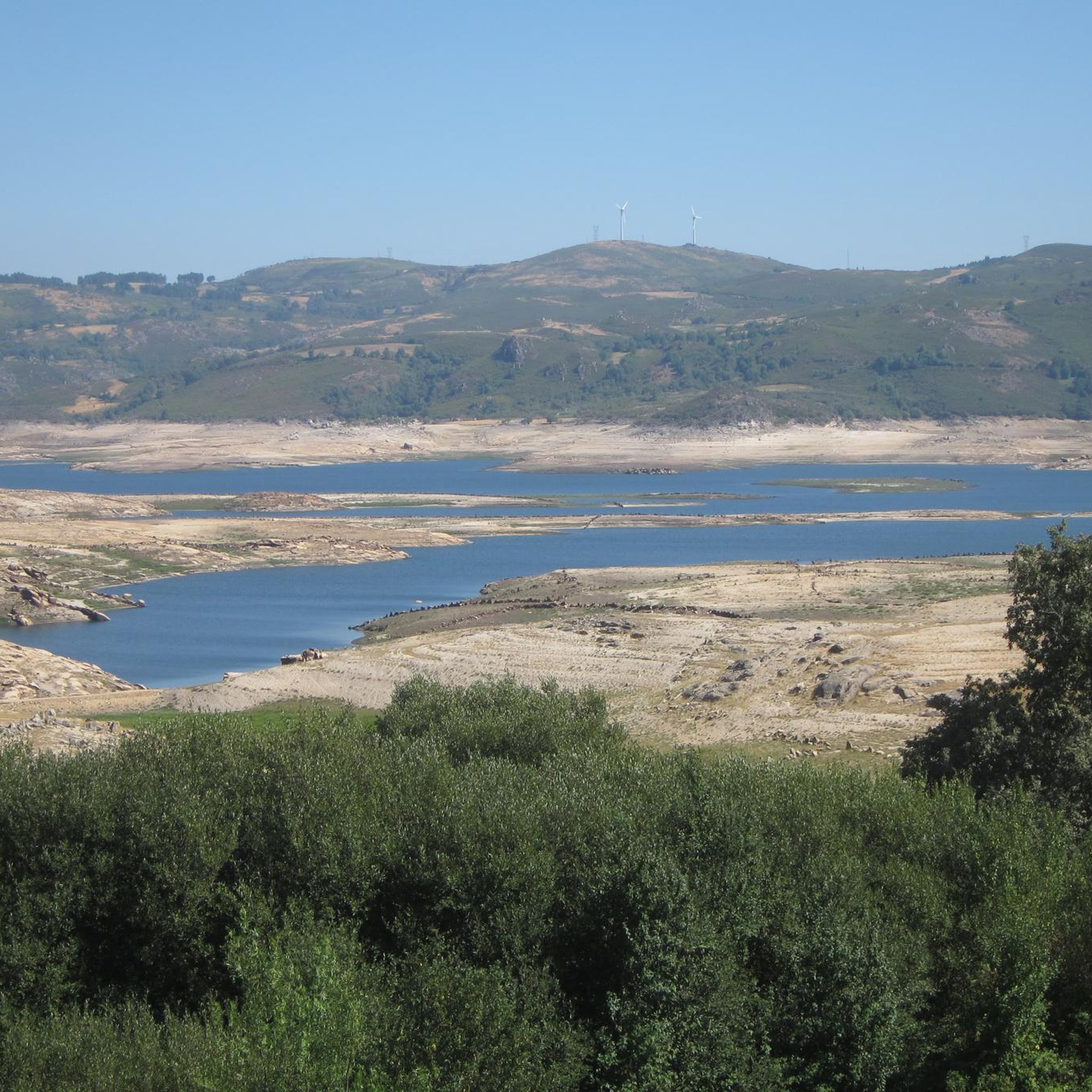
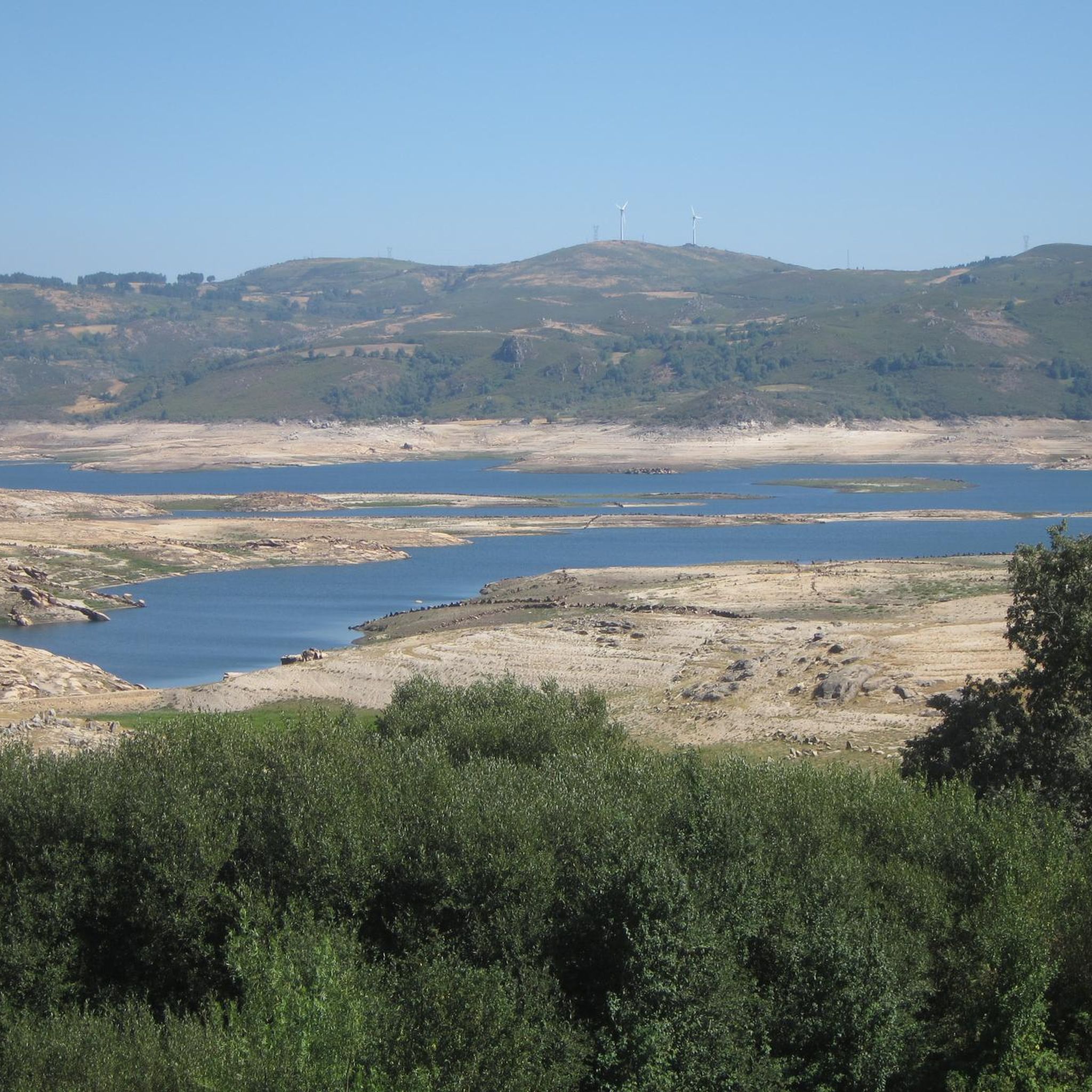
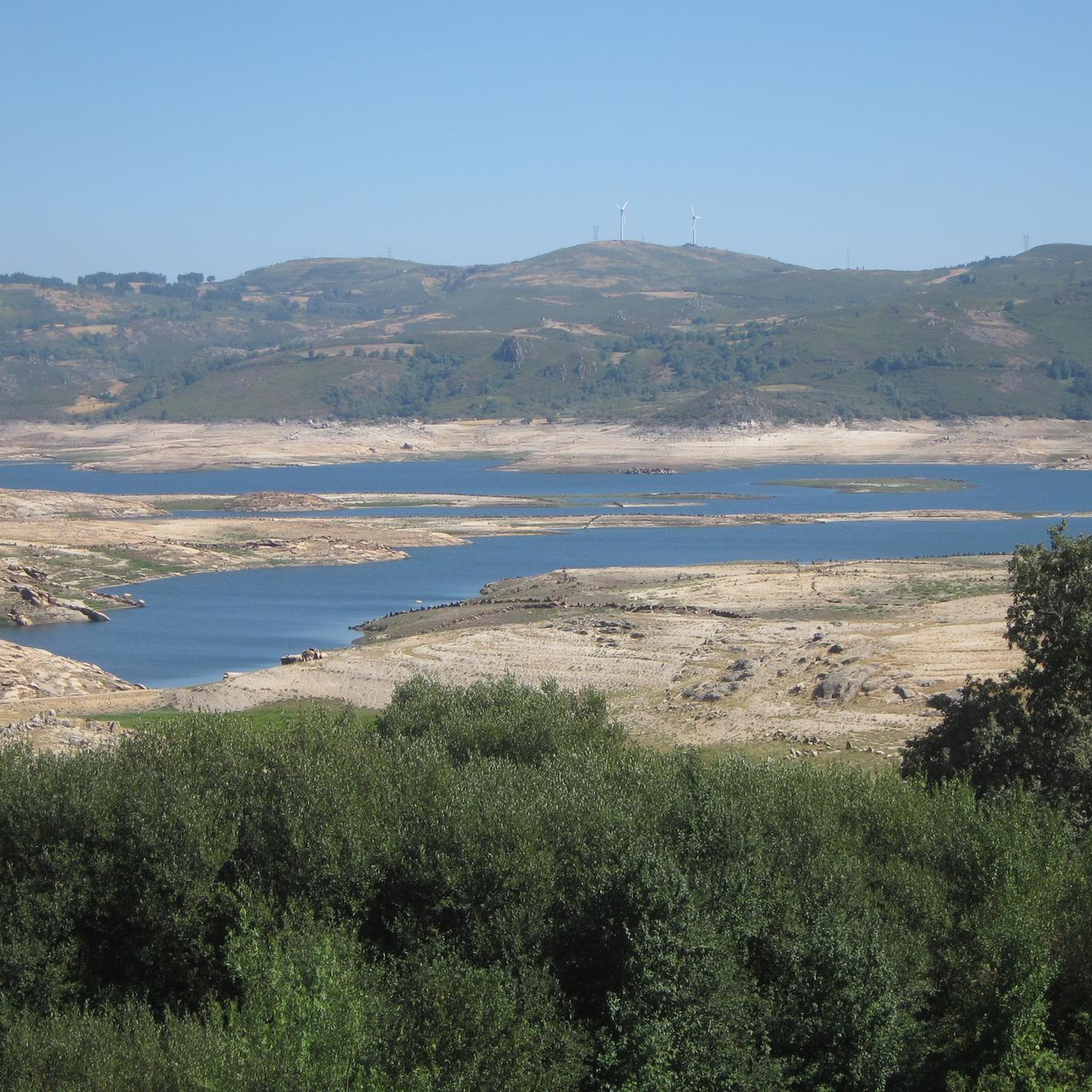
This area is characterized by an unspoiled mountain landscape, typical of the Serra do Gerês and Serra da Cabreira, integral parts of the Peneda-Gerês National Park. The region is known for its wild nature, glacial valleys, mountain pastures and rock formations, elements that contribute to its biodiversity and landscape value.
0
0
Montalegre is a mountain town, characterized by rugged and uncontaminated landscapes. The medieval castle dominates the landscape and in the surroundings there are prehistoric dolmens that keep alive the link with the past.
0
0
This is a church that reflects the traditional architecture of the region, often characterized by simple but robust elements, in line with the surrounding rural environment.
0
0

Chaves is famous for its many spa centres and thermal baths that are said to cure many ailments. Chaves is a small town in the north of Portugal located near the River Tâmega and not far from the border of Spain. The city also boasts some great architecture which dates back to Roman times and a fort which is a reminder of the war of Independence with Spain.
5
0

Original village, known for the monument Torre do Boi.
0
0
Frequently Asked Questions
How many road cycling routes are available around Cambeses Do Rio?
There are 8 road cycling routes available around Cambeses Do Rio, offering a diverse range of experiences from moderate to difficult ascents through the region's undulating terrain.
What kind of terrain can I expect when road cycling in Cambeses Do Rio?
Road cycling in Cambeses Do Rio, located in northern Portugal, is characterized by undulating terrain with significant elevation changes. You'll encounter a mix of rural roads, small villages, and scenic views of the surrounding natural environment, typical of the Minho region.
Are there routes suitable for beginners or less experienced road cyclists?
While there are no routes explicitly rated 'easy', several moderate options provide a good starting point for those with some cycling experience. For example, the Montalegre Circuit – Loop tour is a moderate ride with manageable climbs and descents.
What are some notable landmarks or scenic viewpoints I can see while cycling?
The region offers several points of interest. You might pass by the historic Montalegre Castle, or discover natural wonders like the Pitões das Júnias Waterfall and its corresponding View of Pitões Waterfall. The Monastery of Saint Mary of Pitões das Júnias is another significant historical site.
Are there any circular road cycling routes in the area?
Yes, many of the routes around Cambeses Do Rio are designed as loops. Popular circular options include the Montalegre Circuit – Loop tour, the Igreja de Morgade loop from Penedones, and the challenging N2 Kilometer Zero – Chaves – Montalegre Castle loop from Montalegre.
What is the best time of year for road cycling in Cambeses Do Rio?
The best time for road cycling in this northern Portuguese region is typically during spring (April to June) and early autumn (September to October). During these months, the weather is generally milder and more stable, making for more comfortable rides compared to the hotter summer or potentially wetter winter months.
What do other road cyclists enjoy the most about road cycling in Cambeses Do Rio?
The area is highly rated by the komoot community, with an average score of 4.5 stars. Cyclists often praise the varied terrain, the challenging ascents, and the scenic rural landscapes that define the routes around Cambeses Do Rio.
Are there any particularly challenging road cycling routes for experienced riders?
Yes, for experienced riders seeking a challenge, routes like the N2 Kilometer Zero – Chaves – Montalegre Castle loop from Montalegre, which covers 53.3 miles with significant elevation, or the Montalegre Castle – Montalegre loop from Pitões das Junias, offer demanding ascents and rewarding views.
Can I find places to eat or stay near the cycling routes?
While specific establishments aren't listed in the route details, the presence of small villages along the routes, particularly around Montalegre, suggests you will find local cafes, pubs, and possibly accommodation options. It's advisable to check local listings for services in the towns you plan to pass through.
Is parking available at the trailheads for road cycling routes?
Information on specific parking facilities at trailheads is not detailed. However, in rural areas like Cambeses Do Rio and surrounding villages such as Montalegre or Penedones, you can typically find public parking areas within the towns or near popular starting points for routes.
Are the road cycling routes suitable for families with children?
Given the undulating terrain and the fact that all routes are rated moderate to difficult, the road cycling routes around Cambeses Do Rio are generally more suited for experienced adult cyclists. Families with younger children might find the elevation changes and distances challenging.
Most popular routes around Cambeses Do Rio
Most popular attractions around Cambeses Do Rio

Get inspired with the komoot mobile app


Explore more
Browse the best Road cycling routes in other regions.
