Attractions and Places To See around Outeiro - Top 20
Best attractions and places to see around Outeiro include a mix of historical landmarks, natural features, and cultural sites in Portugal. The region is characterized by its diverse landscape, encompassing lush valleys, rivers, and significant historical structures. Visitors can explore ancient monasteries, medieval bridges, and natural swimming spots. It offers varied opportunities for those interested in both historical heritage and outdoor exploration.
Best attractions and places to see around Outeiro
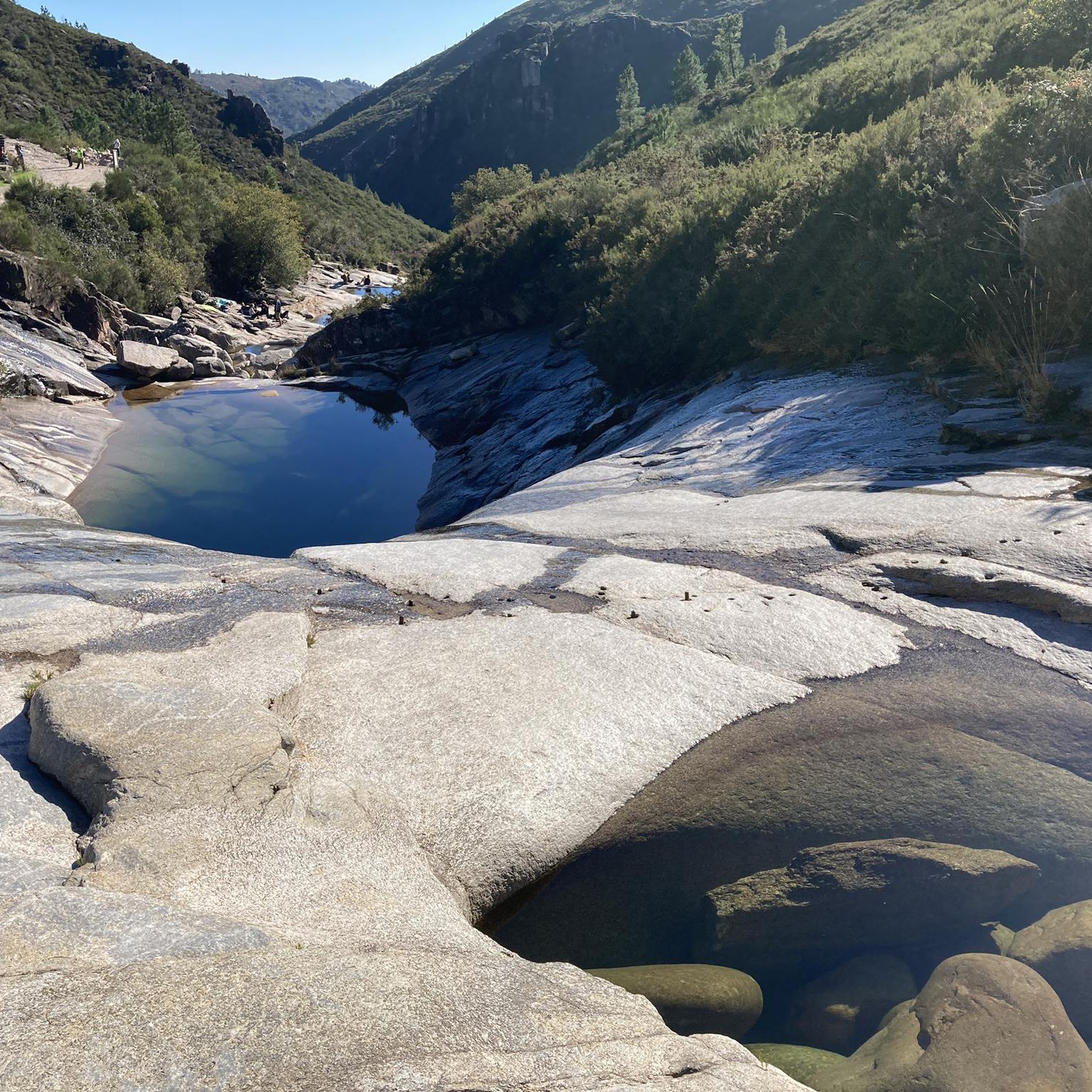
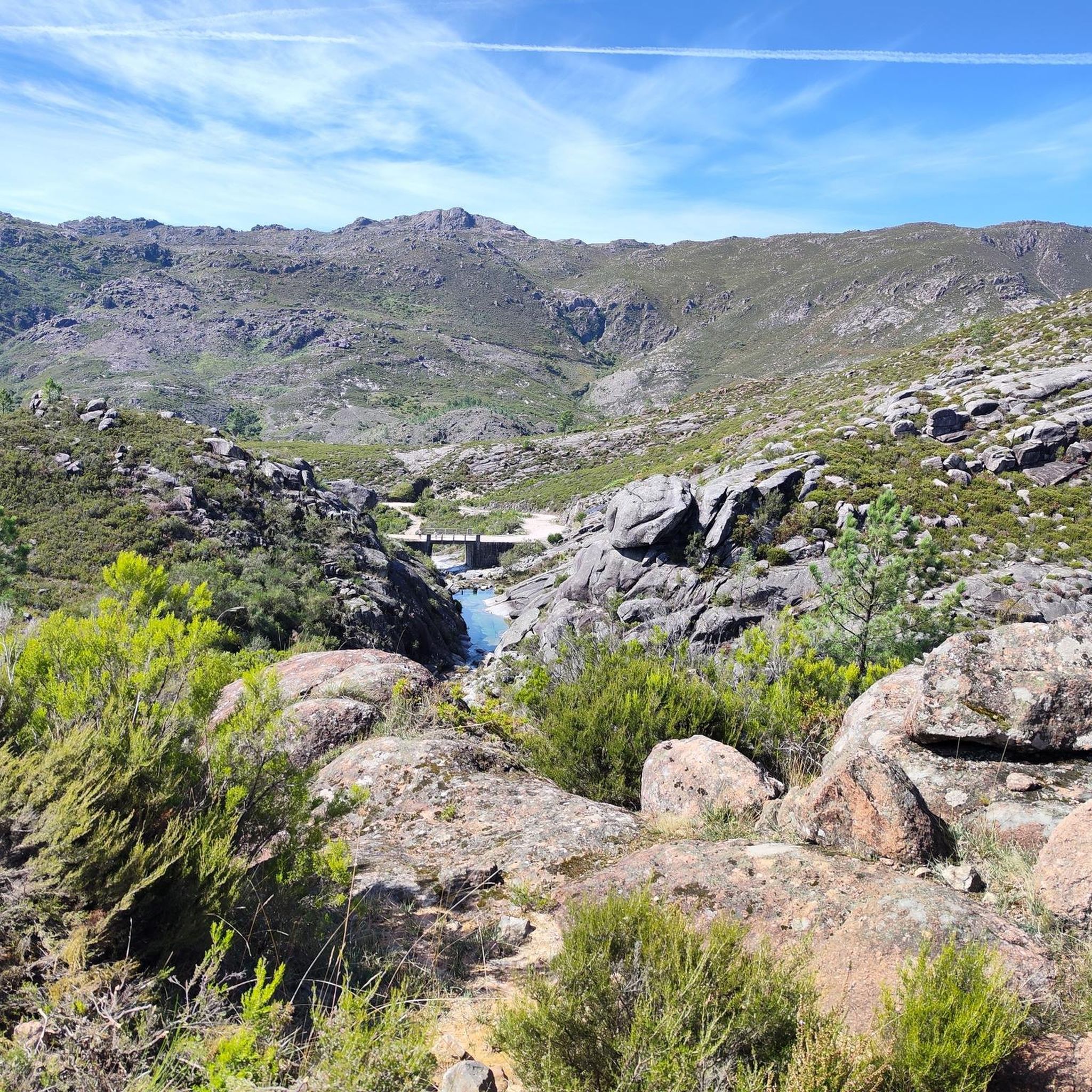
- The most popular attractions is Blue Pool, a natural monument that features a small swimming area. It is known for its clear, cold water and offers a varied hike to reach it.
- Another must-see spot is Monastery of Saint Mary of Pitões das Júnias, a religious building with roots dating back to the 9th century. Founded in the 12th century, its ruins still show original design elements like the church's side portico and cloister arcades.
- Visitors also love Ponte da Misarela and Waterfall, a medieval bridge crossing the Rio Rabagão, accompanied by a waterfall. Reconstructed in the early 19th century, this old arched bridge is accessible via a short hike.
- Outeiro is known for its historical sites, natural monuments, and waterfalls. The region provides a variety of attractions for those interested in history and outdoor exploration.
- The attractions around Outeiro are appreciated by the komoot community, with more than 120 upvotes and 40 photos shared by visitors.
Last updated: August 25, 2026
Blue Pool
Highlight • Natural Monument
If the parking spaces are occupied you can follow the hiking trail over the small bridge. In the following bend there is another parking lot.
Tip by

Monastery of Saint Mary of Pitões das Júnias
Highlight • Religious Site
Notable remains of its original design still remain, such as the simple side portico of the church and the discreet arcades of the cloister, now in ruins.
Translated by Google •
Tip by

Sign up now to discover places like this
Get recommendations on the best single tracks, peaks, & plenty of other exciting outdoor places.
Sign up for free
Ponte da Misarela and Waterfall
Highlight • Bridge
Translated by Google •
Tip by

Cela Cavalos Waterfall
Highlight • Waterfall
Translated by Google •
Tip by
Río Caldo Hot Springs
Highlight • Natural Monument
Translated by Google •
Tip by

Sign up for free to discover even more attractions around Outeiro.
Sign up for free
Already have an account?
Start today with a free account
Your next adventure awaits.
Login or Signup
Tips from the Community

An excellent place to end the tour, as we can always get a hot shower.
0
0

Cela Cavalos Waterfall, or Cela de Cavalos, is a paradisiacal waterfall located in the municipality of Montalegre, in the Peneda-Gerês National Park. With crystal-clear waters, it's a perfect spot for summer swimming, hiking, and nature contemplation. The main access point is from the village of Cela.
0
0
The Monastery of Santa Maria das Júnias is a ruined monastery, of which the church remains, located on the outskirts of Pitões das Júnias. The last Cistercian monk became the parish priest of the village of Pitões das Júnias in 1834, the date of the abolition of religious orders in Portugal. As a historical curiosity, it is worth noting that Dom Pedro de Pitões, one of the main drivers of the conquest of Lisbon from the Moors in 1147, was ordained bishop of Porto at this monastery.
0
0

Hello, I would like to do this trail but I would like to know if you make stops among the points where you took photos and to know how many minutes you stayed at the points. Thank you for your feedback 😊
0
0
The Misarela Bridge, also known as the Devil's Bridge or the Bridge of Hell (we'll explain why below), is one of the most interesting monuments in the North of Portugal. Whether because of the legends, its historical importance or the beautiful landscape in which it is located. The Misarela Bridge is a trestle bridge over a slightly pointed arch, 13 metres high. This was originally a medieval bridge, which was rebuilt in the early 19th century (before the French Invasions) and which gave rise to two famous popular legends and ancient rituals. It has been a property of public interest since 1957 and in this article we will explore all of this, as well as the best ways to get there.
1
0

Hidden in the heights of Pitões das Júnias, the ancient monastery of Santa Maria carries centuries of history in the stones that support it. It is believed that its origins date back to the 9th century, in the middle of the Reconquista era, before Portugal was born as a kingdom. Officially, however, it was founded in the 12th century under the auspices of the Benedictines, and later embraced the austerity of the Cistercian reform. Today, among the silent ruins, the modest side portico of the church and the delicate arcades of the cloister remain.
1
1
The monastery of Santa Maria de Pitões das Júnias has roots that are believed to date back to a period before the founding of the Kingdom of Portugal, in the 9th century, during the Christian Reconquest. However, it is certain that it was founded in the mid-12th century, initially under the Benedictine Order, later adhering to the Cistercian reform. Notable remains of its original design still remain, such as the simple side portico of the church and the discreet arcades of the cloister, now in ruins.
2
0

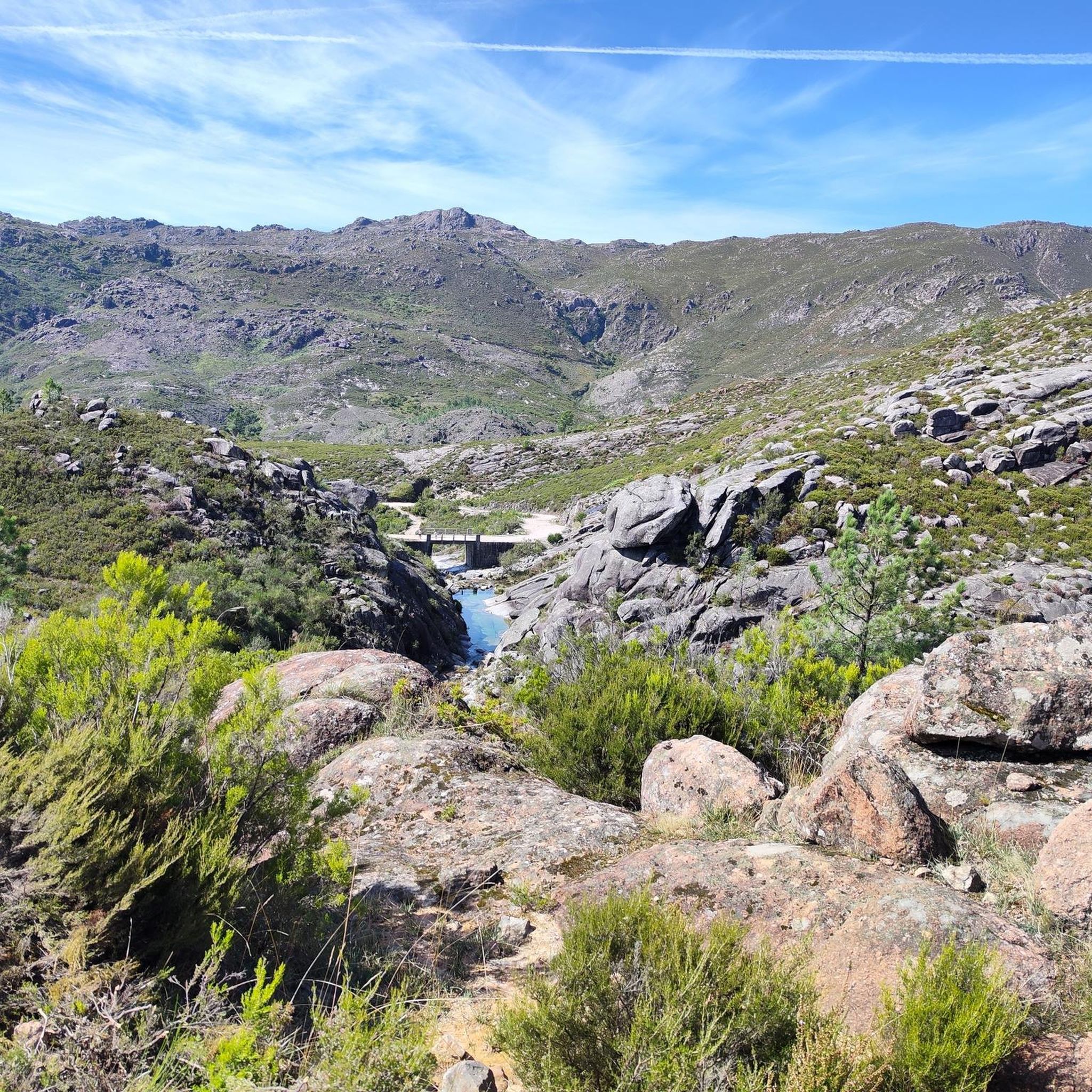
Fascinating landscape, by bike or on foot
0
1
Frequently Asked Questions
What natural features can I explore around Outeiro?
The Outeiro region is rich in natural beauty. You can discover several waterfalls, including the stunning Blue Pool, known for its clear, cold water and varied hike, and the picturesque Cela Cavalos Waterfall with its emerald waters. The area also features the Ponte da Misarela and Waterfall, a medieval bridge alongside a beautiful cascade. Additionally, the extensive Peneda-Gerês National Park is a prominent natural attraction nearby.
Are there opportunities for swimming in natural pools near Outeiro?
Yes, Outeiro offers excellent spots for natural swimming. The Blue Pool is a popular natural monument with a small swimming area, known for its clear, cold water. The Cela Cavalos Waterfall also forms an irresistible natural pool and a delightful lagoon of emerald waters, perfect for a refreshing dip after a hike.
What historical landmarks can I visit in the Outeiro region?
Outeiro boasts several significant historical landmarks. You can explore the medieval Castle Hill of Miranda (Castelo do Outeiro), perched 812 meters above sea level. The Monastery of Saint Mary of Pitões das Júnias, with roots dating back to the 9th century, offers a glimpse into ancient religious history. Don't miss the Ponte da Misarela, a medieval bridge reconstructed in the early 19th century, and the ancient Menhir of Outeiro, a significant megalithic artifact.
Are there any ancient religious sites to see near Outeiro?
Yes, the region has several ancient religious sites. The Monastery of Saint Mary of Pitões das Júnias is a notable religious building with origins possibly predating the Kingdom of Portugal, formally founded in the 12th century. You can still see remains of its original design, such as the church's side portico and cloister arcades. Another site is the Chapel of Our Lady of Health (Capela de Nossa Senhora da Saúde), built in 1774.
What hiking trails are available around Outeiro?
Outeiro and its surroundings offer a variety of hiking trails. You can find routes like the 'Parking lot – View of Pitões Waterfall loop from Pitões das Junias' (easy, 4.87 km) or the 'Cela Cavalos Waterfall loop from Capela de Santa Luzia' (easy, 3.22 km). For more options, including moderate and challenging routes, explore the dedicated Hiking around Outeiro guide.
Can I go cycling near Outeiro's attractions?
Absolutely. The Outeiro region provides several cycling opportunities. You can find routes like the 'Church of San Miguel de Lobios – Lobios Village loop from Lobios' (22.49 km) or longer, more challenging routes such as the 'Dolmen of Casola do Foxo – Río Caldo Hot Springs loop from Os Baños' (98.08 km). For a comprehensive list of routes, check out the Cycling around Outeiro guide and the Road Cycling Routes around Outeiro guide.
Are there any national parks close to Outeiro?
Yes, the extensive Peneda-Gerês National Park is a prominent natural attraction located in the vicinity of Outeiro. It offers breathtaking landscapes, diverse wildlife, and numerous opportunities for outdoor activities like hiking and exploring waterfalls.
What do visitors enjoy most about the attractions around Outeiro?
Visitors particularly appreciate the diverse experiences. For natural sites like the Blue Pool, the clear, cold water and varied, fun hikes are often highlighted. At historical sites such as the Monastery of Saint Mary of Pitões das Júnias, the mystical atmosphere and centuries of history are a draw. The Ponte da Misarela and Waterfall is praised as a must-see for its beautiful old arched bridge and waterfall, especially in spring.
Is Outeiro a good destination for families?
Outeiro offers several attractions that can be enjoyed by families, especially those who appreciate nature and outdoor activities. Natural swimming spots like the Blue Pool and easy hiking trails around waterfalls can be great for family outings. Exploring historical sites like the Castle Hill of Miranda can also be an engaging experience for children.
What is the best time to visit Outeiro for outdoor activities?
The region around Outeiro, with its lush green valleys and rivers, is generally pleasant for outdoor activities from spring through early autumn. Spring offers blooming landscapes, while summer is ideal for enjoying natural swimming spots. Autumn provides comfortable temperatures for hiking. Always check local weather forecasts before planning your trip.
Are there any megalithic structures around Outeiro?
Yes, the Outeiro region is home to the significant Menhir of Outeiro (Penedo Comprido). This granite monolith stands 5.6 meters high and is considered the second largest in Portugal. It dates from the Late Neolithic or Chalcolithic period and is classified as a Portuguese National Monument.
What kind of landscapes can I expect to see in Outeiro?
The landscapes of Outeiro are diverse and breathtaking. You can expect to see lush green valleys, peaceful rivers, and dramatic natural features like waterfalls and natural pools. The region also features historic landmarks nestled within these natural settings, offering a blend of natural beauty and cultural heritage.
Most popular attractions around Outeiro

Get inspired with the komoot mobile app


Explore more
Still not found the Highlight you’re looking for? See guides of the top attractions in other regions:
