Attractions and Places To See around Galafura - Top 20
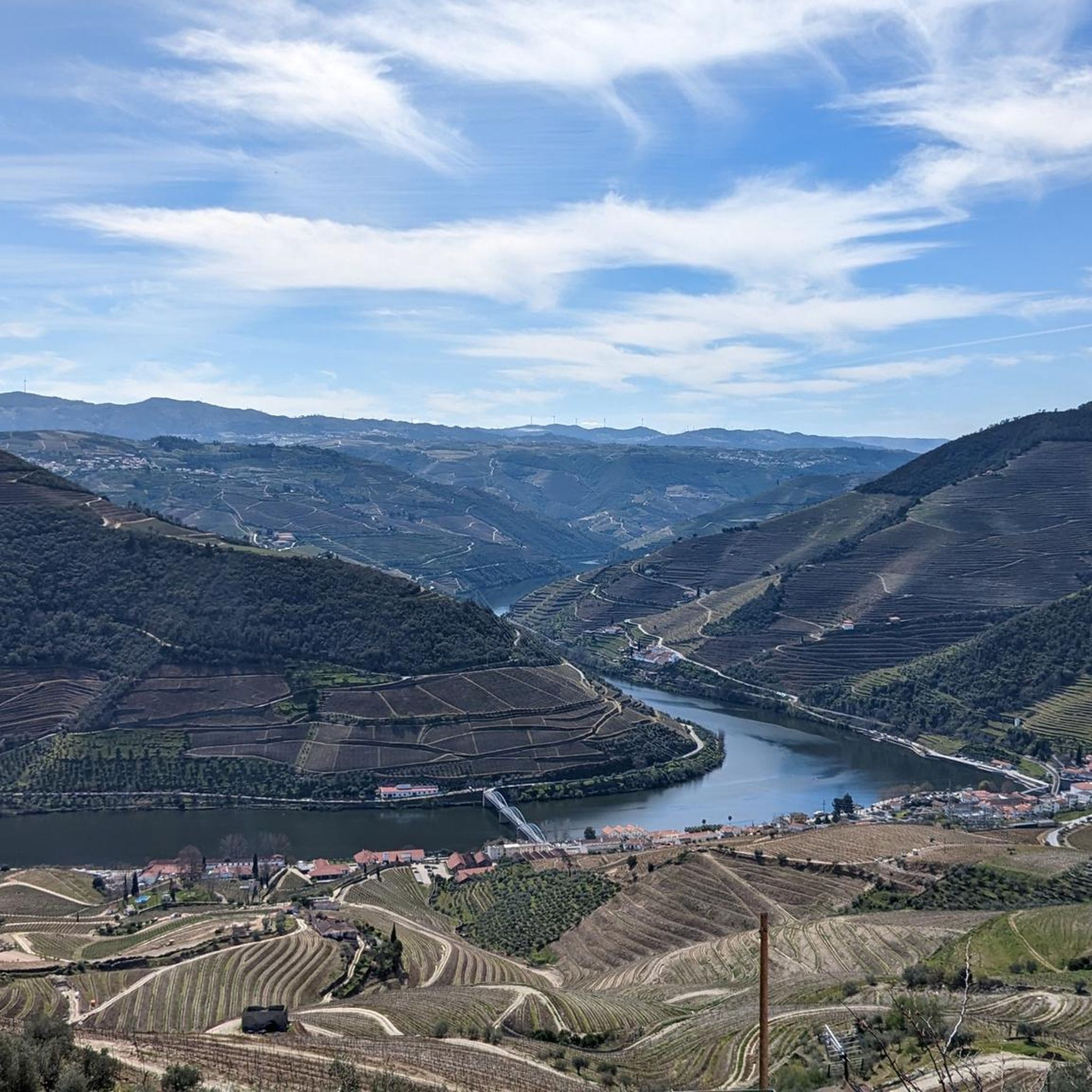
Best attractions and places to see around Galafura, a parish in Northern Portugal, offer panoramic views of the Douro Valley. This region, part of a UNESCO World Heritage site, is characterized by its terraced vineyards and the winding Douro River. Galafura serves as a gateway to a mix of natural beauty, cultural experiences, and historical sites within the wider Douro region.
Best attractions and places to see around Galafura
- The most popular attractions is Régua Pedestrian Bridge, a bridge…
Last updated: October 5, 2026
Pinhão Railway Station
Highlight • Monument
Translated by Google •
Tip by

Marco Pombalino
Highlight • Monument
That “demarcation” had some …
Tip by

Sign up now to discover places like this
Get recommendations on the best single tracks, peaks, & plenty of other exciting outdoor places.
Douro River cruise dock, Peso da Régua
Highlight • Rest Area
Translated by Google •
Tip by

Casa do Douro (House of the Douro)
Highlight • Monument
Translated by Google •
Tip by

Régua Pedestrian Bridge
Highlight • Bridge
Translated by Google •
Tip by
Sign up for free to discover even more attractions around Galafura.
Already have an account?
Start today with a free account
Your next adventure awaits.
Tips from the Community

A worthwhile museum, which scores points despite/or because of its very minimalist presentation of the subject matter. At the end, enjoy a port wine on the terrace of the museum's café.
1
0
The bridge is really well-made. The view from the bridge is beautiful, even though there's still a lot that could be done with the buildings at the end.
2
0

The regional motifs are simply beautiful. You should take some time to enjoy them.
7
0
Great station with its azulejos. If you're staying at a hotel on the hill, it's best to book a taxi in advance. Otherwise, it can be difficult during peak season.
6
0

The Casa do Douro was established in 1932 as the Douro Winemakers' Union Federation. Its headquarters, dating from 1944, with its exterior clad in polished granite, was designed by Portuguese architect José Porto. Inside, noteworthy are the stained-glass window by painter Lino António and the grand hall, with three central crystal chandeliers, shaped like clusters and weighing over a ton, as well as the Pombaline marker identified with the number 1. When the Douro region was first demarcated, 331 granite markers were placed. The Pombaline markers (so named because the demarcation was designed by the Marquis of Pombal) are all different and share the word Feitoria (vinho de feitoria, synonymous with better-quality wine) and the year (1758 or 1761). At the time, wines were classified according to their quality and destination. The best wine, known as Vinho de Feitoria, was sent to England; Vinho de Embarque was exported to Brazil; and Vinho de Ramo was sold in Portugal. The stained glass window of the Casa do Douro, by painter Lino António, encapsulates the entire dynamic of the Douro Demarcated Region. It covers an area of 50m2 and forms a triptych. In the center panel, we see three large figures. The central figure represents the Casa do Douro and holds a scroll that reads "... Casa do Douro, decree 21,883, November 1932." This means that the government, through the aforementioned Decree-Law, created the Union Federation of Winegrowers of the Douro Region in November 1932, now known as Casa do Douro.
2
0

The Casa do Douro was founded in 1932 as a cooperative association of Douro winegrowers. This house, built in 1944, is the original home.
3
0

If there is more than one ship moored at the dock, it is better to avoid the city because it will be too crowded.
3
3
Frequently Asked Questions
What are the best viewpoints to experience the Douro Valley's natural beauty?
The undisputed highlight is the Miradouro de São Leonardo de Galafura, offering unparalleled panoramic vistas of the Douro River winding through its terraced vineyards. It's often described as an 'excess of nature'. Another splendid option in the region is the Double Viewpoint De Loivos, which also provides magnificent views of the Douro landscape.
What historical or cultural sites can I visit near Galafura?
You can explore several historical and cultural sites. The Pinhão Railway Station is famous for its azulejo panels depicting Douro Valley winemaking. The Marco Pombalino marks the historic demarcation of the Douro wine region. Further afield, consider the Douro Museum in Peso da Régua, dedicated to the region's winemaking heritage, or the historic Casa de Mateus with its Baroque architecture and gardens.
Are there family-friendly attractions around Galafura?
Yes, several attractions are suitable for families. The Pinhão Railway Station with its decorative azulejos is engaging for all ages. The Régua Pedestrian Bridge offers a safe and scenic walk over the Douro River, providing views of other bridges and the river itself. Exploring the general area of Régua and the Douro River also offers pleasant experiences for families.
What outdoor activities are available near Galafura's attractions?
The region around Galafura is excellent for outdoor enthusiasts. You can find numerous routes for road cycling, general cycling, and running. For example, there are challenging road cycling loops like the 'Pinhão Metal Bridge – Pinhão Railway Station loop from Armamar' or more moderate cycling routes such as the 'Régua Pedestrian Bridge – Douro Valley loop from Parada do Bispo'. Running trails, including an 'easy Running loop from Armamar', are also available. You can find more details on these activities in the Road Cycling Routes around Galafura, Cycling around Galafura, and Running Trails around Galafura guides.
Are there any accessible attractions in the area?
Yes, several key attractions are noted for their accessibility. The Pinhão Railway Station, the Douro River cruise dock in Peso da Régua, and the Régua Pedestrian Bridge are all considered wheelchair accessible, allowing a broader range of visitors to enjoy these sites.
Where can I find places to eat or relax near the viewpoints?
Near the Miradouro de São Leonardo de Galafura, you'll find the Restaurante São Leonardo, famed for its rustic Portuguese dishes and offering dining with a view. The viewpoint itself also has a tranquil picnic area with stone benches, perfect for relaxing while enjoying the scenery.
Can I experience the region's winemaking heritage?
Absolutely. The Douro Valley is a UNESCO World Heritage site renowned for its winemaking. You can visit the Pinhão Railway Station to see azulejo panels depicting the winemaking process. The Douro Museum in Peso da Régua offers deep insights into the natural and cultural heritage of the Douro Demarcated Region, particularly its winemaking traditions. Additionally, wine estates like Quinta do Seixo - Sandeman in Valença do Douro offer tours and tastings.
What river experiences are available on the Douro?
The Douro River is central to the region's charm. You can embark on river cruises from the Douro River cruise dock in Peso da Régua, offering a unique perspective of the terraced vineyards and landscapes. The Régua Pedestrian Bridge provides a great vantage point over the river, and you can also observe the engineering marvel of the Eclusa da Barragem da Régua (Régua Dam Lock).
When is the best time to visit Galafura and its attractions?
The Douro Valley is beautiful year-round, but many find spring (April-May) and autumn (September-October) ideal. Spring offers lush greenery and blooming almond trees, while autumn brings vibrant colors to the vineyards during harvest season. Local festivities are held at the Miradouro de São Leonardo de Galafura on the penultimate weekend of August, which can be a lively time to visit.
What do visitors particularly enjoy about the attractions around Galafura?
Visitors frequently praise the stunning panoramic views, especially from the Miradouro de São Leonardo de Galafura, often highlighting the 'excess of nature' and the 'geological poem' of the landscape. The azulejo panels at the Pinhão Railway Station are also a major draw, described as 'amazing' and 'awesome' for their depiction of local winemaking. The experience of crossing the Régua Pedestrian Bridge and seeing the Douro from that perspective is also highly rated.
What is the significance of the Marco Pombalino?
The Marco Pombalino is a historic cornerstone that marks the original demarcation of the Douro wine region. These 'marcos' were placed in 1757 under the direction of the future Marquês de Pombal to control the quality and prices of Port wine, establishing the world's first demarcated wine region. They are a tangible link to the rich history of winemaking in the Douro Valley.
Are there any hidden gems or lesser-known spots worth visiting near Galafura?
Beyond the main viewpoints, consider exploring the area around Mount St. Leonardo, which holds historical significance with beliefs of a former Roman fort and the presence of Roman wells. Legends of an enchanted Moorish girl, Dona Mirra, in the local woods also add a mystical charm. The small Chapel of Saint Leonard at the viewpoint offers a quiet, spiritual moment, and the Geodesic Marker signifies the area's highest point.

Get inspired with the komoot mobile app


Explore more
Still not found the Highlight you’re looking for? See guides of the top attractions in other regions:
