Attractions and Places To See around Lobrigos (São Miguel) - Top 20
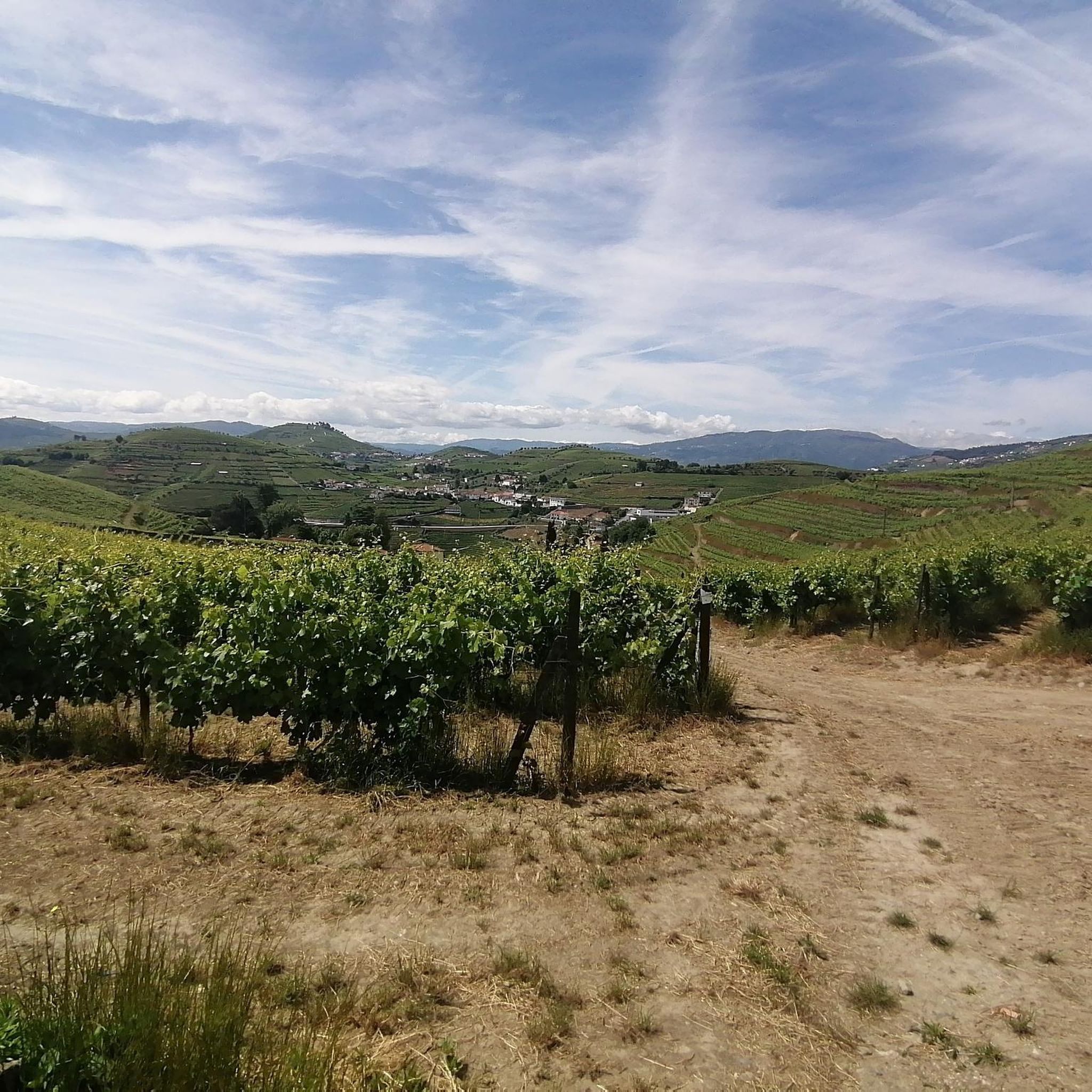
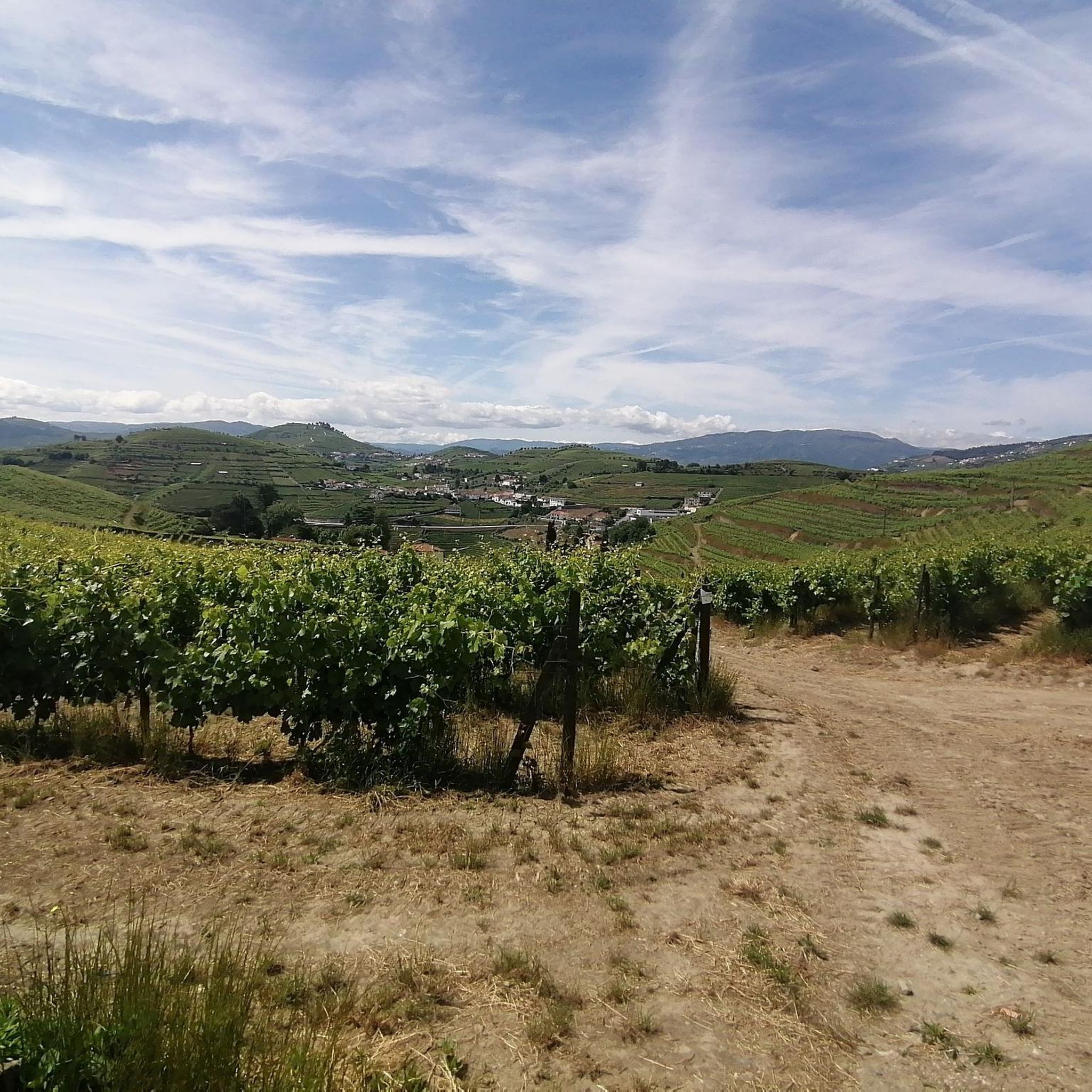
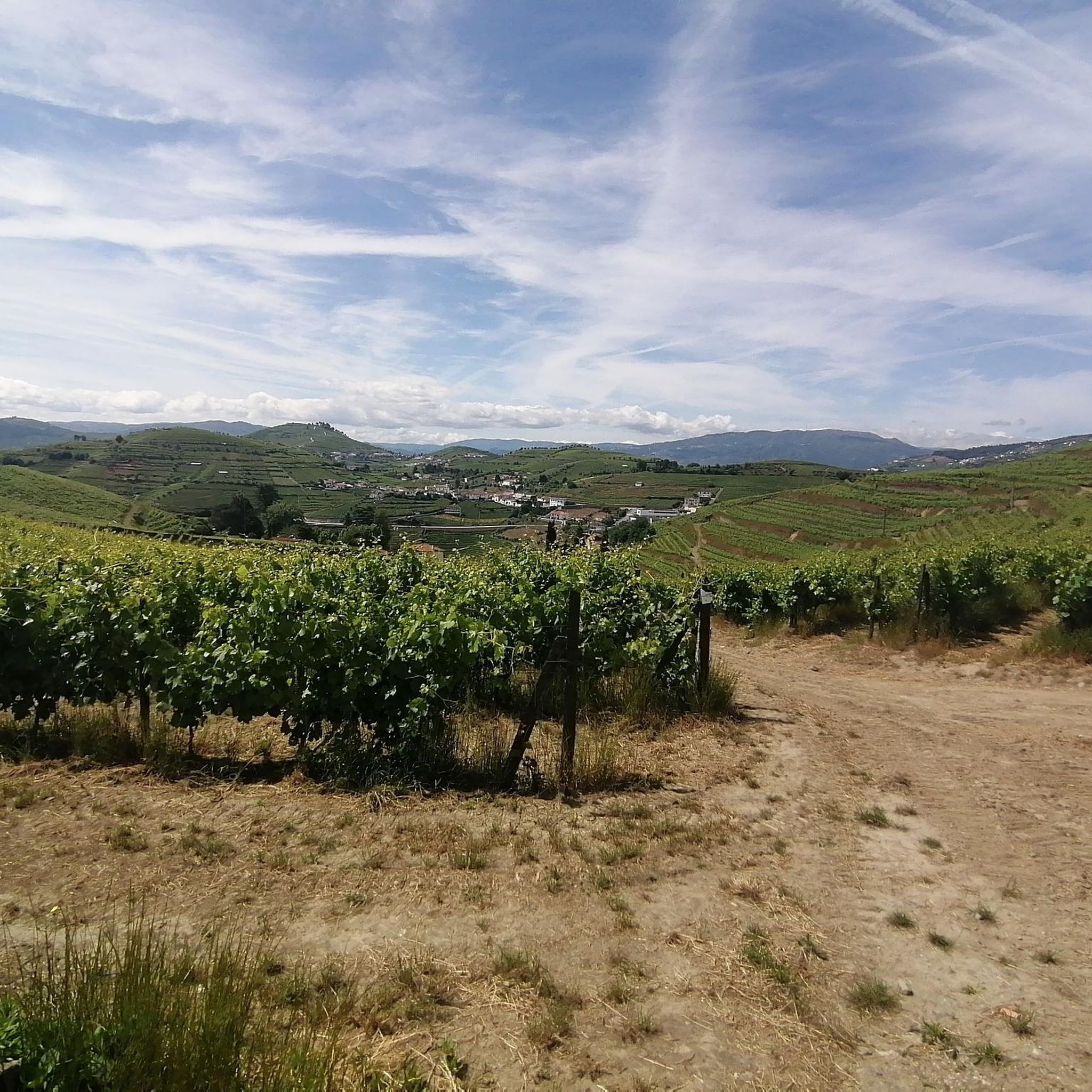
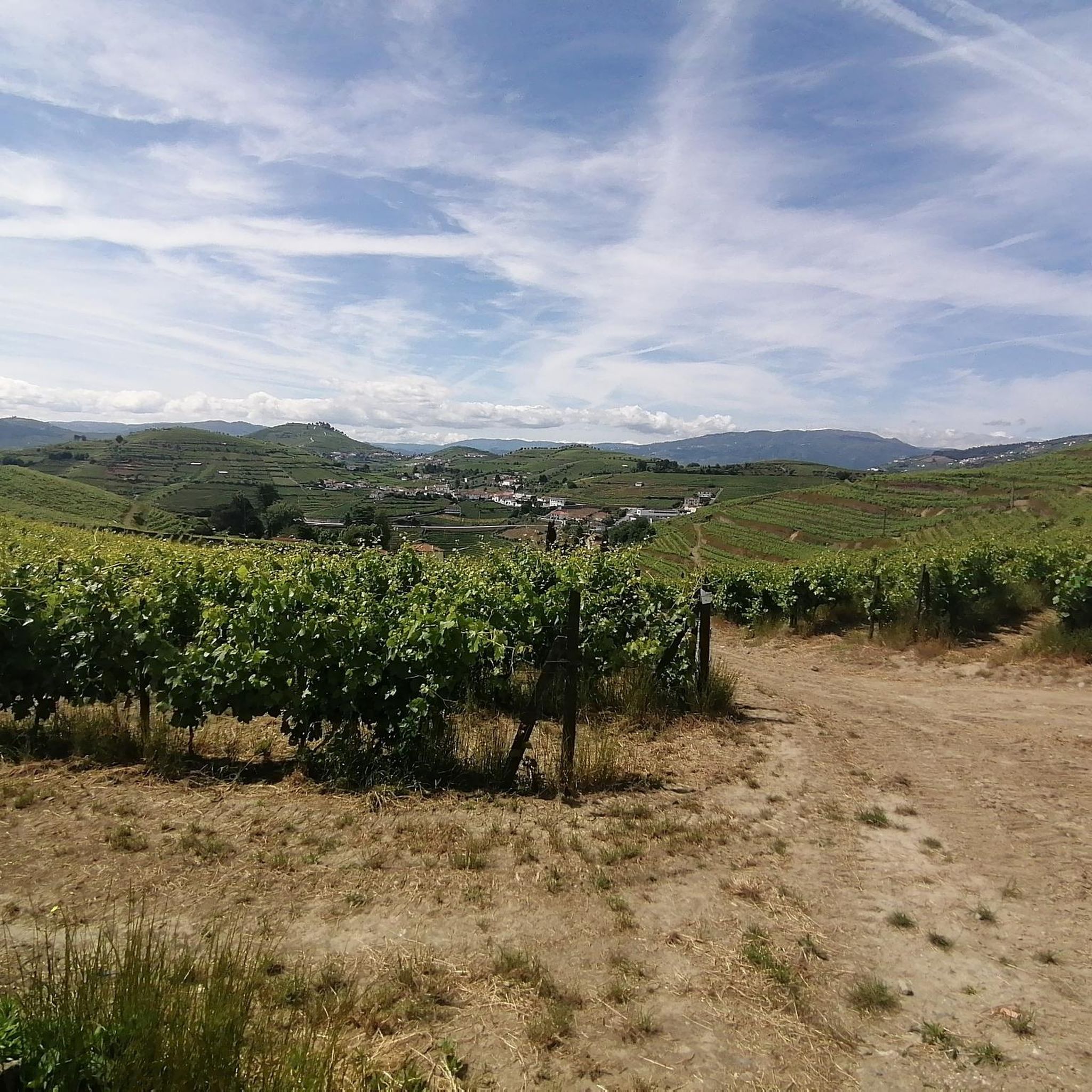
Best attractions and places to see around Lobrigos (São Miguel) is a parish situated in the municipality of Santa Marta de Penaguião, within the Vila Real district of mainland Portugal. This area is characterized by its historical and cultural landmarks, distinct from the Azorean island of São Miguel. The region offers insights into Portuguese heritage and the Douro River landscape. Visitors can explore sites that reflect local history and the viticulture of the Douro Valley.
Best attractions and places to…
Last updated: July 1, 2026
Marco Pombalino
Highlight • Monument
That “demarcation” had some …
Tip by

Douro River cruise dock, Peso da Régua
Highlight • Rest Area
Translated by Google •
Tip by

Sign up now to discover places like this
Get recommendations on the best single tracks, peaks, & plenty of other exciting outdoor places.
Sign up for free
Régua Pedestrian Bridge
Highlight • Bridge
Translated by Google •
Tip by

Mateus Palace
Highlight • Castle
Translated by Google •
Tip by

Casa do Douro (House of the Douro)
Highlight • Monument
Translated by Google •
Tip by

Sign up for free to discover even more attractions around Lobrigos (São Miguel).
Sign up for free
Already have an account?
Start today with a free account
Your next adventure awaits.
Login or Signup

Tips from the Community

A worthwhile museum, which scores points despite/or because of its very minimalist presentation of the subject matter. At the end, enjoy a port wine on the terrace of the museum's café.
1
0
The bridge is really well-made. The view from the bridge is beautiful, even though there's still a lot that could be done with the buildings at the end.
2
0

The Casa do Douro was established in 1932 as the Douro Winemakers' Union Federation. Its headquarters, dating from 1944, with its exterior clad in polished granite, was designed by Portuguese architect José Porto. Inside, noteworthy are the stained-glass window by painter Lino António and the grand hall, with three central crystal chandeliers, shaped like clusters and weighing over a ton, as well as the Pombaline marker identified with the number 1. When the Douro region was first demarcated, 331 granite markers were placed. The Pombaline markers (so named because the demarcation was designed by the Marquis of Pombal) are all different and share the word Feitoria (vinho de feitoria, synonymous with better-quality wine) and the year (1758 or 1761). At the time, wines were classified according to their quality and destination. The best wine, known as Vinho de Feitoria, was sent to England; Vinho de Embarque was exported to Brazil; and Vinho de Ramo was sold in Portugal. The stained glass window of the Casa do Douro, by painter Lino António, encapsulates the entire dynamic of the Douro Demarcated Region. It covers an area of 50m2 and forms a triptych. In the center panel, we see three large figures. The central figure represents the Casa do Douro and holds a scroll that reads "... Casa do Douro, decree 21,883, November 1932." This means that the government, through the aforementioned Decree-Law, created the Union Federation of Winegrowers of the Douro Region in November 1932, now known as Casa do Douro.
1
0

The Casa do Douro was founded in 1932 as a cooperative association of Douro winegrowers. This house, built in 1944, is the original home.
3
0

Very nice and not overcrowded. Parking is free too 😃
4
0
If there is more than one ship moored at the dock, it is better to avoid the city because it will be too crowded.
3
3
Visit the Douro Museum The Douro Museum, as a regional museum, has the mission of representing the natural and cultural heritage of the Douro Demarcated Region, consecrated with the status of World Heritage by UNESCO as a cultural, evolving and living landscape. The Douro Museum headquarters is located in the city of Peso da Régua, the result of the renovation of one of the most emblematic buildings in the history of the Douro Demarcated Region from the 18th century, the Casa da Companhia, inaugurated on 20 December 2008. Combining tradition and modernity, it is a collective space of memory and identity of the wine region, in constant dialogue with the present, and at the same time, as an instrument for promoting the activities associated with winemaking, cultural tourism and wine tourism. It consists of a central space – the Exhibition Area – where the permanent exhibition “Douro: Matter and Spirit” is located. Surrounding this exhibition space are the “A Companhia” Restaurant, the Shop, the Information Centre (Archive and Library), the Reading Room, the Conservation and Restoration Centre, the Wine Bar and the Garden Terrace with views over the Douro River. In the adjacent space there is another building of modern architecture covered with black slate panels, which houses the Educational Service.
3
1
All important information at: https://museudodouro.pt/
3
1
Frequently Asked Questions
What historical and cultural sites can I visit in Lobrigos (São Miguel)?
Lobrigos (São Miguel) is rich in history. The most prominent site is the Igreja Paroquial de São Miguel de Lobrigos, an 18th-century parish church known for its Baroque carvings and unique bell tower. Behind it, you'll find the Chapel of Justa Rita. Further afield, you can explore the magnificent Mateus Palace, a Baroque architectural masterpiece with beautiful gardens, or discover the historical Marco Pombalino, a cornerstone marking the original demarcation of the Douro wine region.
How can I experience the Douro River near Lobrigos (São Miguel)?
The Douro River is central to the region's charm. You can enjoy scenic views from the Régua Pedestrian Bridge, which offers a safe crossing and panoramic vistas of the river and other bridges. For a deeper experience, consider a river cruise from the Douro River cruise dock in Peso da Régua, where you can learn about the viticulture and history of the region. The area around Régua and the Douro River is a hub for port wine and boat trips.
Are there family-friendly attractions around Lobrigos (São Miguel)?
Yes, several attractions are suitable for families. The Mateus Palace offers an engaging visit with its historical architecture and expansive gardens. The Régua Pedestrian Bridge provides a pleasant and safe walk with river views, and exploring the area around Régua and the Douro River can include gentle strolls along the promenade or boat trips, which are often enjoyed by all ages.
What outdoor activities, like hiking or cycling, are available near these attractions?
The area around Lobrigos (São Miguel) offers various outdoor activities. For cycling enthusiasts, there are routes like the "Douro Valley – Régua Pedestrian Bridge loop from Régua" which is 50.3 km long and considered difficult, or easier options like the 11.7 km loop from Régua. You can find more cycling routes in the Cycling around Lobrigos (São Miguel) guide. For those who prefer running, routes like the "Palácio do Conde de Amarante loop from Vila Real" (7.1 km, moderate) are available, detailed in the Running Trails around Lobrigos (São Miguel) guide.
Are there easy hiking trails for a casual walk near Lobrigos (São Miguel)?
Absolutely. If you're looking for an easy walk, consider trails like the "Régua and the Douro River – Régua Pedestrian Bridge loop from Godim," which is about 6 km, or the "Régua Riverside Promenade – Casa do Douro (House of the Douro) loop from Peso da Régua," a 5 km easy route. These trails offer pleasant experiences along the river. More options can be found in the Easy hikes around Lobrigos (São Miguel) guide.
What is the significance of the Marco Pombalino?
The Marco Pombalino refers to the historic cornerstones placed in the 18th century to demarcate the Douro wine region. These markers were established under the guidance of the Marquês de Pombal to control the quality and prices of Port wine, making it one of the world's first legally demarcated wine regions. It's a significant historical monument reflecting the birth of the Denominação de Origem Controlada (DOC) system for wines.
Are there any wheelchair-accessible attractions in the area?
Yes, some attractions are noted for their accessibility. The Régua Pedestrian Bridge is wheelchair-accessible, offering a smooth path to enjoy views of the Douro River. The Douro River cruise dock in Peso da Régua is also designed to be wheelchair-friendly, allowing access to river cruise experiences.
What do visitors particularly enjoy about the attractions near Lobrigos (São Miguel)?
Visitors frequently praise the stunning views of the Douro River, especially from the Régua Pedestrian Bridge. Many appreciate the opportunity to learn about the region's rich viticulture and history through river cruises from the Douro River cruise dock. The architectural beauty and peaceful gardens of the Mateus Palace are also highly regarded, with visitors noting its serene atmosphere and historical significance.
Where can I find more information about the Igreja Paroquial de São Miguel de Lobrigos?
The Igreja Paroquial de São Miguel de Lobrigos is a significant religious and architectural site. For detailed historical and architectural information, you can consult the official Portuguese cultural heritage database at monumentos.gov.pt.
What kind of natural features can I expect to see around Lobrigos (São Miguel)?
The primary natural feature dominating the landscape around Lobrigos (São Miguel) is the majestic Douro River. You'll encounter breathtaking river views, especially from viewpoints like the Régua Pedestrian Bridge and the general area of Régua and the Douro River. The terraced vineyards that line the riverbanks, integral to the port wine industry, also form a significant and picturesque part of the natural and cultivated landscape.
Most popular attractions around Lobrigos (São Miguel)

Get inspired with the komoot mobile app


Explore more
Still not found the Highlight you’re looking for? See guides of the top attractions in other regions:
