Attractions and Places To See around Mouçós - Top 18
Best attractions and places to see around Mouçós, located in the Vila Real District, offer a blend of historical, natural, and cultural sites. The region features significant landmarks and natural features, providing diverse points of interest for visitors. Mouçós is known for its historical architecture, scenic natural spots, and unique cultural sites. These characteristics contribute to the varied landscape and points of interest Mouçós presents.
Best attractions and places to see around Mouçós
- The most popular attractions is Mateus Palace…
Last updated: July 1, 2026
Mateus Palace
Highlight • Castle
Translated by Google •
Tip by

Ecopista do Corgo: Vila Real to Parada de Aguiar
Highlight (Segment) • Cycleway
Tip by

Sign up now to discover places like this
Get recommendations on the best single tracks, peaks, & plenty of other exciting outdoor places.
Sign up for free
Gregos Waterfall
Highlight • Waterfall
Translated by Google •
Tip by
Church of São Dinis
Highlight • Religious Site
Tip by

Granaries of Galegos da Serra
Highlight • Monument
Translated by Google •
Tip by

Sign up for free to discover even more attractions around Mouçós.
Sign up for free
Already have an account?
Start today with a free account
Your next adventure awaits.
Login or Signup


Tips from the Community

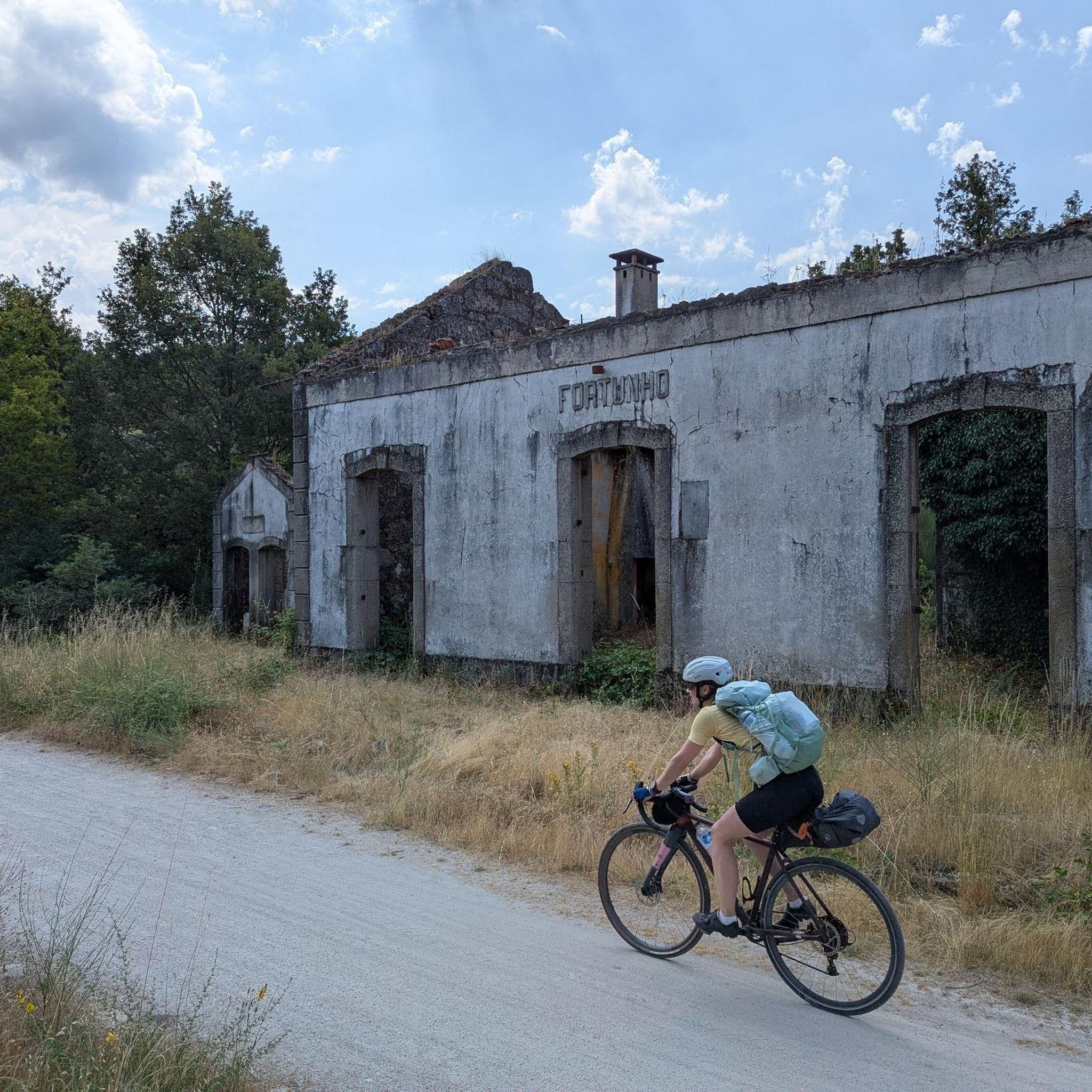
Old train station
1
0

Very nice and not overcrowded. Parking is free too 😃
4
0

Beautiful scenic byway and alternative route to Chavez. Definitely useful with some proper touring tires, to avoid punctures.
1
0

Be careful, some sections are of poor quality, stones, risk of punctures
2
0

Granaries are icons of northern Portugal, built in stone or a combination of stone and wood. Elongated in shape and built on pillars, they are used to store corn cobs, allowing them to dry through the side gaps, while protecting them from birds and rodents.
3
0
A natural pearl, away from the large tourist crowds 😃. Easy to reach by car, plenty of parking available.
6
1

Beautiful spot on the Ribeira de Arnal, just to watch the water rippling or to jump in. There is a road with a parking lot directly above.
3
1

This spectacularly sited church was probably constructed in C14. Its simple frame is resolutely Romanesque, although there are some later additions, notably the bell tower. A tomb housed in the adjacent chapel, marked with a sword and two half moons, is presumed to belong to Lourenço Viegas, son of Egas Moniz, tutor of Dom Afonso Henriques, the first king of Portugal.
0
0
Frequently Asked Questions
What historical attractions can I visit around Mouçós?
Mouçós is rich in historical sites. You can explore the magnificent Mateus Palace, known for its Baroque architecture, beautiful gardens, and richly carved wooden interiors. Another significant historical site is the Church of São Dinis, a 14th-century Romanesque church with later additions, including a bell tower and a tomb believed to belong to Lourenço Viegas. Don't miss the unique Granaries of Galegos da Serra, iconic stone structures used for storing corn, which are a testament to traditional agricultural practices in northern Portugal.
Are there any natural beauty spots or waterfalls near Mouçós?
Yes, the Gregos Waterfall is a must-see natural pearl. It's described as being away from large tourist crowds, easily accessible by car with ample parking, and a beautiful spot on the Ribeira de Arnal perfect for watching the water or even swimming.
What outdoor activities are available around Mouçós?
The region offers various outdoor activities, especially hiking and cycling. You can explore the Ecopista do Corgo: Vila Real to Parada de Aguiar, a scenic cycleway that is partly paved. For hiking, there are numerous trails, including easy options like the Corgo Boardwalks – Capela Nova loop from Vila Real, or moderate routes such as the Corgo Boardwalks – Church of São Dinis loop. You can find more details on these routes in the Hiking around Mouçós guide and the MTB Trails around Mouçós guide.
Are there family-friendly attractions in Mouçós?
Absolutely! Both the Mateus Palace and the Gregos Waterfall are considered family-friendly. The palace offers beautiful gardens for children to explore, while the waterfall provides a refreshing spot for a family outing and even swimming.
Where can I go for a swim near Mouçós?
The Gregos Waterfall is an excellent spot for cooling off and swimming. It's a natural pearl on the Ribeira de Arnal, easily accessible and away from large crowds.
What is the Ecopista do Corgo and where does it go?
The Ecopista do Corgo is a cycleway that stretches from Vila Real to Parada de Aguiar. It offers a scenic route for cyclists, with sections becoming paved as it enters Vila Pouca de Aguiar county. Be aware that some sections may have poor quality surfaces.
What are the Granaries of Galegos da Serra?
The Granaries of Galegos da Serra are iconic man-made monuments in northern Portugal. These elongated structures, built from stone or a combination of stone and wood and raised on pillars, were historically used to store corn cobs. Their design allowed the corn to dry through side gaps while protecting it from pests.
What is the significance of the Church of São Dinis?
The Church of São Dinis is a historically significant religious building, likely constructed in the 14th century. Its simple Romanesque frame, along with later additions like the bell tower, makes it an interesting architectural site. It also houses a tomb believed to belong to Lourenço Viegas, a notable figure in early Portuguese history.
Are there easy hiking routes around Mouçós?
Yes, there are several easy hiking routes available. For example, you can enjoy the Corgo Boardwalks – Capela Nova loop from Vila Real, which is 3.4 km long, or the Gregos Waterfall loop from Calçada de Galegos da Serra, which is 4.1 km. More options can be found in the Easy hikes around Mouçós guide.
What is the best time of year to visit Mouçós for outdoor activities?
While specific climate data isn't provided, generally, spring and autumn offer pleasant temperatures for outdoor activities like hiking and cycling. Summer can be warm, ideal for visiting the Gregos Waterfall for a swim, while winter might require appropriate gear for cooler, potentially wetter conditions on trails.
Is there parking available at the Gregos Waterfall?
Yes, the Gregos Waterfall is easily accessible by car, and there is ample parking available directly above the spot.
What unique cultural legends are associated with the Mouçós area?
In the village of Ponte, within the parish of Mouçós, there's a chapel named Santo Cabeço with a local legend. It's said to have been built by 'mouros encantados' (enchanted Moors). Locals continue the tradition of putting their heads in a hole in its south-facing wall, either to hear a whisper resembling sea waves or to alleviate headaches.

Get inspired with the komoot mobile app


Explore more
Still not found the Highlight you’re looking for? See guides of the top attractions in other regions:
