Attractions and Places To See around okres Kežmarok - Top 20
Attractions and places to see around okres Kežmarok include a variety of historical landmarks, cultural sites, and natural features. This region in Slovakia is characterized by its unique blend of ancient castles, UNESCO-listed wooden churches, and parts of the Pieniny and High Tatras National Parks. The area offers diverse landscapes, from river gorges to mountain peaks, providing opportunities for outdoor exploration.
Best attractions and places to see around okres Kežmarok
- The most popular attractions is Dunajec River Gorge, a gorge that features a scenic gravel cycle path connecting Slovakia to Poland. The path offers views of limestone rocks along the river, and rafting is a popular activity.
- Another must-see spot is Červený Kláštor Monastery, a religious building situated above the Dunajec River. This 14th-century monastery houses a museum that educates visitors about the monks' lives, traditional natural medicine, and the region's history.
- Visitors also love Kežmarok Old Town and Castle, a historical site encompassing the historic center of Kežmarok and its 16th-century castle. The town is a municipal historical reserve with well-preserved Renaissance houses, and the castle functions as a museum.
- okres Kežmarok is known for its historical sites, natural features, and religious buildings. The region offers a variety of attractions to see and explore, from ancient castles and unique churches to national parks and river gorges.
- The attractions around okres Kežmarok are appreciated by the komoot community, with more than 50 highlights, over 400 photos, and more than 500 upvotes.
Last updated: July 1, 2026
Dunajec River Gorge
Highlight (Segment) • Gorge
Tip by

View of Trzy Korony
Highlight • Viewpoint
Translated by Google •
Tip by

Sign up now to discover places like this
Get recommendations on the best single tracks, peaks, & plenty of other exciting outdoor places.
Sign up for free
Červený Kláštor Monastery
Highlight • Religious Site
Translated by Google •
Tip by
Footbridge over the Dunajec
Highlight • Bridge
Translated by Google •
Tip by

Chapel at Łapszanka Pass
Highlight • Religious Site
Tip by

Czerwony Klasztor
Highlight • Historical Site
The construction of the monastery was ordered by Master Kokosz Berzeviczy for committing a murder - in the 14th century. He was supposed to build 6 monasteries and order 4000 masses! - to make sure that the soul of the murdered would have peace.
The whole history of this monastery is turbulent, and it is worth reading about it - pieniny.net.pl/atrakcje-czerwony-klasztor.html
Admission fee, but not expensive. Open every day.
Translated by Google •
Tip by

Traditional Wooden Houses of Osturňa
Highlight • Historical Site
Osturňa’s architecture - traditional wooden houses - is protected by the Slovak government. In the village you can visit the only Orthodox church along the Tatravelo route. 84% of the population declare themselves Orthodox. They are the descendants of the Rusyns (Ruthenians, Lemkos), now an official NATIONAL minority in Slovakia, but their history is complex, their distinct identity was never officially accepted by the countries they lived in (Poland, Russia, Austro-Hungary, Ukraine).
As mentioned, Osturňa is the westernmost settlement of the Lemkos. They are traditionally Orthodox and use the Cyrillic script. Sadly, after 1947, no Lemko villages survived north from the Carpathian mountains (on the Polish side and also in Ukraine, further east). They were victims of the Operation Vistula (Operacja Wisła in Polish) which meant a relocation of some 140.000 people from their homes in Bieszczady and Beskidy mountains to territories gained on Germany, some 400 - 500 km further west. Its aim was to get rid of the partisans groups that kept fighting against the Soviets after WW2 by relocating and dividing them. At least, in the communist Poland many of the Lemkos improved their life quality (by receiving post-German, generally bigger farms, brick houses, running water) - a contrary to what happened to the Lemkos within Soviet Ukraine who, in the same period, were deported to Kazakhstan and Siberia and forced to an extreme poverty.
From the seven nations that formed Sub-Tatra regions (German-Saxon, Hungarian, Polish, Slovak, Gypsy, Jews, Ruthenians) only four groups are still here nowadays. Local Lemkos are the fourth, the smallest group (after the Polish, Slovak and Gypsies).
In Osturňa, don’t miss the pub (nº 159, Jan Pavlik, Pri Mlyne). You’ll feel like back in the Soviet 80-ies.
Tip by
Kežmarok Old Town and Castle
Highlight • Historical Site
More information: de.wikipedia.org/wiki/Ke%C5%BEmarok#Sehensw%C3%BCrdbaren
Translated by Google •
Tip by

Basilica of the Holy Cross (Bazilika Povýšenia svätého Kríža), Kežmarok
Highlight • Religious Site
Source: Wikipedia
Translated by Google •
Tip by

New Evangelical Church (Nový Evanjelický Kostol)
Highlight • Religious Site
The ceremonial start of construction on the site of a filled-in moat in front of the city wall, on a donated lot, took place in 1872. Local builder Viktor Lazary oversaw the construction. The new building was roofed until 1880, but due to lack of money the construction had to be interrupted for 11 years. Only on December 2, 1894 could the completed church be consecrated.
Translated by Google •
Tip by
Sign up for free to discover even more attractions around okres Kežmarok.
Sign up for free
Already have an account?
Start today with a free account
Your next adventure awaits.
Login or Signup
Popular around okres Kežmarok
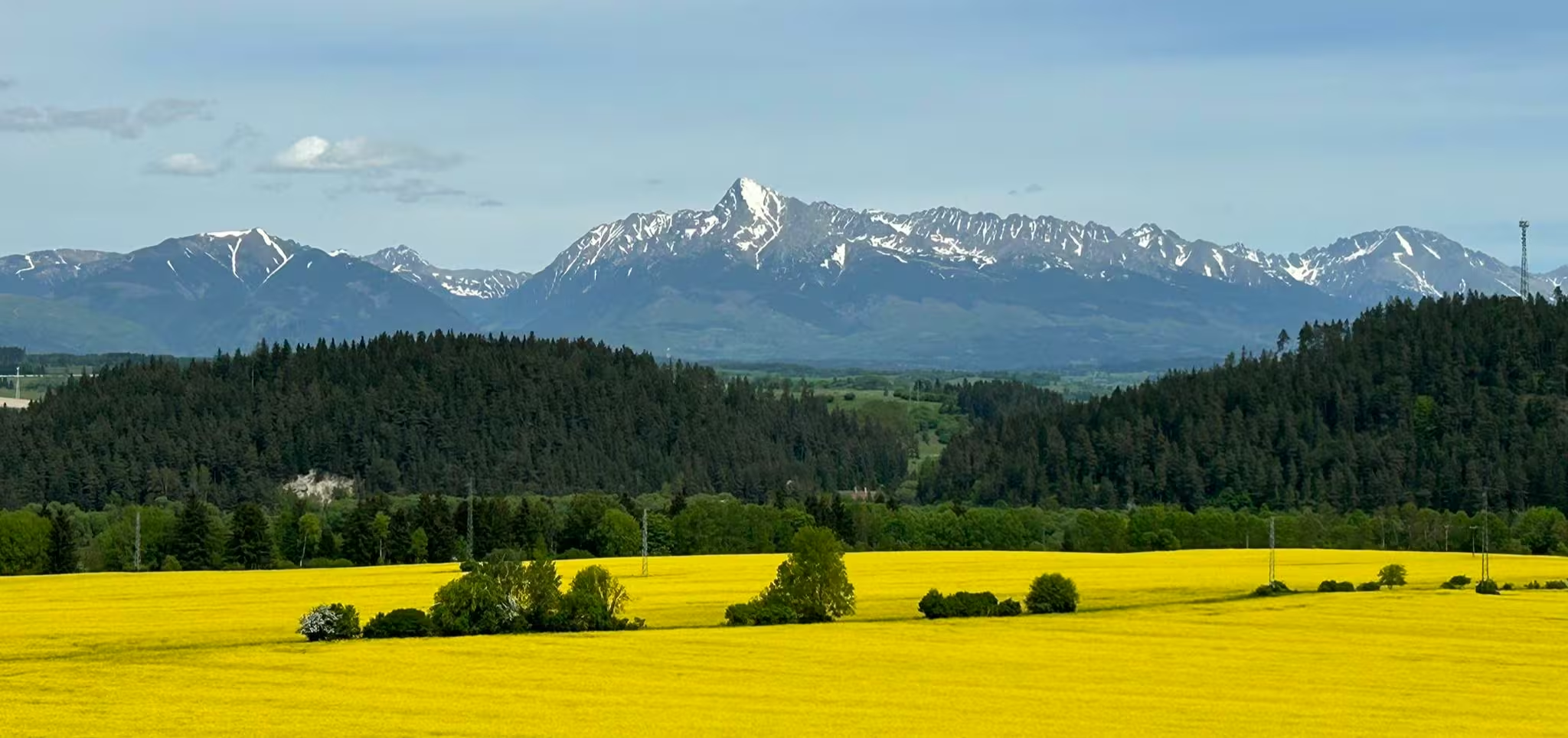
Discover the majesty of the mountains - Tour Around the Tatra Mountains (SWT)
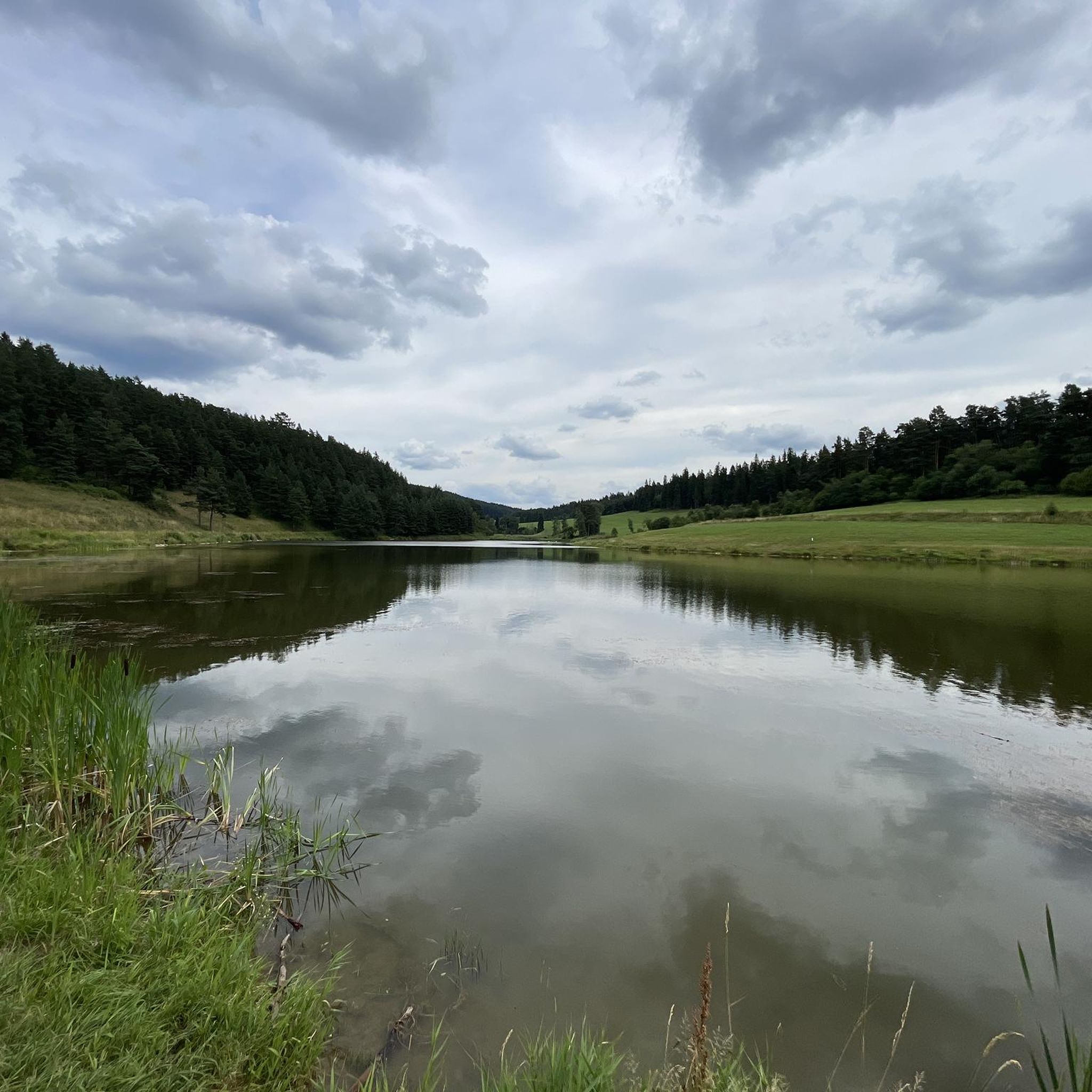
Hiking around okres Kežmarok
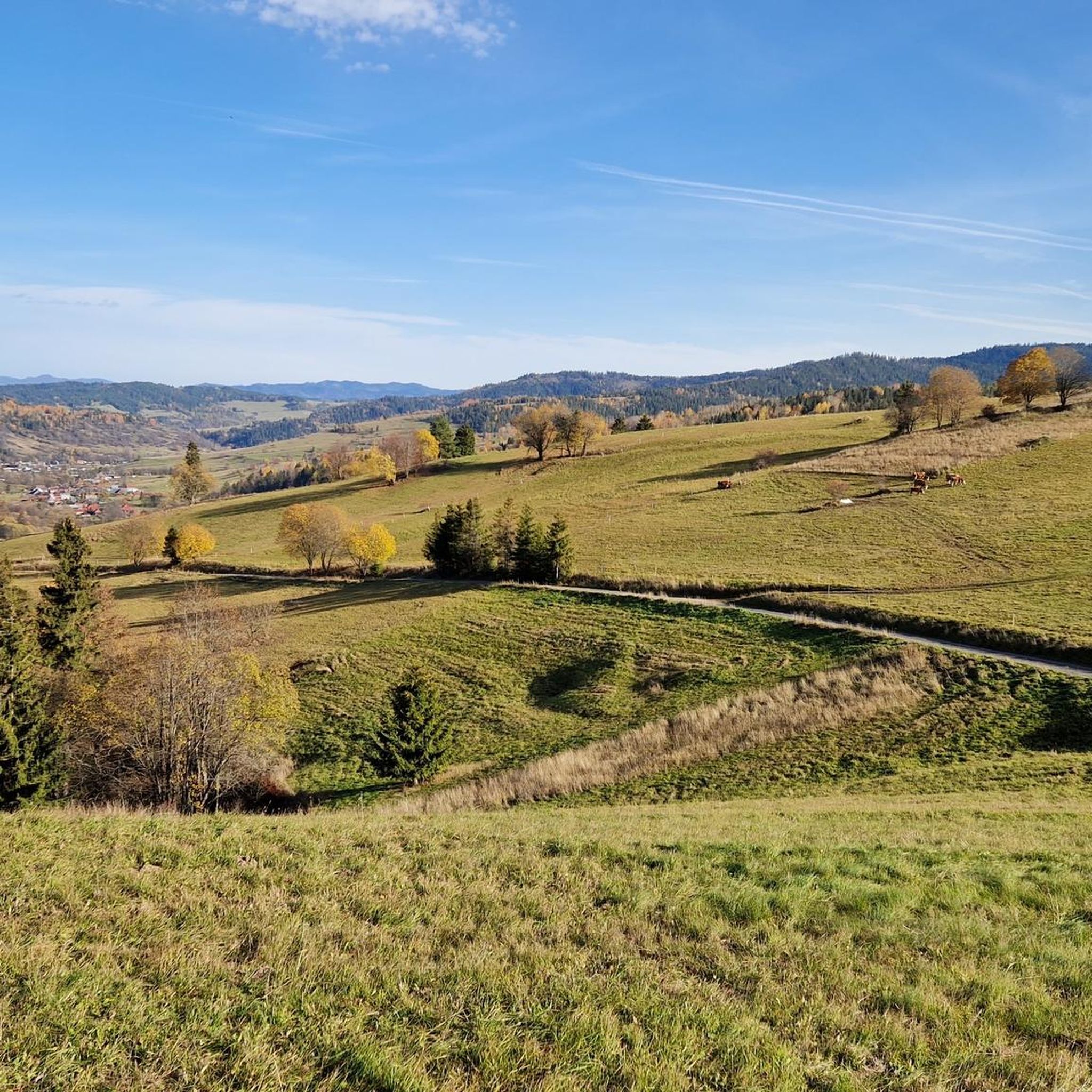
Cycling around okres Kežmarok
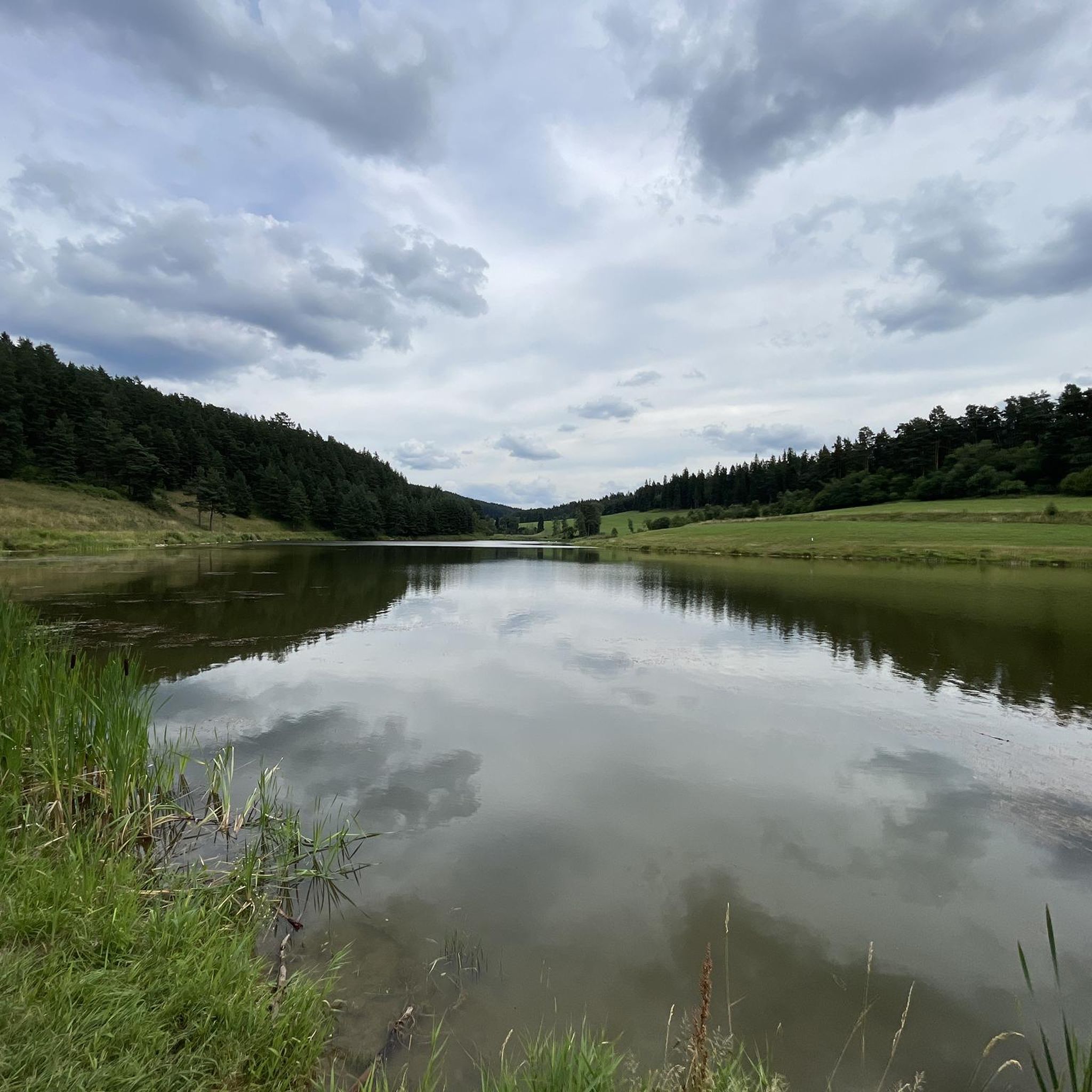
Road Cycling Routes around okres Kežmarok
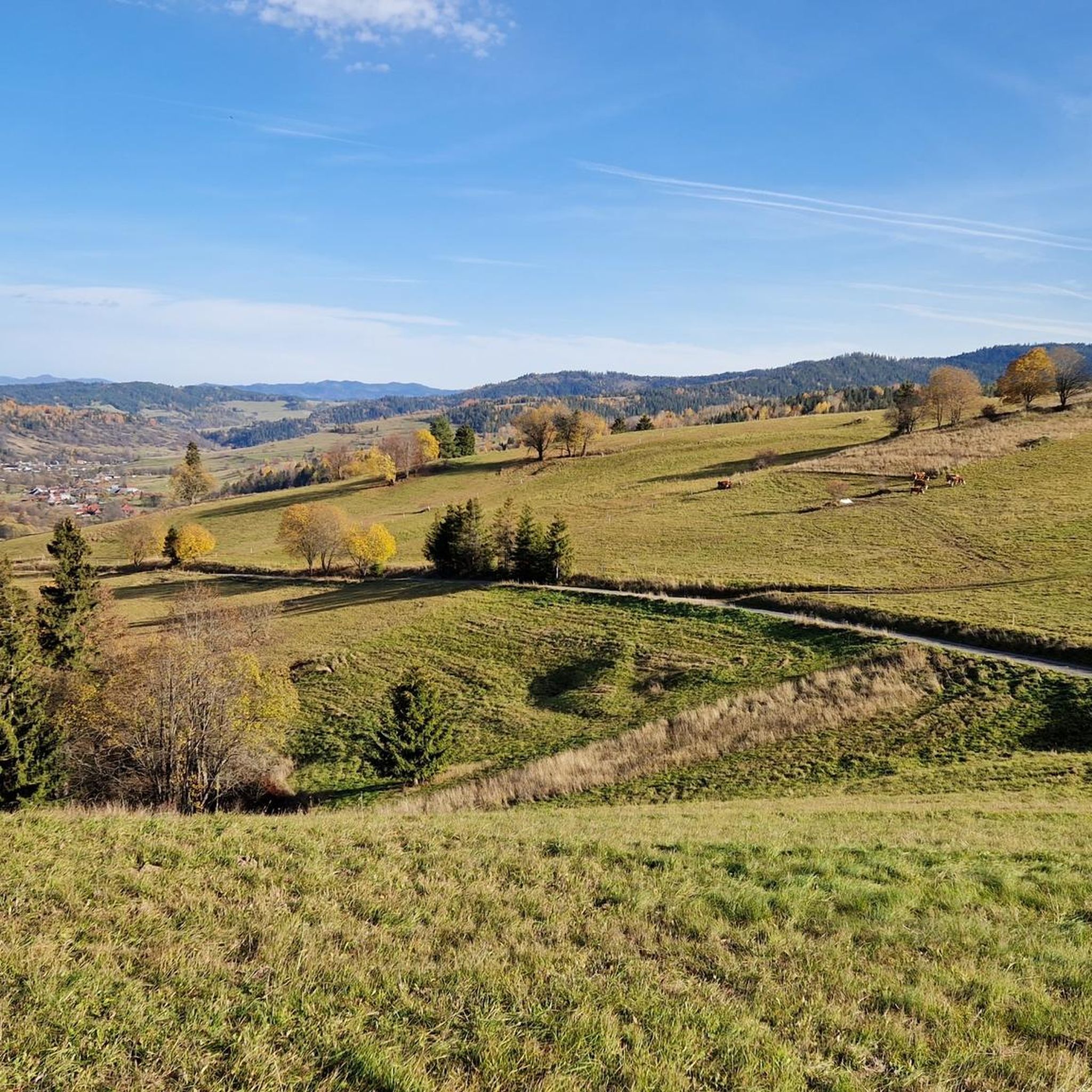
Running Trails around okres Kežmarok
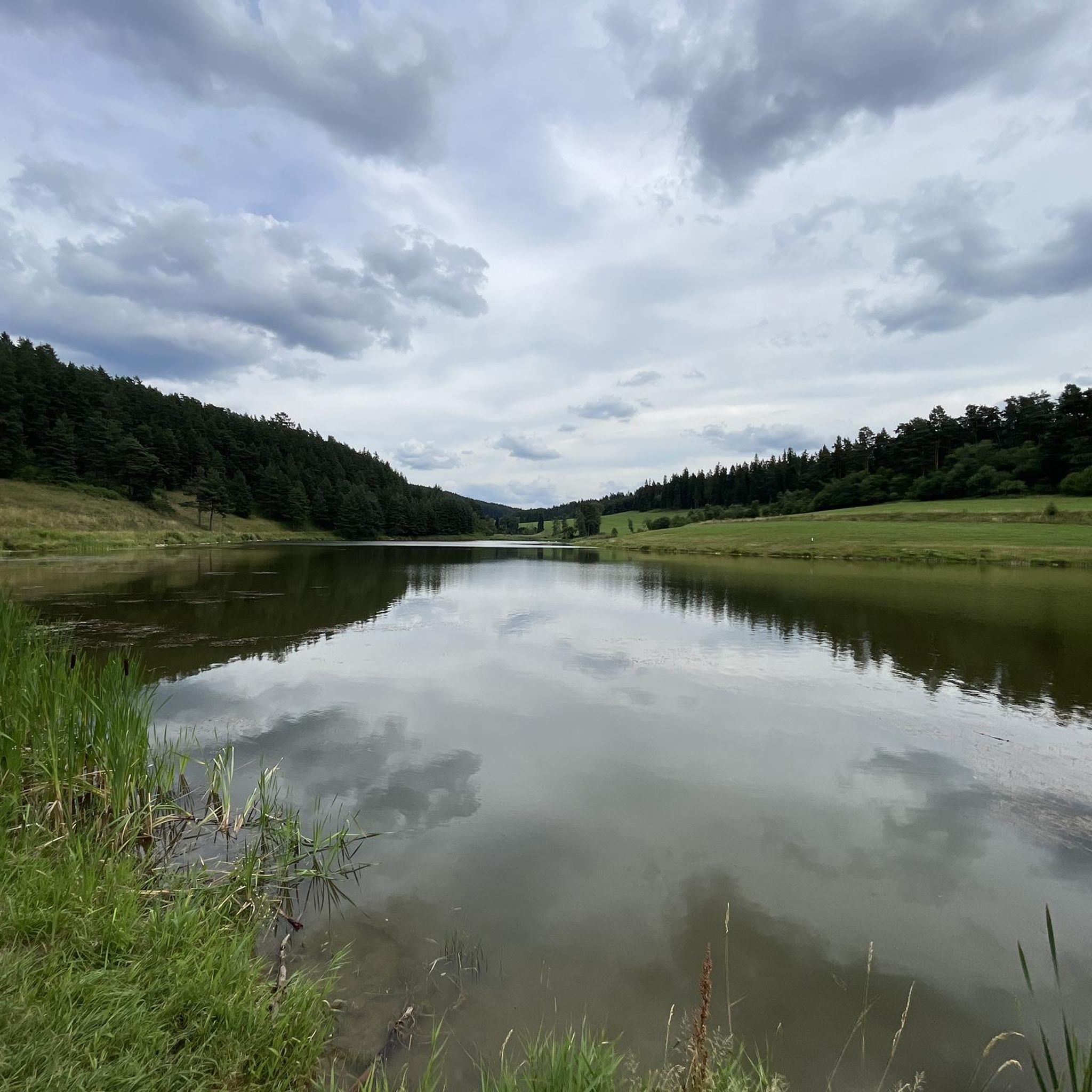
MTB Trails around okres Kežmarok
Mountain Hikes around okres Kežmarok

Gravel biking around okres Kežmarok
Other adventures around okres Kežmarok

Tips from the Community

A mega important place on the Pieniny Road.
0
0

I recommend this route, it's best after the season 😁
0
0

Beautiful route, amazing views.
3
0
Great views, great route. Highly recommended.
3
0

The Basilica Minor of the Holy Cross is the youngest and, in terms of its dimensions (internal dimensions: length 51m, width 22m, height of the main nave 15.75m), one of the largest Spiš Gothic three-nave churches and is among the most beautiful late Gothic monuments of Spiš. The oldest parts of the church date from the beginning of the 14th century, but its current appearance is the result of reconstruction in the second half of the 15th century. In 1998, the church was elevated and decorated with the title of Basilica Minor by Pope John Paul II and became the first non-Marian basilica in Slovakia. During the months of MAY to OCTOBER, the Basilica is open to the public on weekdays from 10:00 a.m. to 2:00 p.m. In other months, on weekdays from 11:00 a.m. to 1:00 p.m. More details at: https://www.fara-kezmarok.sk/bazilika-svateho-kriza
0
0

Červený Kláštor is a picturesquely situated Carthusian and Camaldolese monastery in the Slovak part of Pieniny, right above the Dunajec River, opposite Sromowce Nižné. The building dates back to the 14th century and is famous for the figure of the monk Cyprian – a legendary herbalist and traveller. Today, there is a museum here, which allows you to learn about the life of the monks, old natural medicine and the history of the region. The monastery is located on a popular cycling route and is a great place to rest and explore. Access is possible both from the Polish side via a bicycle footbridge and from the Slovak side via an asphalt road.
4
0
The view of the Three Crowns from the pedestrian and bicycle footbridge over the Dunajec River at the Red Monastery is one of the most recognizable views of the Pieniny Mountains. From this place, you can see the characteristic limestone peaks of the Three Crowns rising above the river gorge, and the footbridge itself is a great vantage point and a stop on the VeloDunajec cycling route or the Trail Around the Tatras. It is also an ideal place for a short break - you can take a photo here, sit by the river or visit the nearby monastery.
5
0

A climatic town with lots of pubs. Worth wandering around and having a bite to eat.
0
0
Frequently Asked Questions
What historical landmarks can I explore in okres Kežmarok?
Okres Kežmarok is rich in history. You can visit the 16th-century Kežmarok Old Town and Castle, which now functions as a museum. Another significant site is the 14th-century Červený Kláštor Monastery, situated above the Dunajec River, offering insights into monastic life and traditional medicine.
Are there any unique cultural or religious sites to see?
Yes, the region boasts several unique cultural and religious sites. The Basilica of the Holy Cross in Kežmarok is a listed late Gothic church from the 15th century with valuable art. Don't miss the UNESCO-listed Wooden Articular Church of the Holy Trinity, a 17th-century Protestant church built entirely without metal nails. The New Evangelical Church, with its distinctive red and green facade, is also notable.
What natural attractions are there for outdoor enthusiasts?
Nature lovers will enjoy the Dunajec River Gorge, known for its scenic gravel cycle path and rafting opportunities. The Pieniny National Park, partly within the district, offers unique landscapes and rare plant species, with the Trzy Korony (Three Crowns) peak providing spectacular views. The region is also a gateway to the High Tatras, offering mountain activities.
Are there family-friendly attractions in okres Kežmarok?
Many attractions in okres Kežmarok are family-friendly. The Červený Kláštor Monastery and Kežmarok Old Town and Castle are suitable for all ages. The Dunajec River Gorge offers cycling and rafting, which can be fun for families. Additionally, the Treetop Walk Bachledka provides a unique perspective of the forest from above, and Thermal Park Vrbov offers relaxation and recreation.
What kind of hiking trails can I find in the area?
Okres Kežmarok offers a variety of hiking trails. You can find easy hikes like the 4.8 km loop around Treetop Walk Bachledka or a 5 km loop from View of Trzy Korony to Červený Kláštor Monastery. For more options, explore the easy hikes around okres Kežmarok guide.
Are there cycling routes available near the attractions?
Absolutely! The Dunajec River Gorge features a popular gravel cycle path connecting Slovakia to Poland. You can also find various road cycling routes, such as a moderate 35 km route from Dunajec River in Szczawnica to Červený Kláštor Monastery. For more cycling adventures, check out the Road Cycling Routes around okres Kežmarok guide.
What are some hidden gems or less-known spots in the region?
Beyond the main attractions, consider visiting the Traditional Wooden Houses of Osturňa for a glimpse into local heritage. The Chapel at Łapszanka Pass offers stunning views after a challenging uphill, and the Museum of Burgher Housing Culture in Kežmarok provides insight into 18th and 19th-century Spiš bourgeoisie life.
What do visitors enjoy most about the Dunajec River Gorge?
Visitors highly praise the Dunajec River Gorge for its amazing views of limestone rocks along the river, especially from the gravel cycle path. Many describe it as a first-class adventure with unforgettable scenery, noting the unique flora and fauna of the area. Rafting is also a very popular activity.
Can I find mountain biking trails in okres Kežmarok?
Yes, the region offers several mountain biking opportunities. You can explore routes like the moderate 37 km Czerwony Klasztor – Szczawnica loop from Spišská Stará Ves, or the more challenging 62 km SNP Propeller Memorial – Kežmarok Castle loop from Kežmarok. Discover more options in the MTB Trails around okres Kežmarok guide.
What is the best time to visit okres Kežmarok?
The best time to visit depends on your interests. Summer is ideal for hiking, cycling, and rafting in the Dunajec River Gorge and exploring historical sites. Winter offers opportunities for sports enthusiasts at the Ski Resort Tatranská Lomnica, which is a short distance from Kežmarok, and other mountain activities in the High Tatras.
What is special about the Červený Kláštor Monastery?
The Červený Kláštor Monastery is a picturesque 14th-century Carthusian and Camaldolese monastery known for its stunning location above the Dunajec River. It houses a museum detailing the lives of monks, traditional natural medicine, and the region's history. Legend also tells of the 'flying monk' Cyprian, an 18th-century herbalist and scholar who lived there.
Are there any viewpoints offering panoramic scenery?
Yes, the region offers several excellent viewpoints. The View of Trzy Korony from the pedestrian and bicycle footbridge over the Dunajec River provides one of the most recognizable views of the Pieniny Mountains. The Chapel at Łapszanka Pass also offers expansive views of the surrounding mountains.
Most popular routes around okres Kežmarok
Most popular attractions around okres Kežmarok

Get inspired with the komoot mobile app


Didn’t find what you were looking for?
Are you keen on exploring more awesome places nearby? Browse our guides:
Explore more
Still not found the Highlight you’re looking for? See guides of the top attractions in other regions:
