Attractions and Places To See around Brda - Top 20
Best attractions and places to see around Brda include rolling vineyards, charming villages, and a rich cultural heritage. This region offers diverse attractions across its scenic hills, characterized by extensive vineyards, cherry orchards, and olive groves. Visitors can explore historical landmarks, natural features, and numerous cycling paths. Brda provides opportunities to discover its unique landscape and cultural sites.
Best attractions and places to see around Brda
- The most popular attractions is Soca Cycle Path, a cycle_way that connects Gorizia…
Last updated: October 4, 2026
Soca Cycle Path
Highlight • Cycleway
Translated by Google •
Tip by

Šmartno
Highlight • Settlement
Translated by Google •
Tip by

Sign up now to discover places like this
Get recommendations on the best single tracks, peaks, & plenty of other exciting outdoor places.
Šmartno Village
Highlight • Settlement
Translated by Google •
Tip by
Mejnik Observation Tower
Highlight • Monument
Translated by Google •
Tip by
Dobrovo Castle
Highlight • Castle
Translated by Google •
Tip by
Gravel Section Along the Judrio
Highlight (Segment) • Cycleway
Tip by

Judrio Stream, from the Slovenian side – Golo Brdo
Highlight • River
Solid surface, very few eroded patches, no potholes, no gutters, paved in exposed areas such …
Translated by Google •
Tip by

Krčnik Natural Monument
Highlight • Natural Monument
Translated by Google •
Tip by

Srečko Kumar Monument
Highlight • Monument
Translated by Google •
Tip by

Vinska Klet Wine Cellar and Shop
Highlight • Structure
Translated by Google •
Tip by
Sign up for free to discover even more attractions around Brda.
Already have an account?
Start today with a free account
Your next adventure awaits.
Popular around Brda
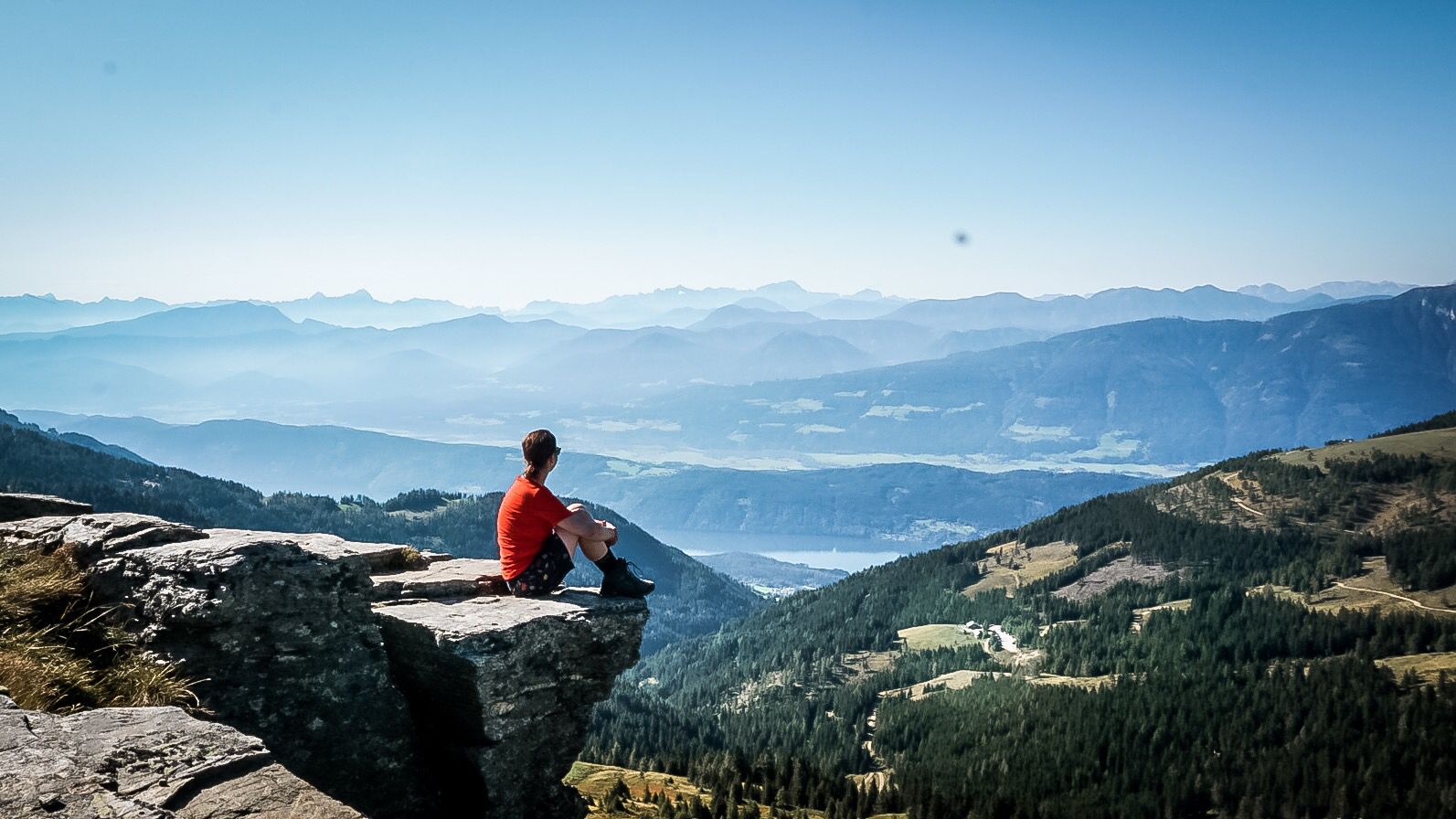
Alpe-Adria-Trail: My long-distance hike from the glacier to the sea
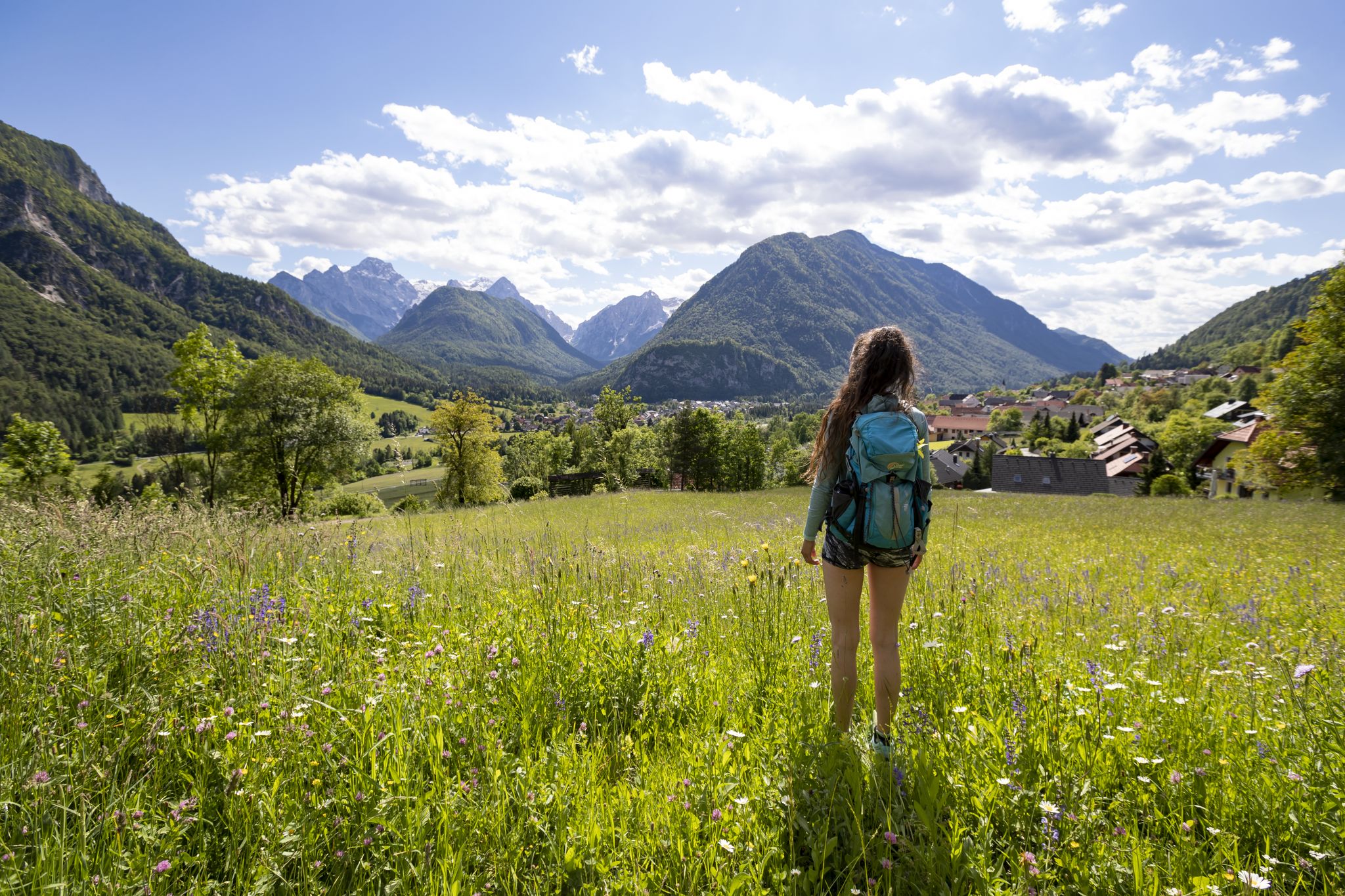
Uniquely secluded - long-distance hiking on Slovenia's Juliana Trail
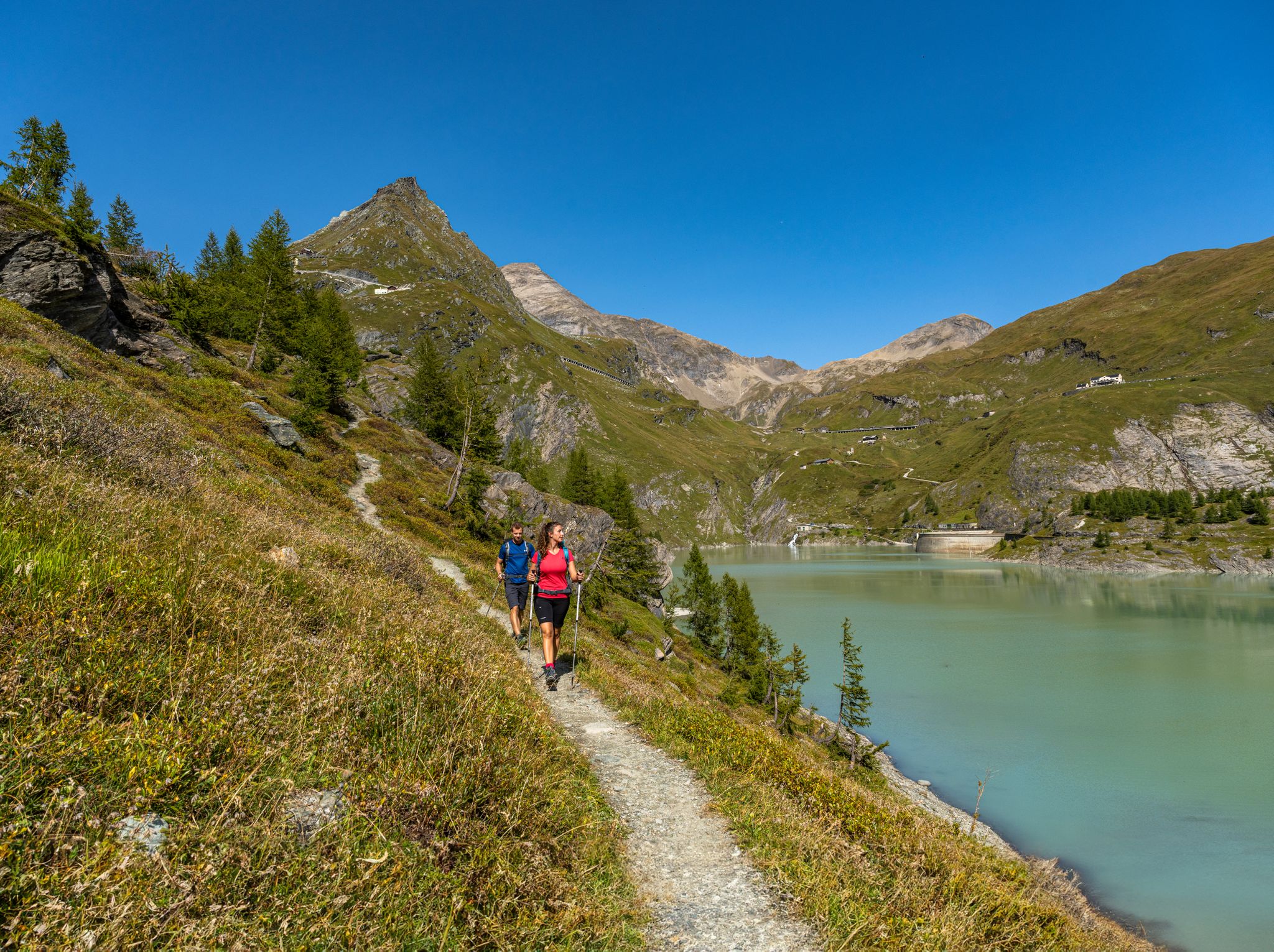
From the Grossglockner to the sea on the Alpe Adria Trail
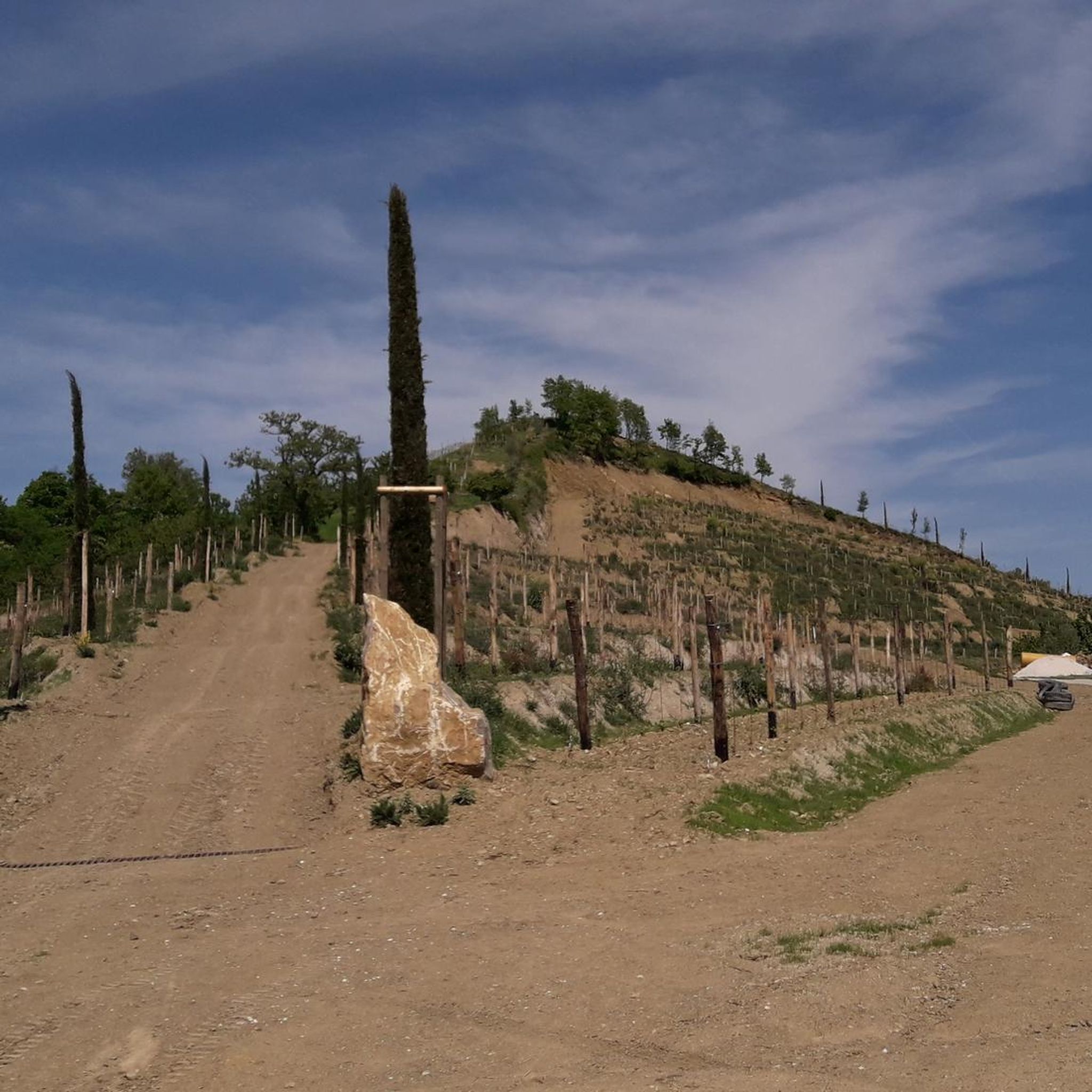
Hiking around Brda
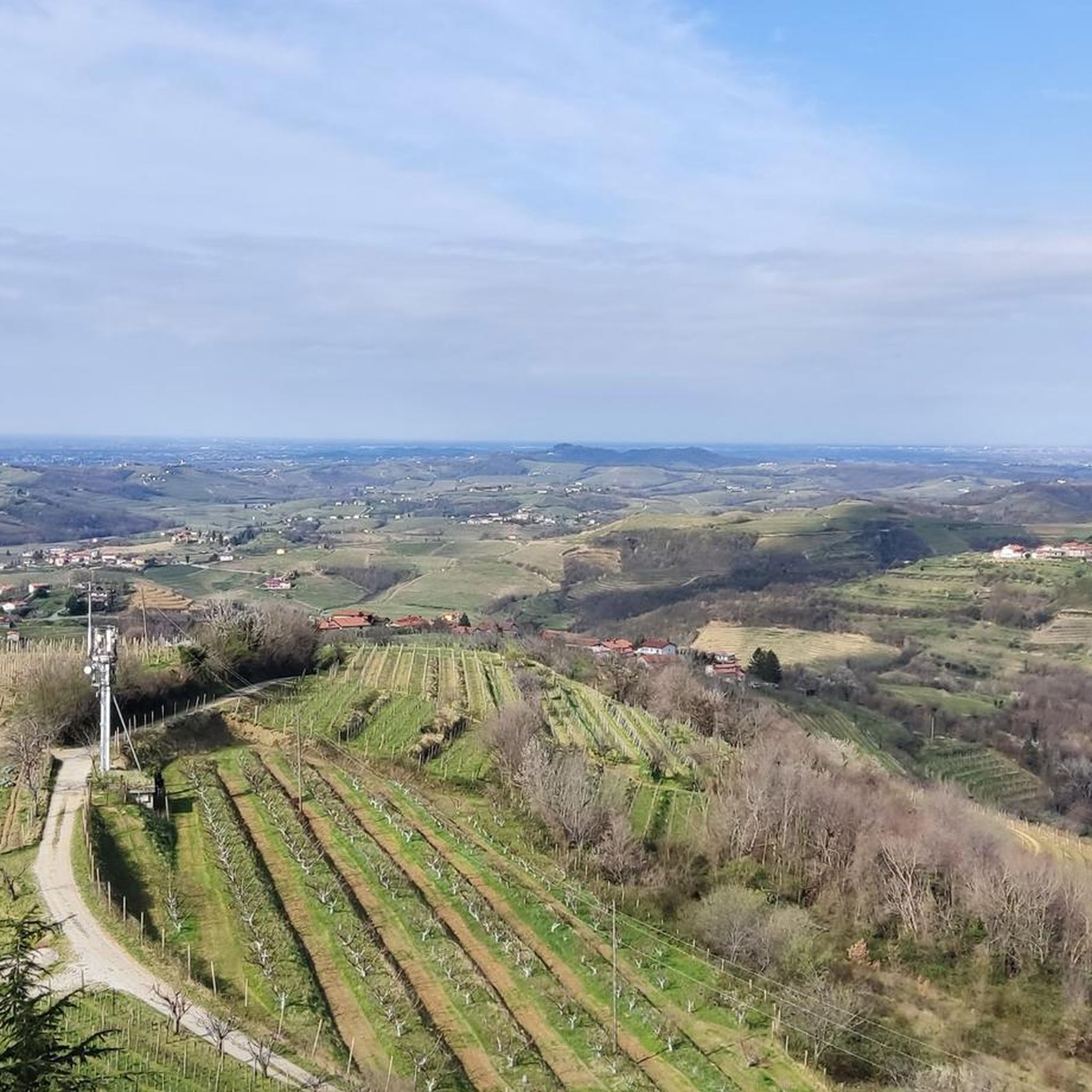
Cycling around Brda
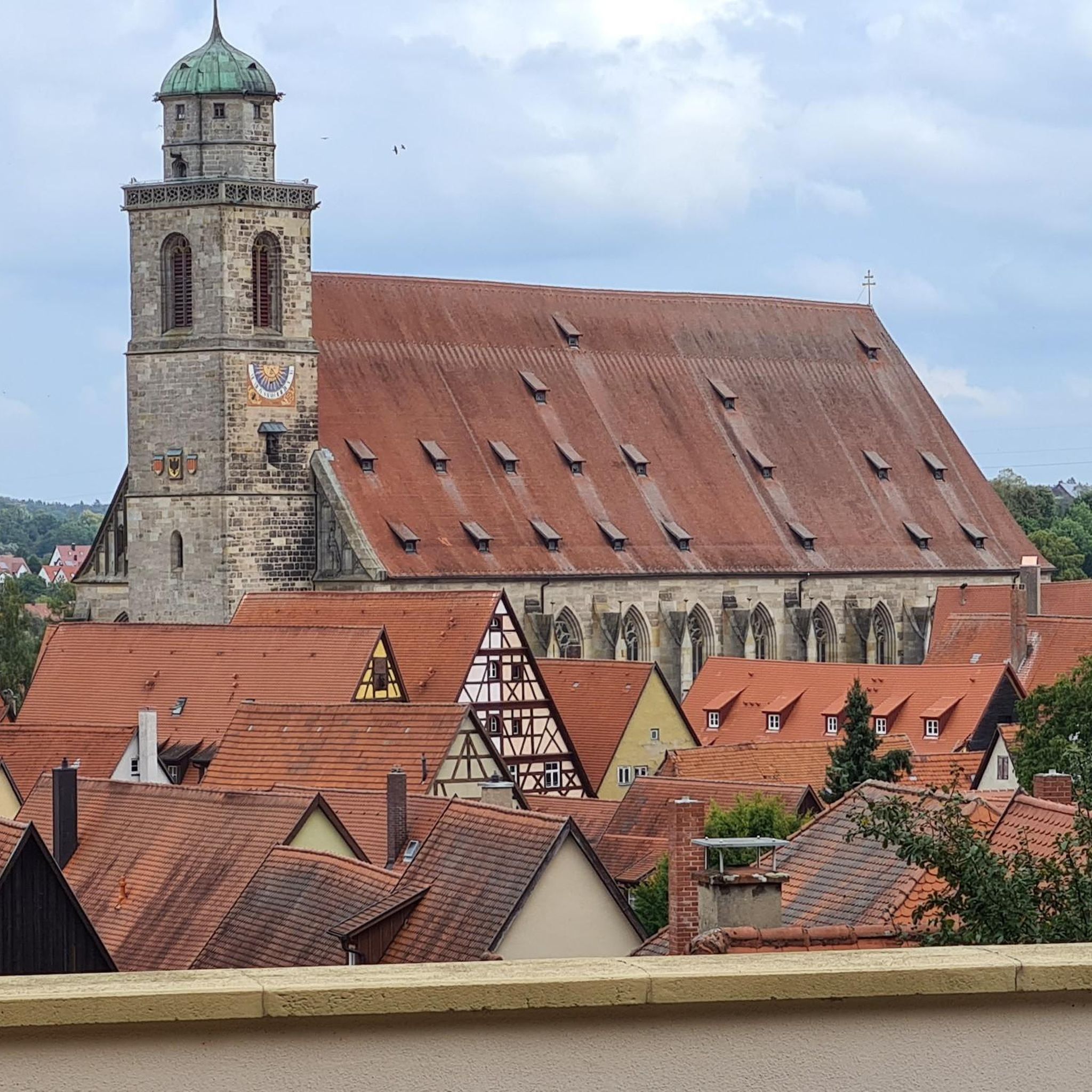
Gravel biking around Brda
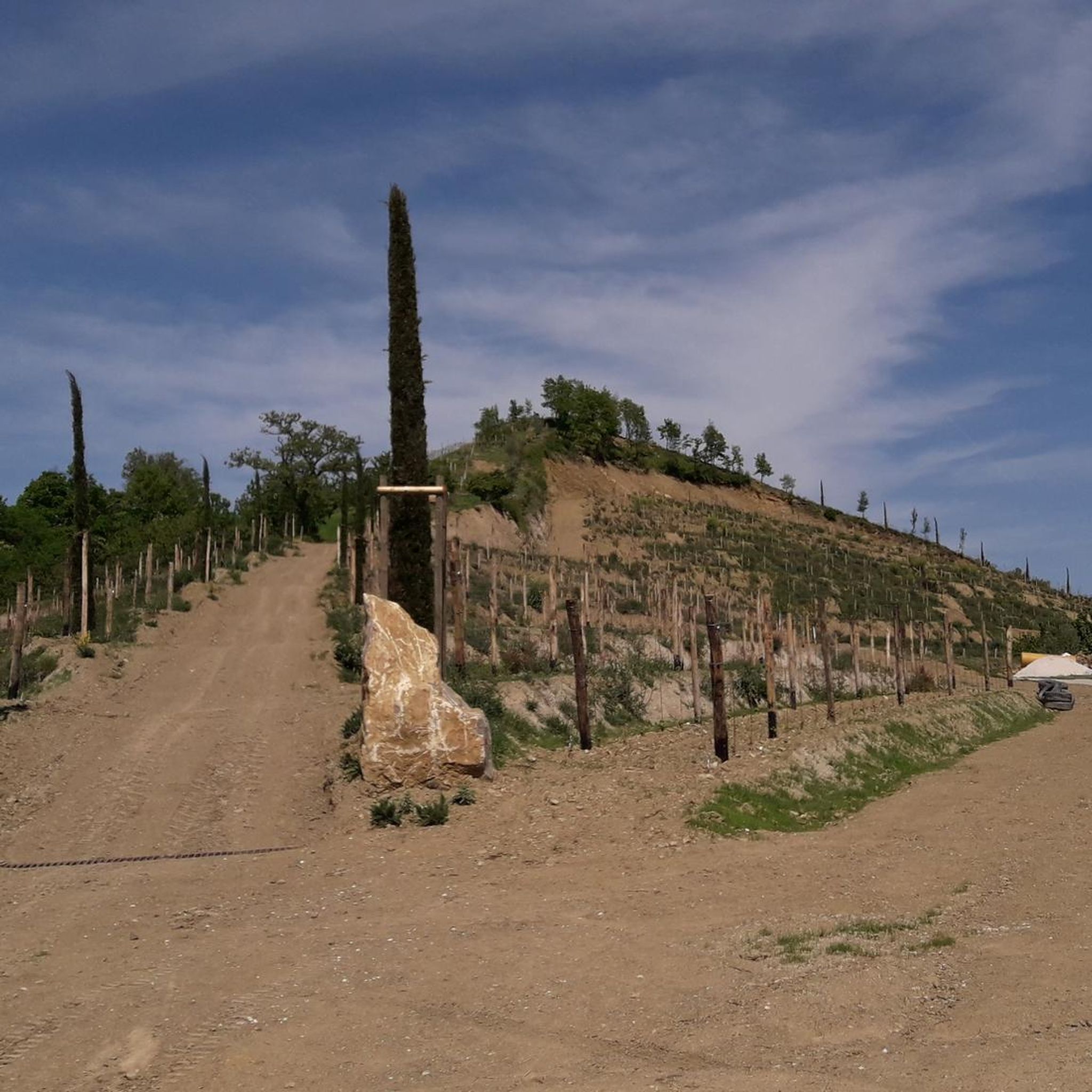
Road Cycling Routes around Brda
MTB Trails around Brda
Running Trails around Brda
Other adventures around Brda


Tips from the Community

Beautiful dirt section always in excellent condition that follows the Judrio river, which here marks the border between Italy and Slovenia. Be aware that in Slovenia, on dirt roads, if not expressly forbidden, car and motorcycle traffic is absolutely permitted.
0
0
beautiful dirt section that runs along the course of the Judrio river. The road is always in excellent condition, the crossings on the bridges are paved. The Judrio, which runs under and alongside the road, seems docile but beware that on days of heavy rain it becomes fierce and dangerous like few others. Be aware that the road (as often in Slovenia) although unpaved is open to all motorized traffic.
0
0

The first construction of the castle dates back to the 13th century.
0
0

"The earth, the vine, the sunshine, they bring us the golden wine. But if it weren't for the work of the winemaker, even the finest glasses would remain empty." (Author unknown)
1
0

A castle has stood in Dobrovo since the 13th century, but it slowly fell into disrepair over the centuries. A new Renaissance building was built on this site at the beginning of the 17th century, which has remained relatively unchanged to this day and is considered one of the most beautiful castles in the Goriška region. Dobrovo Castle will enchant visitors at first glance with its imposing and distinctive appearance. Its ground plan is almost square, with symmetrically placed towers at the corners. The outer wall was likely built during the Second Venetian War (1615–1617) and converted into a portico after its end. One of the towers was converted into a chapel dedicated to St. Anthony of Padua. The chapel walls are decorated with hung originals and copies of Gothic frescoes from the northern Primorska region. The first owners are said to have been the Counts Colloredo, for a shorter period the Marquise Montecuccoli, and from the end of the 18th century the Catterini-Erzberg family from Gorizia. In 1872, ownership passed into the hands of the Baguer family following a wedding. On the first floor of the castle is the Knights' Hall, featuring the coats of arms of several noble families who owned the castle in the past. This hall contains a preserved mural depicting the naval attack on the city. Today, the Knights' Hall hosts numerous musical performances and other events. Also of interest is the Hunting Room, where the treasures of Count Baguer, painted on the walls by Clemente Del Neri in 1894, are displayed. His works of art can also be viewed in the stairwell.
5
0
The wines of the Klet Brda winery tell the story of Brda and its family vineyards. Three hundred and twenty families, united in the Klet Brda wine cooperative, cultivate the highest quality grapes on the steep slopes. With dedication to nature and a rich tradition, they create wines that delight the heart and the palate. Wine lovers from 26 countries who appreciate the quality, diversity, and accessibility of the Klet Brda brand are among those tasting here. In the tasting room, where various grape varieties are lovingly presented for tasting, everyone will find their favorite wine. A guided tour of the old and new wine cellars complements what you've heard before and is an experience for all the senses. The Klet Brda winery also hosts family celebrations, such as weddings or birthdays. The cellar is sheltered underground in the hill beneath the mighty Dobrovo Castle. It was built in 1957 as a cooperative winery and is still wholly owned by the winegrowing families today. The Rebula (Ribolla Gialla) is the most widely planted grape variety on the Brda hills, comprising 27% of the vineyards. It arrived here during Roman times and has a golden yellow color in the glass.
5
0
The medieval village of Šmartno is one of the most beautiful villages in the central Brda region. Built on Roman foundations, it is now considered an architectural gem and cultural monument. Behind its walls, it leads back to the rich and picturesque stories of the past and reveals the charm of Brda hospitality. The village of Šmartno is located in the geographical center of Brda, with views stretching from Nanos in the east to the Carnic Alps in the northwest, and from the vast Friuli region to the Adriatic Sea. The village, surrounded by walls and fortified with defensive towers, was first mentioned in 1317. In the first half of the 16th century, a medieval fortress was built on the remains of a Roman outpost around the church. The village served as a border fortress until the mid-18th century, when the Venetian threat was over. The houses in the center are grouped around the Church of St. Martin, the largest parish church in Brda, after which the village was named. The church's bell tower was originally a fortress tower. The bell, featuring the motif of the Three Kings, dates from 1857. The Baroque church features three marble altars, one of which is particularly rich. The presbytery and the Stations of the Cross were painted by Tone Kralj.
4
0
The medieval village of Šmartno is one of the most beautiful villages in the central Brda region. Built on Roman foundations, it is now considered an architectural gem and cultural monument. Behind its walls, it leads back to the rich and picturesque stories of the past and reveals the charm of Brda hospitality. The village of Šmartno is located in the geographical center of Brda, with views stretching from Nanos in the east to the Carnic Alps in the northwest, and from the vast Friuli region to the Adriatic Sea. The village, surrounded by walls and fortified with defensive towers, was first mentioned in 1317. In the first half of the 16th century, a medieval fortress was built on the remains of a Roman outpost around the church. The village served as a border fortress until the mid-18th century, when the Venetian threat was over. The houses in the center are grouped around the Church of St. Martin, the largest parish church in Brda, after which the village was named. The church's bell tower was originally a fortress tower. The bell, featuring the motif of the Three Kings, dates from 1857. The Baroque church features three marble altars, one of which is particularly rich. The presbytery and the Stations of the Cross were painted by Tone Kralj.
6
0
Frequently Asked Questions
What natural attractions can I explore in Brda?
Brda is celebrated for its picturesque natural beauty. You can explore the rolling hills extensively covered with vineyards, cherry orchards, and olive groves. A unique natural monument is the Krčnik Natural Stone Bridge and the Valley of Kožbanjšček Brook, featuring a 5-meter-long natural stone bridge and fascinating 'draslje' or 'kotlice' carved by the stream.
Are there good hiking trails around Brda's attractions?
Yes, Brda offers various hiking opportunities. The 11.5-kilometer themed "Brda Circle of Peace" trail traverses the Sabotin Peace Park, which also features remnants of World War I trenches and caverns. Additionally, the long-distance Alpe Adria Trail passes through Brda, offering scenic walks through orchards, olive groves, and vineyards. You can find more hiking routes in the Hiking around Brda guide.
What historical and cultural sites should I visit in Brda?
Brda boasts a rich history. Don't miss Šmartno, a remarkably preserved medieval fortified village with narrow streets and St. Martin's Church. Dobrovo Castle, a beautiful Renaissance castle, houses museums and galleries. Another significant cultural hub is Vila Vipolže, recognized as Slovenia's most striking Renaissance villa, hosting exhibitions and events.
Where can I find the best panoramic views of the Brda region?
For breathtaking panoramic views, visit the Gonjače Panoramic Tower. This 23-meter-high lookout tower, with 144 steps, offers expansive vistas of the entire Brda region, including the Julian and Carnic Alps, the Dolomites, Friuli, the Gulf of Trieste, and the Karst. Nearby, a memorial honors victims of World War II.
Are there family-friendly activities or attractions in Brda?
Yes, Brda offers several family-friendly options. The Soca Cycle Path is an excellent choice for families, offering an almost 50-kilometer traffic-free route with stunning views of the Isonzo river. Exploring the medieval village of Šmartno and visiting Dobrovo Castle are also enjoyable for all ages.
What cycling opportunities are available in Brda?
Brda is excellent for cycling. The Soca Cycle Path is a popular choice, connecting Gorizia to Kanal with beautiful river views. You can also find a great gravel section along the Judrio, perfect for gravel biking. For more options, check out the MTB Trails around Brda and Road Cycling Routes around Brda guides.
What is the best time to visit Brda?
Brda is beautiful year-round, but spring and early autumn are particularly popular. Spring brings the blooming of cherry orchards, celebrated during the annual "Holiday of Cherries" (Praznik češenj). Autumn is ideal for wine tourism, with harvest festivals and pleasant weather for exploring the vineyards. The region's scenic drives are enjoyable in any season.
Can I experience wine tourism in Brda?
Absolutely. Brda is a premier wine region, often compared to Tuscany. Numerous wineries, including Klet Brda, Movia, and Ščurek, offer engaging wine tasting experiences and tours. The region is especially known for its award-winning Rebula wines and high-quality extra virgin olive oils. You can find more information about wine tourism at winetourism.com.
Are there any unique art or cultural spaces in Brda?
Yes, Brda offers unique cultural spaces beyond its historical sites. Alma's House in Medana functions as a gallery, studio, and artist residency, hosting visual art exhibitions and literary evenings. Dobrovo Castle also features the Zoran Mušič graphic art exhibition and the Kožbanjšček Gorge VR Experience, offering a blend of traditional and modern art and culture.
What do visitors enjoy most about Brda?
Visitors frequently praise Brda for its stunning landscapes, particularly the rolling vineyards and charming villages like Šmartno. The traffic-free Soca Cycle Path is highly recommended for its beautiful views. Many also appreciate the region's rich history, exemplified by Dobrovo Castle, and the warm Brda hospitality.
Are there any religious sites of interest in Brda?
Brda has a rich sacral heritage. St. Martin's Church in the medieval village of Šmartno is the largest church in the region, with its bell tower originally serving as a fortress tower. Another notable site is the charming Church of the Holy Cross in Kojsko, known for its over 500-year-old Gothic altar.
Most popular routes around Brda

Get inspired with the komoot mobile app


Explore more
Still not found the Highlight you’re looking for? See guides of the top attractions in other regions:
