The best walks and hikes around Mirna Pec
4.2
(33)
130
hikers
6
hikes
Hiking trails around Mirna Pec traverse a diverse landscape characterized by hilly terrain and frequent karst features. The region includes three distinct valleys: Igmanca, Temenica, and Globodol Polje, each offering unique scenic elements. Underlying geology consists primarily of shallow carbonate bedrock, predominantly limestone, creating varied hiking environments. This geological makeup provides dynamic conditions for hikers exploring the area.
Best hiking trails around Mirna Pec
- The most popular hiking route is Žužemberk Castle – Krka River and Cascade loop from Žužemberk…
Last updated: August 15, 2026
4.4
(12)
33
hikers
9.75km
02:40
150m
150m
Moderate hike. Good fitness required. Easily-accessible paths. Suitable for all skill levels.
4.0
(9)
5
hikers
7.31km
01:56
70m
60m
Easy hike. Great for any fitness level. Easily-accessible paths. Suitable for all skill levels.

Sign up for free
4.0
(3)
9
hikers
10.5km
02:48
110m
110m
Moderate hike. Good fitness required. Easily-accessible paths. Suitable for all skill levels.
3.0
(1)
9
hikers
6.24km
01:41
80m
80m
Easy hike. Great for any fitness level. Easily-accessible paths. Suitable for all skill levels.
5.0
(1)
8
hikers
4.87km
01:25
130m
130m
Easy hike. Great for any fitness level. Easily-accessible paths. Suitable for all skill levels.
5
hikers
2.32km
00:36
10m
10m
Easy hike. Great for any fitness level. Easily-accessible paths. Suitable for all skill levels.
Our route recommendations are based on thousands of hikes, rides, and runs completed by other people on komoot.
Start today with a free account
Your next adventure awaits.
Login or Signup

Tips from the Community

beautiful town that deserves to be visited
0
0

It was renovated several times and was used until 1898, when the Kanji Bridge was built further down the river. The Kanji Bridge is 75 meters long. Its iron and riveted structure stands on stone, rustic brick pillars. The construction of the bridge in 1896 resulted in a house being demolished on the south side of the main market and the market being opened up towards the Kanji district. The construction of the bridge was one of the largest, rare iron structures of this type in the Austro-Hungarian Empire at the time and is considered one of the most daring and advanced technical interventions in bridge construction at the time. The Kanji Bridge is not only very busy today, it also offers a beautiful viewpoint of the southern front of the Old Town.
0
0


The white color makes the town hall shine in a beautiful glow
0
0

The picturesque town of Novo Mesto (German: Rudolfswerth) is located in the Dolenjska region (German: Lower Carniola) in the interior of Slovenia. Novo Mesto is the seventh largest city in Slovenia and is also the capital of the Dolenjska region in the Krka Valley. It is located directly on the bend of the Krka River and is the economic and cultural center of southern Slovenia.
1
0

For more than seven centuries, the church of St. Tomaža with rich baroque furnishings from the end of the 17th and beginning of the 18th century. The church is built in the style of rural church architecture, and there is also a small cemetery next to it. The main altar is a typical example of the widespread altar frame type from the beginning of the 18th century in Dolenjsko. According to information from the chronicle of the Vautov parish, where the church has belonged since 1883, we understand that in 1851 the old bell tower was torn down, the current one was built and covered with shingles, and in 1895 the painted wooden ceiling in the nave was removed and replaced with brick. In 1907, a new roof was made on the bell tower, and the thorough renovation of the church dates back to 1926, when the pavement was laid inside, the walls and vault were whitewashed, the golden baroque altars were painted, the exterior was whitewashed, and the open walls of the shed were built. The church of St. Tomaža also in 1987 and in 2012. The three bells of the church have been electrified since the last renovation.
0
0
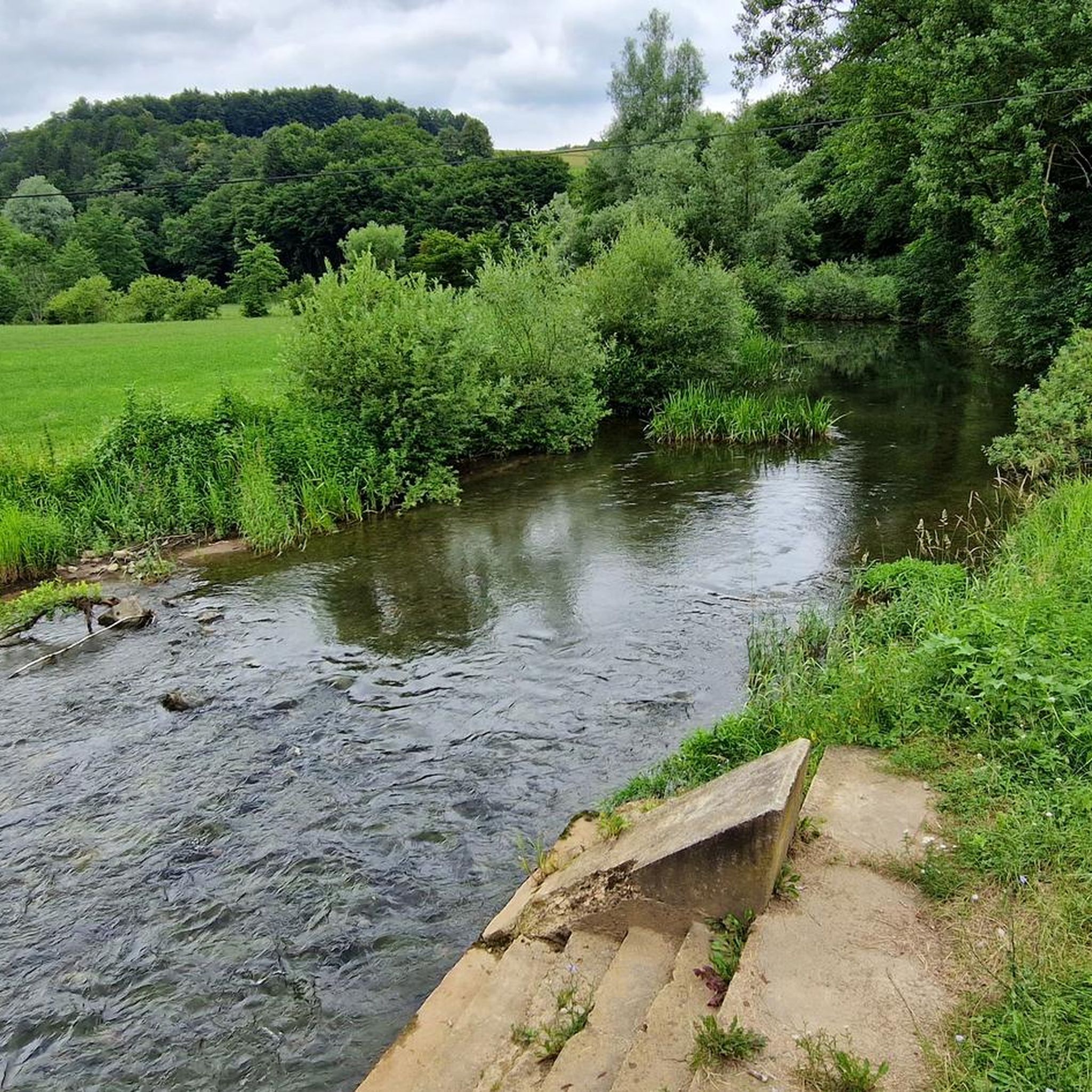
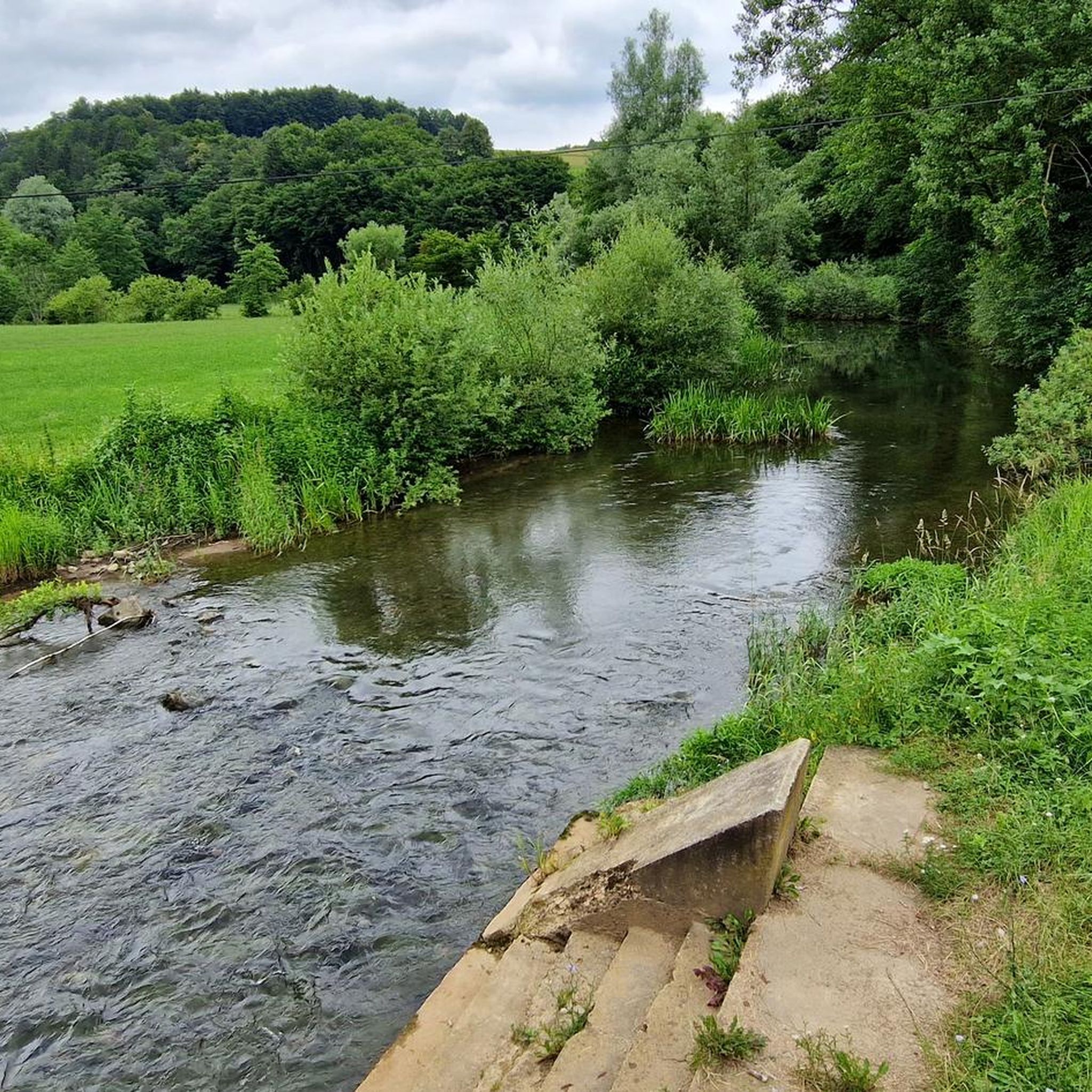
Straža is a central settlement in the Municipality of Straža pri Novem mesto. The village is located on the left bank of the Krka river below Straško gora. The place was created in 1987 by the merger of the previously independent settlements of Dolenja Straža, Gorenja Straža, Hruševec and Sela pri Gorenja Straža. In 2015, it had 1,938 inhabitants. The location is home to the headquarters and part of the production facilities of the wood company Novoles. In the former Gorenja Straža stands the branch church of St. Tomaža, a branch of the Vavta village parish, and in the former Dolenja Straža, a branch church of the Assumption of Mary, a branch of the Prečna parish. The Krka river flows through Straža, which is used mostly for entertainment and sports, and there are many vineyards and stone houses on Straško Hrib due to its favorable location and warm climate. Summers are hot in Straža, spring and autumn are warm with not too cold mornings, which are warmer than in the surrounding area. The winters are fairly mild and do not bring much snow, due to the southern location the winters are usually milder than in the surrounding area.
0
0
Frequently Asked Questions
How many hiking trails are available in Mirna Pec?
There are 7 hiking trails documented in Mirna Pec on komoot, offering a variety of experiences for different skill levels.
What kind of terrain can I expect when hiking in Mirna Pec?
Mirna Pec features a diverse landscape characterized by predominantly hilly terrain and frequent karst features. You'll encounter three distinct valleys—Igmanca, Temenica, and Globodol Polje—each offering unique scenic elements. The underlying geology is mostly shallow carbonate bedrock, creating varied and interesting hiking environments.
Are there easy hiking trails suitable for beginners or families in Mirna Pec?
Yes, Mirna Pec offers several easy hiking options. For instance, the Mirna Castle – Sleeping Beauty Hiking Trail loop from Mirna is an easy 6.9 km path with scenic views, suitable for various fitness levels. Another easy option is the Straža Hill (201 m) loop from Straža, a shorter 2.3 km trail.
Can I find circular hiking routes in Mirna Pec?
Yes, all the hiking routes listed for Mirna Pec on komoot are designed as circular loops, allowing you to start and end your hike at the same point without needing to retrace your steps.
What are some notable natural features or geological formations to look out for?
The region is rich in karst features. You can explore the Temenica Valley, where the Temenica River emerges from beneath a 35-meter cliff at Zijalo and later disappears into swallow holes. The Globodol Polje is encircled by an oval ridge and features deep dolines. On Plešivica Hill, you might discover the significant Giant's House Cave (Ajdovska hiša), one of five karst caves in the area.
Are there any historical landmarks or points of interest along the hiking trails?
Absolutely. Hikers can encounter historical and cultural landmarks such as Žužemberk Castle and Mirna Castle. Trails may also lead past local churches, like the Church of St. Thomas in Straža, offering insights into the local heritage.
Are there any hikes with good viewpoints in Mirna Pec?
Yes, some trails offer rewarding panoramic vistas. For example, the View of Mount Kum loop from Mokronog provides excellent views of the surrounding natural beauty.
What do other hikers enjoy most about the trails in Mirna Pec?
The trails in Mirna Pec are highly rated by the komoot community, with an average score of 4.4 stars from over 30 reviews. Hikers often praise the varied terrain, the mix of easy to moderate routes, and the scenic beauty of the valleys and karst features.
Is public transport available to access hiking trailheads in Mirna Pec?
While Mirna Pec is accessible by road, specific public transport connections directly to all trailheads might be limited. It's advisable to check local bus schedules or consider driving to the starting points of your chosen hikes.
Are dogs allowed on the hiking trails in Mirna Pec?
Generally, dogs are welcome on hiking trails in natural areas around Mirna Pec. However, it's always recommended to keep them on a leash, especially in areas with wildlife or near livestock, and to follow local regulations regarding pet waste.
What is a moderate difficulty hike I could try in Mirna Pec?
For a moderate experience, consider the Žužemberk Castle – Krka River and Cascade loop from Žužemberk. This 9.7 km trail takes approximately 2 hours 39 minutes to complete and explores the area around the historic Žužemberk Castle and the scenic Krka River.
Are there any longer or more challenging hikes available in the Mirna Pec region?
While the komoot guide for Mirna Pec focuses on easy to moderate routes, the region is part of longer, more extensive trails like the 'Weg der Zisterzienser' (Path of the Cistercians). These can offer more demanding options for experienced hikers looking for multi-day adventures through the Slovenian landscape.
Most popular routes around Mirna Pec

Get inspired with the komoot mobile app


Explore more
Browse the best Hikes in other regions.
