The 11 Most Amazing Peaks around Seiersberg-Pirka
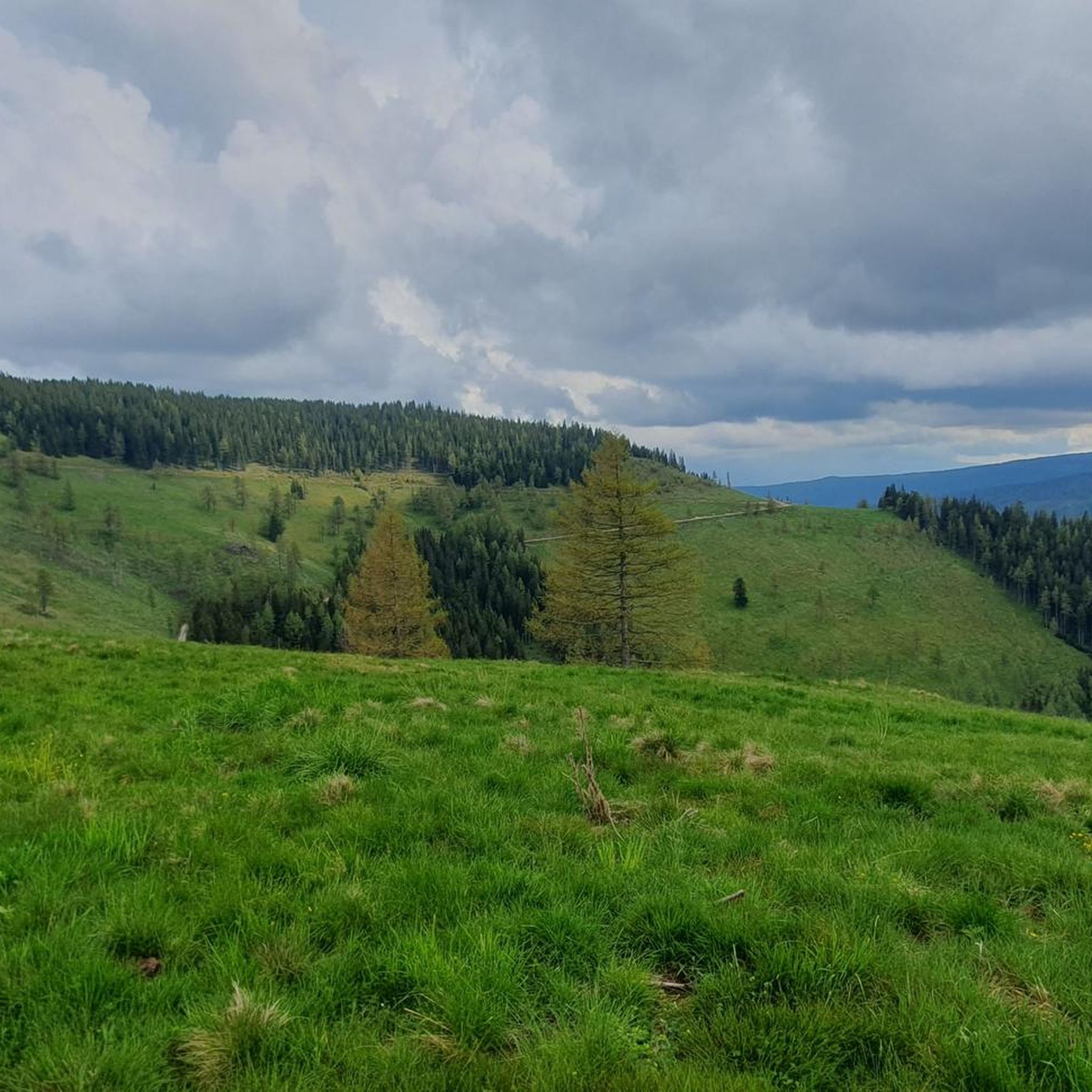
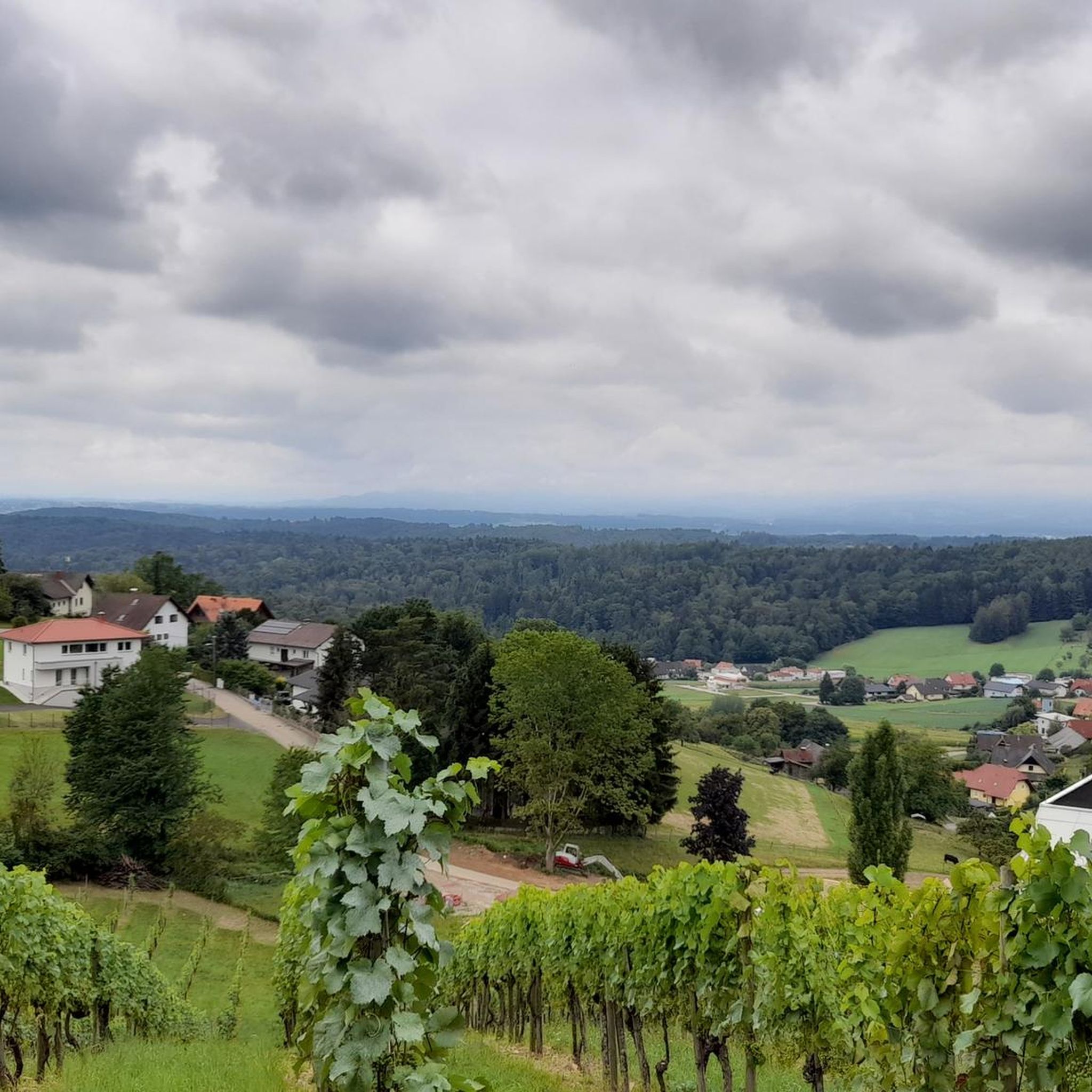
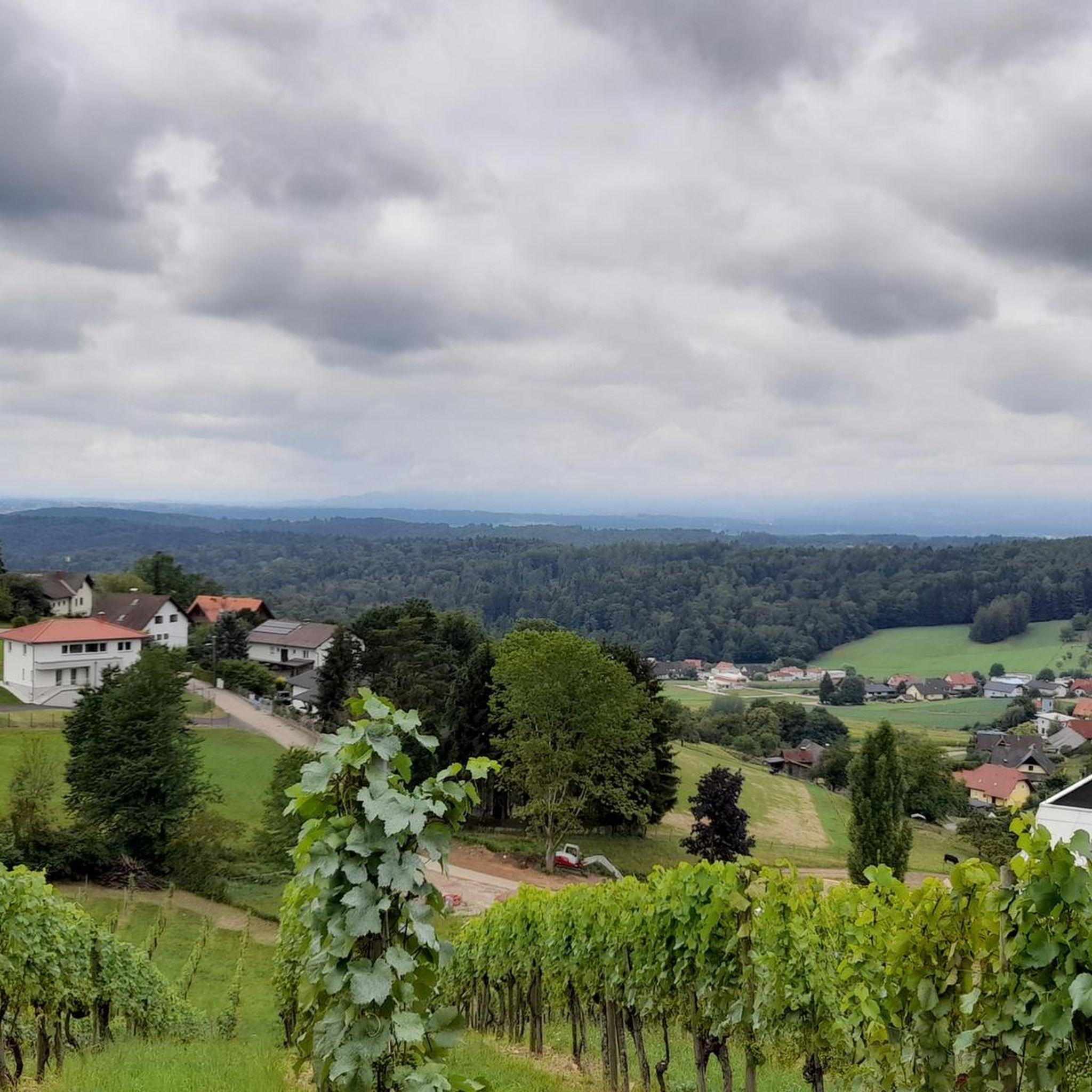
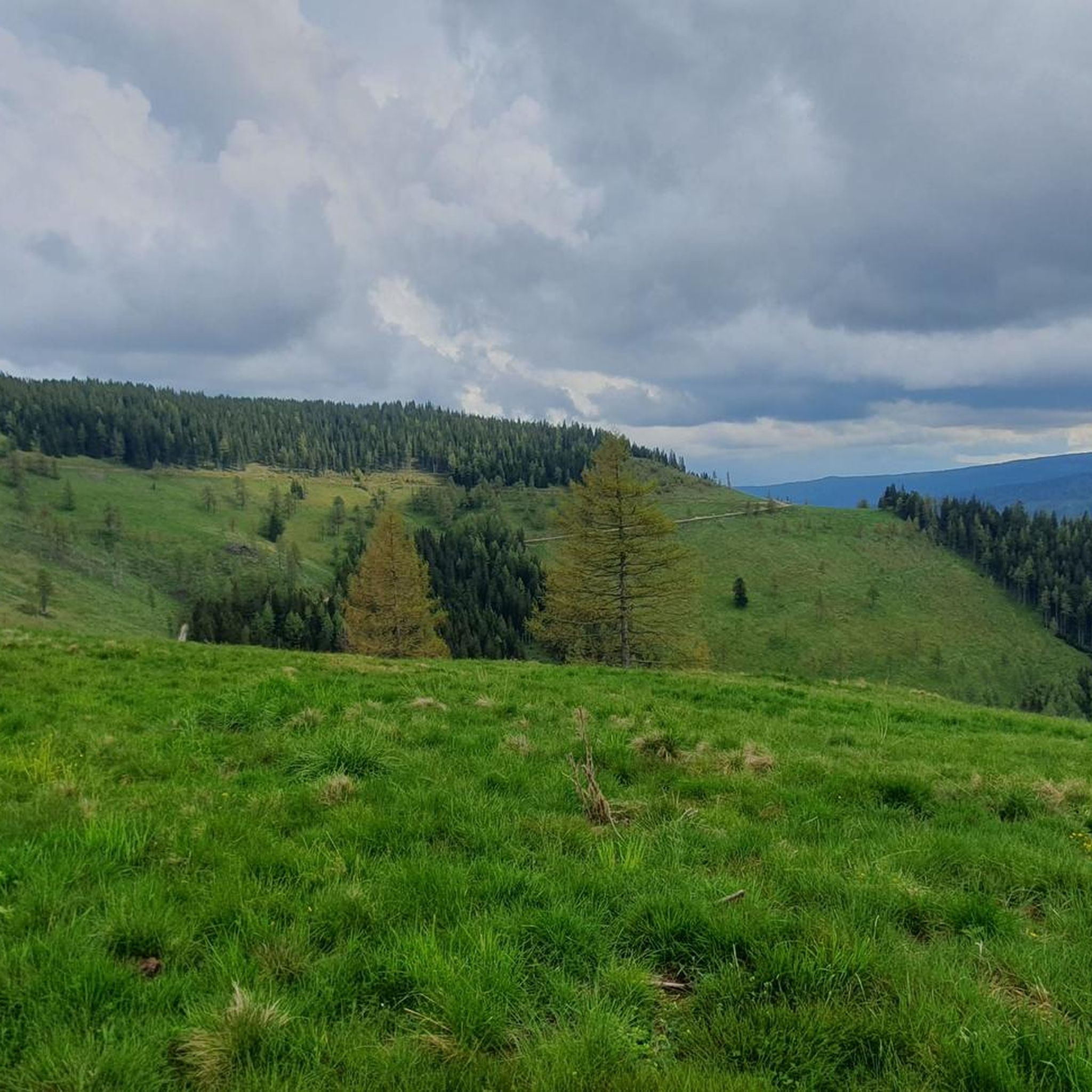
Best mountain peaks around Seiersberg-Pirka are characterized by rolling hills and green meadows, situated southwest of Graz in the Grazer Becken basin. While the region does not feature towering mountain peaks, it offers numerous elevated points that provide views and recreational opportunities. The terrain and elevation of mountains near Seiersberg-Pirka are suitable for various outdoor activities, ranging from easy walks to more challenging hikes.
Best mountain peaks around Seiersberg-Pirka
- The most popular mountain peaks is Schlossberg Graz, a viewpoint…
Last updated: July 7, 2026
Schlossberg Graz
Highlight • Viewpoint
Translated by Google •
Tip by

Rudolfswarte Observation Tower
Highlight • Monument
Translated by Google •
Tip by

Sign up now to discover places like this
Get recommendations on the best single tracks, peaks, & plenty of other exciting outdoor places.
Sign up for free
Lustbühel Castle
Highlight • Castle
And …
Translated by Google •
Tip by

Herz-Jesu Church Graz
Highlight • Religious Site
Translated by Google •
Tip by

View of Graz from the Fürstenstand on Plabutsch
Highlight • Viewpoint
Translated by Google •
Tip by

Sign up for free to discover even more peaks around Seiersberg-Pirka.
Sign up for free
Already have an account?
Start today with a free account
Your next adventure awaits.
Login or Signup
Tips from the Community

When the Sacred Heart Church in Graz was planned around 1880, the then Prince-Bishop Johann Baptist Zwerger initially envisioned a church modeled after the Votive Church in Vienna, one of the world's most important Neo-Gothic religious buildings. For reasons of cost, a Neo-Gothic brick building was ultimately chosen, and the design was entrusted to Georg von Hauberrisser, a native of Graz. He had already made a name for himself as the architect of Munich's City Hall. In keeping with the Romanticism that influenced all cultural developments at the time, the Sacred Heart Church was built in the Neo-Gothic style. This means that the architecture and formal language of the Middle Ages were consciously revived and further enhanced. This resulted in the delicately designed turrets, the elaborate tracery window above the entrance portal, and the numerous pointed arches. The monumental appearance was created by the construction of two stories: a lower church upon which an upper church was built. The imposing southwest tower, with its spire reaching far into the sky, is, at 109.6 meters, the third tallest church tower in Austria, after those of St. Stephen's Cathedral in Vienna and the Immaculate Conception Cathedral in Linz. Inside the so-called "Way Church," where everything is oriented towards the baldachin high altar, one is greeted by a light-filled hall framed by artfully designed pillars and an impressive net-vaulted ceiling. The white exterior and the stained-glass windows lend the church an even more welcoming atmosphere. The stained-glass windows are among the few remaining examples of Neo-Gothic glass art in Austria. The iconographic program of the frescoes and the ten side altars is dedicated to the Redeemer and his open heart for humanity. During the winter months, the upper church is closed from the beginning of November until just before Easter, and only the lower church is open.
0
0


Always good for a rest.
1
0

At the top of the mountain you have a great panoramic view of the city, ideally sitting on the wall with a drink. It is also a great place in the evening to enjoy the city lights.
9
0

Great vantage point above Graz. A must visit. With the Schlossbergbahn or on foot 🥰
8
0

Many roads lead to Rome - but also to the Schlossberg. The Schlossberg is the striking hill in Graz, on which the clock tower and the bell tower are visible from afar. The ensemble is the landmark of Graz. I highly recommend that you climb the Schlossberg from different sides. The castle mountain climb is exciting, but the less traveled paths are also a highlight.
6
0

The Herz-Jesu-Kirche or parish church Graz-Herz Jesu is a Roman Catholic church built in the neo-Gothic brick style in the 2nd district of Graz, St. Leonhard. The building, built between 1881 and 1887, has the third highest church tower in Austria and is one of the most important historicist buildings in Styria. Source: Wikipedia
0
0

The control room itself (spiral staircase and viewing platform) are currently closed or closed in winter from November to May (staircase access screwed to a grille)
3
0
Frequently Asked Questions
Which elevated points around Seiersberg-Pirka offer the best panoramic views?
For breathtaking panoramic views, consider visiting Schlossberg Graz, which rises over 120 meters above the main square and offers vistas in all directions. The Rudolfswarte Observation Tower on the Buchkogel also provides an excellent view over Graz. Additionally, the View of Graz from the Fürstenstand on Plabutsch offers expansive views of Graz and Western Styria. Further afield, the Schöckl mountain is highly recommended for its magnificent panoramas over Graz and extending to the Alps on clear days.
Are there family-friendly mountain peaks or trails suitable for children?
Yes, several elevated points and their surrounding trails are suitable for families. Schlossberg Graz is considered family-friendly, offering attractions like the clock tower and casemates. The Florianiberg area is known for its super easy hiking routes with no significant elevation gain, making it ideal for all levels, including families. Lustbühel Castle, now a kindergarten, features a farm with a petting zoo and a children's playground, making it a great family destination after a walk.
What kind of natural features can I expect to see around Seiersberg-Pirka's elevated points?
The region is characterized by rolling hills and green meadows. While not towering peaks, areas like Gedersberg and Buchkogel offer natural beauty with opportunities for relaxing walks amidst nature. The Schöckl, though further away, provides impressive natural landscapes and expansive views. You'll find diverse terrain for treks and scenic vistas throughout the area.
Are there historical sites or landmarks on these elevated points?
Yes, the region boasts several historical sites. Schlossberg Graz is a prominent historical site with the iconic clock tower and bell tower, and remnants of a castle. The Gedersberg-Kapelle (Gedersberg Chapel), also known as 'Paar-Kreuz,' is a historical point of interest. Lustbühel Castle, a 17th-century pleasure palace, is another notable historical landmark.
What hiking opportunities are available near these elevated points?
There are numerous hiking opportunities ranging from easy to moderate. For easy walks, consider the 'View from Bockkogel – Bockkogel loop' or the 'Chapel on Kirchweg – Gedersberg Chapel loop' from Seiersberg-Pirka. A moderate option is the 'Rudolfswarte Observation Tower – Batl-Lackn loop'. You can find more hiking routes in the Hiking around Seiersberg-Pirka guide.
Can I bring my dog on trails to these elevated points?
Yes, many trails and elevated points around Seiersberg-Pirka are dog-friendly. For instance, Schlossberg Graz is listed as dog-friendly, allowing you to explore its many paths with your canine companion.
Are there places to eat or rest near the mountain peaks?
Yes, you'll find local establishments near some elevated points. Along the hiking route to Florianiberg, for example, you can find local establishments like Johanneshof-Laden farm shop and restaurants such as Luderbauer and Gaar. Lustbühel Castle also has a cider tavern, the Schlemmerstubn, open Wednesday to Sunday.
What other outdoor activities can I do near the mountain peaks?
Beyond hiking, the region offers diverse outdoor activities. You can explore gravel biking routes like the 'Gravel Path Along the Murauen – Murradweg Riverside Section loop' or the 'Plankenwarth Castle – Thaler Lake loop'. Cycling is also popular, with routes such as the 'Bench in the Shade – Tobelbad Church loop'. For more options, check out the Gravel biking around Seiersberg-Pirka and Cycling around Seiersberg-Pirka guides.
When is the best time to visit the elevated points around Seiersberg-Pirka?
The paths to the Rudolfswarte Observation Tower are described as walkable year-round, suggesting many areas are accessible in different seasons. While the region is beautiful in spring and summer with green meadows, autumn offers vibrant colors, and some areas like Gedersberg even feature a small ski lift in winter, weather permitting. Generally, good weather conditions make for the most enjoyable visits.
Are there more challenging hikes for experienced trekkers?
While many routes are easy to moderate, the region around Seiersberg-Pirka, including Buchkogel, provides diverse terrain for treks ranging from moderate to difficult. The hike to the Schöckl summit, though not directly in Seiersberg-Pirka, requires good physical fitness and offers rewarding experiences for more experienced hikers.
What do visitors enjoy most about the elevated points near Seiersberg-Pirka?
Visitors particularly enjoy the stunning views, especially from spots like Schlossberg Graz and the Rudolfswarte Observation Tower. The diverse trails for hiking and cycling, the historical significance of sites like Schlossberg, and the family-friendly amenities at places like Lustbühel Castle are also highly appreciated. The overall natural beauty and recreational opportunities are key attractions.
Is public transport available to reach these elevated points?
While specific public transport details for each elevated point are not provided, Seiersberg-Pirka is located southwest of Graz, which has a well-developed public transport network. It is advisable to check local bus schedules or regional transport options from Graz to reach the vicinity of these elevated points, especially for those further from the town center.
Most popular routes around Seiersberg-Pirka
Most popular attractions around Seiersberg-Pirka

Get inspired with the komoot mobile app


Explore more
See even more amazing summits around Seiersberg-Pirka with these guides:
