The best walks and hikes in Fuaigh Mor
4.7
(48)
240
hikers
3
hikes
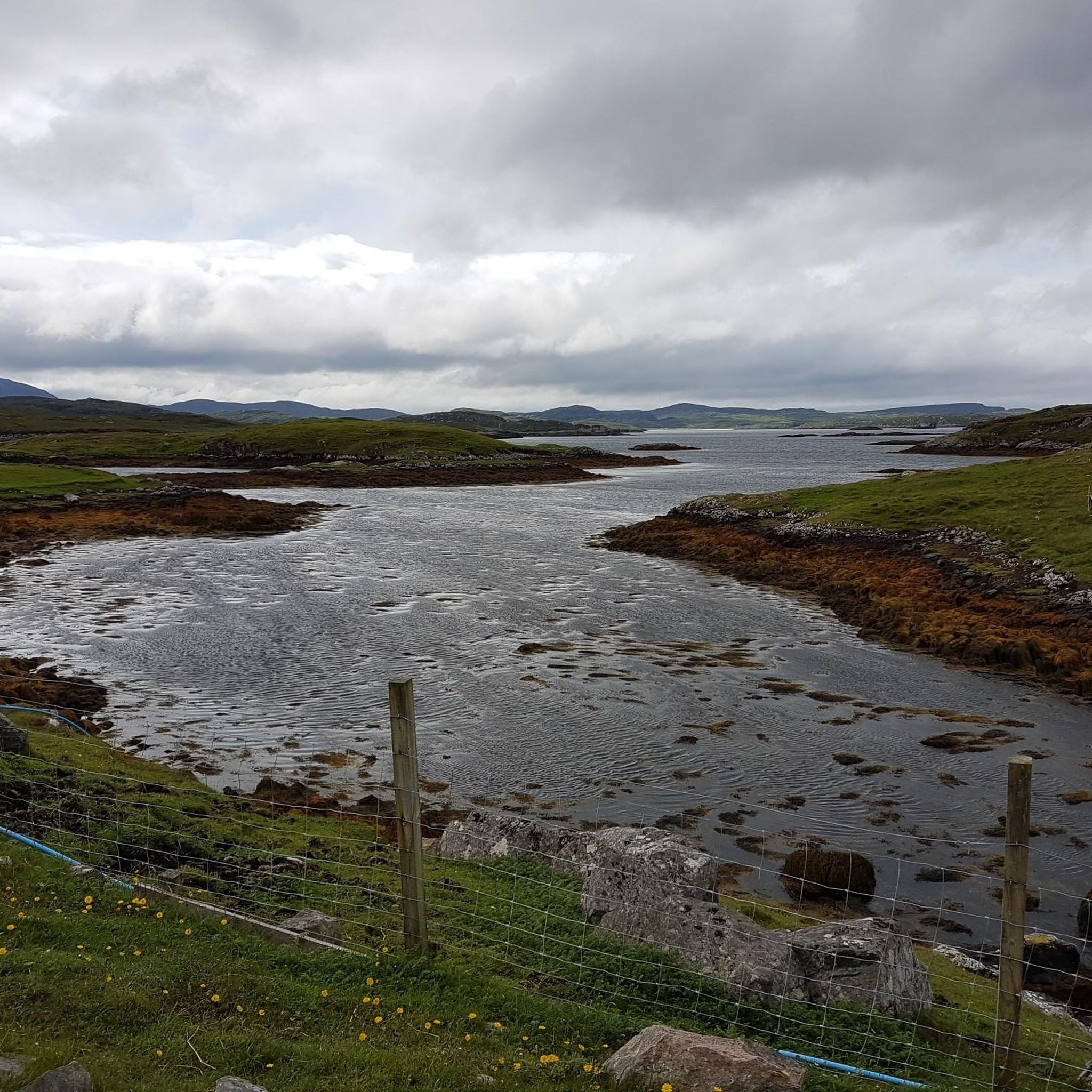
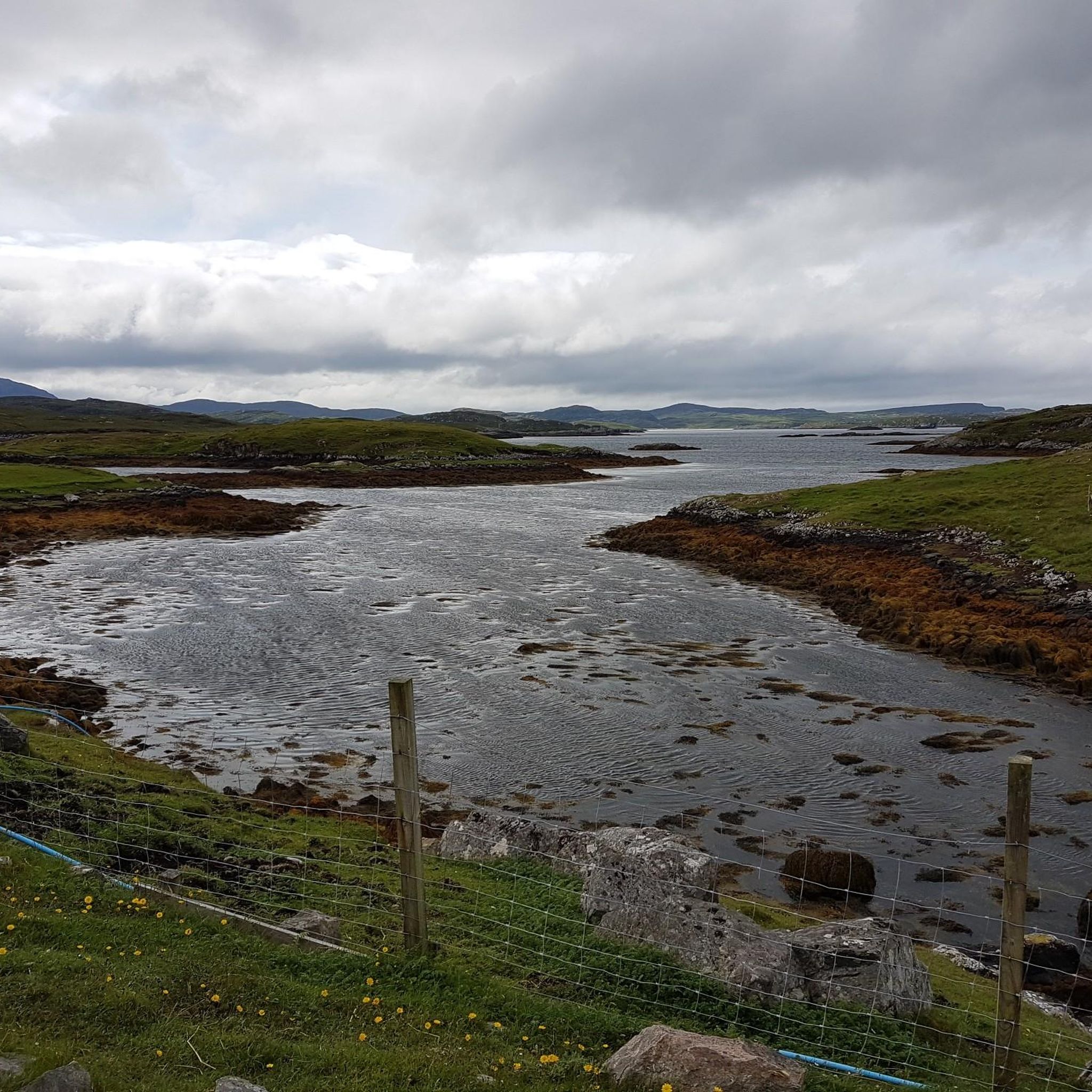
Hiking in Fuaigh Mor offers a unique experience, as it is an uninhabited island in the Outer Hebrides without marked trails. The landscape is characterized by rugged coastline, low-lying hills of Lewisian gneiss, and the ruins of former croft houses. Hikes in the area typically explore the nearby islands of Great Bernera and Lewis, which provide views across Loch Ròg towards Fuaigh Mòr and feature a mix of coastal paths, sandy beaches, and historical sites.
Best hiking trails in Fuaigh…
Last updated: July 8, 2026
4.6
(12)
55
hikers
11.5km
03:06
150m
150m
The Breaclete & Bostadh Beach loop offers a moderate hiking experience across 7.1 miles (11.5 km), with an elevation gain of 494 feet (151 metres), typically completed in 3 hours…
4.6
(15)
72
hikers
10.2km
02:44
110m
110m
Embark on the Bhaltos Peninsula Loop, a moderate hike covering 6.3 miles (10.2 km) with an elevation gain of 373 feet (114 metres), typically taking 2 hours and 43 minutes.…

Sign up for free
4.5
(11)
78
hikers
3.17km
00:49
20m
20m
Easy hike. Great for any fitness level. Easily-accessible paths. Suitable for all skill levels.
4.8
(9)
30
hikers
7.08km
01:57
120m
110m
Easy hike. Great for any fitness level. Easily-accessible paths. Suitable for all skill levels.
5.0
(1)
5
hikers
1.26km
00:20
10m
10m
Easy hike. Great for any fitness level. Easily-accessible paths. Suitable for all skill levels.
Our route recommendations are based on thousands of hikes, rides, and runs completed by other people on komoot.
Start today with a free account
Your next adventure awaits.
Login or Signup
Popular around Fuaigh Mor
Tips from the Community


Reconstruction of an Iron Age house
3
0
The current cemetery was built sometime after 1878, when the villagers were resettled elsewhere on the island. Prior to that, the cemetery was located at Little Bernera, which meant transporting the remains across the Kyle by boat. The wall surrounding the cemetery was built from stones from the nearby cleared houses. The first burial took place in 1906, and the area has been expanded twice.
3
0

Thanks for pointing out this as a highlight: there wasn't one on site! I would have thought it was a discarded dresser. Inside (apart from the cash register), there's a fun mix: drink bottles, T-shirts for children aged 7-8, and keychains with a scrap of Tweet fabric. It was so exotic (and a change from the boring walk from one stone circle to the next), I'll gladly give it a thumbs up.
2
0

Unlike other stone circles, the Stones of Callanish, or "Calanais" in Gaelic, on the Isle of Lewis are not evenly hewn, giving each stone its own unique character. Furthermore, Callanish is not just a simple circle, but several interwoven geometric shapes, with a large, four-and-a-half-meter-high monolith at its center. A true stone giant. The surrounding standing stones are shorter, so it almost appears as if it rises toward the center.
5
1
Unlike other stone circles, the Stones of Callanish, or "Calanais" in Gaelic, on the Isle of Lewis are not evenly hewn, giving each stone its own unique character. Furthermore, Callanish is not just a simple circle, but several interwoven geometric shapes, with a large, four-and-a-half-meter-high monolith at its center. A true stone giant. The surrounding standing stones are shorter, so it almost appears as if it rises toward the center.
4
1

Beautiful views of Cliff Beach. When walking down, be sure to stay on the paths to avoid damaging the fragile natural environment.
0
0

Frequently Asked Questions
Are there any marked hiking trails on Fuaigh Mòr itself?
No, Fuaigh Mòr is an uninhabited island and does not have any marked or maintained trails. Hiking here involves navigating rugged, pathless terrain, which is best suited for experienced hikers who are comfortable with self-sufficient exploration. For marked paths, you'll find excellent options on the neighbouring islands of Great Bernera and Lewis.
How do I get to Fuaigh Mòr to go hiking?
Access to Fuaigh Mòr is by water only, as there are no bridges or regular ferry services to the island. To visit, you will need to arrange a private boat charter from a nearby location, such as Great Bernera. Always plan your trip carefully, considering the changeable Hebridean weather.
What is the terrain like for hiking on and around Fuaigh Mòr?
The landscape is defined by its wild and rugged character. Fuaigh Mòr itself is composed of Lewisian gneiss, creating a terrain with low hills, a rocky coastline, and impressive sea cliffs like Creag na h-Iolaire ('eagle crag'). Hikes on the surrounding islands feature a mix of coastal paths, wide sandy beaches, and historical sites.
Are there any easy, family-friendly walks in the area?
Yes, the region offers some easier options. The Callanish III Stone Circle – Callanish II Stone Circle loop from Callanish is a short, 2-mile (3.2 km) walk that is great for all ages and explores a significant historical landscape. It's a fantastic way to experience the ancient history of the Outer Hebrides without a strenuous climb.
Can I take my dog hiking in this region?
While Fuaigh Mòr itself is used for grazing sheep, making it important to keep dogs under very close control, the wider area has suitable trails. On nearby islands, dogs are generally welcome but should be kept on a lead, especially near livestock and during bird nesting seasons (typically April-July) to protect local wildlife.
What is the history of the ruined buildings on Fuaigh Mòr?
The ruins you can see on the east side of the island are the remains of homes and a grain kiln. They are a poignant reminder of the island's former inhabitants, who were evicted during the Highland Clearances in 1841. Exploring these ruins offers a direct connection to the island's human history.
Are there any circular walks with coastal views?
Absolutely. For a fantastic circular route that combines coastal scenery with beautiful beaches, consider the Reef Beach & Cliff Beach loop — Isle of Lewis. This moderate 6.3-mile (10.2 km) trail follows the coastline, crossing expansive sands and offering stunning views over the Atlantic Ocean.
What kind of wildlife might I see while hiking near Fuaigh Mòr?
The Outer Hebrides are a haven for wildlife. Keep an eye out for various seabirds along the coast. With patience and luck, you might spot seals, dolphins, or even minke whales in the waters of Loch Ròg. The wider region is also known for birds of prey, including golden eagles and white-tailed eagles. For more detailed information, you can consult resources from Visit Outer Hebrides.
What do other hikers say about the routes in this area?
The routes around Fuaigh Mòr are highly rated by the komoot community, with an average score of 4.7 stars. Hikers often praise the stunning coastal scenery, the sense of solitude, and the unique opportunity to explore both natural landscapes and ancient historical sites on the same walk.
Is there a longer hike that explores the history of Great Bernera?
Yes, the Breaclete & Bostadh Beach loop is a 7.1-mile (11.5 km) trail that is perfect for this. It takes you around the island of Great Bernera, passing the restored Iron Age village at Bostadh Beach and offering constant views across Loch Ròg towards Fuaigh Mòr.
What should I pack for a hike on Fuaigh Mòr?
Because the island is uninhabited and the weather is unpredictable, you must be self-sufficient. Essential gear includes a map and compass (and GPS as a backup), waterproof and windproof clothing, sturdy hiking boots, plenty of water, food, and a first-aid kit. There are no facilities of any kind on the island.
When is the best time of year to hike around Fuaigh Mòr?
The best time to visit is during the late spring and summer months, from May to September. This period offers the best chance of milder weather and longer daylight hours for exploring. However, the Hebridean weather can be unpredictable year-round, so always be prepared for wind and rain, even on a sunny day.
Most popular routes in Fuaigh Mor

Get inspired with the komoot mobile app


Explore more
Browse the best Hikes in other regions.
