Top 20 Castles around Petronell-Carnuntum
Castles around Petronell-Carnuntum offer a journey through diverse historical periods, from Roman antiquity to noble eras. This region, situated on the Danube, is renowned for its archaeological park showcasing a significant Roman city. Visitors can explore both ancient fortifications and later Baroque structures, providing insights into centuries of European history. The area combines historical landmarks with natural landscapes along the river.
Best castles around Petronell-Carnuntum
- The most popular castles is Devín Castle, a castle that served as an important historical crossroads and Roman military base. Today, it stands as a historical and restored monument with expositions on the history of the Slavs, offering views of the Danube.
- Another must-see spot is Heimenburg Castle Ruins (Schlossberg Hainburg), a medieval castle ruin. From its location on the Schlossberg, visitors can enjoy panoramic views of Hainburg, the Donau-Auen National Park, and Bratislava.
- Visitors also love Schloss Hof Palace and Gardens, a Baroque palace and gardens. This former hunting lodge of Prince Eugen features restored gardens and hosts various exhibitions and events throughout the year.
- Petronell-Carnuntum is known for its castle ruins, Baroque palaces, and historical castles. The area offers a variety of fortifications and noble residences to explore.
- The castles around Petronell-Carnuntum are appreciated by the komoot community, with more than 400 photos and over 450 upvotes.
Last updated: October 9, 2026
Devín Castle
Highlight • Castle
Translated by Google •
Tip by

Hainburg Castle
Highlight • Castle
According to legend, it takes its name from Heimo, the cupbearer of Arnulf of Carinthia, who commissioned it with the construction of a church and a castle (today's Bad Deutsch-Altenburg).
1042 were this castle in Bad Deutsch-Altenburg by Henry III. destroyed. At that time the chronicler Hermann von Reichenau called the "Heimenburg (Hainburg) and Brezesburg (Bratislava) very populous cities".
Emperor Henry III. ordered around 1050 at the Nuremberg Congress to build on the castle hill in today's Hainburg on the Danube, the Heimenburg new. It was destroyed in the 2nd Turkish siege in 1683. After 1742, due to the construction of the new castle at the foot of the castle hill, the decline of the castle occurred. (Wikipedia)
Translated by Google •
Tip by
Sign up now to discover places like this
Get recommendations on the best single tracks, peaks, & plenty of other exciting outdoor places.
Schloss Hof Palace and Gardens
Highlight • Castle
schlosshof.at
Translated by Google •
Tip by

Röthelstein Castle Ruins
Highlight • Castle
Translated by Google •
Tip by

March Gate, Schloss Hof
Highlight • Monument
Translated by Google •
Tip by

Sign up for free to discover even more castles around Petronell-Carnuntum.
Already have an account?
Start today with a free account
Your next adventure awaits.
Popular around Petronell-Carnuntum
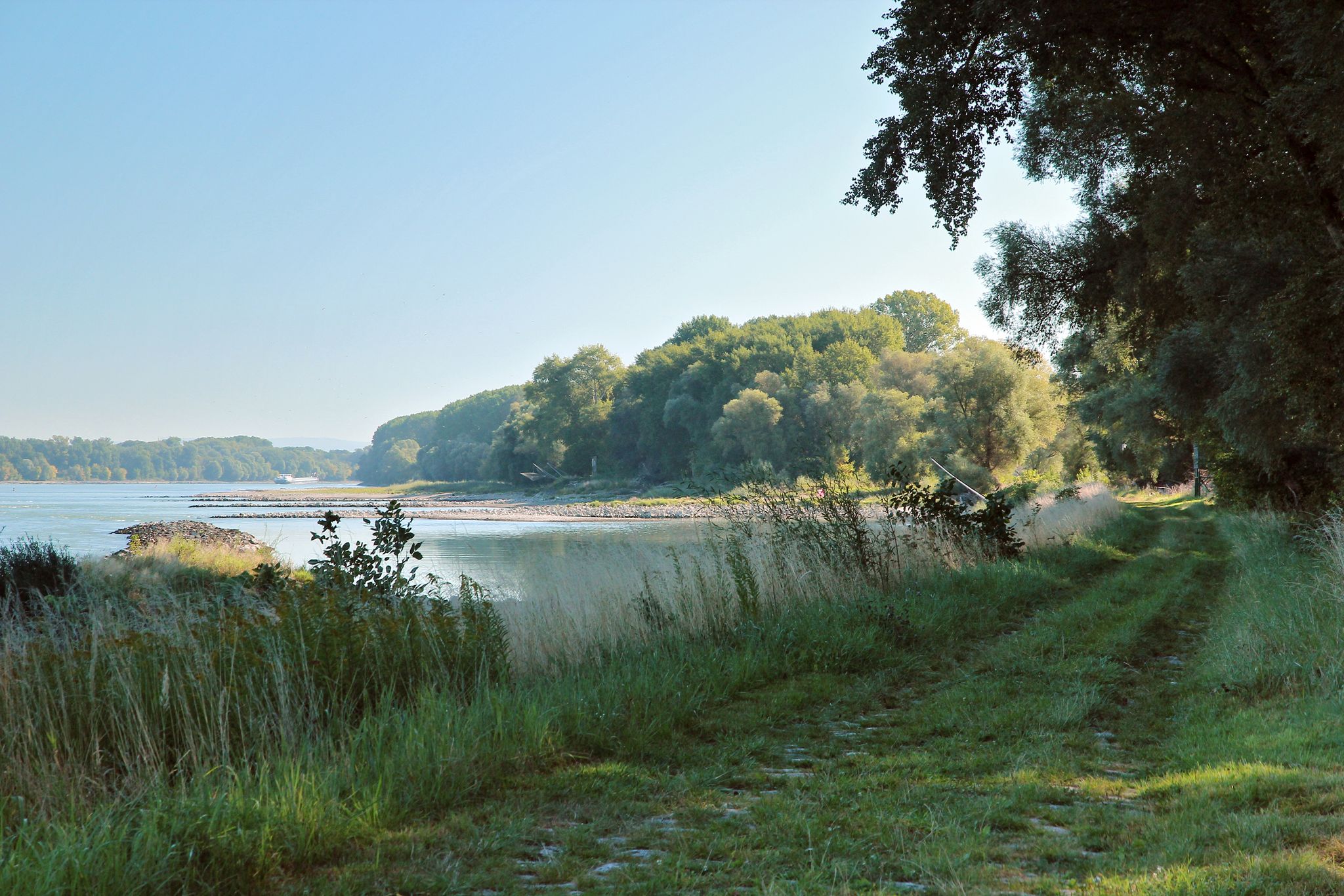
From Vienna to the state border at Hainburg - Tours in the National Park Donau-Auen
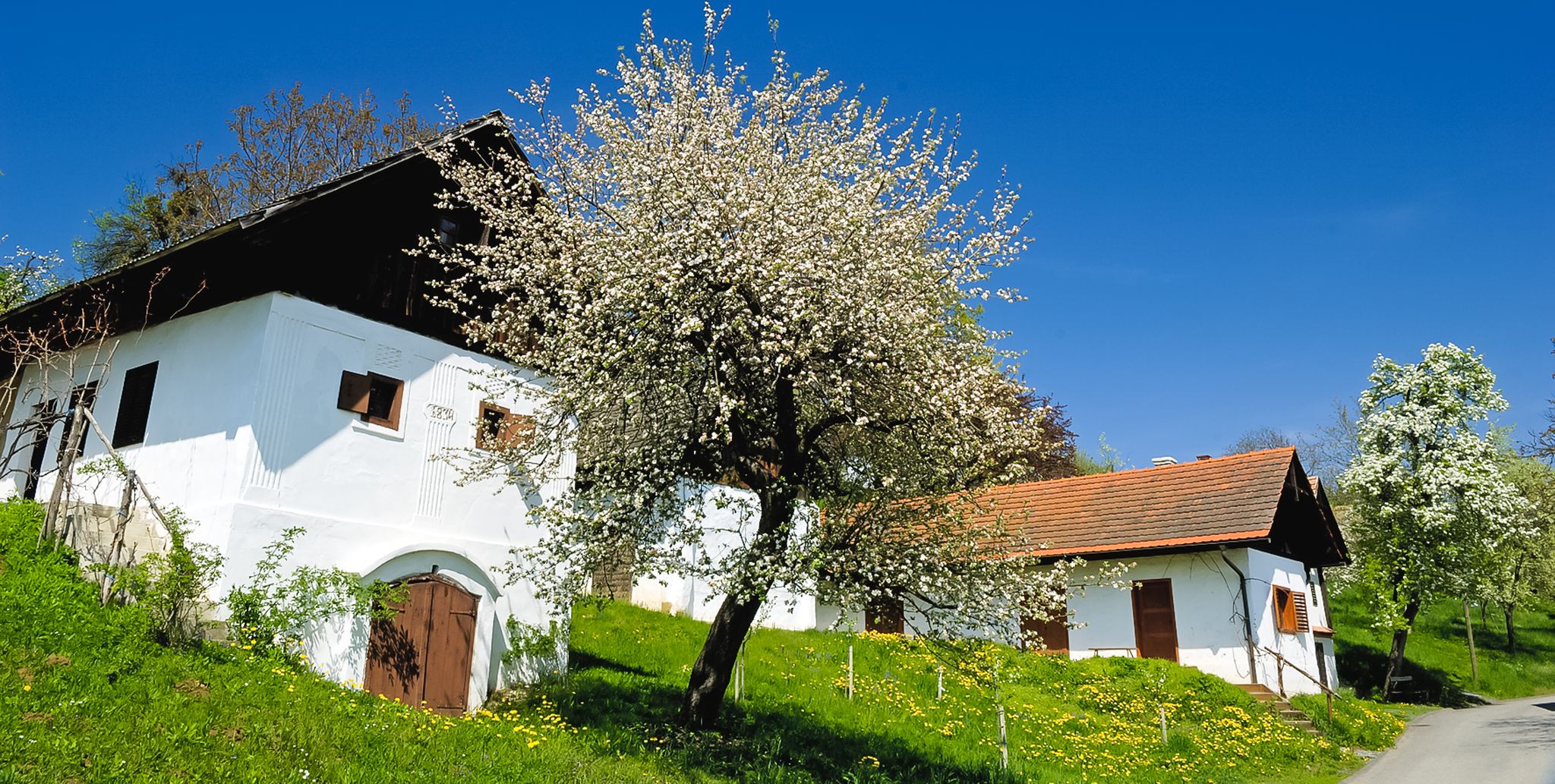
Roman paths in the Burgenland – Amber Trail East Route
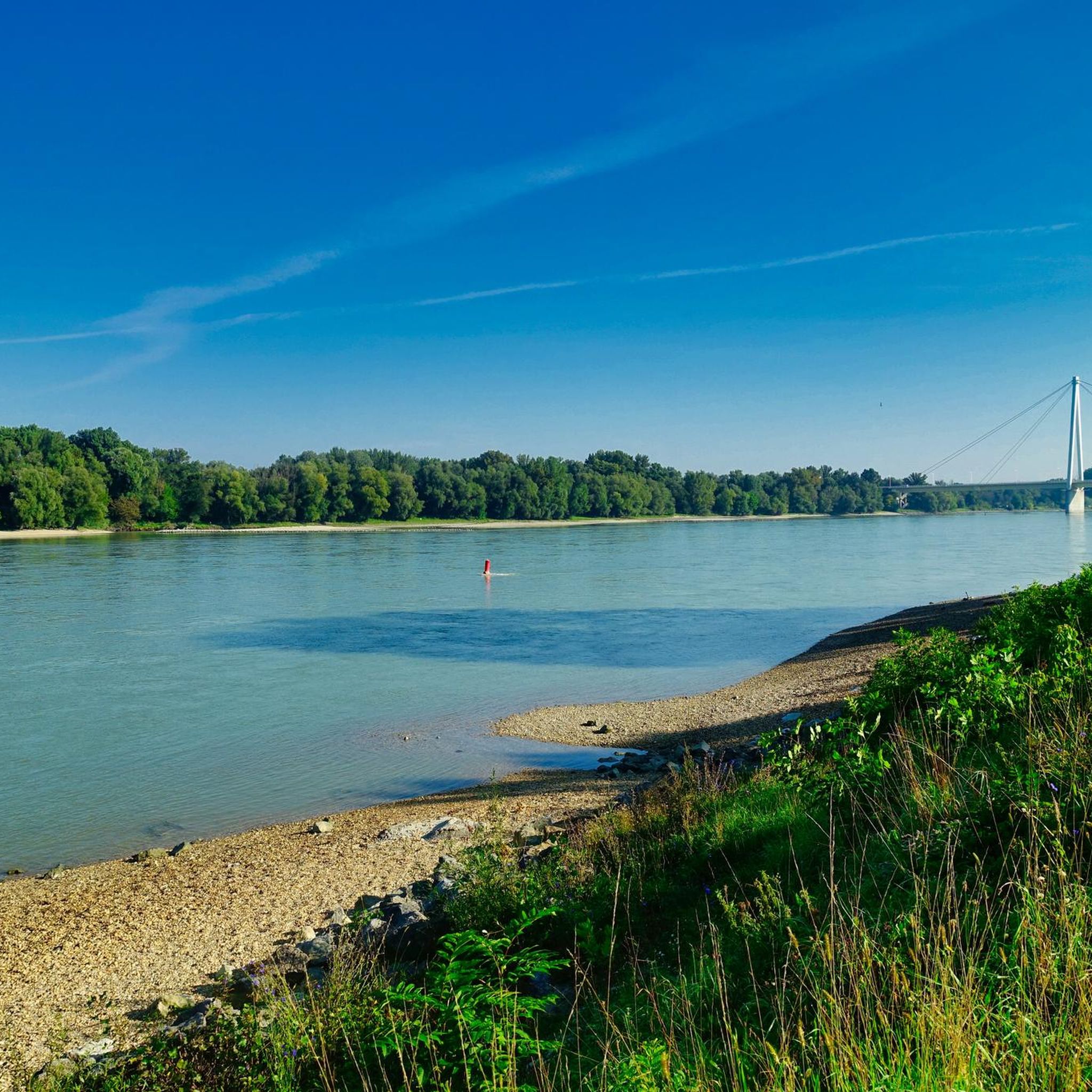
Cycling around Petronell-Carnuntum
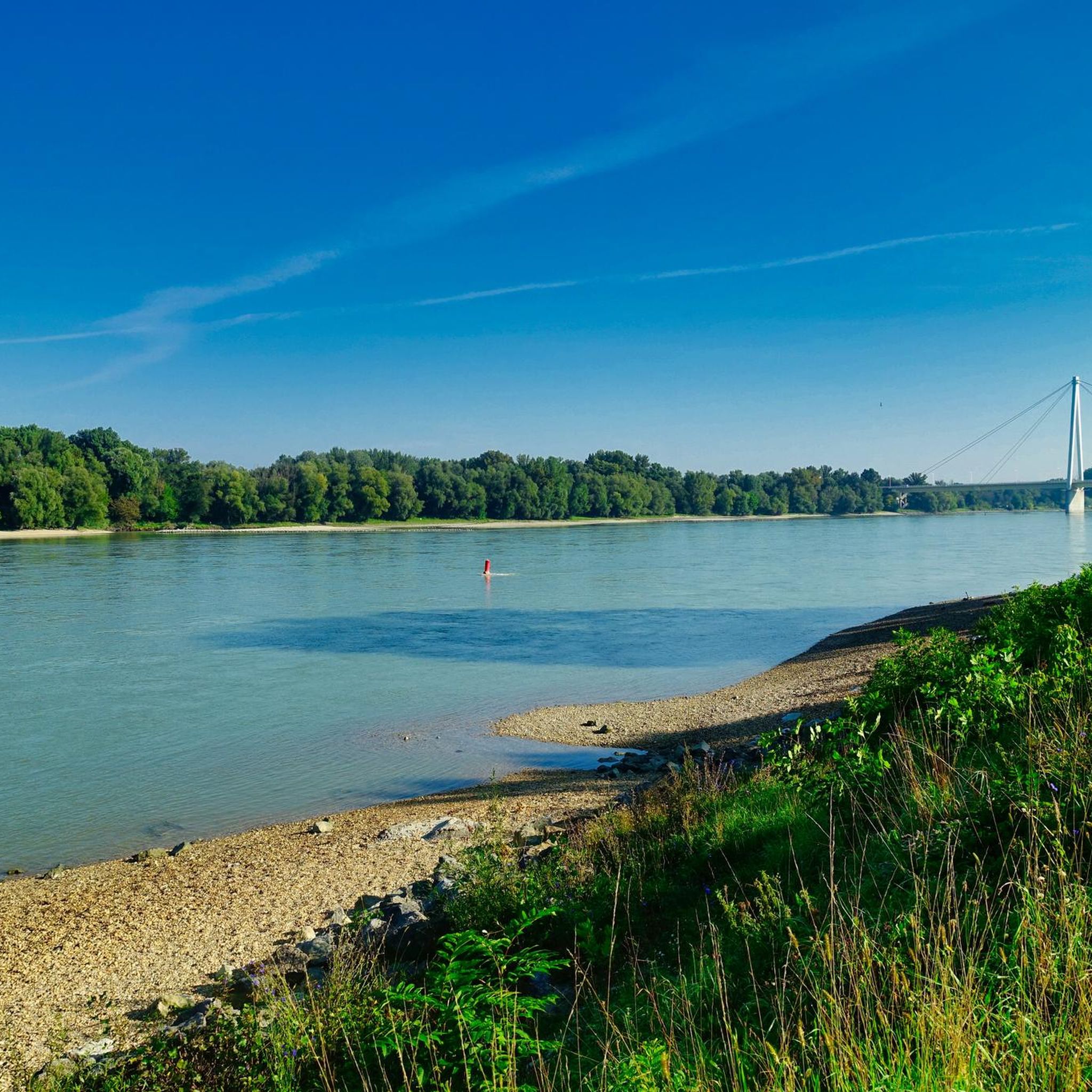
Road Cycling Routes around Petronell-Carnuntum
Hiking around Petronell-Carnuntum
Running Trails around Petronell-Carnuntum
MTB Trails around Petronell-Carnuntum

Gravel biking around Petronell-Carnuntum


Tips from the Community

Even if you don't have time to visit the castle and the surrounding park, at least you get a view of the back from here!
0
0

The magnificent Baroque building can be seen from afar. The gardens are a feast for the eyes and invite you to linger after or during a visit to the rooms.
0
0

Palace, garden, and estate: The grounds of Schloss Hof are vast. It's worth admiring this Baroque masterpiece from all angles.
3
0

Schloss Hof is truly an impressive destination! The baroque architecture and the extensive gardens are simply breathtaking. It is a wonderful place to experience history and enjoy the beauty of nature. The events and exhibitions that take place there offer a great opportunity to learn more about the culture and traditions of the region. It is definitely worth a visit!
2
0

Nicer from the outside than from the inside, but definitely a good place for kids.
2
0

The Röthelstein ruins are located on a 30 meter high rocky outcrop on the Danube east of Hainburg, directly opposite the Theben ruins on the Arpad rock in Slovakia. Röthelstein secured the Danube flow on the Austrian side for centuries, and Thebes did this for the Hungarians and Slovaks. Röthelstein Castle was first mentioned in a document in 1180. The first known Röthelsteiners were Ulrich, Heinrich and Irnfried, who were ministerials of the Vohburgers, once one of the most powerful noble families in this area, between 1170 and 1209 and were in their service as lords of the castle. Source: https://burgenkunde.at/niederoesterreich/ruine_roethelstein/ruine_roethelstein.htm
4
0

Hof Castle, once known as Schloßhof and originally Hoff an der March, is one of the largest of the six castles in Marchfeld. It is located east of Vienna in Schloßhof, a district of the market town of Engelhartstetten in the Gänserndorf district in Lower Austria. The castle sits on a hill along the March river terrace, which also forms the border with Slovakia, and is visible from afar. This Baroque palace complex essentially consists of the main building of the palace itself, a seven-terraced Baroque garden that extends from east to west, a Meierhof complex with two orangeries in the north and two impressive stables in the west. Hof Castle is an impressive historical ensemble with a rich history and impressive architecture that attracts visitors from the region and beyond.
3
0

Hainburg is an excellent crossing point to stop for a drink or something to eat.
0
0
Frequently Asked Questions
What are the main historical sites to explore around Petronell-Carnuntum?
The region offers a blend of Roman antiquity and later noble eras. You can explore the expansive Roman City of Carnuntum, an archaeological park with impressive full-scale reconstructions of a Roman city quarter, including public baths and the Heidentor. Additionally, Devín Castle, a significant historical crossroads and former Roman military base, and the Baroque Schloss Hof Palace and Gardens are popular choices.
Are there any family-friendly castles or historical sites to visit near Petronell-Carnuntum?
Yes, Schloss Hof Palace and Gardens is explicitly family-friendly, offering restored gardens and various events. The Roman City of Carnuntum also provides an engaging experience for families to learn about ancient history through its detailed reconstructions.
What is the best time to visit the castles and historical sites in Petronell-Carnuntum?
The spring and autumn months generally offer pleasant weather for exploring both outdoor ruins and castle grounds. Schloss Hof Palace and Gardens is noted as being worth visiting at any time of year, with special exhibitions and events like Christmas markets.
Can I visit Schloss Petronell, and what makes it unique?
Schloss Petronell is a historic Baroque castle, largely shaped in the 17th century. While privately owned and undergoing restoration, it is occasionally accessible during special events. Its unique features include an impressive four-winged complex, a magnificent Knights' Hall with frescoes, and a square inner courtyard that repurposed columns and gravestones from nearby Roman ruins.
What outdoor activities can I do near the castles and historical sites?
The region around Petronell-Carnuntum offers various outdoor activities. You can find easy hikes, such as the Petroneller Hiking Trail or loops around the Roman City of Carnuntum. For cyclists, there are gravel biking routes like the 'Roman Villa Bruckneudorf – Rohrau Castle loop' and road cycling routes, including those along the Danube. You can explore more options on the easy hikes, gravel biking, and road cycling guides for the area.
Are there good viewpoints near the castles in Petronell-Carnuntum?
Yes, several sites offer excellent panoramic views. From the Heimenburg Castle Ruins (Schlossberg Hainburg), you can enjoy views of Hainburg, the Donau-Auen National Park, and Bratislava. Devín Castle also provides beautiful views of the confluence of the Morava and Danube rivers.
What is the difference between the Roman City of Carnuntum and the castles in the area?
The Roman City of Carnuntum is an archaeological park showcasing a crucial Roman legionary fortress and urban center, bringing ancient Roman life back to life through reconstructions. In contrast, sites like Schloss Petronell are Baroque castles, and Heimenburg Castle Ruins are medieval fortifications, representing later noble and defensive structures in the region's history.
What do visitors enjoy most about the castles and historical sites around Petronell-Carnuntum?
Visitors appreciate the rich historical context, from Roman antiquity to Baroque grandeur. The stunning views from castle ruins like Heimenburg Castle Ruins and the well-restored gardens of Schloss Hof Palace are frequently highlighted. The detailed reconstructions at the Roman City of Carnuntum also offer a unique immersive experience.
Are there any dog-friendly historical sites or castles in the area?
While specific indoor access for dogs can vary, outdoor areas and grounds of many historical sites, especially ruins like Heimenburg Castle Ruins, are often accessible for dogs on a leash. It's always best to check individual site regulations before visiting.
Are there cafes or restaurants near the castles and historical sites?
Yes, the towns and municipalities near these sites, such as Petronell-Carnuntum itself and Hainburg an der Donau, offer various dining options. Schloss Hof Palace and Gardens also has facilities on-site, and the Roman City of Carnuntum typically has visitor amenities.
How much time should I allocate for visiting the castles and historical sites?
For a comprehensive visit to the Roman City of Carnuntum, you might need half a day or more due to its expansive nature and detailed reconstructions. Visiting a castle like Schloss Hof Palace and Gardens, including its grounds and exhibitions, could also take several hours. Smaller ruins like Röthelstein Castle Ruins can be explored in a shorter amount of time, often as part of a hike.
What is the historical significance of Devín Castle?
Devín Castle served as an important historical crossroads and a Roman military base as early as the 2nd century. Today, it stands as a restored monument with expositions on the history of the Slavs, offering a deep dive into the region's ancient and medieval past.
Most popular routes around Petronell-Carnuntum
Most popular attractions around Petronell-Carnuntum

Get inspired with the komoot mobile app


Explore more
Looking for the best castles somewhere else? Discover other guides around Petronell-Carnuntum:
