Top 18 Castles around Waldkirchen am Wesen
Best castles around Waldkirchen am Wesen are situated in a region characterized by its position along the Danube River. This area features historical fortifications, from medieval ruins to renovated structures, offering insights into the region's past. Visitors can explore these sites via marked walking paths, often providing scenic views of the surrounding natural landscape. The blend of historical architecture and riverine scenery makes it a notable destination for outdoor enthusiasts.
Best castles around Waldkirchen am Wesen
- The most popular castles…
Last updated: July 6, 2026
Falkenstein Castle Ruins
Highlight • Castle
Translated by Google •
Tip by

Marsbach Castle
Highlight • Castle
Translated by Google •
Tip by

Sign up now to discover places like this
Get recommendations on the best single tracks, peaks, & plenty of other exciting outdoor places.
Sign up for free
Stauf Castle Ruins
Highlight • Castle
Translated by Google •
Tip by
Ruins of Neujochenstein Castle
Highlight • Castle
Translated by Google •
Tip by

Altjochenstein Castle Ruins
Highlight • Castle
Translated by Google •
Tip by

Sign up for free to discover even more castles around Waldkirchen am Wesen.
Sign up for free
Already have an account?
Start today with a free account
Your next adventure awaits.
Login or Signup
Popular around Waldkirchen am Wesen
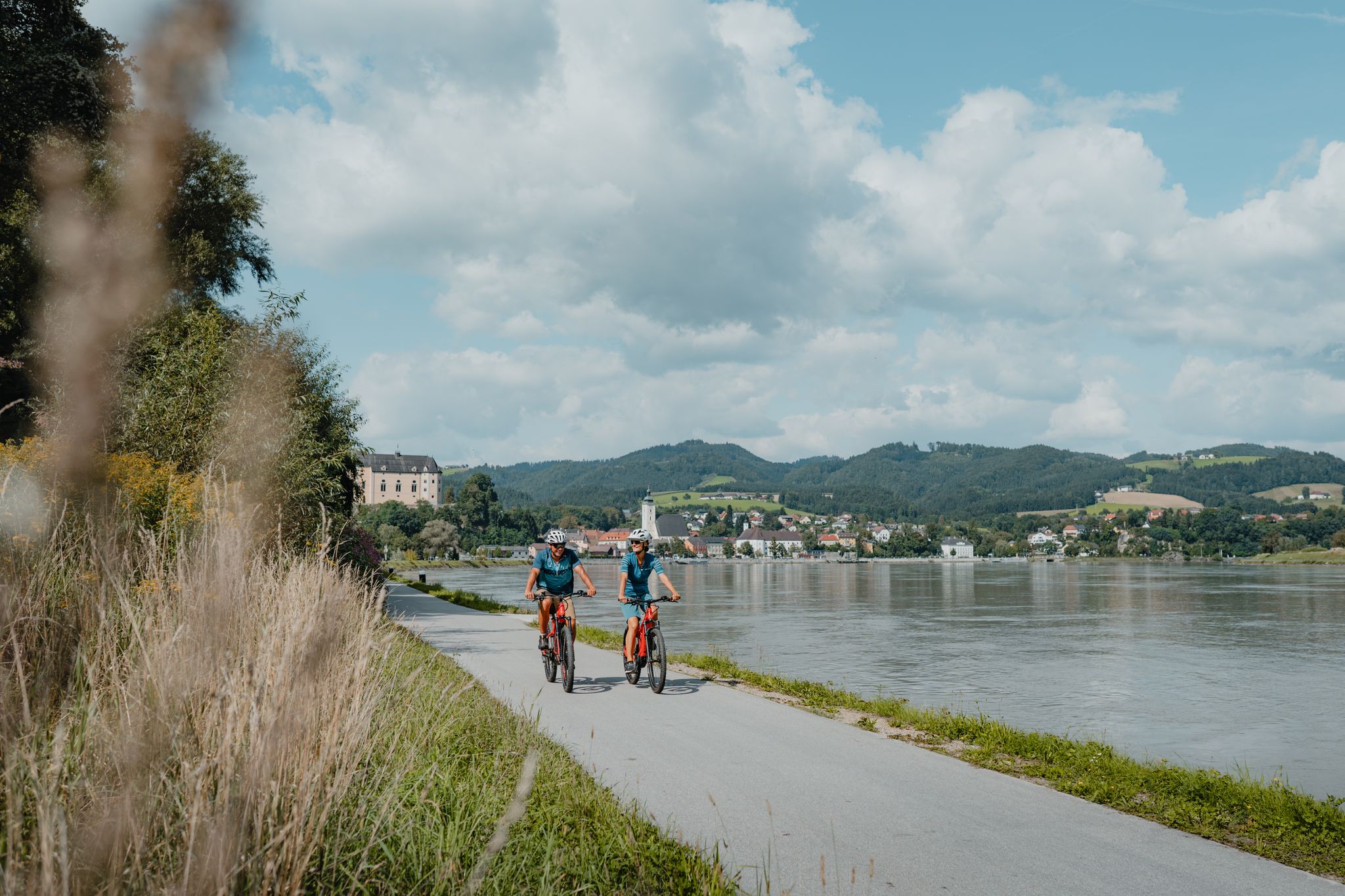
E-bike Tours in the Danube region in Upper Austria

The most beautiful leisurely cycling routes in Upper Austria
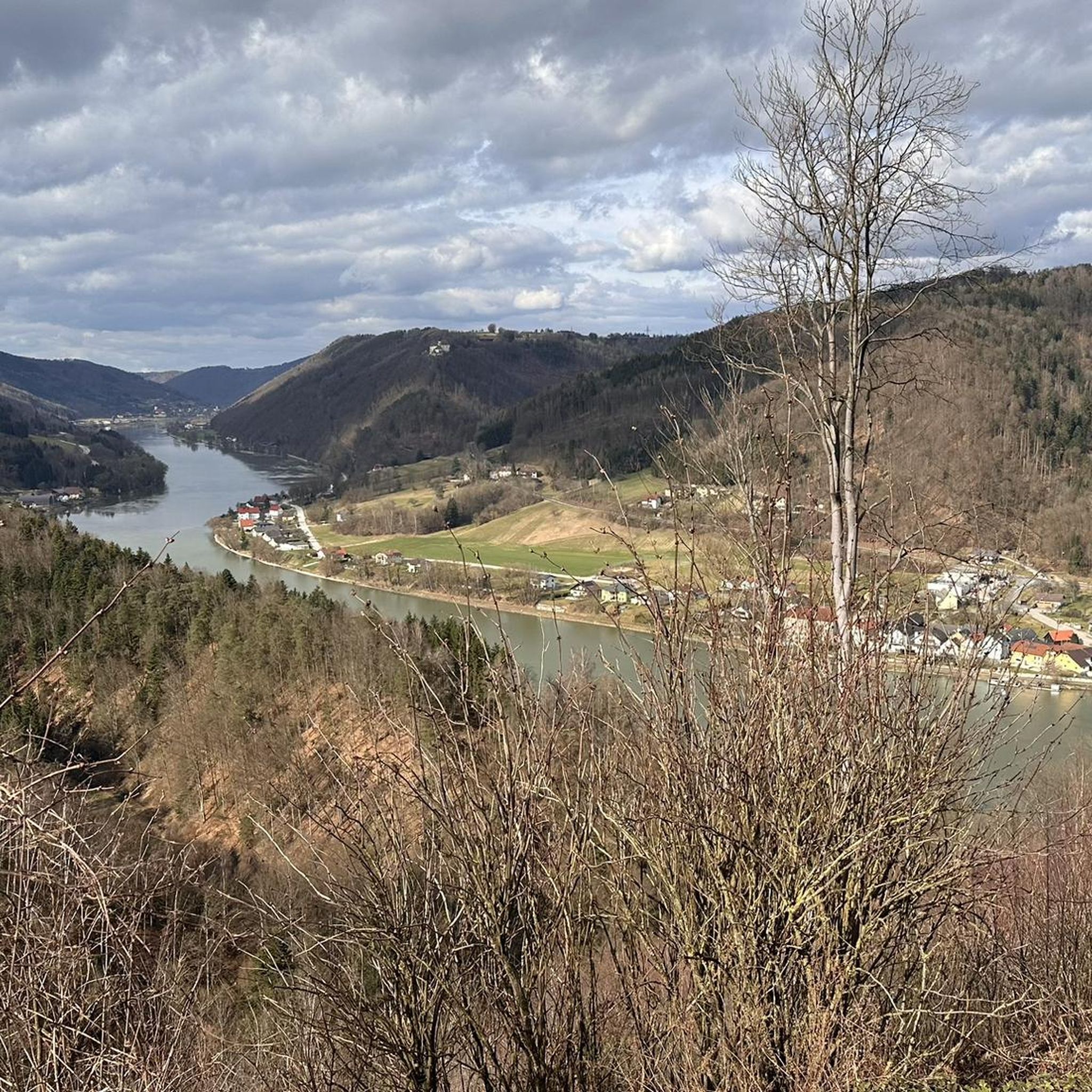
Cycling around Waldkirchen am Wesen
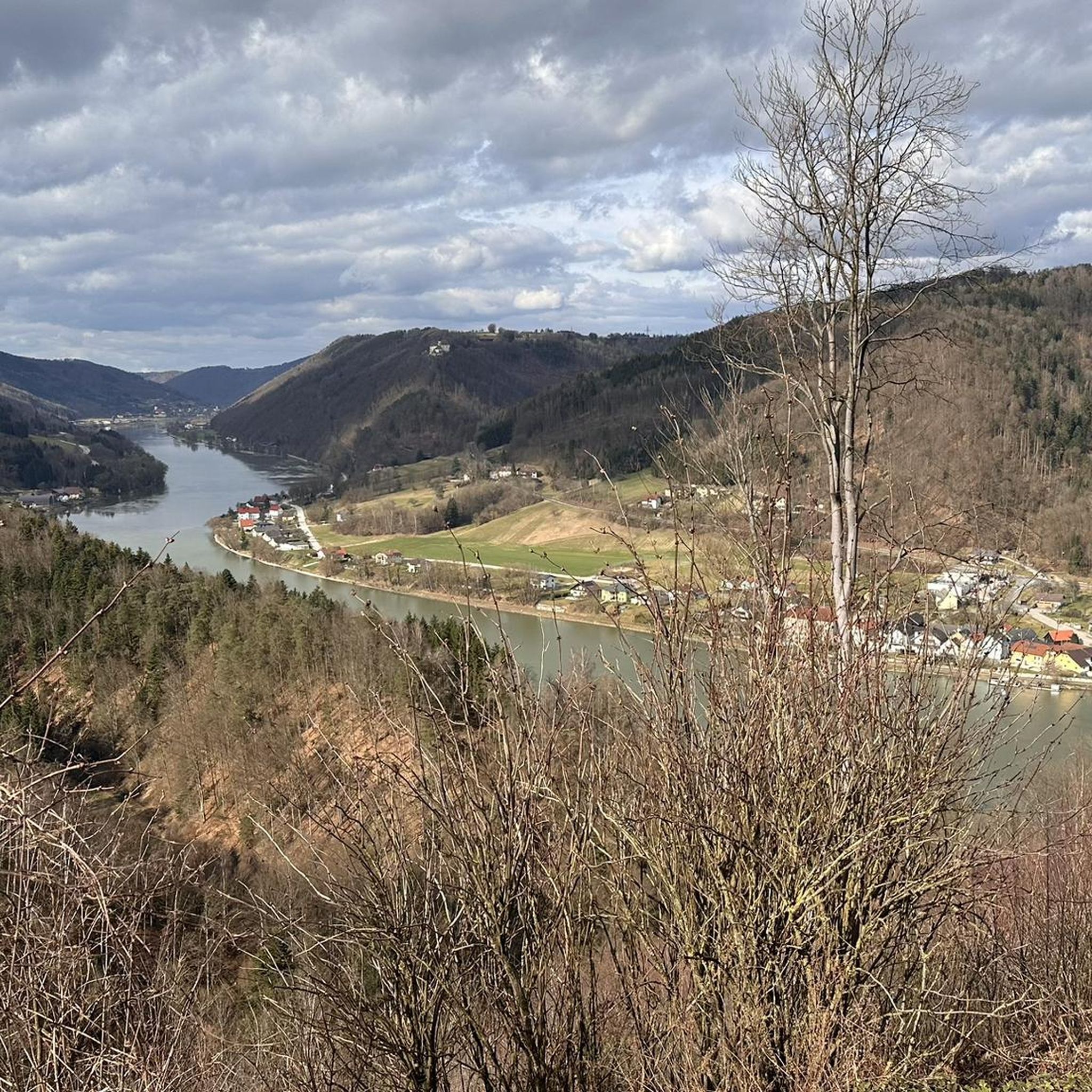
MTB Trails around Waldkirchen am Wesen
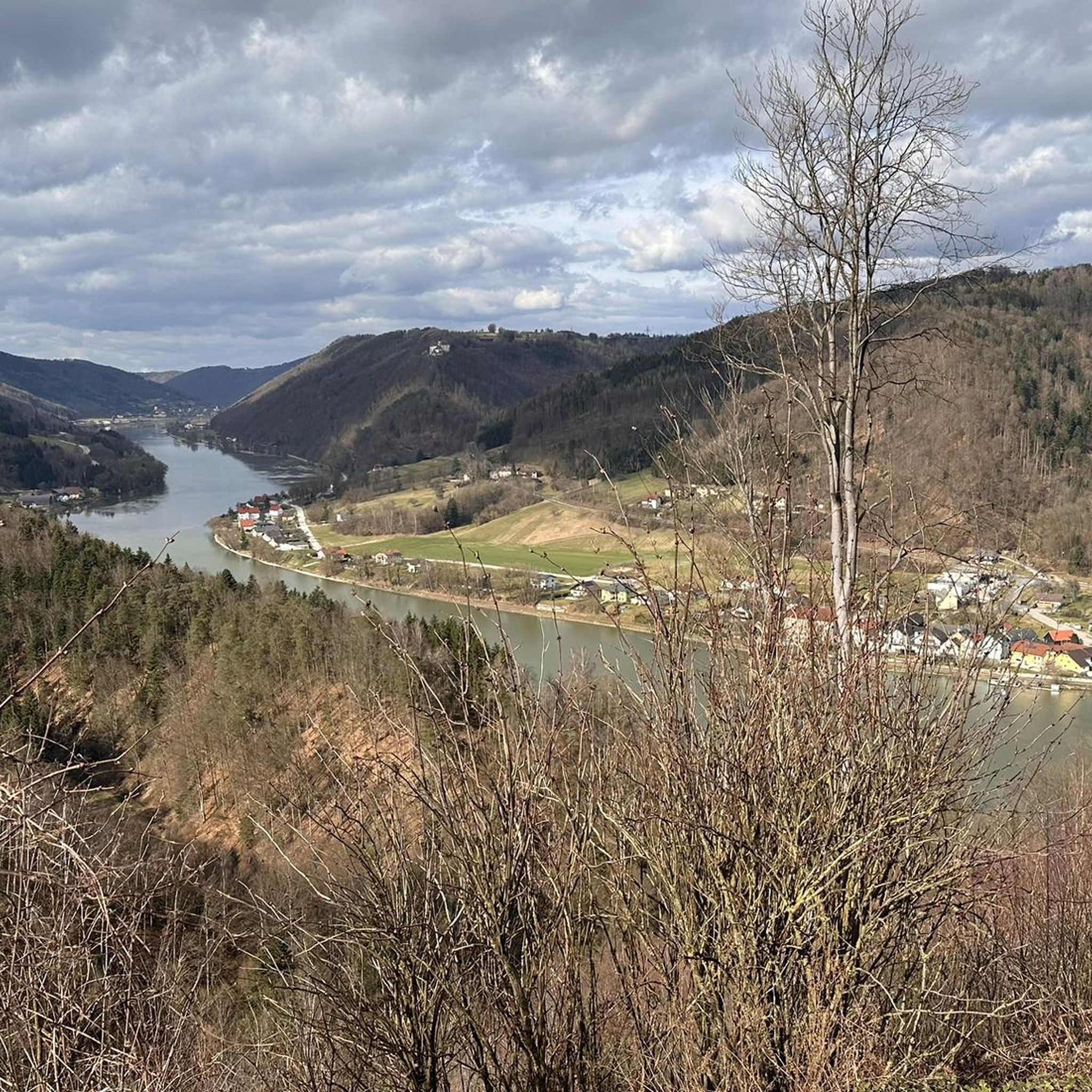
Road Cycling Routes around Waldkirchen am Wesen
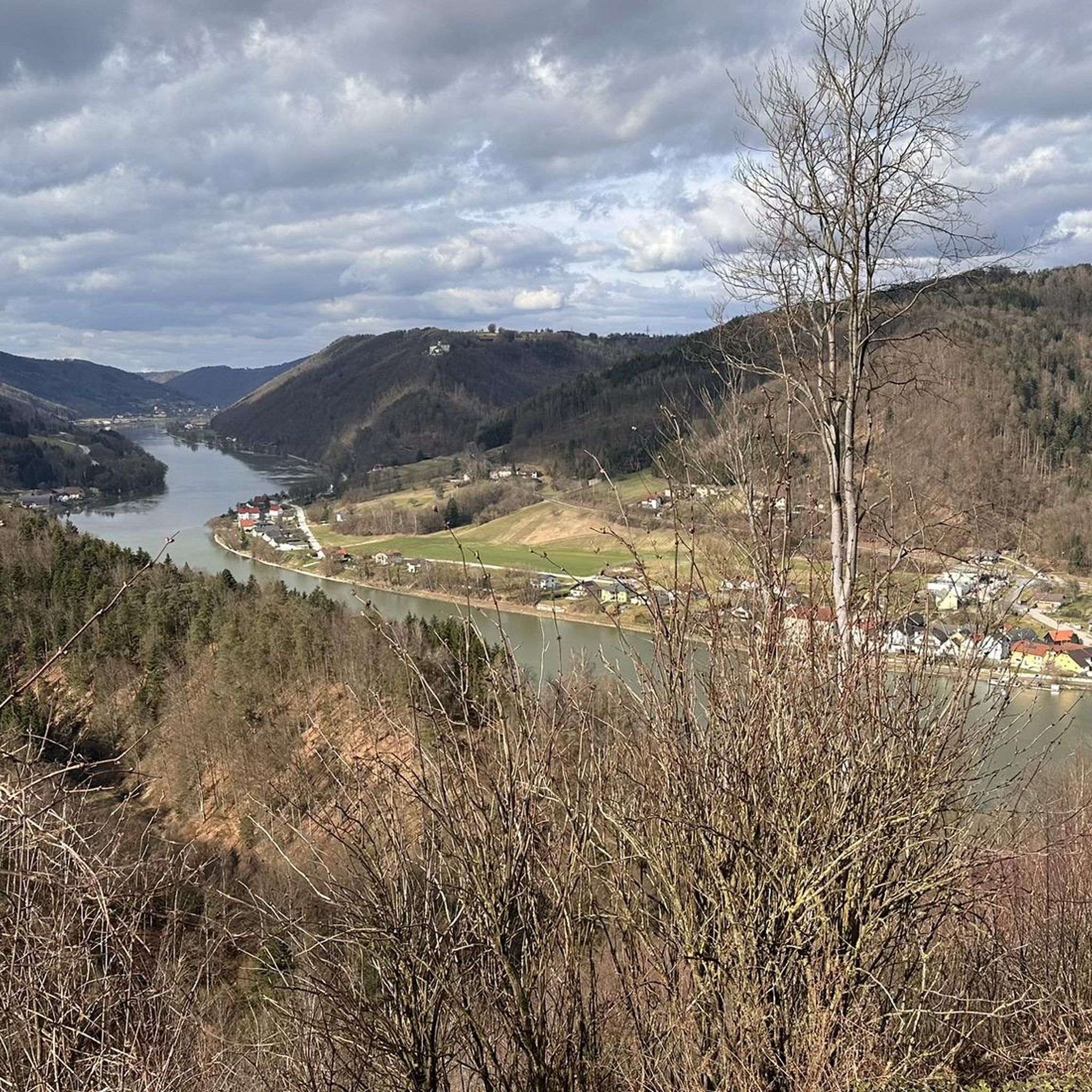
Hiking around Waldkirchen am Wesen
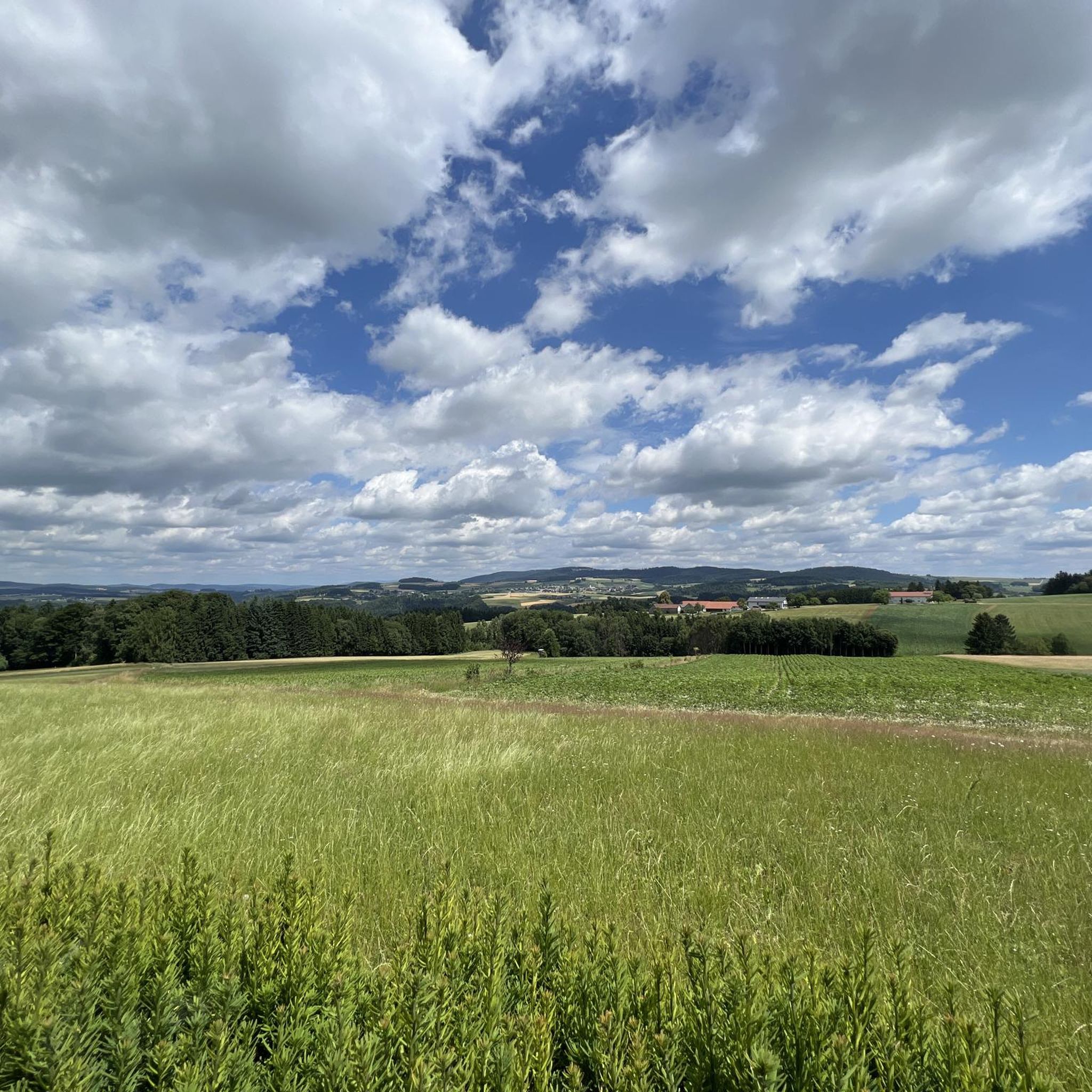
Running Trails around Waldkirchen am Wesen

Mountain Hikes around Waldkirchen am Wesen


Tips from the Community

old castle ruins of Jochenstein
0
0

The Stauf Castle ruins are an impressive medieval hilltop castle in Haibach ob der Donau, built in the first half of the 12th century by Wernhard de Stove, an ancestor of the Counts of Schaunberg
0
0

800 years old. Unfortunately, only this defensive tower remains.
0
0

Beautiful hike through the beech forest, away from the forest path. Insider path, 😉 strenuous but with great different views 🤗😉
0
0

The Neujochenstein castle ruins are the ruins of a hilltop castle on a hill above the Danube near the Jochenstein at 583 m above sea level. It is located on the outskirts of Riedl, a village in the municipality of Untergriesbach in the Lower Bavarian district of Passau. The Neujochenstein castle was probably founded due to a lack of space on the Altjochenstein castle, which is only a few hundred meters away, and was first mentioned in a document in 1299, when its owner, Eberwein von Jochenstein, granted Bishop Wernhard of Passau (Diocese of Passau) extensive access rights. In 1310 the castle was sold and occupied by caretakers (burgraves or bailiffs who were responsible for the administration and defense of a castle or monastery) until the 16th century. After that the castle quickly fell into disrepair. From 2006 to 2007 the municipality of Untergriesbach carried out renovation work on the remains of the castle. Source: https://de.wikipedia.org/wiki/Burgruine_Neujochenstein
2
0
The Jochensteiners and Johannsteiners were probably servants of the Lords of Griesbach, who in turn had their ancestral seat in nearby Untergriesbach. The Griesbachers were wealthy in the area during the 12th and 13th centuries. The castle was probably built during the first half of the 12th century, the name of the castle first appears in 1222, the castle nobility was only mentioned in 1264 as Alkherus de Jokenstein. In 1269 an Eswain von Jochenstein was mentioned. At the turn of the century, the Bishopric of Passau was granted the right to use the castle, later it was sold to the bishopric in its entirety. It is not certain which of the two castles was meant, but it was probably Neujochenstein Castle. Altjochenstein Castle was probably abandoned during the 13th century, and the Jochensteiners probably died out in the 14th century. Source: https://de.wikipedia.org/wiki/Burgruine_Altjochenstein
1
0
The path to the castle ruins is not that easy. First it goes steeply downhill, then a little up and down until you are standing in front of it. At the ruins there are signs warning of falling rocks. The ruins look as if they could collapse at any moment. But it's worth it!
1
0

From Falkenstein, Schlägl Abbey and the district capital Rohrbach were founded.
7
0
Frequently Asked Questions
What historical periods do the castles around Waldkirchen am Wesen represent?
The castles in the region span various historical periods. You can explore medieval fortifications like the Burgruine Wesen, which began construction in 1138, or the Falkenstein Castle Ruins, first mentioned in 1140. Later structures, such as Schloss Niederwesen, primarily date back to the 17th century with 19th-century renovations, showcasing different architectural styles.
Are there family-friendly castles to visit in the area?
Yes, several castles are suitable for families. The Falkenstein Castle Ruins and Stauf Castle Ruins are both categorized as family-friendly. The short hike to Stauf Castle Ruins, for instance, offers beautiful views and is manageable for a family outing.
What kind of views can I expect from the castles?
Many castles offer scenic views of the surrounding landscape, particularly the Danube River. From Marsbach Castle, you can see the Danube from Niederranna to the Schlögener Schlinge. The Burgruine Wesen, perched high above the Danube, also provides expansive vistas.
Are there hiking trails near the castles?
Yes, the region offers numerous hiking opportunities. You can find routes like the 'Rocky Forest Trail' or the 'Schlögen Loop' which pass near historical sites. For more options, explore the Hiking around Waldkirchen am Wesen guide, which includes trails of varying difficulties.
What is the best time to visit the castle ruins?
Visiting during winter is particularly recommended for ruins like the Burgruine Wesen. With minimal vegetation, the stone structures and architectural details are clearer, offering a better appreciation of their medieval craftsmanship.
Can I access the interior of the castles?
Access varies by castle. For the Burgruine Wesen, only exterior viewing is possible as it is privately inhabited. However, the fortified tower at Falkenstein Castle Ruins is accessible, though a torch or light is recommended for the interior.
Are there any castles that have been repurposed or renovated for modern use?
Yes, Schloss Niederwesen, located in Wesenufer, has been extensively adapted and now operates as a seminar hotel and cultural event venue. Its renovation was recognized by the Federal Monuments Office.
What are some unique architectural features to look for?
At Schloss Niederwesen, observe the distinctive two-story Tuscan arcades in the inner courtyard, dating from the 17th century. For medieval construction, the Burgruine Wesen showcases 12th-century techniques and masonry patterns.
Are there any castles that are more challenging to reach?
Some castle ruins, like Altjochenstein Castle Ruins, are categorized as intermediate to challenging to reach, often involving forest paths. The Falkenstein Castle Ruins also fall into the challenging category due to their location high above the Ranna.
What do visitors enjoy most about the castles in Waldkirchen am Wesen?
Visitors appreciate the tangible connection to the region's medieval past and the strategic importance of these fortifications. The scenic views, especially over the Danube, and the opportunity for short hikes to places like Stauf Castle Ruins are also highly valued.
Are there any castles that are just ruins with only parts remaining?
Yes, the Ruins of Neujochenstein Castle are a prime example, where only the keep remains. Its 5-storey structure is still visible from a 20-meter high corner wall, offering a glimpse into its original form from around 1350.
Can I combine a castle visit with other outdoor activities?
Absolutely. The region around Waldkirchen am Wesen is ideal for combining historical exploration with outdoor activities. You can find various running trails and easy hikes that pass by or lead to these historical sites, allowing you to enjoy both nature and history.
Most popular routes around Waldkirchen am Wesen
Most popular attractions around Waldkirchen am Wesen

Get inspired with the komoot mobile app


Explore more
Looking for the best castles somewhere else? Discover other guides around Waldkirchen am Wesen:
