The 20 Most Amazing Peaks around Obervellach
Best mountain peaks around Obervellach, nestled in Carinthia, Austria, offer diverse experiences for hikers and mountaineers. The region is characterized by its mountainous landscape, providing access to prominent peaks within the Hohe Tauern. These mountains feature granite and gneiss formations, with some peaks presenting challenging high alpine conditions. The area provides numerous viewpoints across the eastern Hohe Tauern.
Best mountain peaks around Obervellach
- The most popular mountain peaks is Nassfeldriegel Summit (2,236 m), a summit that is easy to…
Last updated: June 22, 2026
Ankogel Summit
Highlight • Summit
Translated by Google •
Tip by

Mallnitz-Obervellach Train Station
Highlight • Rest Area
Translated by Google •
Tip by

Sign up now to discover places like this
Get recommendations on the best single tracks, peaks, & plenty of other exciting outdoor places.
Sign up for free
Nassfeldriegel Summit (2,236 m)
Highlight • Summit
Translated by Google •
Tip by

Säuleck Summit (3,086 m)
Highlight • Summit
Translated by Google •
Tip by

Summit cross on Stellkopf
Highlight • Summit
On the last piece, it is advisable to fold up the climbing aid.
Translated by Google •
Tip by

Sign up for free to discover even more peaks around Obervellach.
Sign up for free
Already have an account?
Start today with a free account
Your next adventure awaits.
Login or Signup
Popular around Obervellach
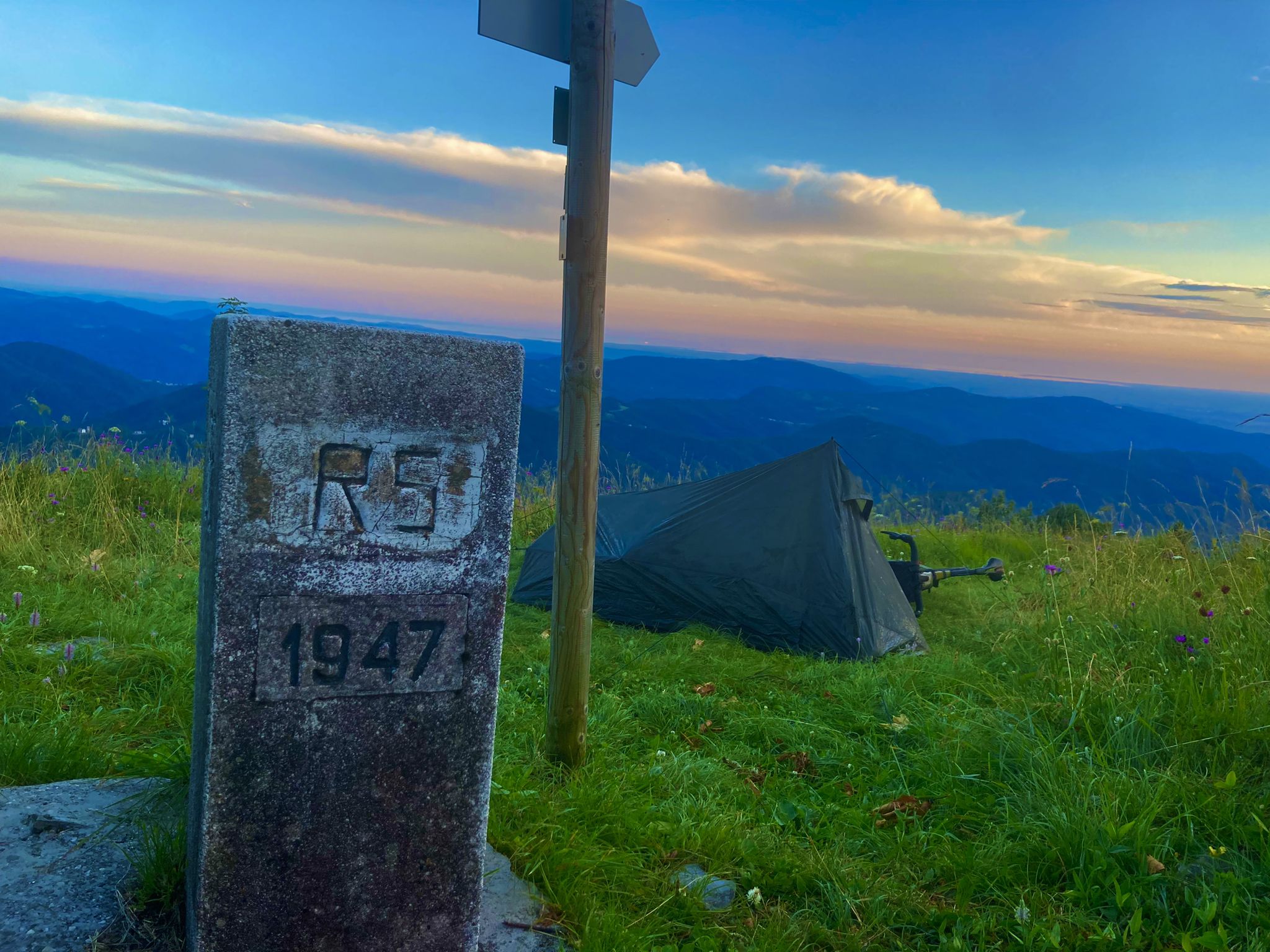
From Bavaria to the Adriatic - My Bikepacking Adventure to Croatia 2023
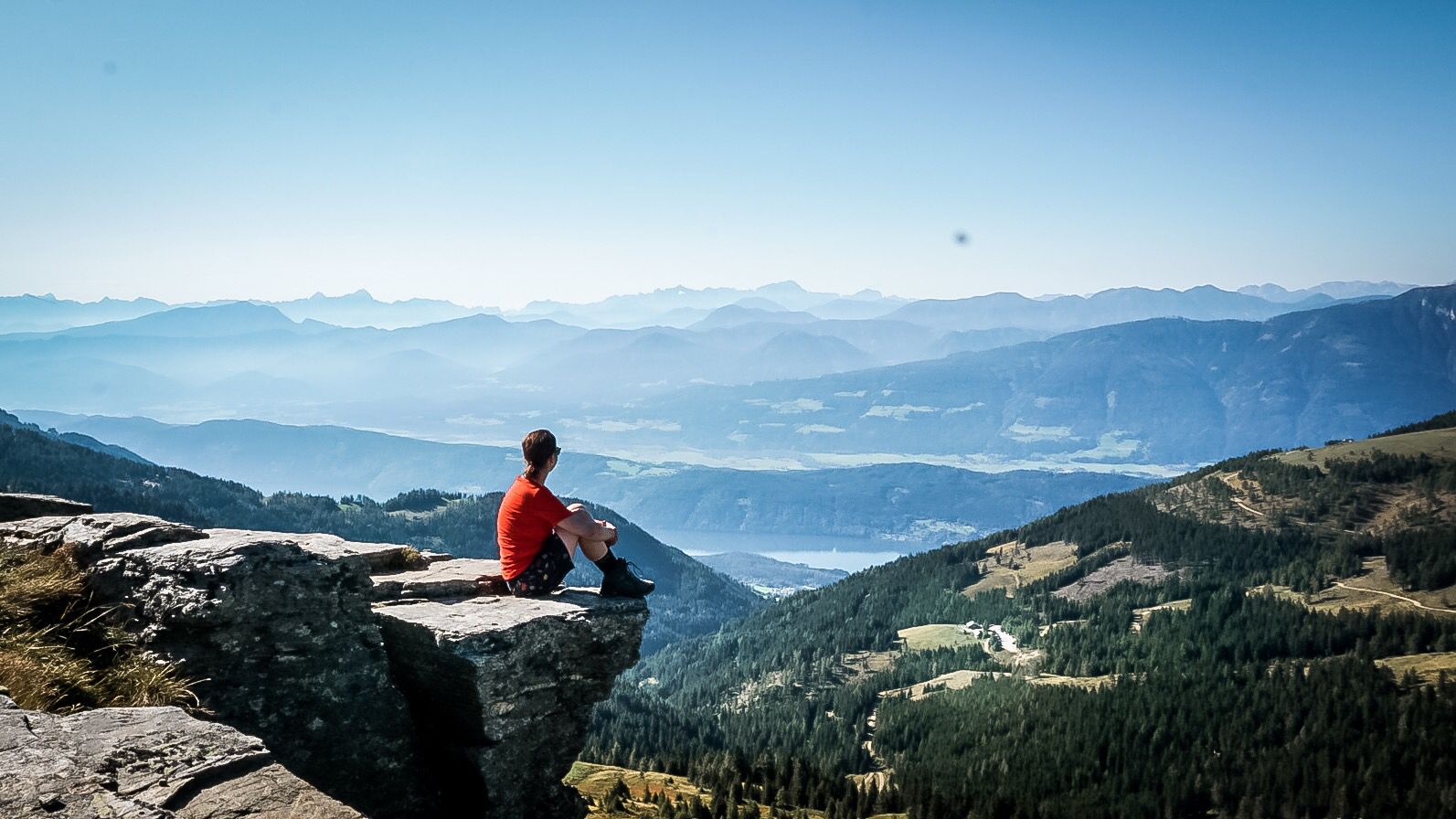
Alpe-Adria-Trail: My long-distance hike from the glacier to the sea
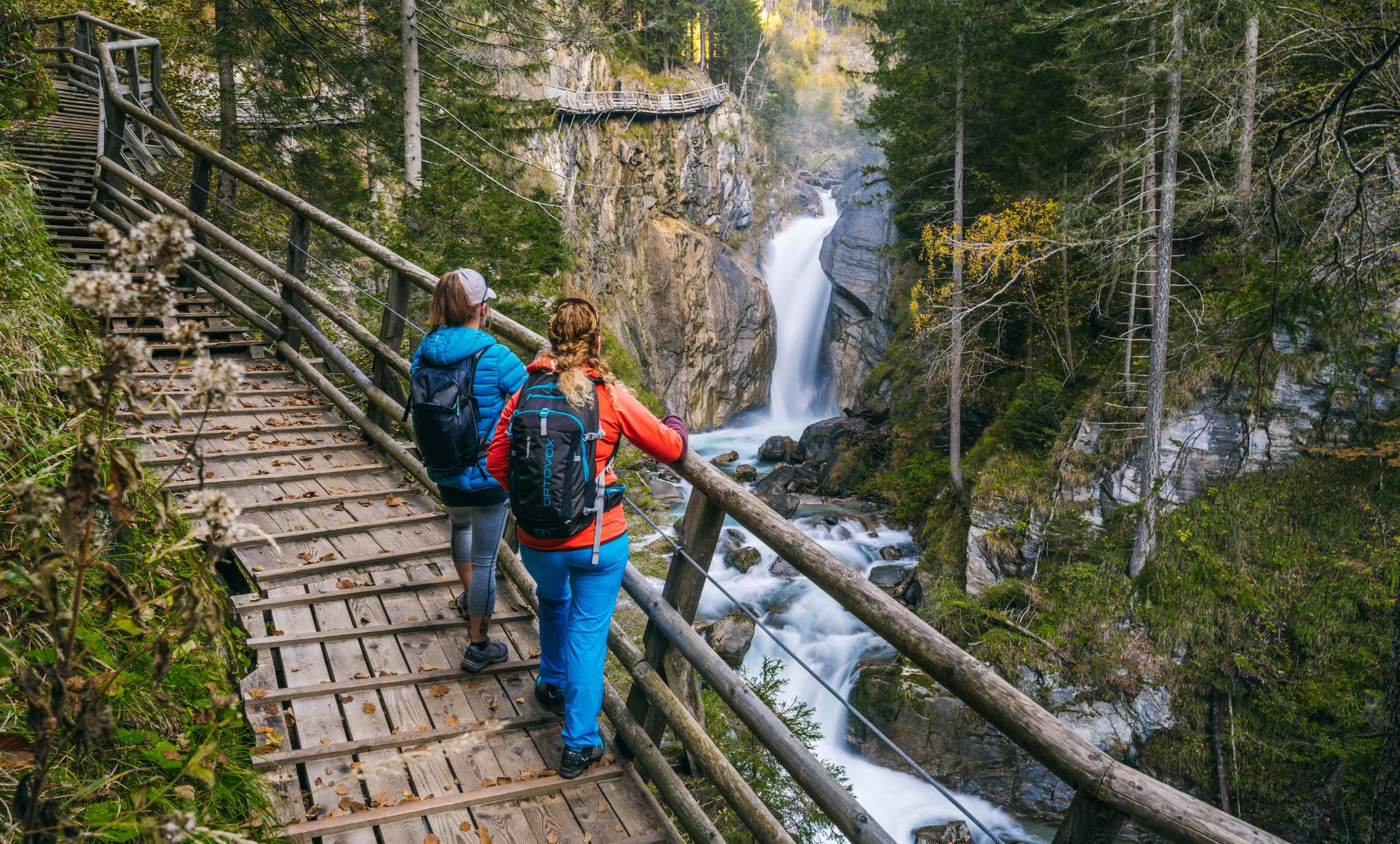
Experiences for all the senses – gorge hikes in the High Tauern
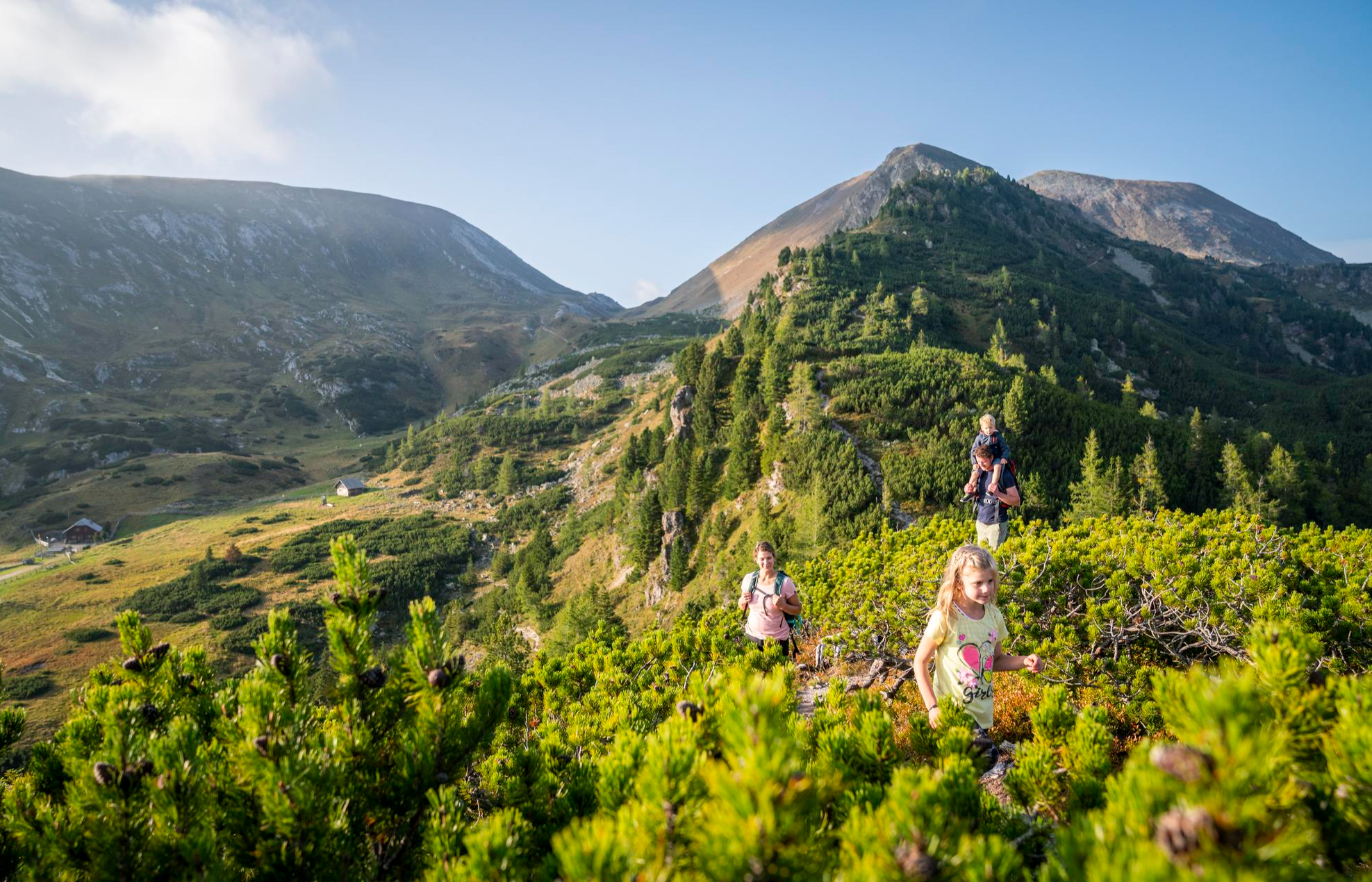
Joyous adventures experienced together – family hiking in Carinthia
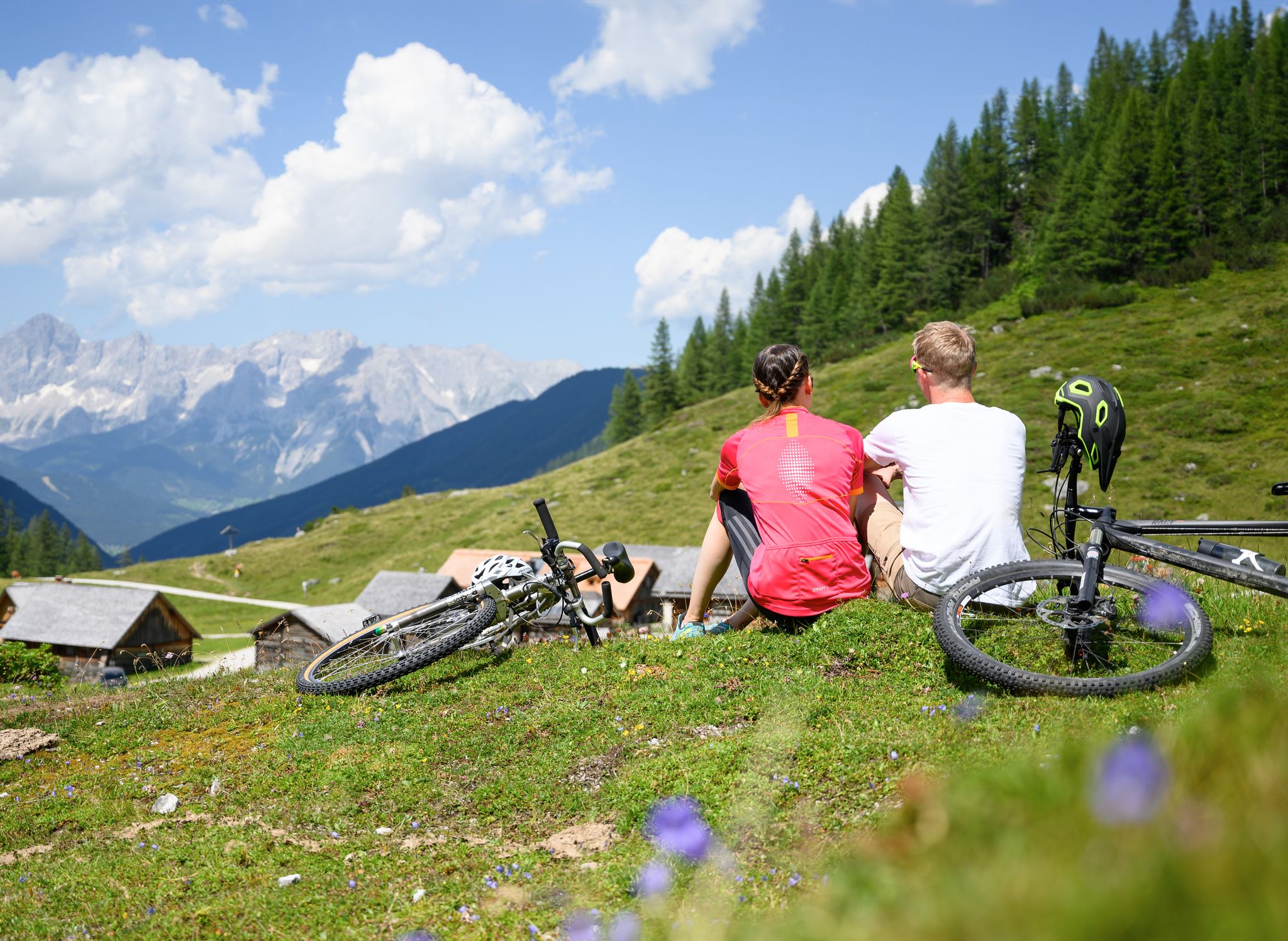
Magnificent mountain biking on Austria's alpine pastures
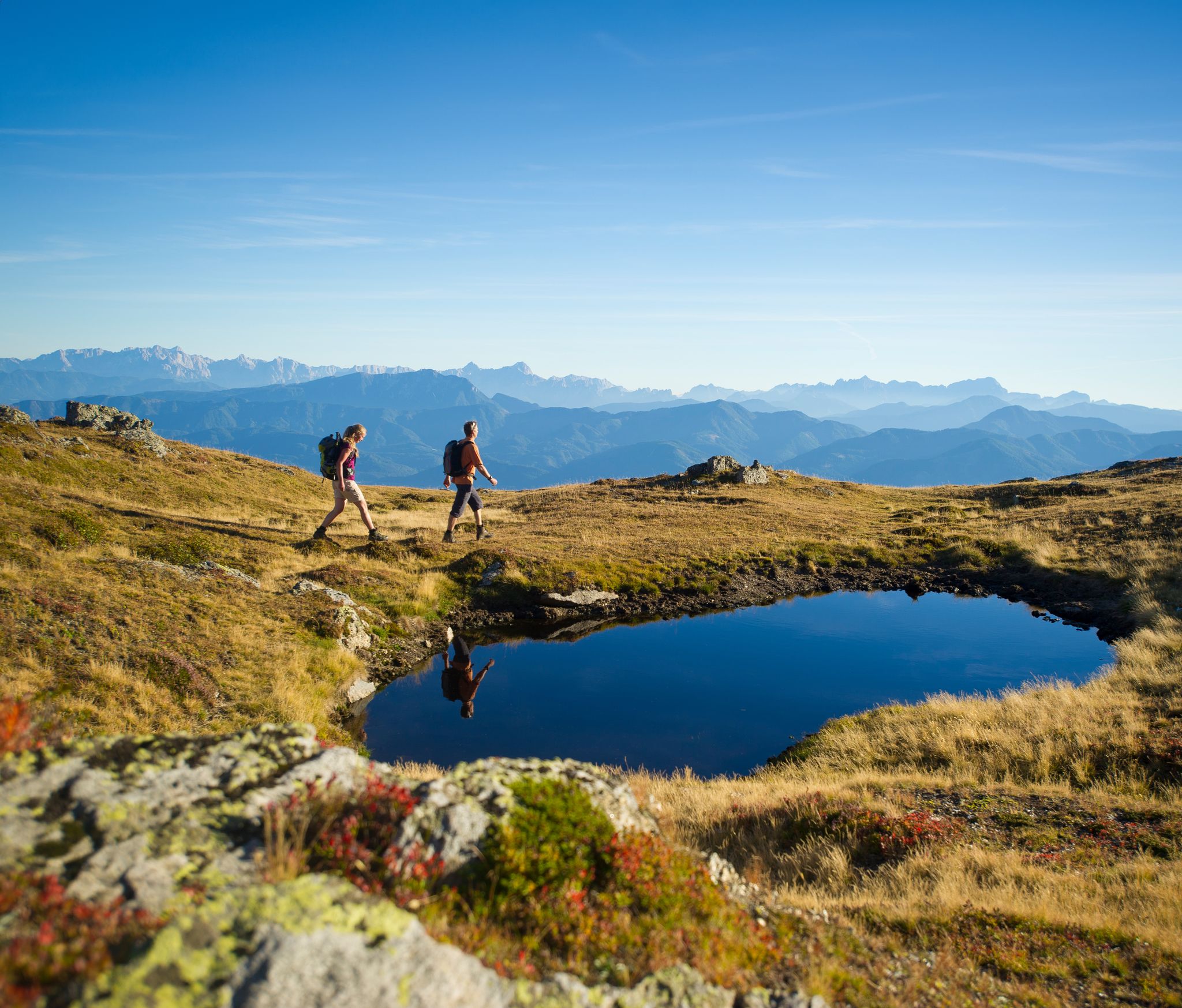
Hiking Without a Footprint on the Alpe-Adria-Trail
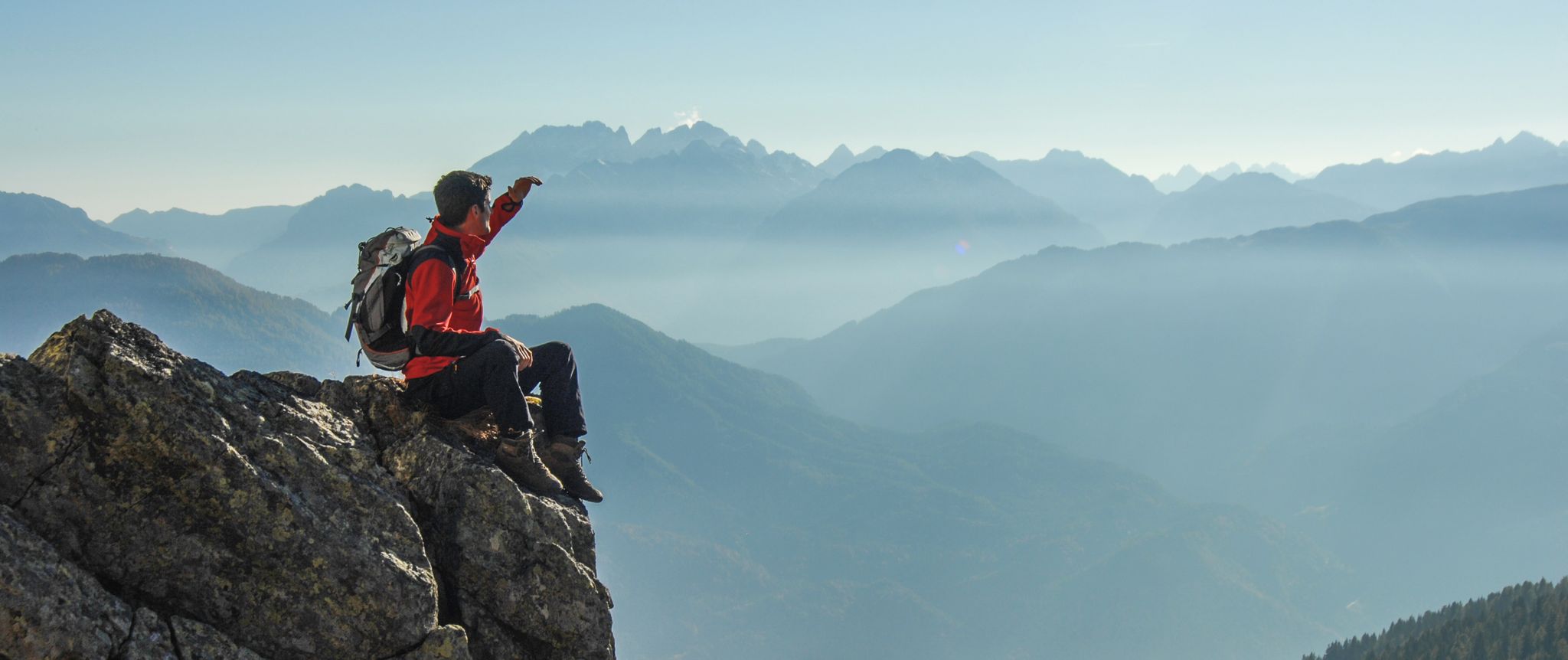
Peaks and gorges in the Hohe Tauern
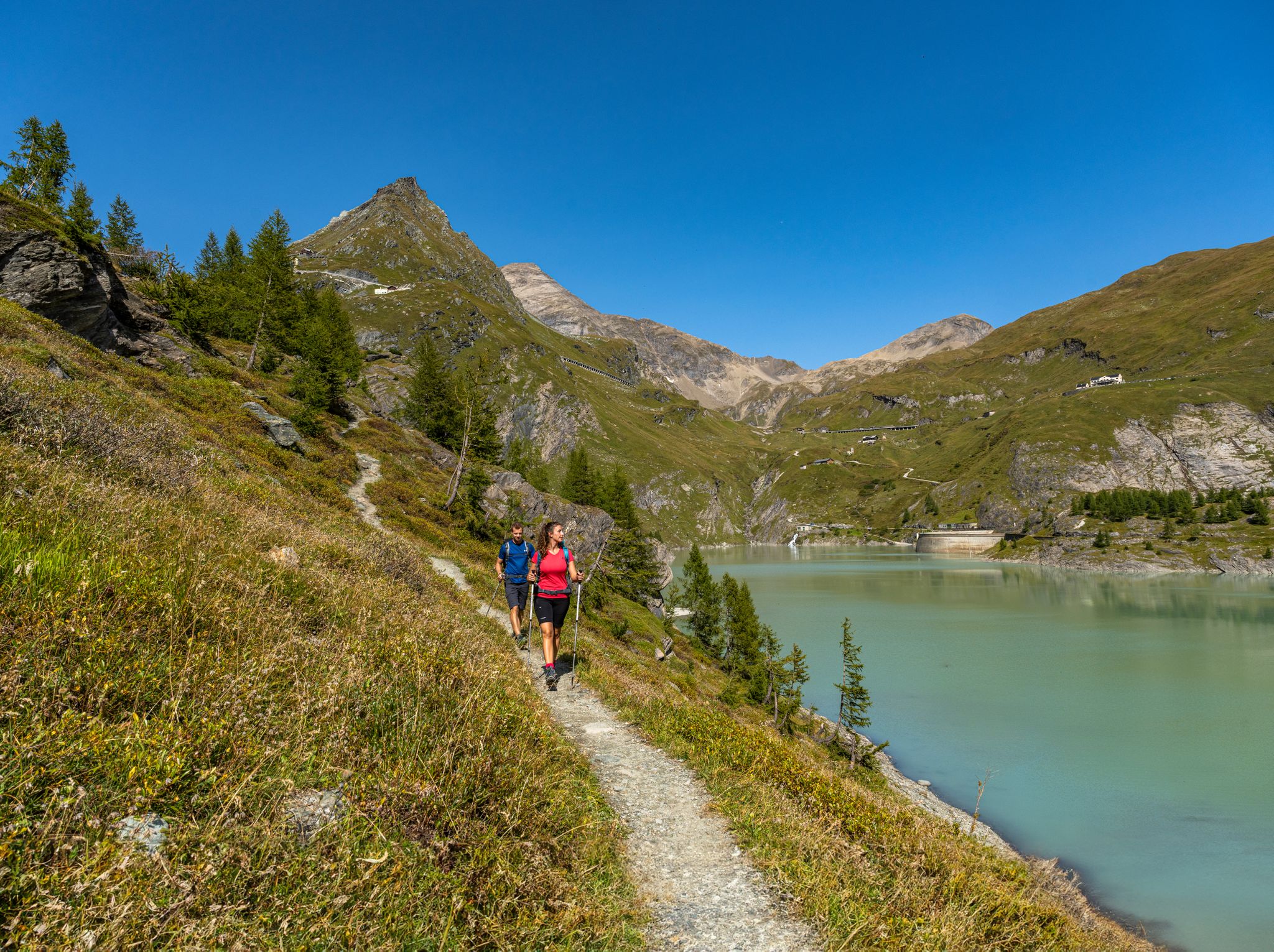
From the Grossglockner to the sea on the Alpe Adria Trail
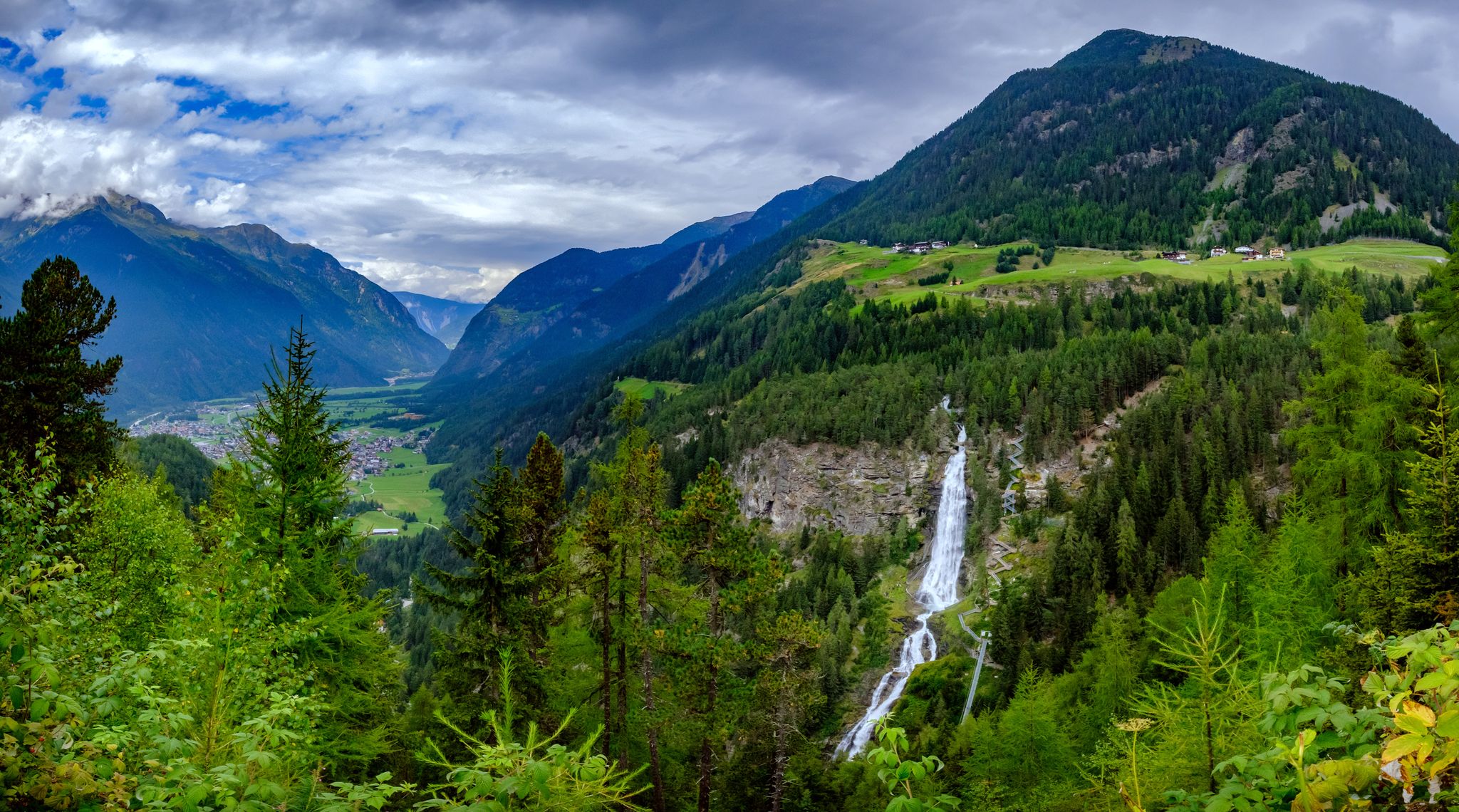
The most beautiful waterfalls of the Alps
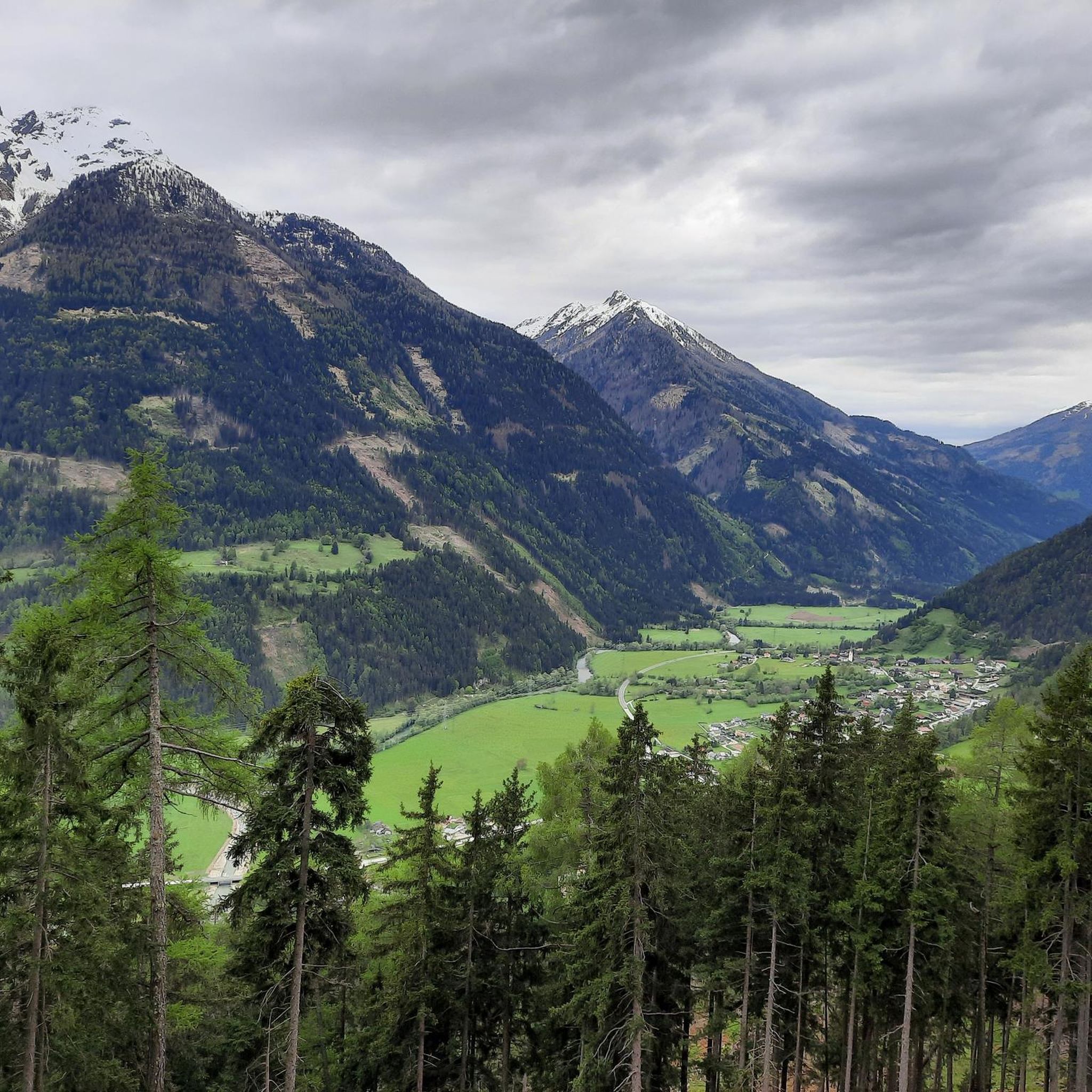
Hiking around Obervellach
Other adventures around Obervellach


Tips from the Community

The Stellkopf is located on the border of the Hohe Tauern National Park.[1] The ascent takes about 2.5 hours from the Sadnighaus (1875 m). After a flat stretch to the Kröllalm (1961 m), the path climbs in several stages of 150 to 300 meters in altitude to the Butzentörl (2714 m). From here you reach the summit via its flat southwest ridge.[2][3] From the summit you have a panoramic view of the Schober Group, Goldberg Group, Kreuzberg Group and Lienz Dolomites.
1
0
The Stellkopf is a 2852 m high mountain in the Goldberg Group of the Hohe Tauern in Austria. The Stellkopf is located on the border of the Hohe Tauern National Park.[1] The ascent takes about 2.5 hours from the Sadnighaus (1875 m). After a flat section to the Kröllalm (1961 m), the path climbs in several stages of 150 to 300 meters in altitude to the Butzentörl (2714 m). From here you can reach the summit via its flat southwest ridge.[2][3] From the summit you have a panoramic view of the Schober Group, Goldberg Group, Kreuzberg Group and Lienz Dolomites.
1
0

Beautiful mountain for a short afternoon tour from the Emberger Alm. When the weather is clear, the Ankogel and Hochalmspitze greet you over the Kreuzeck group, and the view to the south is fantastic.
0
0

Not very difficult, very varied, high alpine mountain hike in a unique landscape. However, you need to be in good shape - it is also possible to spend the night in the Arthur-von-Schmid-Haus. You definitely need to be sure-footed and not afraid of heights for the final climb over the southern ridge.
1
0

Along with the Mohar, Sadnig and Magernigspitz peaks, the Stellkopf is one of the most popular tour destinations in the rear Astental. The summit is very easy to reach and there are no difficult passages to overcome. The summit offers a wonderful view. In addition to the Glockner group with the Grossglockner, the Goldberg group with the Hoher Sonnblick, the view extends to the Lienz Dolomites, the Schober group and the Kreuzeck group. If you are looking for an easy mountain tour, the tour to the Stellkopf is the best option and you will enjoy the beautiful mountain atmosphere.
1
0
The Naßfeldriegel, 500 meters above the Emberger Alm, is the ideal destination for a short and enjoyable hike. The botanists will be particularly enthusiastic. A wide variety of dwarf shrubs (Almrausch, heather, cranberries), gentian, Scheuchzer cotton grass in damp places and many other plants thrive here. At the summit, hikers are delighted by the comprehensive panoramic view. Unpack the snack and simply enjoy it! (Source Bergfex)
2
0

You can also buy an online ticket in advance, see https://www.oebb.at/de/regionale-angebote/kaernten/autoschleuse-tauernbahn
6
1
Frequently Asked Questions
What are some of the most popular mountain peaks to visit around Obervellach?
Among the most popular peaks, you'll find Nassfeldriegel Summit (2,236 m), which is easily accessible from the Emberger Alm and offers a fantastic all-round view. Another highly regarded peak is Säuleck Summit (3,086 m), known for its varied high alpine hike and unique landscape within the Hohe Tauern National Park.
Are there challenging mountain peaks for experienced mountaineers near Obervellach?
Yes, for experienced mountaineers, the region offers several challenging ascents. The Säuleck Summit (3,086 m) requires good physical shape, sure-footedness, and comfort with heights for its final climb. The Polinik (2,784 m) also presents a demanding ascent with sections up to difficulty grade II and steel cable protections. For the ultimate challenge, the Hochalmspitze (3,360 m), often called the 'Tauern Queen,' features challenging routes like the Detmolder Grat, requiring glacier equipment and alpine experience.
Which mountain peaks offer the best panoramic views around Obervellach?
Many peaks in the region boast incredible views. From the Nassfeldriegel Summit (2,236 m), you get a comprehensive panoramic view. The Polinikhütte (1,873 m), a base for ascending Polinik, offers a fantastic panorama showcasing over 50 peaks of the eastern Hohe Tauern. The Ankogel Summit is also highly praised for its 'incredibly beautiful view.' On clear days, the Hochalmspitze (3,360 m) provides panoramic views stretching across a large part of the Hohe Tauern, and even to the Julian Alps and Dolomites.
Are there any family-friendly mountain hikes or viewpoints near Obervellach?
While many peaks are challenging, the Nassfeldriegel Summit (2,236 m) is an ideal destination for a short and enjoyable hike, easily reachable from the Emberger Alm, making it suitable for families looking for a less strenuous option with great views. For an easier panoramic experience without a full summit ascent, the Ebeneck (2,120 m) is easily reachable from the Polinikhütte in about an hour and provides magnificent views.
What kind of terrain can I expect on the mountain peaks around Obervellach?
The mountain peaks around Obervellach, particularly within the Hohe Tauern, are characterized by granite and gneiss formations. You can expect varied terrain, from relatively easy paths to steep, exposed sections with climbing elements. Peaks like the Ankogel Summit have pebbly and sandy stretches near the top, which can be slippery, while others like the Hochalmspitze feature glaciers on their eastern and southern sides, requiring specialized equipment.
What outdoor activities can I do near the mountain peaks of Obervellach?
Beyond summiting peaks, the region around Obervellach offers a variety of outdoor activities. You can explore numerous hiking trails, from easy walks like 'Obervellach's Groppenstein Gorge' to more challenging routes. There are also extensive MTB trails and road cycling routes, such as the Mölltal Cycle Path. The Mölltaler Glacier even offers opportunities for summer skiing.
Are there specific hiking trails recommended for beginners or those seeking easier mountain experiences?
For those seeking easier mountain experiences, the ascent to Nassfeldriegel Summit (2,236 m) from the Emberger Alm is considered short and enjoyable. Additionally, the Ebeneck (2,120 m), accessible from the Polinikhütte, offers a magnificent panorama without the full challenge of a major summit. For general easy hikes in the area, you can find options like 'Obervellach's Groppenstein Gorge' in the Easy hikes around Obervellach guide.
What should I be aware of when planning an ascent to a higher peak like Säuleck or Ankogel?
When planning an ascent to higher peaks like Säuleck Summit (3,086 m) or Ankogel Summit, it's crucial to be in good physical shape, sure-footed, and comfortable with heights. The final climb to Säuleck over the southern ridge requires these attributes. For Ankogel, the last stretch can be pebbly and sandy, making it slippery, so a helmet is recommended for safety. Early summer ascents on peaks like Polinik might encounter icy conditions in steep gulleys.
Can I stay overnight in mountain huts near the peaks?
Yes, for longer tours or multi-day experiences, there are mountain huts available. For instance, the area around Säuleck Summit provides the opportunity to spend a night at the Arthur-von-Schmid-Haus. The Polinikhütte (1,873 m) serves as an ideal starting point for the ascent of Polinik, and the Gießener Hütte is located on the southeastern slope of the Hochalmspitze, serving as a base for ascents there.
What is the best time of year to hike the mountain peaks around Obervellach?
The best time to hike the mountain peaks around Obervellach generally spans from late spring to early autumn. During this period, conditions are typically more favorable, with less snow and ice at higher elevations. However, early summer ascents, especially on more demanding peaks like Polinik, might still encounter icy and difficult conditions in steep summit gulleys. Always check local weather and trail conditions before heading out.
Are there any unique natural features or geological aspects to observe on these mountains?
The mountains around Obervellach are part of the Hohe Tauern, characterized by granite and gneiss formations. You can observe diverse landscapes, including mountain lakes and glaciers, particularly on the Hochalmspitze. The Mölltaler Glacier is a notable feature where you can still see ice floes on the Eissee even in late July, offering a unique high-alpine environment.
Most popular routes around Obervellach
Most popular attractions around Obervellach

Get inspired with the komoot mobile app


Explore more
See even more amazing summits around Obervellach with these guides:
