Attractions and Places To See in Strawberry Mountain Wilderness - Top 4
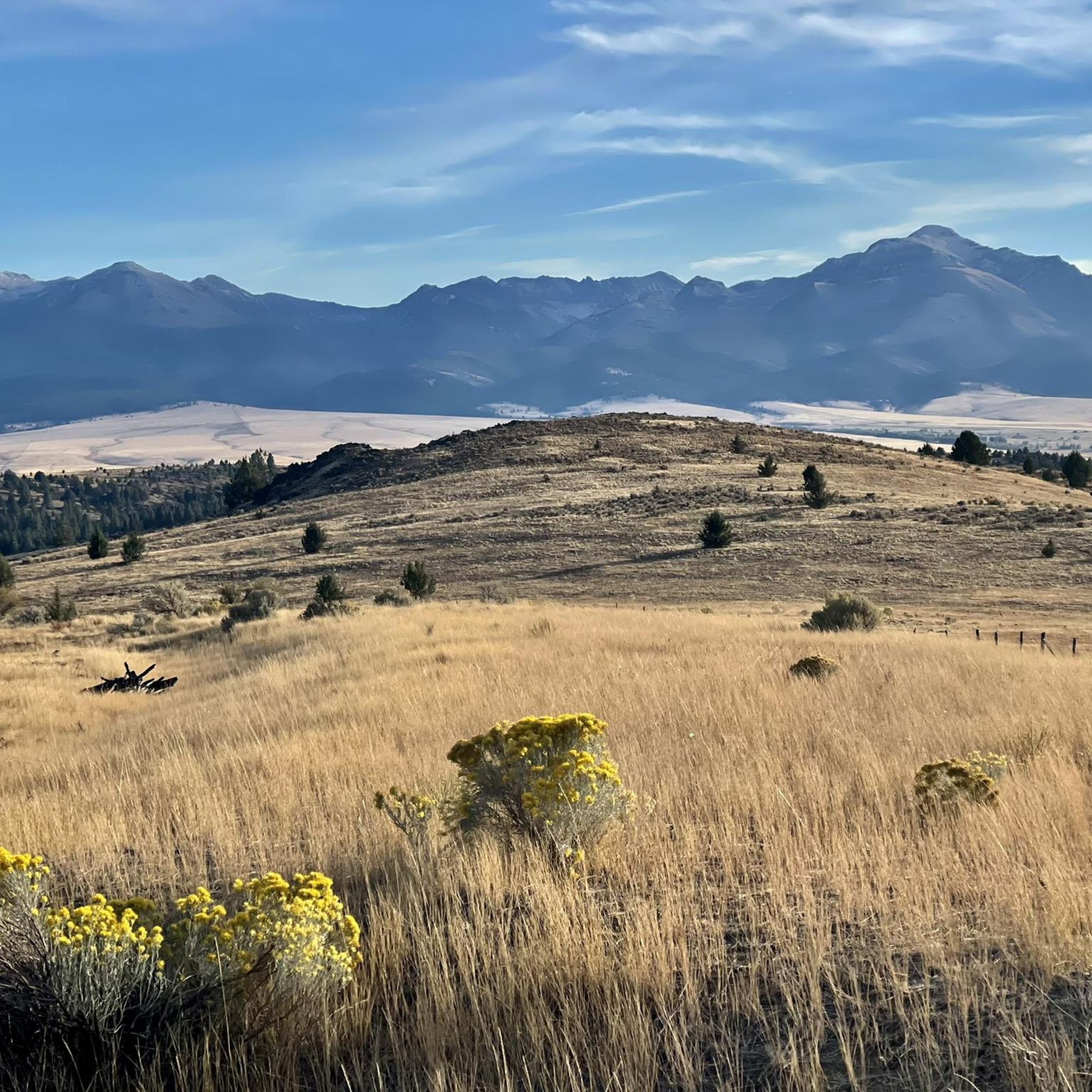
Best attractions and places to see in Strawberry Mountain Wilderness include rugged peaks, alpine lakes, and extensive forests across approximately 69,000 acres. This area, located within Oregon's Malheur National Forest, encompasses five of North America's seven major life zones, offering a diverse range of ecosystems. It holds cultural significance as the traditional homeland of the Northern Paiute people and features U-shaped glacial valleys. The wilderness is home to numerous streams and supports a variety of wildlife.
Best attractions and places…
Last updated: October 15, 2026
Strawberry Lake
Highlight • Lake
Tip by

Slide Lake
Highlight • Lake
Tip by

Sign up now to discover places like this
Get recommendations on the best single tracks, peaks, & plenty of other exciting outdoor places.
Skyline Trail, Strawberry Mountain Wilderness
Highlight (Segment) • Trail
Tip by
High Lake
Highlight • Lake
Tip by
Start today with a free account
Your next adventure awaits.
Popular around Strawberry Mountain Wilderness
Tips from the Community

A wonderful spot for camping along the Strawberry Mountain loop. Fish swim in the clear waters, mountain goats dot the slopes above, and we noticed bear scat so plenty of wildlife to watch for!
0
0
A great destination for a backpackers who don't want to hike in too far. Look for spots all around the lake; there are flowing creeks on the south end. Good fishing.
1
0

Slide Lake is a beautiful crystal blue lake surrounded by cliffs in the Strawberry Mountains. Campsites are dotted along the shoreline and the lake is stocked with brook trout, so if you are an angler be sure to bring your fly fishing rock along with you.
0
0
Nestled in the Strawberry Mountains at 7,465 feet above sea level, High Lake is a beautiful high alpine lake surround by peaks and forests. Slide Lake is just a short hike up the Skyline Trail, so it is easy to connect the two for a great day out.
0
0
The Skyline Trail takes you into the eastern edge of the Strawberry Mountains. The path goes up to High and Slide Lakes, before continuing on into the heart of the mountains. The area is used for big game hunting, so be advised to check with local ranger stations about when the hunting season is occurring.
0
0
Strawberry Lake sits at 6,266 feet in a glacial basin at the foot of Strawberry Mountain. The lake is the largest in the area, covering 36 acres. Campgrounds are found dotted around the shores and a path leading to the summit of Strawberry Mountain is found on the along the southern border.
0
0
Frequently Asked Questions
What kind of natural landscapes can I expect to see in Strawberry Mountain Wilderness?
The Strawberry Mountain Wilderness offers a diverse range of natural landscapes, from rugged peaks and U-shaped glacial valleys to pristine alpine lakes and extensive forests. You'll find ecosystems ranging from high desert to lush alpine meadows, with larch, spruce, fir, and pine trees. The area is also the headwaters for numerous streams.
Are there any prominent peaks or mountains to explore?
Yes, Strawberry Mountain itself is the highest peak in the wilderness, standing at 9,038 feet (2,755 m). Summiting it offers panoramic views of the surrounding area and the Great Basin. The wilderness is characterized by its rugged peaks.
What are the main lakes to visit in the wilderness?
The wilderness is home to seven pristine alpine lakes. Among the most notable are Strawberry Lake, the largest at 6,266 feet, and Slide Lake, known for its crystal blue waters and cliff surroundings, which is also stocked with brook trout. Another beautiful high alpine lake is High Lake, nestled at 7,465 feet. You can also find Little Strawberry Lake, a scenic subalpine lake.
What hiking opportunities are available in Strawberry Mountain Wilderness?
The wilderness boasts over 125 miles of trails for day hikes and multi-day backpacking. Popular options include the Skyline Trail, which leads to High and Slide Lakes, and the Strawberry Basin Trail to Strawberry Lake. For a challenging experience, consider the 16-mile Onion Creek Loop that includes the Strawberry Mountain summit. You can find more hiking routes in the area on the Hiking in Strawberry Mountain Wilderness guide.
What kind of wildlife can I expect to see?
The Strawberry Mountain Wilderness supports a rich variety of wildlife. You might spot Rocky Mountain elk, mule deer, antelope, black bears, cougars, and California bighorn sheep. Birdwatchers can look for ruffed and blue grouse, pileated woodpeckers, and bald eagles.
Are there any waterfalls in the area?
Yes, Strawberry Falls is a picturesque natural feature located about a mile past Strawberry Lake. These waterfalls are approximately 40 feet (12 m) tall and are a rewarding sight after a hike.
What is the best time of year to visit Strawberry Mountain Wilderness?
Summer is an excellent time to visit, as wild strawberries ripen in July and wildflowers bloom in the meadows. The clear nighttime skies also make it ideal for stargazing during warmer months. Always check local conditions before planning your trip.
Can I go fishing in the wilderness?
Yes, fishing is a popular activity. Several lakes, including Slide Lake, are stocked with brook trout, offering excellent opportunities for anglers.
What is the cultural significance of the Strawberry Mountain Wilderness?
The Strawberry Mountain Wilderness holds significant cultural history as the traditional homeland of the Northern Paiute people. Additionally, the region saw historical gold discoveries in 1862 and chrome mining during World War I and II, particularly on Canyon Mountain and Baldy Mountain.
Are there options for camping overnight?
Yes, campgrounds are available around Strawberry Lake and other areas within the wilderness, providing opportunities for overnight stays and multi-day adventures.
What do visitors enjoy most about the lakes in Strawberry Mountain Wilderness?
Visitors particularly enjoy the stunning views and peaceful atmosphere of the alpine lakes. For instance, Strawberry Lake is appreciated for its scenic location in a glacial basin and the convenience of nearby campgrounds. Slide Lake is loved for its crystal blue waters, cliff surroundings, and the chance to spot wildlife like mountain goats.
Most popular routes in Strawberry Mountain Wilderness

Get inspired with the komoot mobile app


Explore more
Still not found the Highlight you’re looking for? See guides of the top attractions in other regions:
