Attractions and Places To See in Sky Lakes Wilderness - Top 14
Best attractions and places to see in Sky Lakes Wilderness include a diverse landscape of over 116,000 acres within the Cascade Range of southern Oregon. This wilderness area is characterized by its numerous sub-alpine lakes, dense forests, and rugged terrain, shaped by ancient glacial activity and volcanic eruptions. It offers a variety of natural features, from prominent peaks to historical trails, providing opportunities for exploration and connection with nature. The region is home to diverse wildlife and unique geological formations,…
Last updated: July 7, 2026
Sky Lakes Wilderness
Highlight • Natural
Tip by

Mount McLoughlin
Highlight • Volcano
Tip by
Sign up now to discover places like this
Get recommendations on the best single tracks, peaks, & plenty of other exciting outdoor places.
Sign up for free
Crater Lake National Park boundary
Highlight • Trail
Tip by
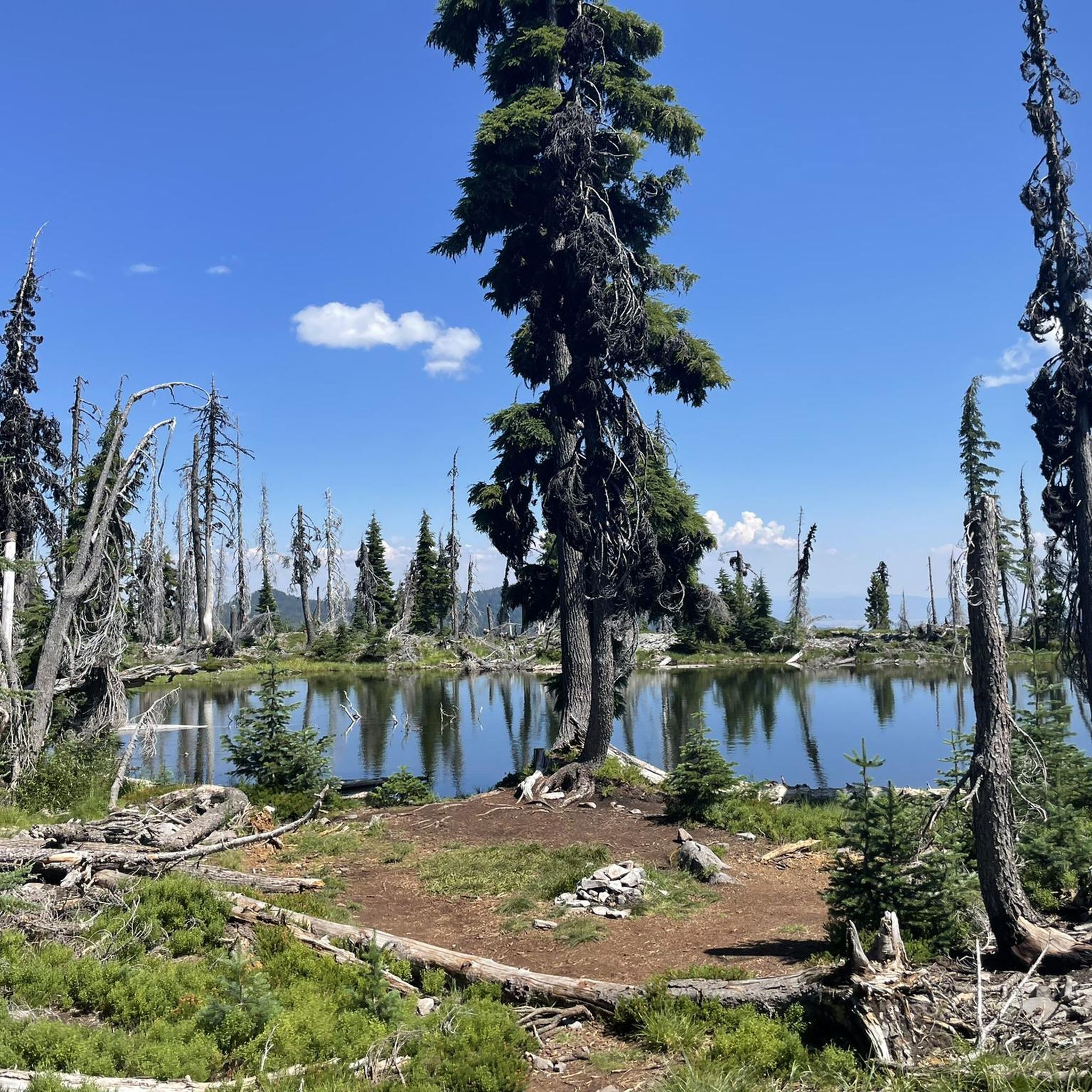
Campsites
Highlight • Rest Area
Tip by
Old burn area
Highlight • Forest
Tip by
Sign up for free to discover even more attractions in Sky Lakes Wilderness.
Sign up for free
Already have an account?
Start today with a free account
Your next adventure awaits.
Login or Signup
Popular around Sky Lakes Wilderness

Tips from the Community

Mount McLouglin is one of the tallest peaks in Oregon. It is a dormant volcano that last erupted between 20,000 and 30,000 years ago. There are amazing views from the top of Sky Lakes Wilderness, Fourmile Lake, Lake of the Woods and Fish Lake.
0
0

Sky Lakes Wilderness is a wilderness area located in the Cascade Mountains of Oregon, United States. It covers an area of approximately 116,300 acres and is managed by the United States Forest Service. The region is characterized by its numerous lakes and streams, its alpine meadows and its dense forests of pines, firs and cedars. The terrain is rugged, with rocky ridges, deep valleys and steep canyons. The Sky Lakes Wilderness is a popular destination for hiking, camping, fly fishing and hunting. There are over 200 miles of hiking trails in the area, offering scenic views of lakes, alpine peaks and forests. The region's lakes are also popular for swimming, boating and fishing. Wildlife in the area includes moose, black bears, elk, lynx, coyotes, mountain goats, bald eagles and mule deer. Anglers can catch rainbow trout, cutthroat trout, lake trout, and bull trout in area lakes and streams.
0
2

The Pacific Crest Trail traverses the stunning Sky Lakes Wilderness with tons of shimmering alpine lakes. Most of them lie a little below the crest, so you can decide to take an alternate route to get closer to the pine tree framed lakes.
5
0
Mount McLoughlin is an ancient, but still dormant stratovolcano within the Cascade Range that last erupted 30,000 to 20,000 years ago. It is the tallest volcano between Mount Shasta in California and South Sister further north. If you hike along the Pacific Crest Trail, you can see it way in front of you. The summit is at 9,493 feet with breathtaking views over the Sky Lakes Wilderness, Fourmile Lake, Lake of the Woods and Fish Lake. You can climb it in a strenuous hike taking a trail that splits from the PCT. There are some nice campsites at the base of the mountain.
2
0
This is where the Sky Lakes Wilderness meets the boundary of Crater Lake National Park. You will need a permit to camp within the National Park. The PCT permit allows you to camp in the park, but for camping along the rim of Crater Lake, you have to obtain a special permit.
3
0
You are hiking through a pretty exposed area that was damaged by wildfires a few years ago. Although there is not much shade, you can see new forest growing all around you.
2
0
The Pacific Crest Trail skirts the eastern and northern sides of Mount McLoughlin and also accesses the only trail to the summit. It is an ancient, but still dormant stratovolcano that last erupted 30,000 to 20,000 years ago. There is a nice flat area to pitch several tents. It is a good spot along the Pacific Crest Trail and also a nice base camp if you plan to summit Mount McLoughlin.
3
0
Frequently Asked Questions
What are the most prominent natural features in Sky Lakes Wilderness?
The Sky Lakes Wilderness is renowned for its diverse natural features. Key highlights include Mount McLoughlin, a majestic dormant stratovolcano offering panoramic views. The wilderness is also aptly named for its more than 200 pools of water, including the significant Seven Lakes, Sky Lakes, and Blue Canyon basins. Other notable features are Fourmile Lake, a large lake popular for rustic camping, and Ranger Springs, where the Middle Fork of the Rogue River emerges fully formed from ancient lava flows.
Are there historical sites or trails to explore in Sky Lakes Wilderness?
Yes, the wilderness holds historical significance. The Twin Ponds Trail, also known as the Rancheria Trail, follows an ancient Indian travel route that was widened into a military wagon road in 1863. Portions of this route are listed on the National Register of Historic Places, with segments of the old wagon route still visible. Additionally, the Waldo Tree at Island Lake bears the carved names of early conservationist Judge John B. Waldo and his companions from their 1888 journey, a precursor to the modern Pacific Crest Trail.
What kind of outdoor activities can I do in Sky Lakes Wilderness?
The Sky Lakes Wilderness is a prime destination for various outdoor activities. Hiking, camping, and backpacking are very popular, with over 200 miles of trails, including a significant portion of the Pacific Crest Trail. Many lakes are stocked with game fish, making fishing a favored pastime. The area is also suitable for hunting. For specific hiking routes, you can explore options like the Seven Lakes and Devil's Peak Loop or the Twin Ponds Trail on the Hiking in Sky Lakes Wilderness guide.
What is the best time of year to visit Sky Lakes Wilderness?
The best time to visit Sky Lakes Wilderness largely depends on your desired activities. Summer is ideal for strenuous hikes, such as summiting Mount McLoughlin, and enjoying the numerous sub-alpine lakes for fishing and camping. Fall offers opportunities to observe migratory birds, including ospreys, and enjoy cooler temperatures. Winter hiking is possible but requires specific preparation due to snow and challenging conditions.
What wildlife can I expect to see in Sky Lakes Wilderness?
The Sky Lakes Wilderness is home to diverse wildlife. You might spot elk herds, especially in the northern third of the wilderness, as well as black bears, cougars, coyotes, and smaller mammals like pine martens, fishers, pikas, and golden-mantled ground squirrels. Migratory birds, including ospreys and bald eagles, are abundant, particularly around Fourmile Lake in the fall. Anglers can find rainbow, cutthroat, lake, and bull trout in the area's lakes and streams.
Are there any specific trails or areas known for their scenic views?
Absolutely. The summit of Mount McLoughlin offers breathtaking panoramic views of the Cascade Range, Crater Lake's rim, Fourmile Lake, and other surrounding lakes. The Pacific Crest Trail, which traverses about 35 miles of the wilderness, provides well-maintained routes with access to many alpine lakes and stunning vistas. The Seven Lakes Basin, carved by ancient ice fields, also offers picturesque sub-alpine lake settings amidst tall trees.
What are the 'Sky Lakes' and why are they significant?
The 'Sky Lakes' refer to the more than 200 pools of water, ranging from small ponds to lakes of 30 to 40 acres, that give the wilderness its name. These include three major lake basins—Seven Lakes, Sky Lakes, and Blue Canyon—which were formed by glacial activity. Many of these sub-alpine lakes are popular for fishing, hiking, and camping. Some, like Alta and Natasha, are noted for having some of the chemically purest water globally, highlighting their pristine natural state.
What should I know about camping in Sky Lakes Wilderness?
Camping in Sky Lakes Wilderness offers a rustic, undeveloped experience. There are no developed campsites, so visitors must adhere strictly to Leave No Trace principles. Backcountry camping is permitted, but if you plan to camp near the Crater Lake National Park boundary or within the park itself, you will need a specific permit. The PCT permit allows camping in the park, but for camping along Crater Lake's rim, a special permit is required.
What geological features can be observed in the wilderness?
The Sky Lakes Wilderness showcases fascinating geological history. The landscape was significantly shaped by massive ice fields during the last glacial period, evident in areas like the Seven Lakes Basin. The northern portion of the wilderness features a pumice-covered area, a direct result of Mount Mazama's explosive eruption and collapse approximately 6,700 years ago, which formed Crater Lake. Mount McLoughlin itself is a dormant stratovolcano, adding to the volcanic geology of the region.
Are there any specific challenges or considerations for hiking in Sky Lakes Wilderness?
Hiking in Sky Lakes Wilderness can range from moderate to challenging. Trails like the summit route up Mount McLoughlin are strenuous. The terrain is rugged, with rocky ridges, deep valleys, and steep canyons. Hikers should be prepared for varying conditions, especially in areas affected by past wildfires, such as the Old burn area, which may offer less shade. Always carry sufficient water, navigation tools, and practice Leave No Trace principles.
What do visitors enjoy most about Sky Lakes Wilderness?
Visitors to Sky Lakes Wilderness highly appreciate its pristine natural beauty and the sense of solitude it offers. The numerous shimmering alpine lakes, dense forests, and rugged terrain provide a true wilderness experience. Many enjoy the extensive trail system, especially the Pacific Crest Trail, which offers access to stunning viewpoints and opportunities for backpacking. The chance to spot diverse wildlife and experience the tranquility of nature are frequently cited as highlights.
What types of forests and plant life can be found here?
The high-elevation forests in Sky Lakes Wilderness are primarily composed of Shasta red fir, western white pine, and mountain hemlock. Around many of the lakes, you'll find lodgepole pine, while hardy whitebark pines grow near the summits of Mount McLoughlin and Devil's Peak. The understory is rich with various shrubs, including huckleberry, manzanita, snowbrush, and heather, adding to the diverse flora of the region.
Most popular routes in Sky Lakes Wilderness

Get inspired with the komoot mobile app


Explore more
Still not found the Highlight you’re looking for? See guides of the top attractions in other regions:
