The best walks and hikes in Shining Rock Wilderness
4.8
(115)
2,075
hikers
12
hikes
If you've ever tried to plan hiking in Shining Rock Wilderness, you know how quickly the options can feel overwhelming. With so many trails crisscrossing this rugged landscape, it's tough to tell which routes are genuinely worth your time and effort, and which are just filler. That's where we come in. Our komoot community has mapped, walked, and reviewed these trails, and we've curated this guide to cut through the noise and point you straight to the experiences that deliver.
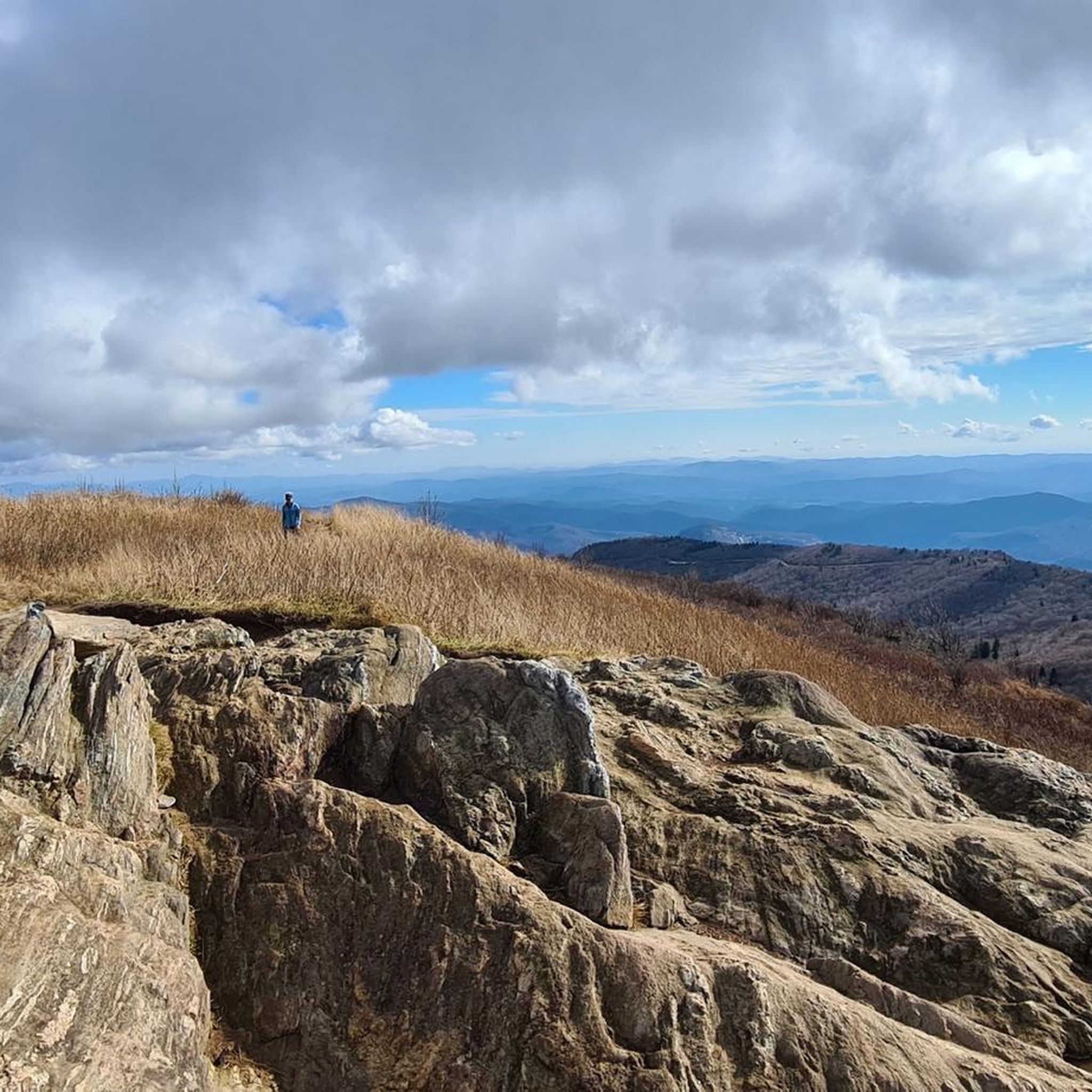
Shining Rock Wilderness is a truly special place, defined by its high-altitude ridges, expansive grassy balds, and dense forests, with elevations soaring over 6,000 feet (1,828 m). Expect rugged terrain and significant climbs, but also the payoff of incredible views and a real sense of wildness. The trails here range from moderate paths following creeks to demanding summit hikes, offering something for most fitness levels.
If you only do one hike, make it Cold Mountain via Art Loeb Trail. This 5.0 miles (8.0 km) route offers a fantastic challenge and rewards you with iconic views. For a longer, more immersive experience that showcases the diverse landscapes, we love the Big East Fork, Greasy Cove, Art Loeb, and Shining Creek Loop, a demanding 11.8 miles (18.9 km) journey. Ready to explore? With over 2,000 hikers already using komoot here, you're in good company.
Last updated: May 10, 2026
5.0
(1)
3
hikers
18.9km
06:12
860m
840m
The Big East Fork, Greasy Cove, Art Loeb, and Shining Creek Loop offers a rugged journey through the heart of the Shining Rock Wilderness. You'll traverse dense forests along the East Fork of the Pigeon River, climb through rocky and rooty sections on the Greasy Cove Trail, and be rewarded with expansive panoramic views from the Appalachian balds of the Art Loeb Trail, including vistas from Black Balsam Knob. The route then descends along Shining Creek, passing numerous small waterfalls and cascades.
This is a difficult 11.8-mile (18.9 km) hiking route with a substantial 2828 feet (862 metres) of elevation gain, typically taking around 6 hours and 11 minutes to complete. Given its wilderness setting, trails can be unmarked, and river crossings might require wading. Always carry a map and compass, and be prepared for strenuous conditions. This loop is best suited for experienced hikers seeking a true backcountry challenge.
As much of the trail is within the Shining Rock Wilderness, specific regulations apply. If you plan an overnight trip, bear canisters are required, and campfires are prohibited. Water sources can be unreliable, so plan to carry sufficient water. This area is known for its diverse ecosystems, from river valleys to high-elevation balds, offering a unique glimpse into the rugged beauty of Pisgah National Forest.
2
hikers
8.02km
02:54
800m
0m
If you're seeking a rewarding challenge with incredible scenery, the Cold Mountain via Art Loeb Trail is a must-do. This hike takes you through lush forests, past moss-covered rock outcrops, and eventually onto open balds that provide expansive views of the Blue Ridge Mountains. Expect a steady, steep climb for much of the 5.0 miles (8.0 km) route, which features 2613 feet (796 metres) of elevation gain and typically takes around 2 hours and 54 minutes to complete.
Planning your visit means preparing for a remote experience; navigation can be tricky in the Shining Rock Wilderness, so bring a map, compass, and GPS. The trail is rated moderate, but don't underestimate the significant elevation gain. Cooler temperatures at the 6,030-foot summit mean you should pack layers, even on warmer days.
This trail offers the shortest path to the famous Cold Mountain summit, a peak brought to life in Charles Frazier's novel and film. It's part of the broader Art Loeb Trail, known for its challenging nature and diverse landscapes, making it a significant hike for those who appreciate both natural beauty and a bit of history.

Sign up for free
2
hikers
27.2km
09:15
1,040m
1,010m
The Big East Fork and Art Loeb Loop is a demanding hike that plunges you into the heart of the Shining Rock Wilderness, offering a journey through diverse landscapes. You'll start with the sounds of whitewater rapids along the Big East Fork, passing waterfalls like Skinny Dip Falls, before ascending through varied forests. The terrain shifts dramatically, from dense hardwoods to evergreen stands, eventually opening up to exposed bald mountain summits like Black Balsam Knob, where you're rewarded with expansive, long-distance views.
This difficult 16.9-mile (27.2 km) route involves a substantial 3415 feet (1041 metres) of elevation gain, typically taking around 9 hours and 15 minutes to complete. Due to its strenuous nature, with steep ascents, rocky passages, and potentially muddy sections, it's best suited for experienced hikers. Always carry a detailed map, as trail markers can be indistinct in places, and be prepared for a full day on the trail.
Integrating parts of the renowned Art Loeb Trail, this loop is celebrated for its spectacular scenery and rugged character. It's a popular choice for those training for longer endeavors or simply seeking a significant challenge in Western North Carolina. The trail's unique features, including the distinctive white quartz boulders of Shining Rock, make it a memorable adventure for anyone looking to push their limits and explore the region's wild beauty.
4
hikers
6.57km
02:31
720m
30m
The Shining Creek Trail offers a deep dive into the rugged beauty of the Shining Rock Wilderness, tracing the pristine Shining Creek through a predominantly forested landscape. You'll find constant views of the water, complete with cascades and pools perfect for wading, and in spring, a vibrant display of white rhododendrons. The path itself is rocky and uneven, demanding careful footing as you ascend through the wilderness.
This 4.1-mile (6.6 km) hiking route is rated moderate, but don't let that fool you; it packs a punch with 2357 feet (718 metres) of elevation gain over an estimated 2 hours and 30 minutes. Be ready for a challenging climb, especially in the last mile, and prepare for potentially muddy conditions. Parking is available at the trailhead, but always check for any specific forest service advisories before you go.
As part of the Shining Rock Wilderness, the trail provides a true untamed experience, often used as part of more extensive Shining Creek Trail loop hike options with routes like the Old Butt Knob Trail. The continuous proximity to the creek means you'll have plenty of opportunities to filter water, making it a great choice for experienced hikers who appreciate a self-sufficient adventure.
3
hikers
21.5km
06:59
1,080m
790m
The Art Loeb and Little East Fork Loop offers a demanding yet incredibly scenic hike through the Pisgah National Forest. You'll traverse diverse ecosystems, from the exposed Appalachian balds of the Art Loeb Trail, providing sweeping vistas from peaks like Stairs Mountain, to the serene, lush forests and delightful cascades of the Little East Fork creek. Expect rugged terrain, including roots, rocks, and some scrambling, especially in the Shining Rock Wilderness section, which adds to the adventure and remote feel of the route.
This is a difficult 13.3-mile (21.5 km) hike with a substantial 3534 feet (1077 metres) of elevation gain, typically requiring around 6 hours and 58 minutes. The trail usually begins and ends near the Daniel Boone Boy Scout Camp. Be prepared for backcountry conditions; bear canisters are mandatory for camping in the Shining Rock Wilderness, and campfires are not allowed. Always carry a map and be ready for varied weather, especially at higher elevations.
What makes this loop truly stand out is its combination of strenuous ridgeline hiking with the picturesque descent along a pristine creek, offering some of the best views in the Blue Ridge Mountains. The Art Loeb Trail itself is a memorial to Arthur Loeb, an activist who loved these mountains, and has even been recognized by National Geographic Adventure as one of the "30 Best North American Hikes." It's a comprehensive and challenging experience for seasoned hikers.
Get access to more routes and recommendations from other explorers.
Sign up for free
Already have an account?
Our route recommendations are based on thousands of hikes, rides, and runs completed by other people on komoot.
Start today with a free account
Your next adventure awaits.
Login or Signup

Tips from the Community

small waterfall and stream crossing
0
0
start of the little east fork trail at the far back of camp daniel boone
0
0
trailhead for the Art Loeb trail (30 miles) with connections to cold mountain and shining rock
0
0

Cold Mountain stands at 6,030 feet in the protection of the Shining Rock Wilderness in Pisgah National Forest. This mountain summit is not an easy one to bag, but it's one of the most rewarding high peaks in the area. The trail to get up here is pretty straight forward, but there is limited trail markings since you are traveling through a protected wilderness area.
0
0
A short hike will bring you down to this set of waterfalls with a swimming hole. This area can become pretty crowded so try to avoid the late mornings and weekends. This eclectic waterfall is located just off of the main Mountains-to-Sea Trail.
1
0

Shining Rock is the largest wilderness area in North Carolina. Many mountains in the Wilderness are higher than 5,000 feet, and three peaks are higher than 6,000 feet. The trailhead is located at the crossing of several hiking trails.
1
0

A flat section of this ridge line offers secluded sites for tent and hammock camping. The cool, grassy areas are wonderful in the summer, and the falls colors spectacular. There is not much (if any) water to be found between Greasy Cove Prong creek at the bottom, and few places with water at the Art Loeb trail intersection, so make sure and stock up if you plan to camp on the ridge.
0
0
Frequently Asked Questions
Are dogs allowed in Shining Rock Wilderness?
Yes, dogs are generally permitted in the Shining Rock Wilderness area, but they must be kept on a leash at all times to protect wildlife and other hikers. Be sure to bring enough water for your pet and pack out all waste.
What are the rules for camping and campfires?
Camping is allowed, but specific regulations are in place to protect the fragile environment. A key rule is that campfires are prohibited throughout the entire Shining Rock Wilderness. You must use a backpacking stove for cooking.
Additionally, all food, garbage, and scented items must be stored in a commercially-made, bear-resistant canister. This is mandatory to protect both you and the local bear population.
How well are the trails marked in this area?
As a federally designated wilderness, trails in Shining Rock are intentionally minimally marked to preserve its wild character. You will not find frequent blazes or signs. It is essential to carry a detailed map, a compass, and/or a GPS device and know how to use them. Do not rely solely on your phone for navigation.
What is the best time of year to hike in Shining Rock Wilderness?
Summer and fall are the most popular seasons. Summer offers lush greenery, blooming wildflowers like Flame Azaleas, and wild blueberries. Autumn provides spectacular fall foliage and cooler temperatures. Spring can be beautiful but also wet and unpredictable. Winter hiking is possible for experienced and well-equipped hikers, but be prepared for snow, ice, and road closures.
Are there any long-distance backpacking loops available?
Yes, the area is excellent for backpacking. For a challenging multi-day trip, consider the Big East Fork, Greasy Cove, & Old Butt Knob Trail loop. This nearly 13-mile (21 km) route involves significant elevation gain and offers a true wilderness experience along river sections and high ridges.
What should I know about parking at the trailheads?
Parking, especially at popular trailheads along the Blue Ridge Parkway like Black Balsam Knob, can fill up very quickly, particularly on weekends and holidays. It's best to arrive early in the morning to secure a spot. Always park in designated areas and avoid blocking any gates or roads.
Are there any easier hikes that still offer great views?
While many trails are strenuous, the area around Black Balsam Knob and Sam Knob offers some of the most rewarding views for relatively moderate effort. The trails across these grassy balds provide expansive 360-degree panoramas without the intense elevation gain of summiting peaks like Cold Mountain.
What kind of wildlife might I see?
Shining Rock is home to a diverse range of wildlife. Black bears are common, which is why bear canisters are required for overnight trips. You might also see white-tailed deer, various songbirds, owls, and coyotes. In summer, the area is known for its abundance of blackberries and blueberries.
Are there reliable water sources on the trails?
Water can be found in various creeks and springs, such as the Big East Fork of the Pigeon River and Shining Creek. However, sources can be scarce along the high ridges. Always carry more water than you think you'll need and have a reliable water filter or purification system to treat any water you collect.
What makes the terrain in Shining Rock Wilderness unique?
The landscape is defined by its high-elevation ridges, treeless grassy balds, and the namesake white quartz outcroppings of Shining Rock itself. Hikes often transition from dense hardwood forests at lower elevations to spruce-fir forests higher up, offering a great variety of scenery in a single outing.
What do other hikers enjoy most about Shining Rock Wilderness?
The area is highly rated by the komoot community. Hikers frequently praise the stunning, wide-open vistas from the grassy balds like Black Balsam Knob and Tennent Mountain. The feeling of remoteness and the challenging, rugged nature of the trails are also commonly highlighted as major draws for those seeking a true wilderness adventure.
Is there a challenging hike in the neighboring wilderness area?
Yes, for those looking for a difficult trek just outside the main Shining Rock area, the Green Mountain Trail & Buckeye Gap Trail loop in the Middle Prong Wilderness is a great option. It's a strenuous 12-mile (19 km) loop with significant climbing, rewarding hikers with solitude and deep forest scenery.
Most popular routes in Shining Rock Wilderness
Most popular attractions in Shining Rock Wilderness

Get inspired with the komoot mobile app


Explore more
Browse the best Hikes in other regions.
